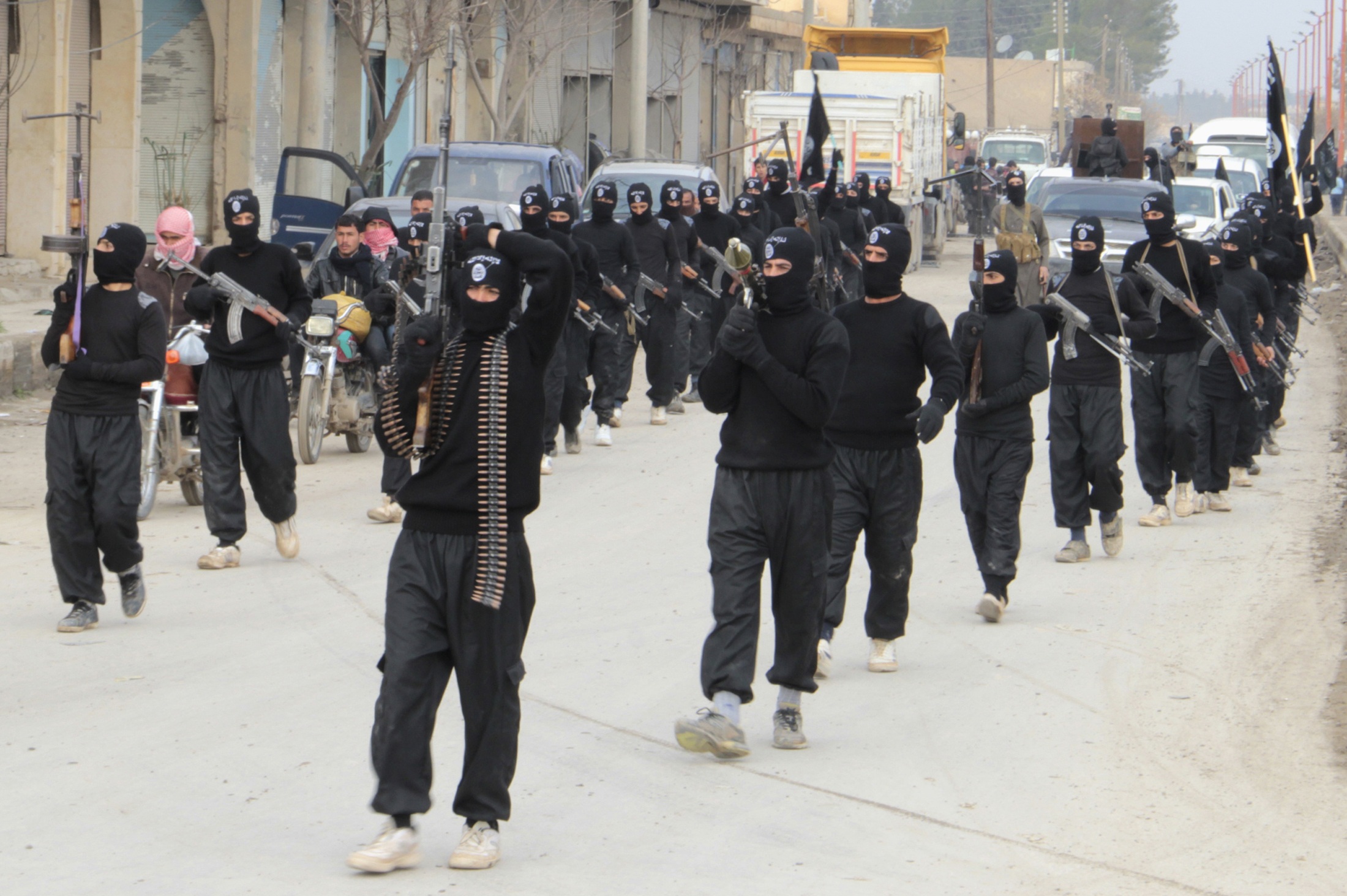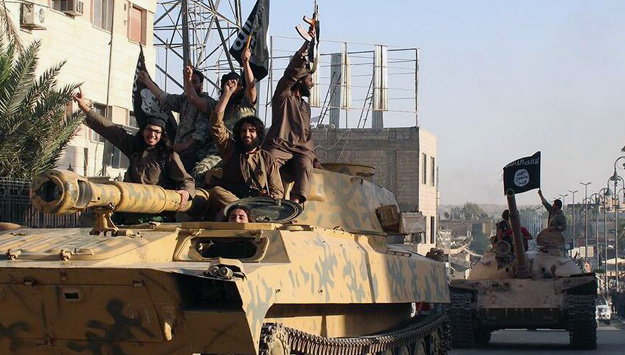
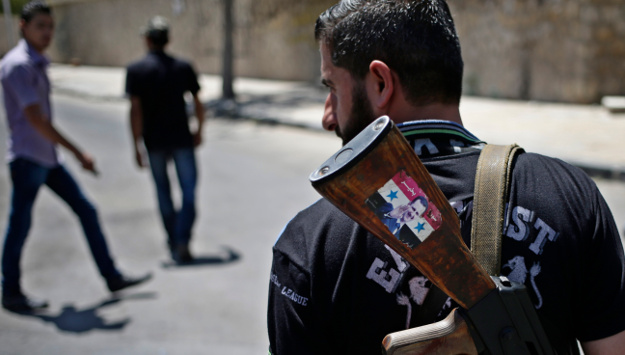
How U.S. can help Syria drive out ISIS
Read the full article on CNN.
American airstrikes might be needed in Syria, but that would not be the most important tactic for success, nor would more material aid to the rebels be sufficient to contain the Islamic State over the long term. As in Iraq, there has to be a political angle as well.
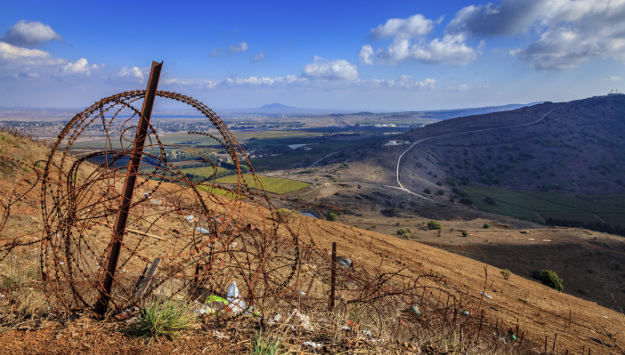
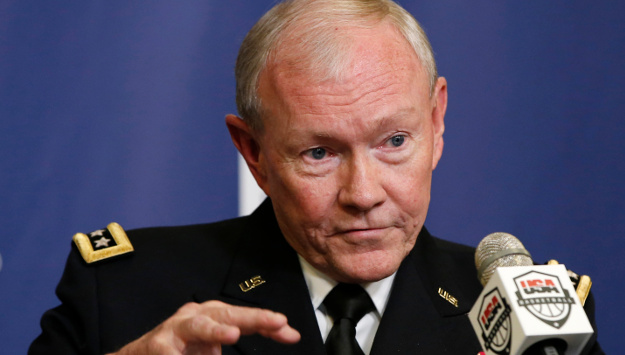
A Strategy Against the Islamic State
The outlines of a US strategy to roll back ISIS, or the ‘Islamic State’ as it styles itself, in Iraq have become relatively clear, even if success is uncertain.
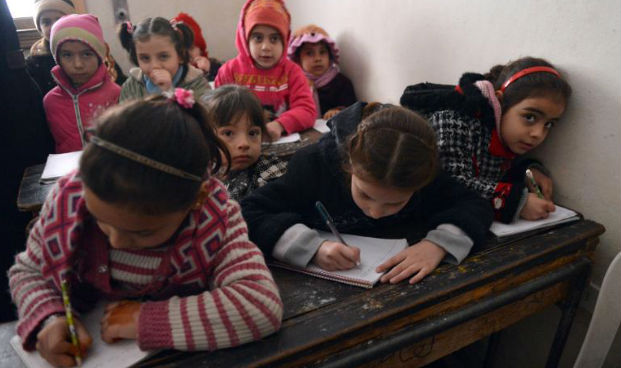
The Education of Syrian Refugee Children
If the future of a nation is built on the competencies learned by its children, then the future of Syria gives cause for great concern. Since the start of the civil war in Syria in 2011, at least 3 million children have been unable to go to school, the vast majority of them within Syria itself.[1] Interventions are urgently required to educate these children so that they can help rebuild Syria.
Years of Turmoil
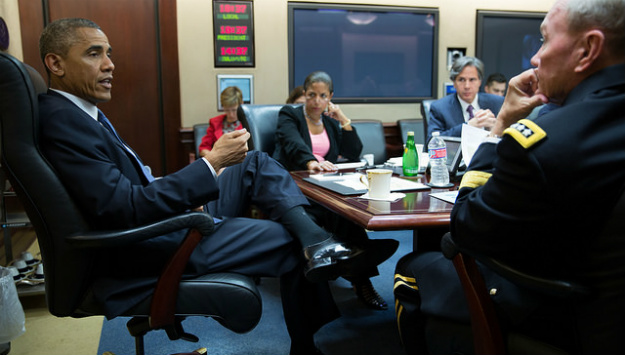
Obama Raises the Bar in Iraq
Paul Salem, MEI’s vice president for policy and research, examines President Obama’s decision to step up US intervention against the Islamic State (also known as ISIS) in Iraq, and what it implies for broader US policy in the region, in this Expert Q&A.
How do you read the import and impact of President Obama’s recent announcements of airstrikes and humanitarian intervention in Iraq?
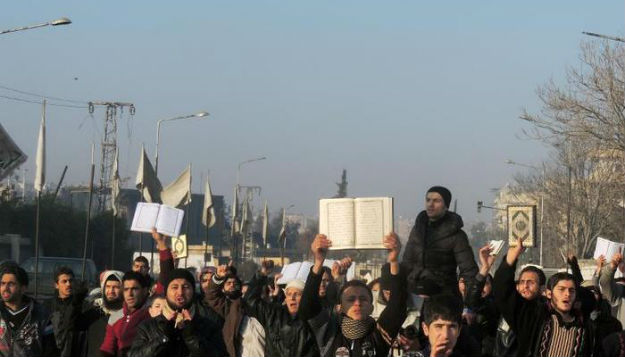
Not Our Kind of Caliph: Syrian Islamists and the Islamic State

Violence and Peace Spoilers in the Southern Philippines
The 27 March 2014 signing of the Comprehensive Agreement on the Bangsamoro (CAB) by the Philippine Government (GPH) and the Moro Islamic Liberation Front was heralded as the start of enduring peace and development in Mindanao. Unfortunately, spoilers opposed to the CAB remain capable of derailing the process. Joseph Franco explains some of the nuances of spoiling efforts as well as the prevailing socioeconomic milieu in the Southern Philippines that sustains latent enablers for sectarian conflict.
Putting Out the Fire in Southern Thailand: An Appeal for Truce Seeking
Observers have struggled to explain ongoing sectarian violence in southern Thailand given that both Thai Buddhists and Malay/Thai Muslims are victims of violence, have historically coexisted peacefully, and share local customs and spiritual traditions. Tim Rackett explores the role of majority and minority ethnic and religious identities in fueling sectarian violence and identifies a way out.
Foreign Fighters in Syria and the Threat of Domestic Terrorism in Europe
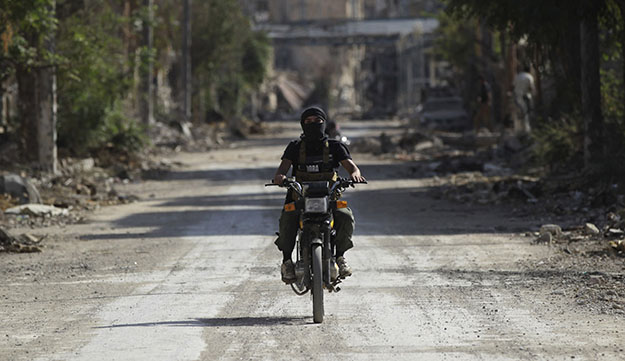
Westerners who have joined the ranks of radical groups fighting in Syria have been likened to time bombs—and in May one of them exploded in Brussels. Belgian police released chilling images from surveillance cameras of the lone gunman’s attack on Brussels’ Jewish Museum in Sablon, a neighborhood of genteel antique stores and chocolatiers.
Turkey and the ISIS Challenge
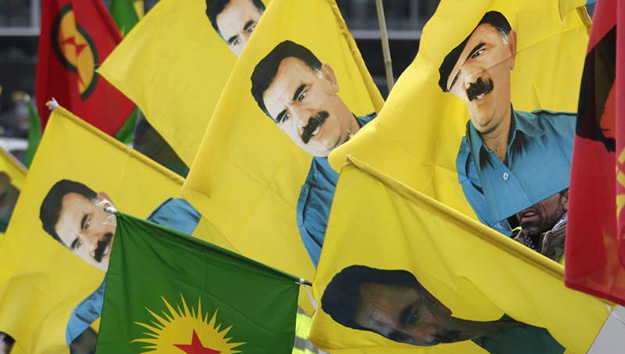
With the Syrian civil war raging and the ISIS offensive in northern Iraq creating a fresh crisis, Turkey now effectively has two failed states on its southern border and is dealing with new security, political, and economic challenges. Gonul Tol, director of MEI’s Turkish Center, explains how Turkey is responding to this predicament.
Reconceptualizing Sectarianism in the Middle East and Asia
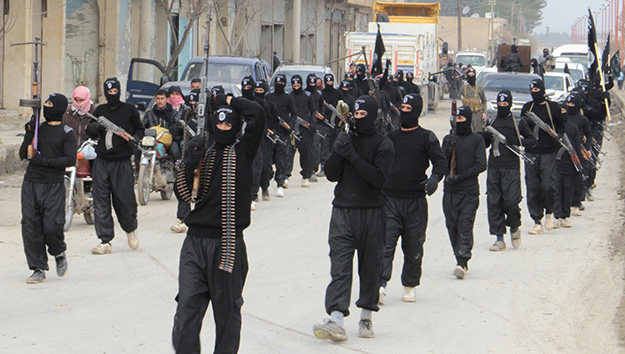
Sectarianism as a concept has gained renewed prominence following an offensive by the Islamic State in Iraq and Syria (ISIS) in early June 2014, which resulted in the fall of Mosul and a string of Iraqi towns. These land grabs have resulted in a flurry of commentaries blaming the conflict on sectarian differences between Iraq’s Shi‘a and Sunnis and predicting the fragmentation of Iraq along sectarian lines. This piece seeks to provide an analysis as to whether sectarianism, in and of itself, is the driving factor behind the renewed conflict in Iraq or the three-year civil war raging in Syria.