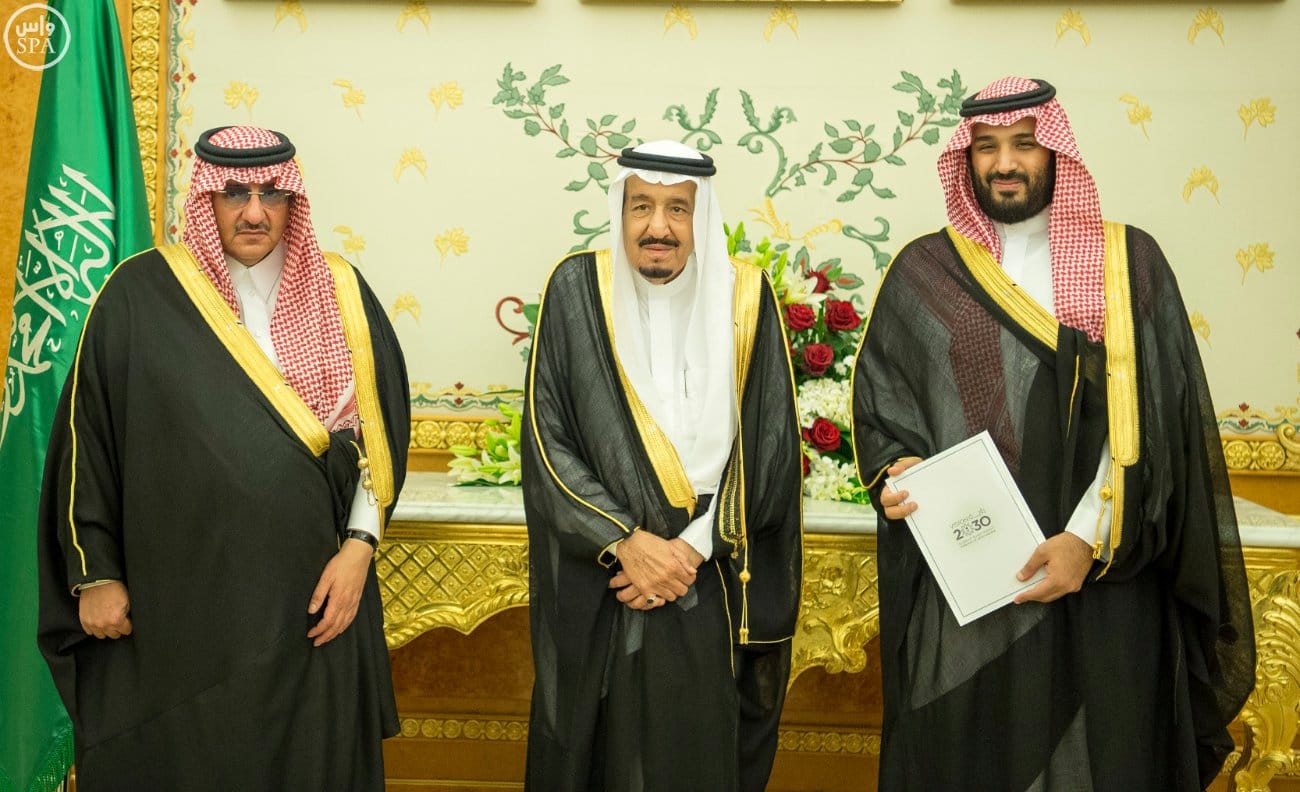
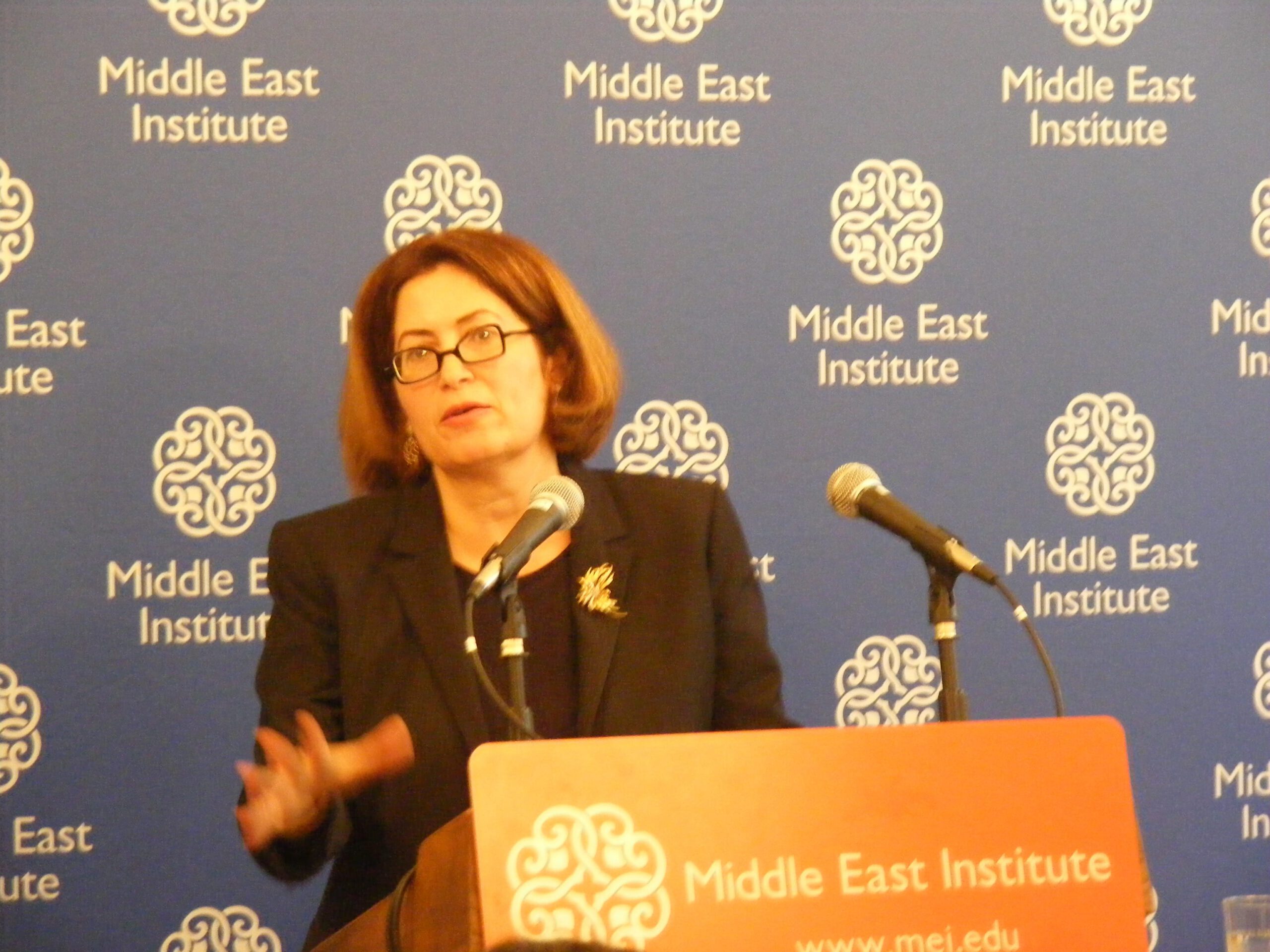
Three months after the release of the Bassiouni report, which documented systematic government abuses of pro-democracy protesters, Bahrain's King Hamad has announced constitutional reforms to increase parliamentary oversight. His announcement has done little to appease opposition forces, however, who contend the reforms do little to address the underlying sectarian inequities in Bahrain. Popular protests continue almost daily and are often met with police violence. In this highly polarized environment, is political compromise possible?
The Arab Spring: Implications for US Policy and Interests
The Middle East Institute is proud to present its first ever policy
paper produced exclusively by MEI scholars. Entitled "The Arab Spring:
Implications for US Policy and Interests," it draws upon the broad
expertise of 25 Middle East Institute scholars to examine the impact of
this year's popular uprisings in the Arab world on a variety of sectors
and issues, including oil and energy, Iran, the peace process, and
democratization and reform.
The Middle East Institute is pleased to host Egyptian journalist Ashraf
Khalil for a discussion of his new book, Liberation Square: Inside the
Egyptian Revolution and the Rebirth of a Nation, and the political
landscape in Egypt on the first anniversary of the revolution. This
book is the first account of the Tahrir Square uprisings from someone
who was on the ground and witnessed the protests firsthand. Ashraf
Khalil will analyze the status quo in Egypt today and reasons for both
The Israeli Peace Initiative (IPI) calls upon the Israeli government to
present a framework for the conclusion of the Israeli-Arab conflict as
a comprehensive response to the 2002 Arab Peace Initiative.
Ilan Peleg and Dov Waxman, authors of the book Israel's Palestinians:The Conflict Within (Cambridge, 2011), discuss their findings. One in five citizens of Israel are Palestinian. Often overlooked by outside observers, the challenges facing the Palestinian minority in Israel are an inseparable part of the Israeli-Palestinian conflict. Resolving this conflict – a central concern of U.S. foreign policy and current international diplomacy – requires more than the establishment of a Palestinian state. The demands of Palestinian citizens of Israel must also be addressed.
Mark N. Katz, examines the impact of the current and future US withdrawals from Iraq and Afghanistan on Islamic radicals. Katz argues that the US withdrawals from both countries will lead radicals to conclude they have defeated the US in the "War on Terror" and that US regional strength is on the decline. This, he argues, will spur Islamic radicals to seek further gains elsewhere. But regardless of the boost to their cause that the withdrawals from Iraq and Afghanistan may provide, they will likely meet three key obstacles in their pursuit of increased power and influence.
Afghanistan: Looking Ahead to the Next Fighting Season
Andrew Exum, Fellow at the Center for A New American Security, assesses the possibility of a new Taliban insurgency in Afghanistan and its ramifications for U.S. strategy there. The past six months have seen some remarkable successes in southern Afghanistan. But if hard-won security gains collapse in the face of a renewed Taliban offensive in 2011, the NATO strategy to secure Afghanistan will be in grave danger. Andrew Exum will discuss the situation in southern Afghanistan as well as how the American public can know whether the strategy is succeeding or failing this summer.
Syria on the Verge: Implications for a Nation in Revolt
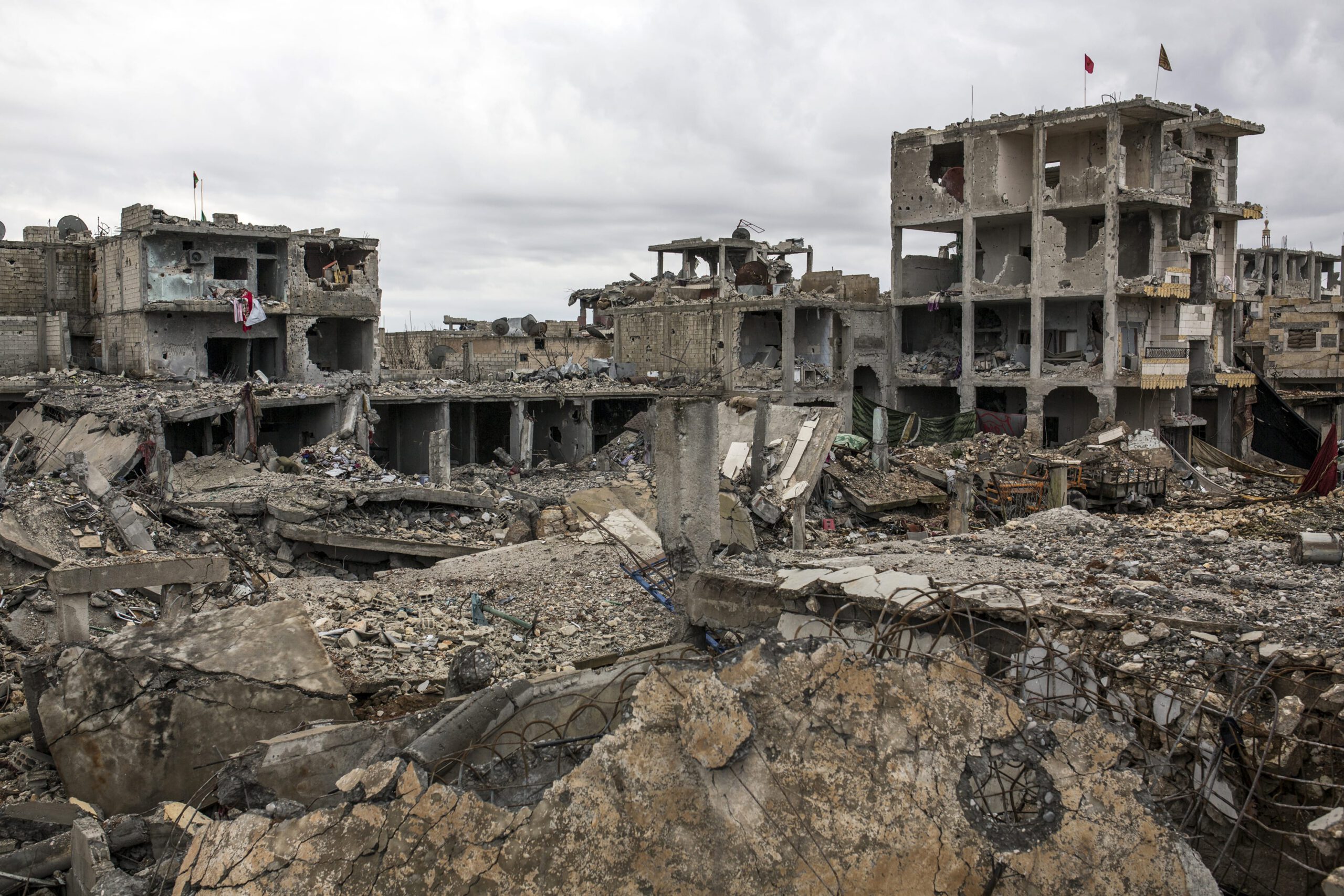
International response has been growing to the violent crackdowns in Syria, yet the government remains mostly unresponsive. Radwan Ziadeh, Ausama Monajed, Amb. Theodore Kattouf, and Andrew Tabler discuss the domestic and regional implications of the ongoing political unrest and violence in Syria.
Center for Turkish Studies Second Annual Conference on Turkey
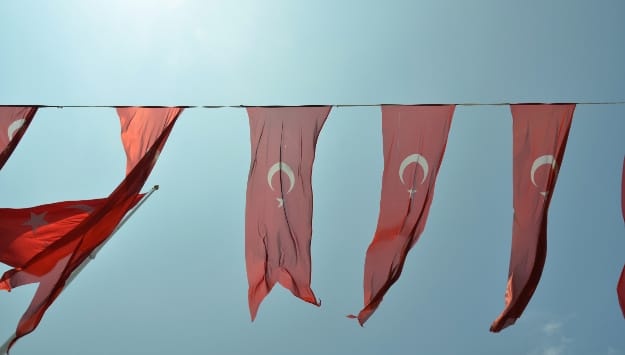
The 2011 Second Annual Conference on Turkey, entitled “Change Within and Beyond and Borders: Turkey’s Domestic and Foreign Policy Agenda,” was organized by the Center for Turkish Studies at the Middle East Institute on June 23rd, 2011 at the University Club. As the Conference coincided with recent important developments in Turkey, especially the general elections, about 300 participants from think tanks, universities, U.S. and foreign government officials as well as private sectors attended the Conference.
Troubled Triangle: The US, Turkey, and Israel in the New Middle East
The trilateral relationship between Turkey, Israel and the United States has deteriorated in recent years as Israel's and Turkey's foreign policy goals in the Middle East continue to diverge. Despite repeated attempts, the United States has failed to reconcile these two important regional allies since the divisive Mavi Marmara incident in May 2010. MEI and The Stimson Center held a discussion of this critical yet troubled trilateral relationship in a time of unprecedented change in the Middle East featuring Prof. William B. Quandt, Edward R.
The Middle East Institute is proud to host Geoffrey Kemp, an expert in US policy in the greater Middle East, for a discussion of his new book The East Moves West: India, China, and Asia's Growing Presence in the Middle East. Professor Kemp will be discussing the manner in which the Asian presence in the Middle East is growing because of the economic outreach of India, China, Japan, South Korea and other Asian countries. He will also address the place of American military power in this new regional alignment.
MEI scholar Randa Slim led a discussion about Hezbollah and its reaction to shifting regional dynamics in the wake of the Arab Spring. Although Lebanon has not experienced the same levels of unrest as its neighbors, Hezbollah is not immune from the regional instability resulting from the revolutions roiling the Middle East. Hezbollah is currently the principal orchestrator of a new governing coalition that is rife with internal divisions.