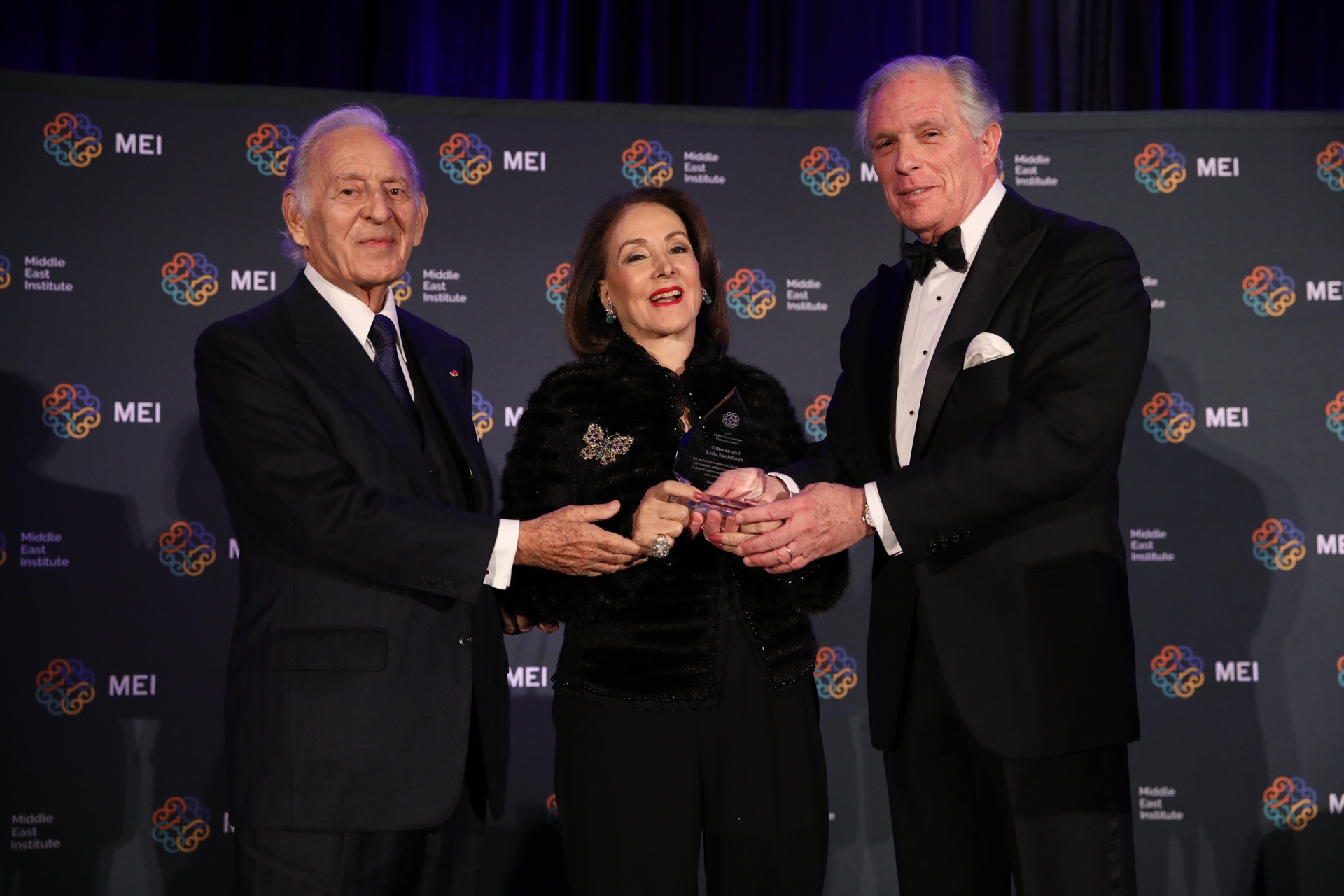
Othman & Leila Benjelloun receive 2019 MEI Visionary Award
Philanthropists Othman & Leila Benjelloun received the 2019 Middle East Institute Visionary Award at MEI’s 73rd Annual Awards Gala on November 12 in Washington, DC.
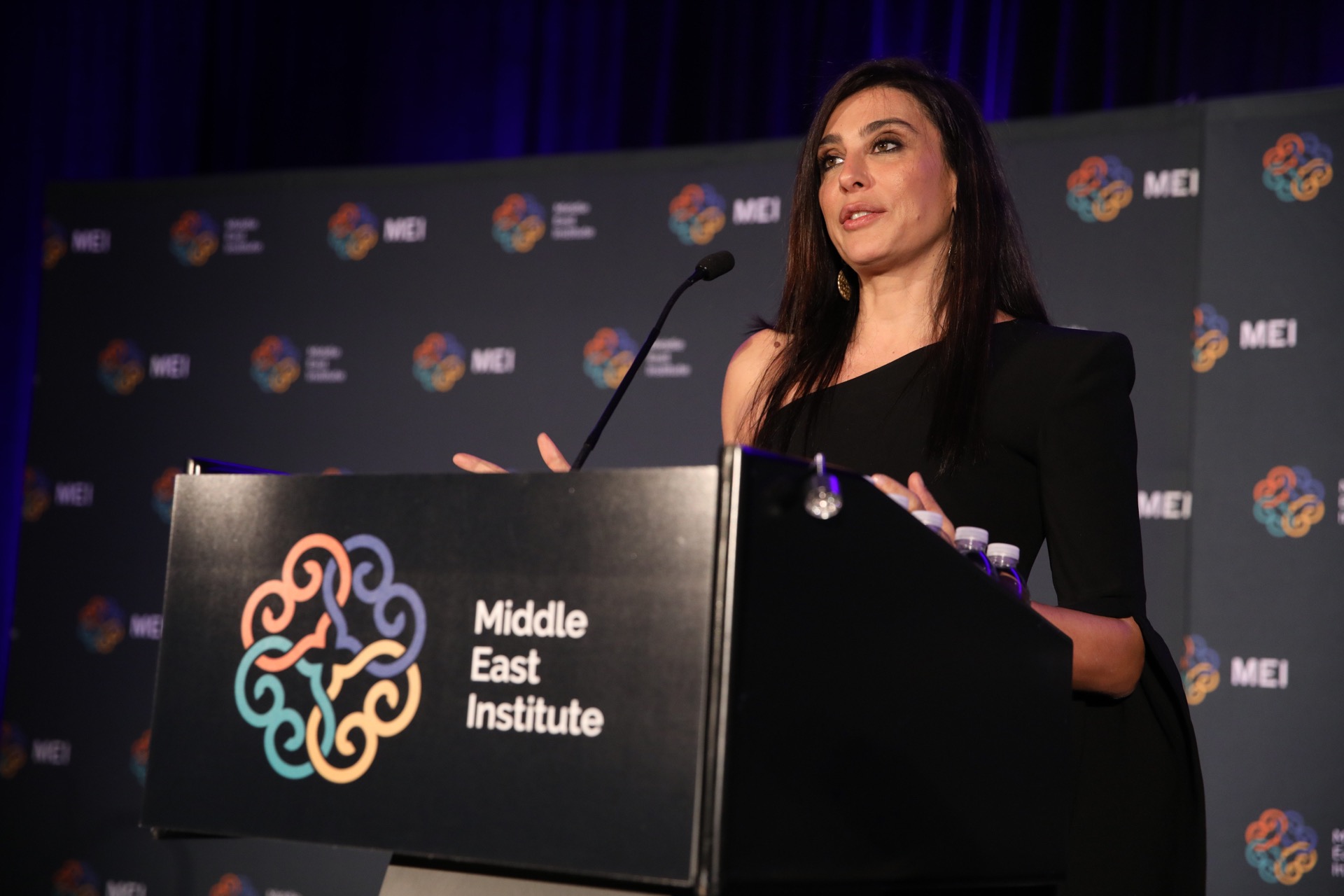
Nadine Labaki receives 2019 Issam M. Fares Award for Excellence
Oscar-nominated Lebanese film director Nadine Labaki received the 2019 Issam M. Fares Award for Excellence at MEI’s 73rd Annual Awards Gala on November 12 in Washington, DC.
Only African Union Steps Up for Democracy in Sudan
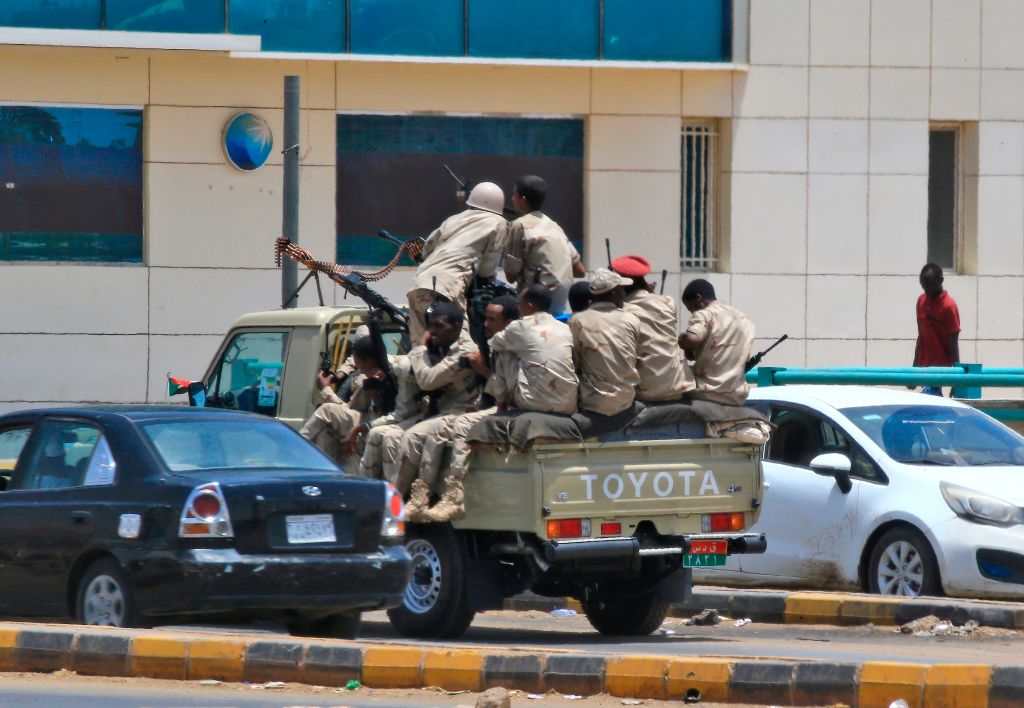
The military council in Sudan turned from talks to terror this week as it broke off negotiations with protestors. This left over a hundred civilians dead and many more injured.
In 2014, a professor and former U.S. diplomat approached The Middle East Institute (MEI) with a remarkable offer: he would donate to MEI’s Oman Library nearly 20,000 meticulously annotated Kodachrome slides of photographs he had taken throughout the Middle East over half a century.
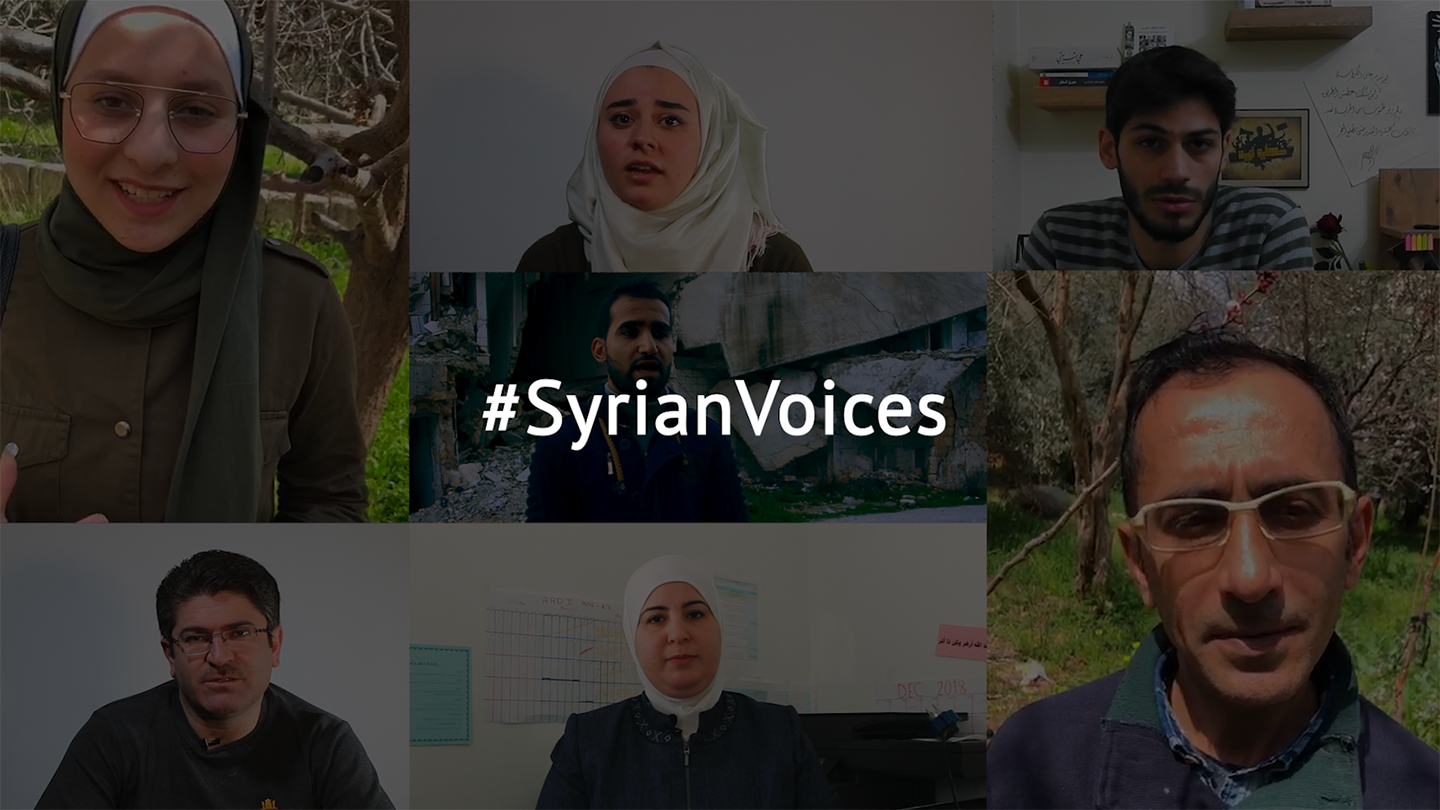
The Voices of Syria project is an undertaking by the Middle East Institute, in partnership with Syrian civil society, to better inform the general public and to guide policymakers toward a more holistic view of the situation in Syria by leveraging the voices of the unheard and their hopes and aspirations.
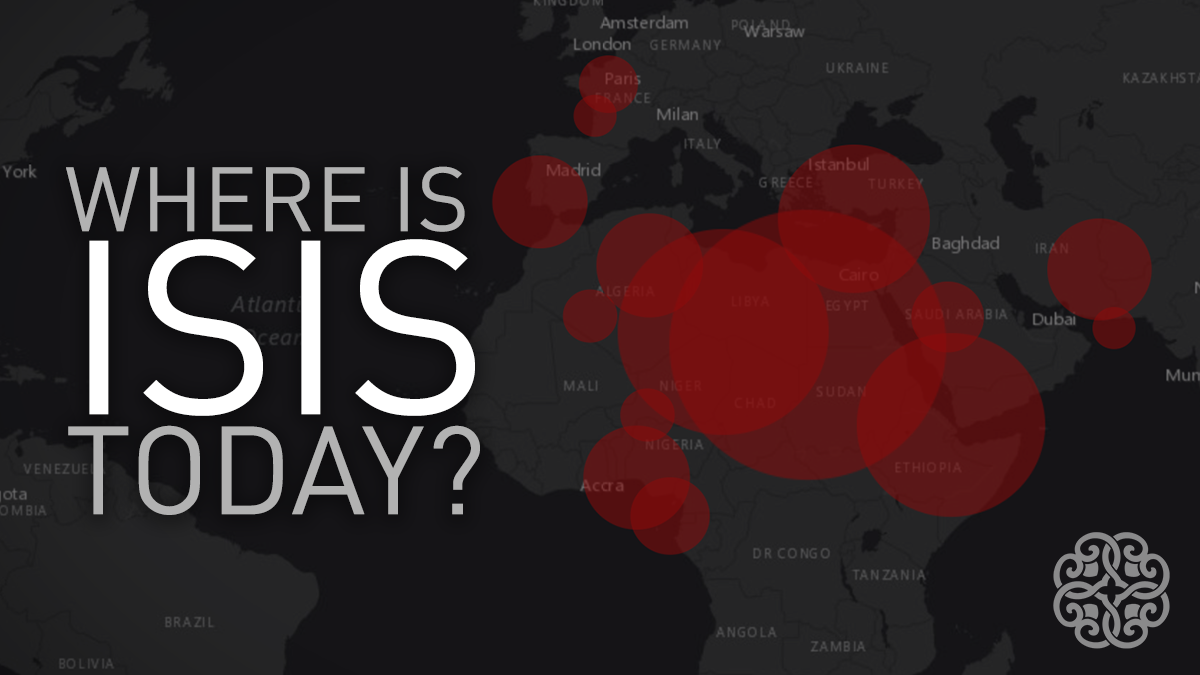
Where is ISIS today? | The end of the ISIS Caliphate
ISIS’s self-proclaimed Caliphate in Syria and Iraq came to an end on March 23, when the Syrian Democratic Forces, backed by the U.S.-led international coalition, liberated the town of Baghouz after a tough six week battle. In some respects however, the military victory against ISIS was the easy part.
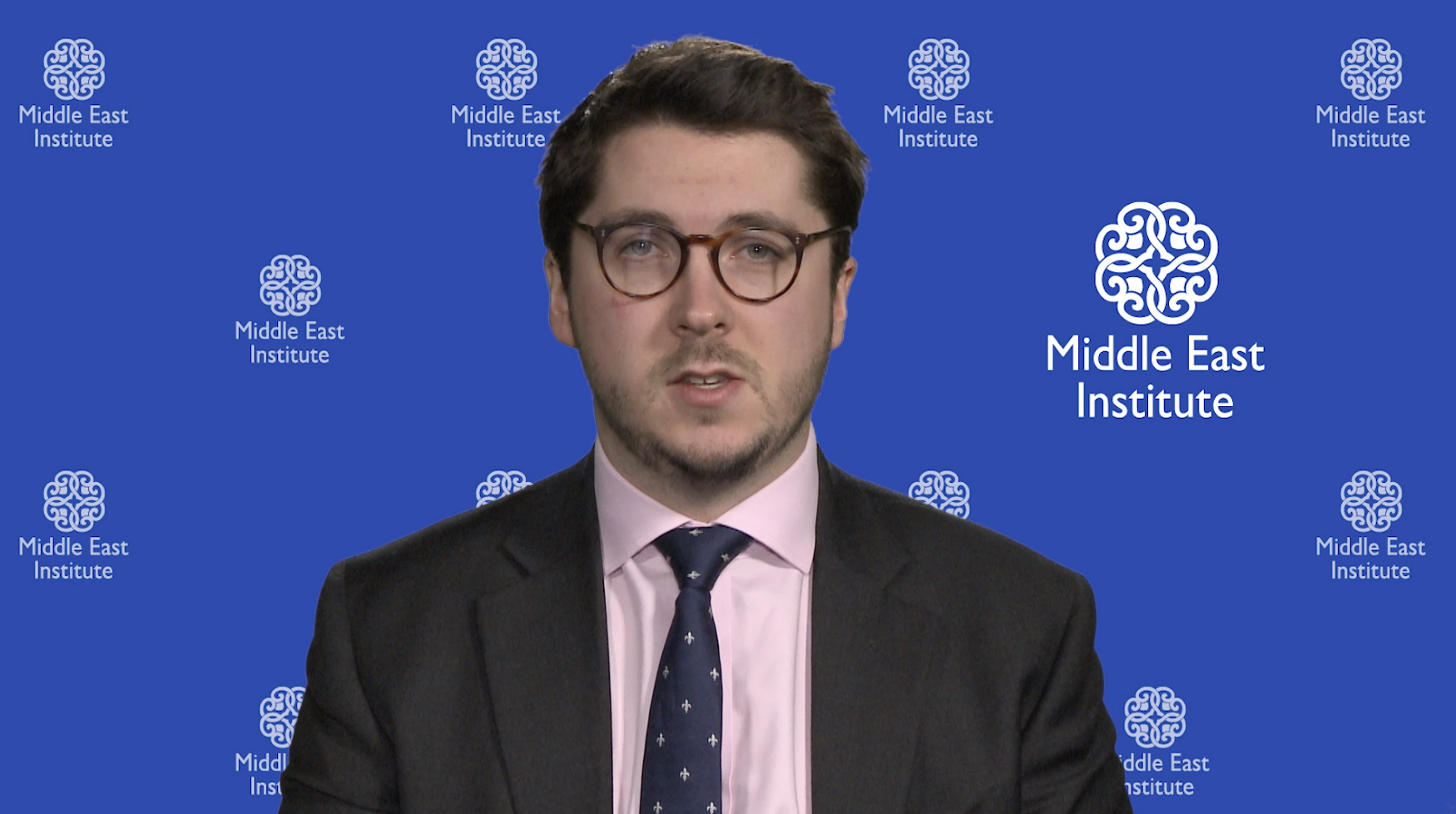
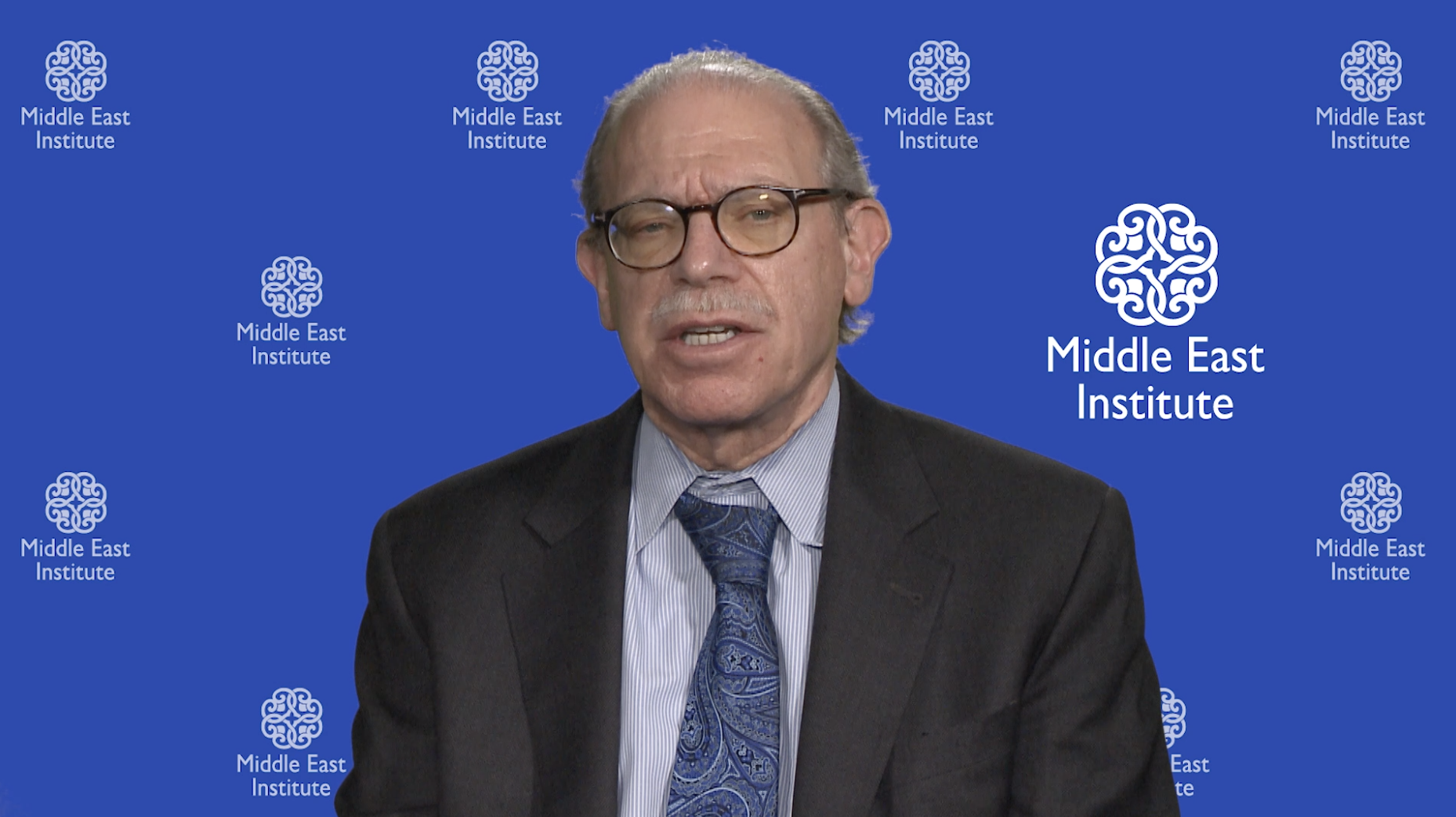
Gerald Feierstein, MEI’s senior vice president, discusses the context of the resignation and its implications for Iran’s foreign policy, including the nuclear deal, as well as for its domestic politics.
After years of international intervention, ISIS was routed from its Iraqi stronghold in Mosul and from its so-called capital in the Syrian city of Raqqa last year. However, the group remains dangerous both in the region and globally. Charles Lister discusses how ISIS is operating today, and what the international community must do to combat it.
Home to twelve of the world’s driest countries, the Middle East faces a growing water crisis threatening agriculture and regional security. How are governments responding, and what more needs to be done to mitigate the affects of water scarcity?
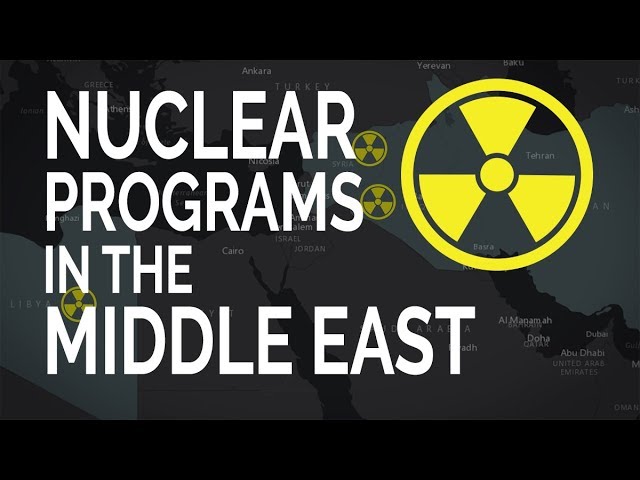
The Middle East is going nuclear, and not just Iran. As several countries across the region pursue nuclear programs to meet soaring domestic energy demands, the risk of nuclear proliferation also increases. MEI’s Bilal Saab explains the security risks.
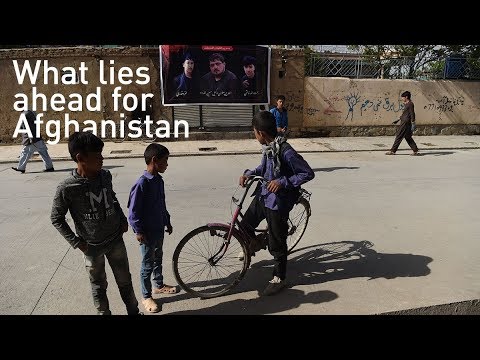
What lies ahead for Afghanistan: the various scenarios
The way forward in Afghanistan seems as unclear as it has ever been. An outright military victory against the Taliban and other insurgent groups appears to be unachievable. The prospect of insurgents overrunning the country soon appears similarly unlikely. At the same time, a negotiated peace seems presently improbable. At least on terms outlined by the Kabul government and international community, the Taliban shows little interest in reconciliation.
Resistance at 70: the future of the Palestinian national movement
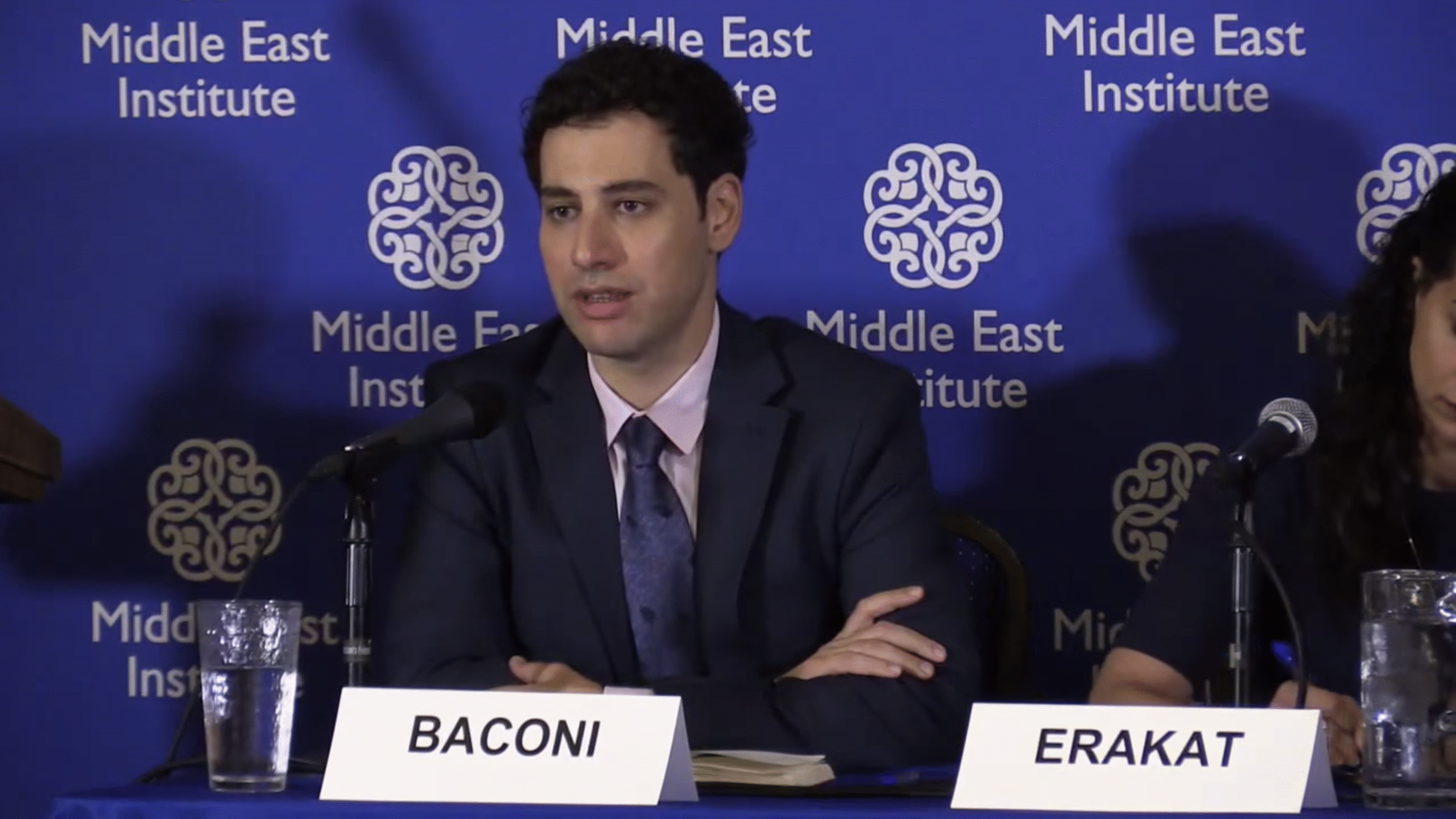
Seventy years after the Nakba, the Palestinian dispossession and exile that accompanied the establishment of the State of Israel in 1948, Palestinians today remain stateless. Their prospects for securing collective or individual rights are bleaker than they have been for decades. Alongside the international and regional developments that are undermining their quest for self-determination, Palestinians are also on the cusp of a leadership change that could have far reaching implications for their collective future.