Over the past several weeks, the Houthis have seized the port city of Mokha, Yemen’s western coastline, and several islands in the Bab el-Mandeb Strait, and they are now massing around Marib and Taiz in the first major frontline shift since 2022. MEI Associate Fellow Nadwa Al-Dawsari joins host Matthew Czekaj to unpack the latest developments. Together, they discuss what has allowed the Houthis to advance against Yemeni government forces, the role the militant group plays in Iran’s regional strategy, and what it will take to contain the threat.
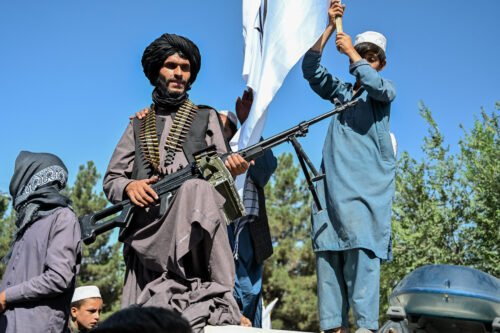
I was a teenage Afghan refugee in Pakistan’s tribal areas when the Twin Towers fell. Almost nobody around us understood the politics of what had happened, but we knew that something had changed for good. Afghanistan, which until then had been our private tragedy and our first exile from Taliban rule, had suddenly become the world’s concern, with the United States leading the response.
Though it has fallen out of the headlines because of the Iran war, Syria has had a dramatically consequential summer. Hosts Alistair Taylor and Matthew Czekaj are joined by MEI Senior Fellow Charles Lister to take stock of recent developments: the dissolution of the Kurdish-led Syrian Democratic Forces, Israeli strikes and the friction with Turkey they have exposed, the standoff in Sweida, as well as Damascus’s bid to turn Syria into a trade corridor between the Mediterranean and the Gulf. Is the transition consolidating or fragmenting nearly two years after the fall of the Assad regime?
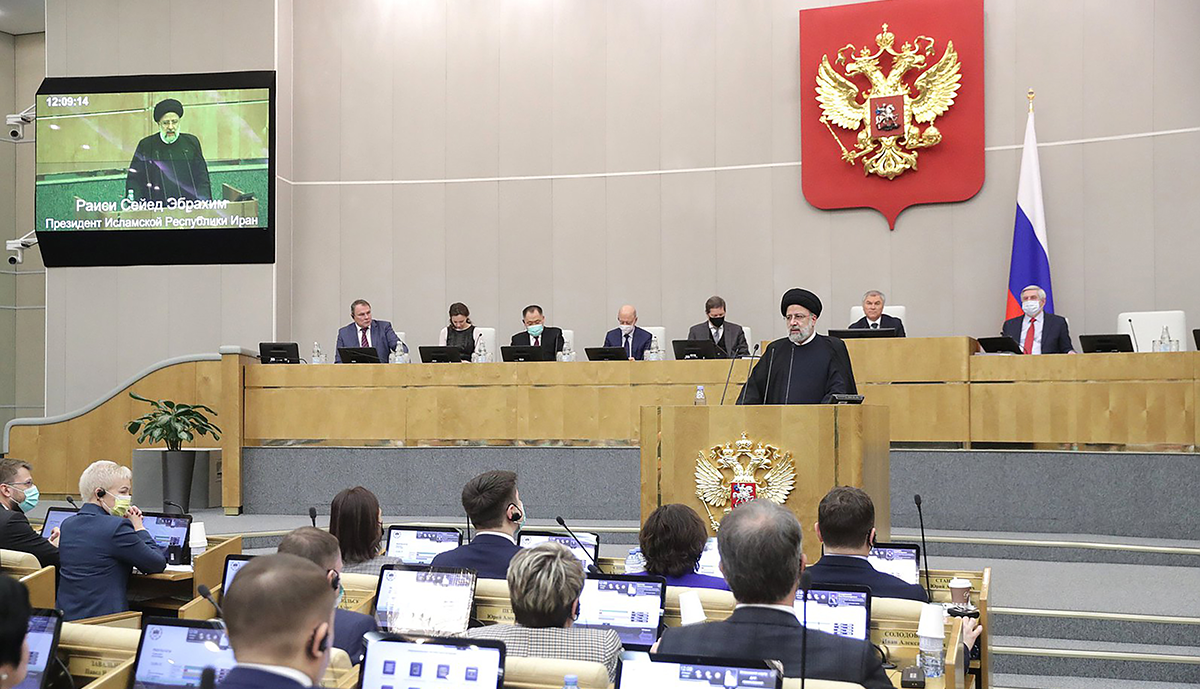
Russia doesn't see Israel as a preferred strategic partner over Iran
Iranian observers argue that Russia is willing to sacrifice Iranian interests when expedient, and some might even think that Russia is pivoting toward Israel in its Middle East policy. Nonetheless, the big picture of Russo-Iranian relations over the last decade reveals security cooperation between Tehran and Moscow that stands on a strong and reliable foundation, with both countries benefitting.
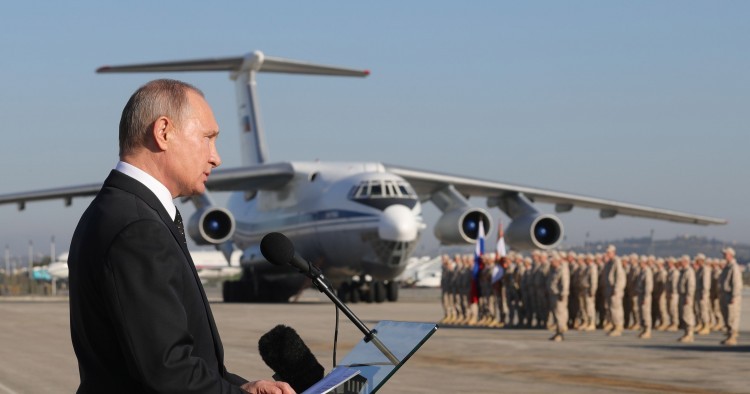
Is the Middle East next on Putin’s agenda? What the US can do to prepare
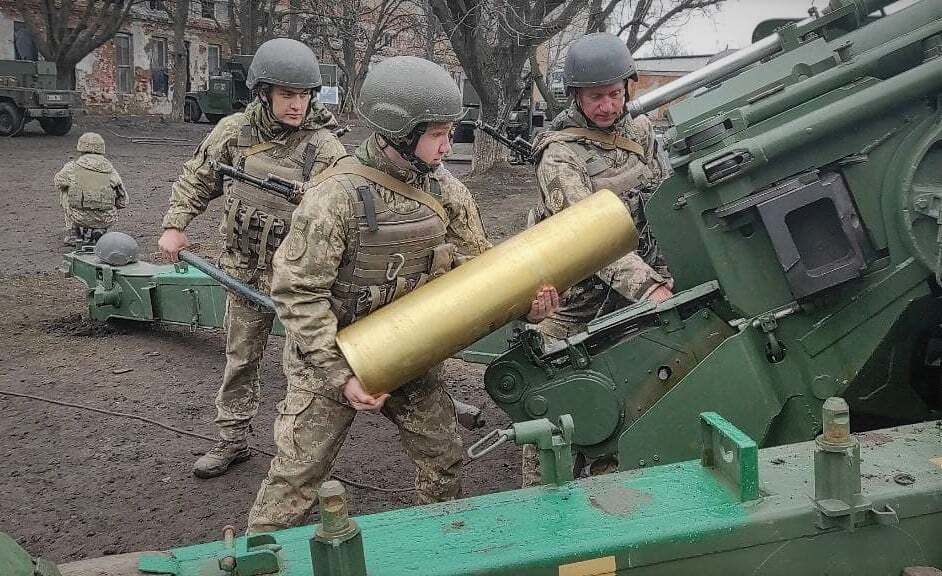
Conventional wisdom has it that the conflict in Ukraine will lead the U.S. to bolster its military presence along NATO’s boundary in Eastern Europe, with a concomitant downscaling in the Middle East. While presenting a robust front in support of NATO is of course critical, it would be a mistake to do so at the expense of the U.S. military presence in the Middle East at a time when it appears likely that Russian President Vladimir Putin has chosen the region as the venue for the next moves in his campaign to marginalize the U.S.
The new face of war: Devastating drone attacks in Ukraine have implications for the US military in the Middle East
In dramatic video coverage currently going viral on YouTube and TikTok, Ukrainian drones are seen to destroy a Russian convoy, with startling speed — and total impunity. The story of how destructive such drone attacks are proving to be was picked up by several U.S. papers, and brought to light the capability of the Turkish-made Bayraktar TB2 drone. Despite its emergence as an inanimate hero of the Ukraine conflict, the story of the TB2, and its employment by various actors over the last three years, brings with it a dire warning for the U.S. military.
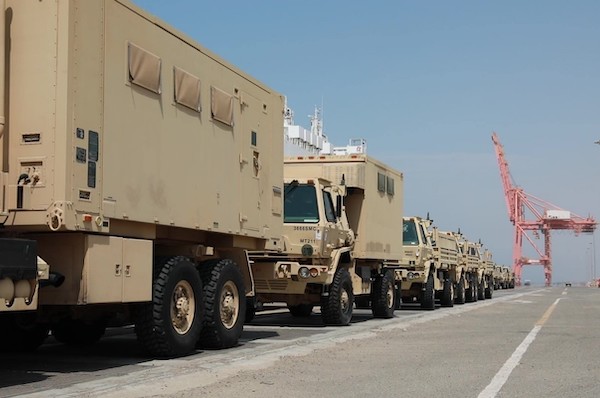
Integrating logistics and engineering into Middle East deterrence
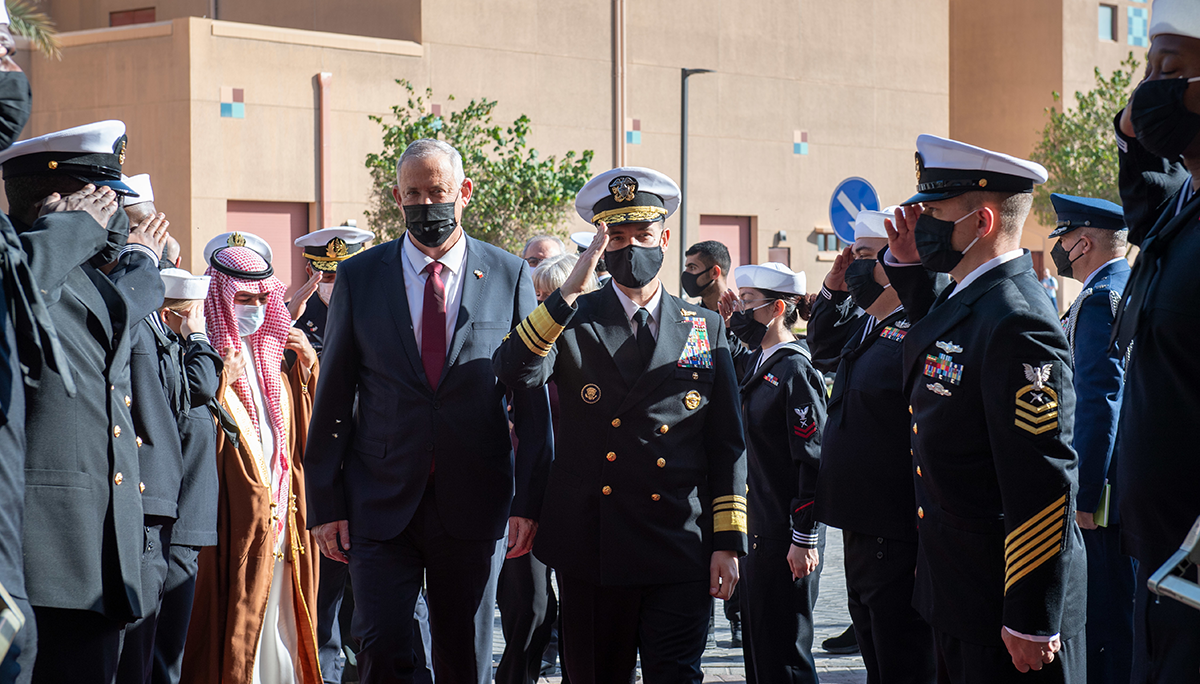
As the Pentagon funnels more military assets and capabilities into the U.S. Indo-Pacific Command theater, U.S. commanders in the Middle East must now adjust their strategy using an economy of force approach. They need to achieve security and deterrence outcomes by proverbially “doing more with less,” including considering new and creative approaches to achieving results for regional deterrence, such as integrating theater logistics and engineering capabilities more prominently into the deterrence campaign.
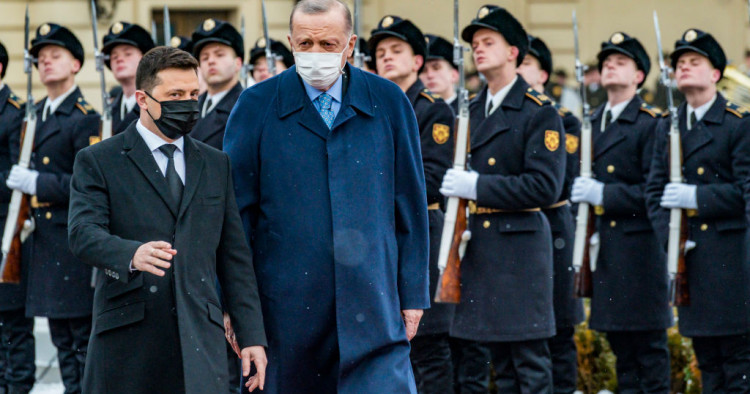
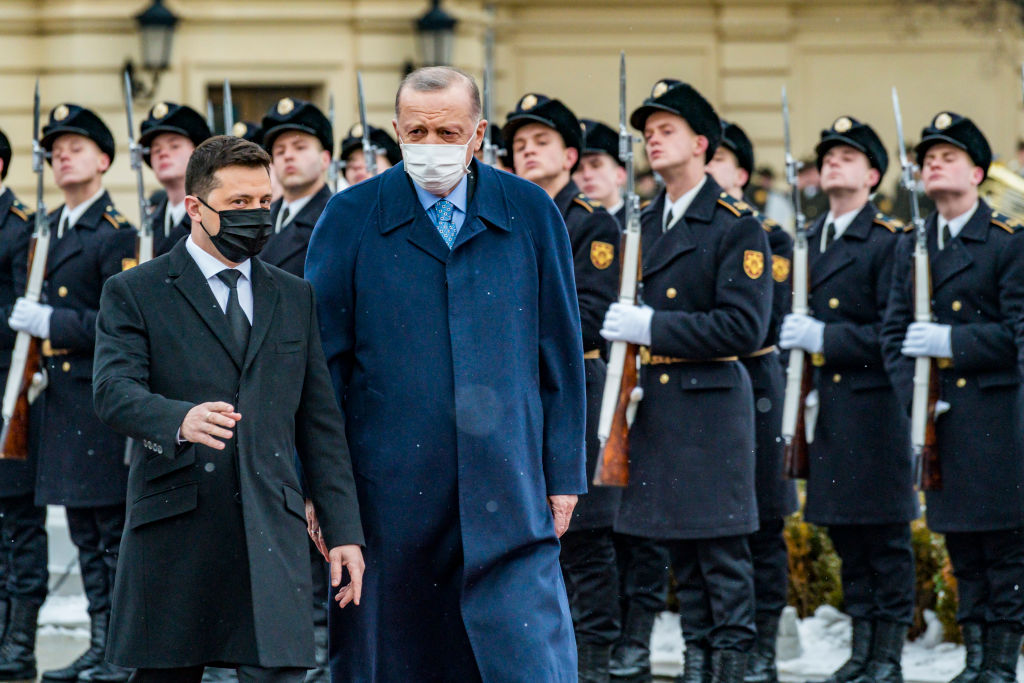
Neither East nor West: Turkey’s calculations in the Ukraine crisis
The crisis in Ukraine, from the perspective of Ankara, carries significant risks, but also some opportunity. It is neither a crisis of their own making, nor one that they welcomed; nevertheless, Ankara has clearly developed a basic blueprint for weathering the storm. From the perspective of Washington policymakers, their strategy is likely to hold more frustration than reassurance.
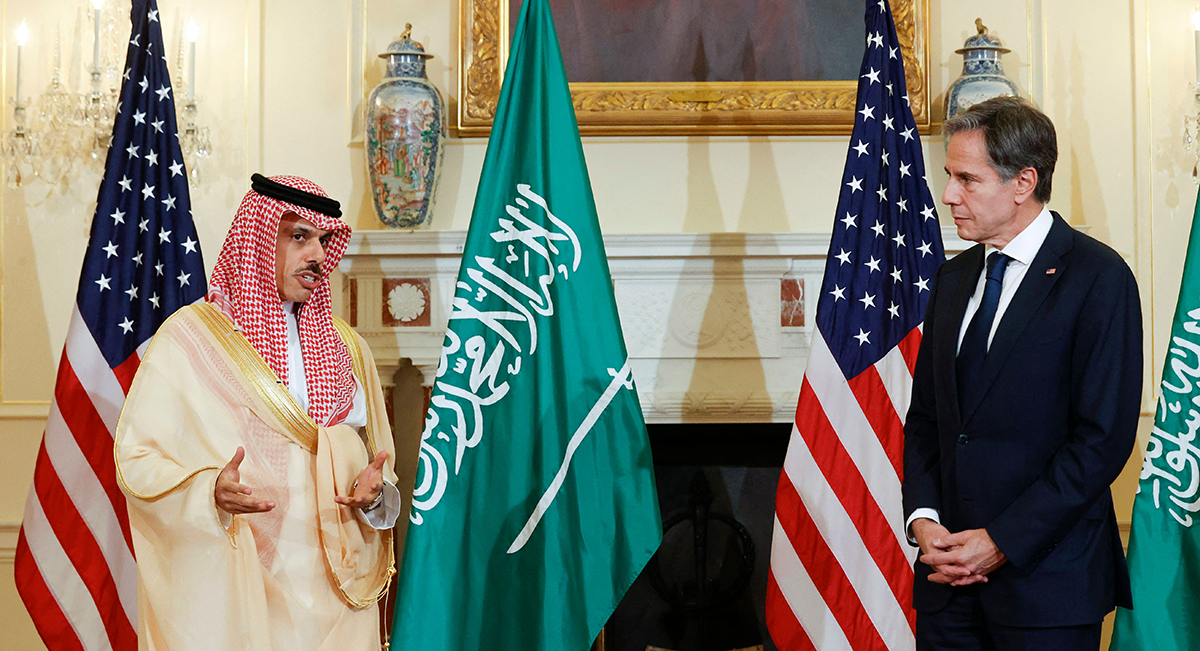
Through the vehicle of defense reform, the Biden administration has an opportunity to engage the Saudis on critical national security matters while safeguarding U.S. strategic interests and honoring American values.
Thanks to Iran, Israel emerges stronger as the US shifts its focus away from the Middle East
The U.S. is disengaging from the Middle East as it shifts its focus elsewhere, a move widely perceived within the region as a sign of a coming American departure. Many in Israel were concerned that this would strengthen Iran and its influence in the region. Instead, it is Israel that has emerged stronger.
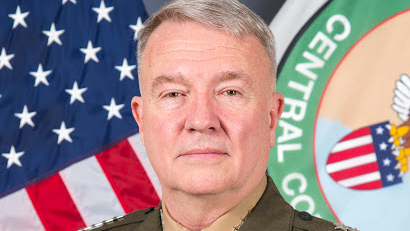
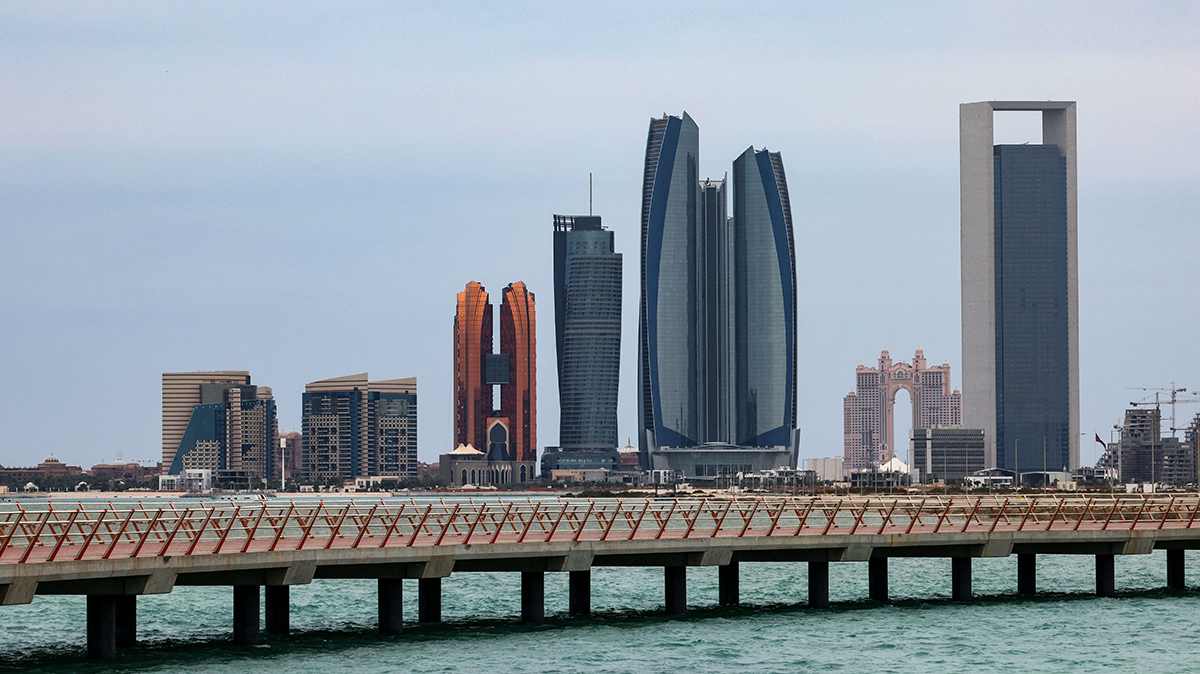
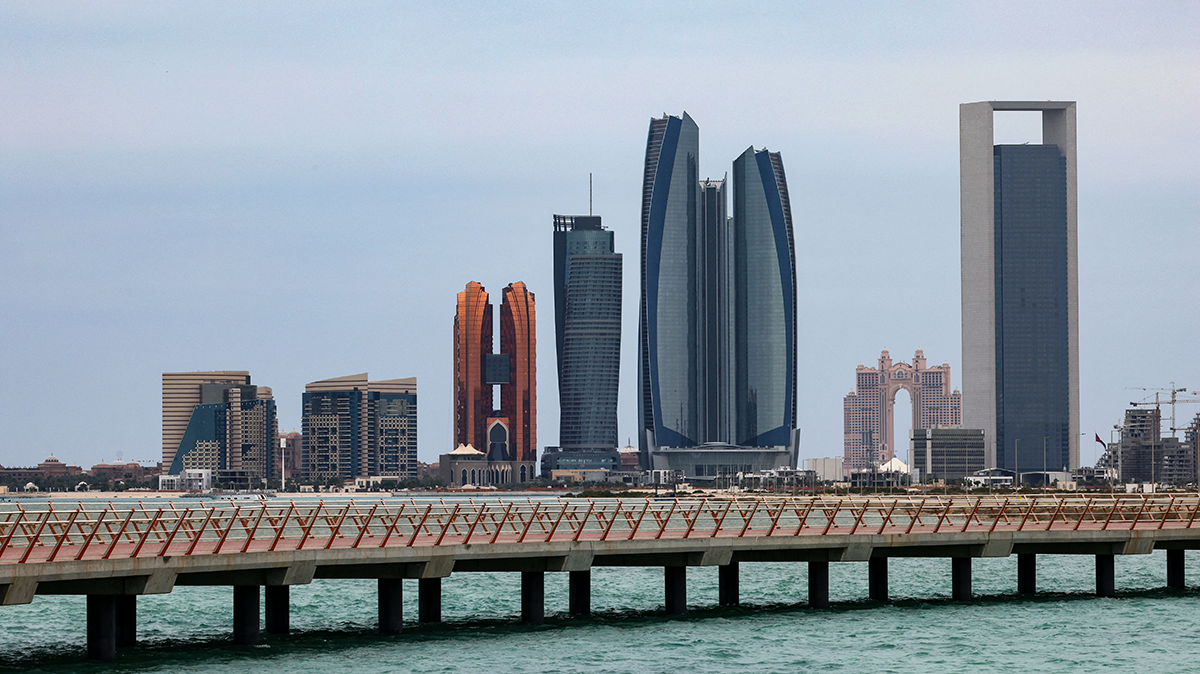
في 24 يناير/كانون الأول، أصدرت القيادة المركزية الأمريكية (CENTCOM) بيانًا أكدت فيه أن “القوات الأمريكية في قاعدة الظفرة الجوية، بالقرب من أبو ظبي في دولة الإمارات العربية المتحدة، اعترضت صاروخيين متجهين للداخل بالاستعانة بعدة صواريخ باتريوت اعتراضية بالتزامن مع جهود القوات المسلحة الإماراتية في الساعات الأولى من صباح 24 يناير 2022. نجحت الجهود المشتركة في منع كلا الصاروخين من إصابة القاعدة.
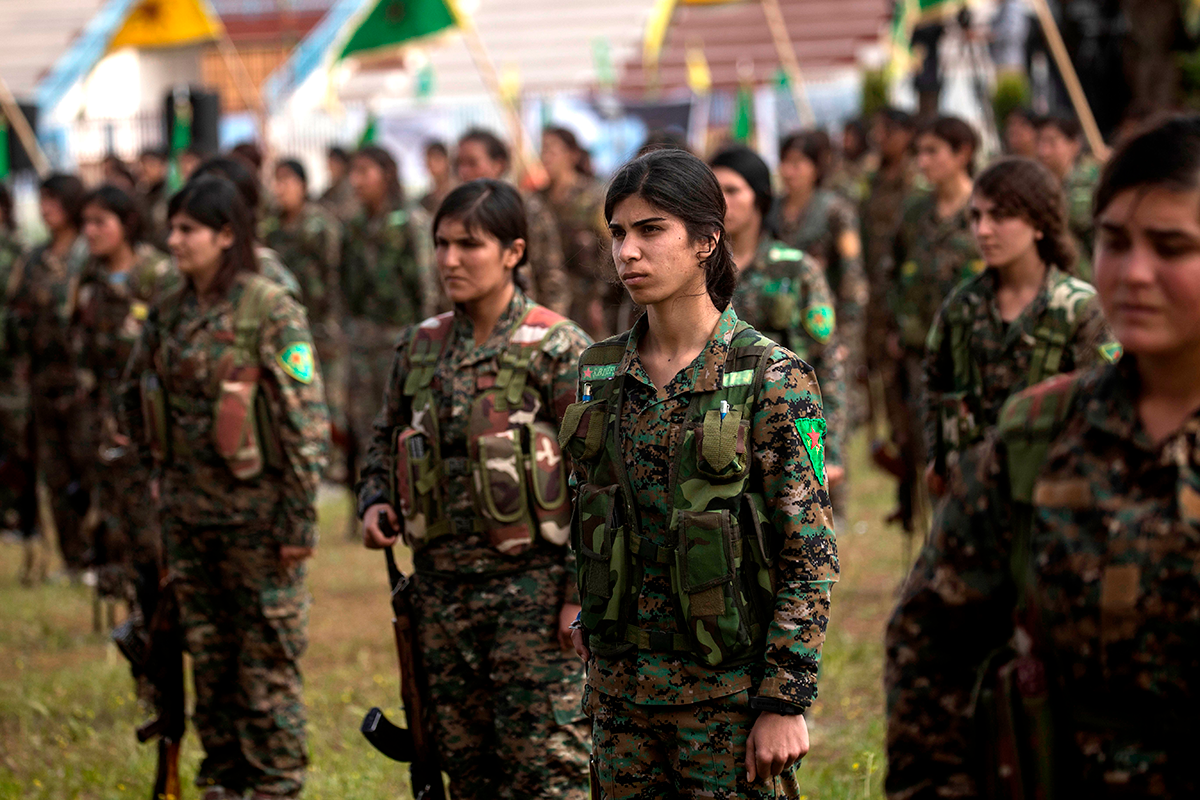
Reassessing women’s role in peace and security in the Middle East
When addressing security challenges in the Middle East, the United States must re-examine how it engages with and views women’s potential security contributions.
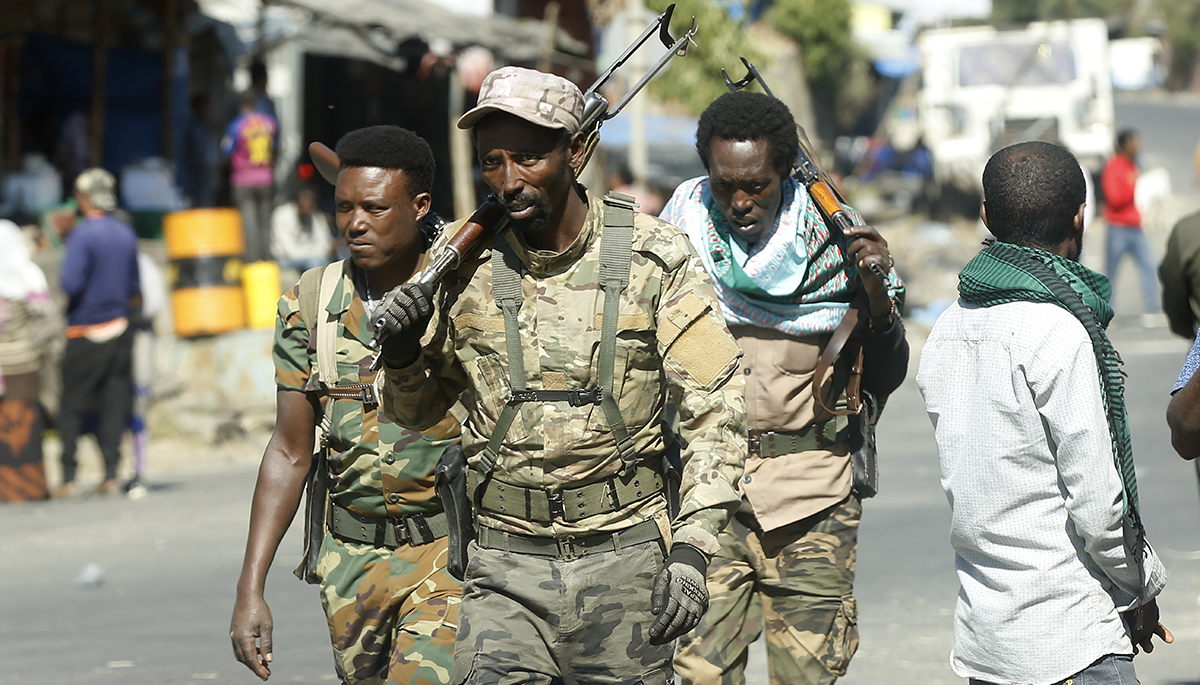
Iran to remain a key partner for Ethiopia in the Tigray conflict
Ethiopia is Iran’s gateway to the Horn of Africa and the broader East Africa region. By helping Ethiopia in its ongoing conflict with the rebel Tigray Defense Forces, which represent the Tigray ethnic minority, Iran is preserving its so-called strategic depth in the region to bolster its influence.
What these attacks and many others in the region have in common is Iran’s irrefutable involvement. They may have different local contexts and their perpetrators, all loyal to Iran, may have different motivations, but every single one of those attacks was possible only because Iran provided either the weapons or the know-how to assemble and use them.
The oldest peer-reviewed publication dedicated to the study of the modern Middle East, MEI’s flagship journal covers politics, society, and culture in the region.