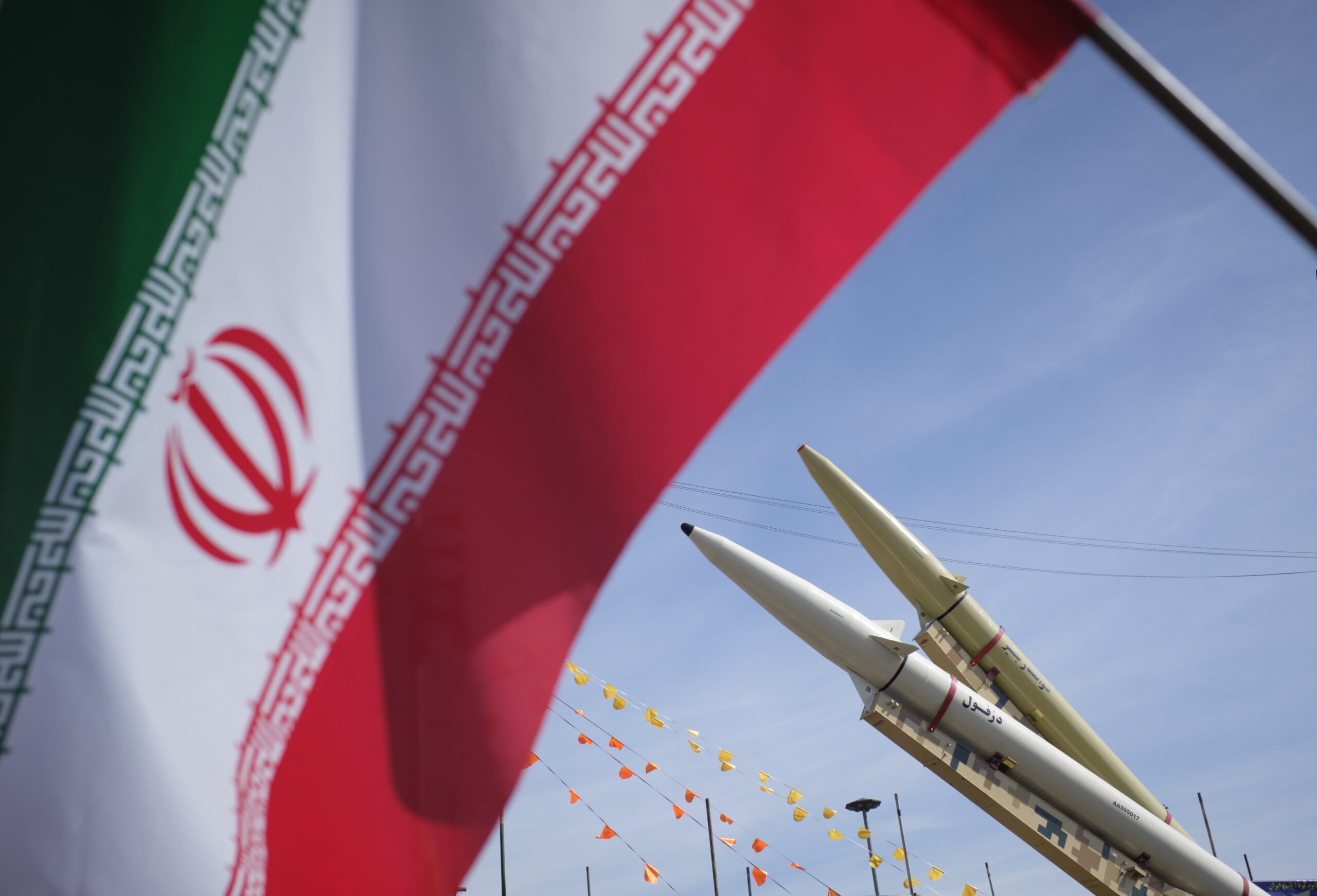
Over the past several weeks, the Houthis have seized the port city of Mokha, Yemen’s western coastline, and several islands in the Bab el-Mandeb Strait, and they are now massing around Marib and Taiz in the first major frontline shift since 2022. MEI Associate Fellow Nadwa Al-Dawsari joins host Matthew Czekaj to unpack the latest developments. Together, they discuss what has allowed the Houthis to advance against Yemeni government forces, the role the militant group plays in Iran’s regional strategy, and what it will take to contain the threat.
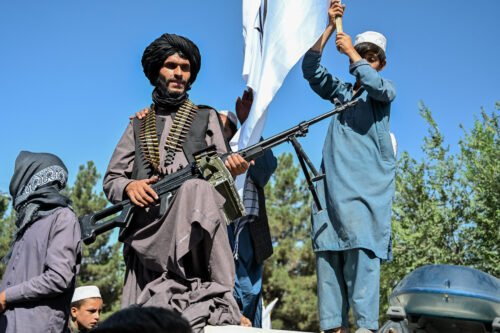
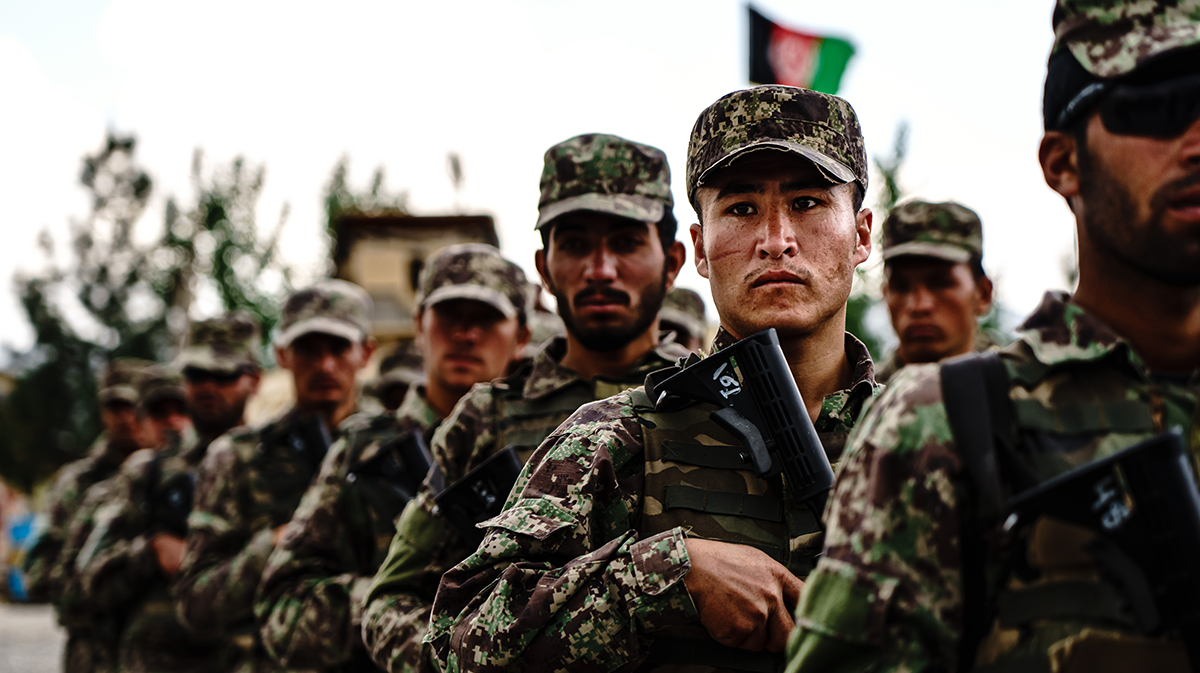
I was a teenage Afghan refugee in Pakistan’s tribal areas when the Twin Towers fell. Almost nobody around us understood the politics of what had happened, but we knew that something had changed for good. Afghanistan, which until then had been our private tragedy and our first exile from Taliban rule, had suddenly become the world’s concern, with the United States leading the response.
Though it has fallen out of the headlines because of the Iran war, Syria has had a dramatically consequential summer. Hosts Alistair Taylor and Matthew Czekaj are joined by MEI Senior Fellow Charles Lister to take stock of recent developments: the dissolution of the Kurdish-led Syrian Democratic Forces, Israeli strikes and the friction with Turkey they have exposed, the standoff in Sweida, as well as Damascus’s bid to turn Syria into a trade corridor between the Mediterranean and the Gulf. Is the transition consolidating or fragmenting nearly two years after the fall of the Assad regime?
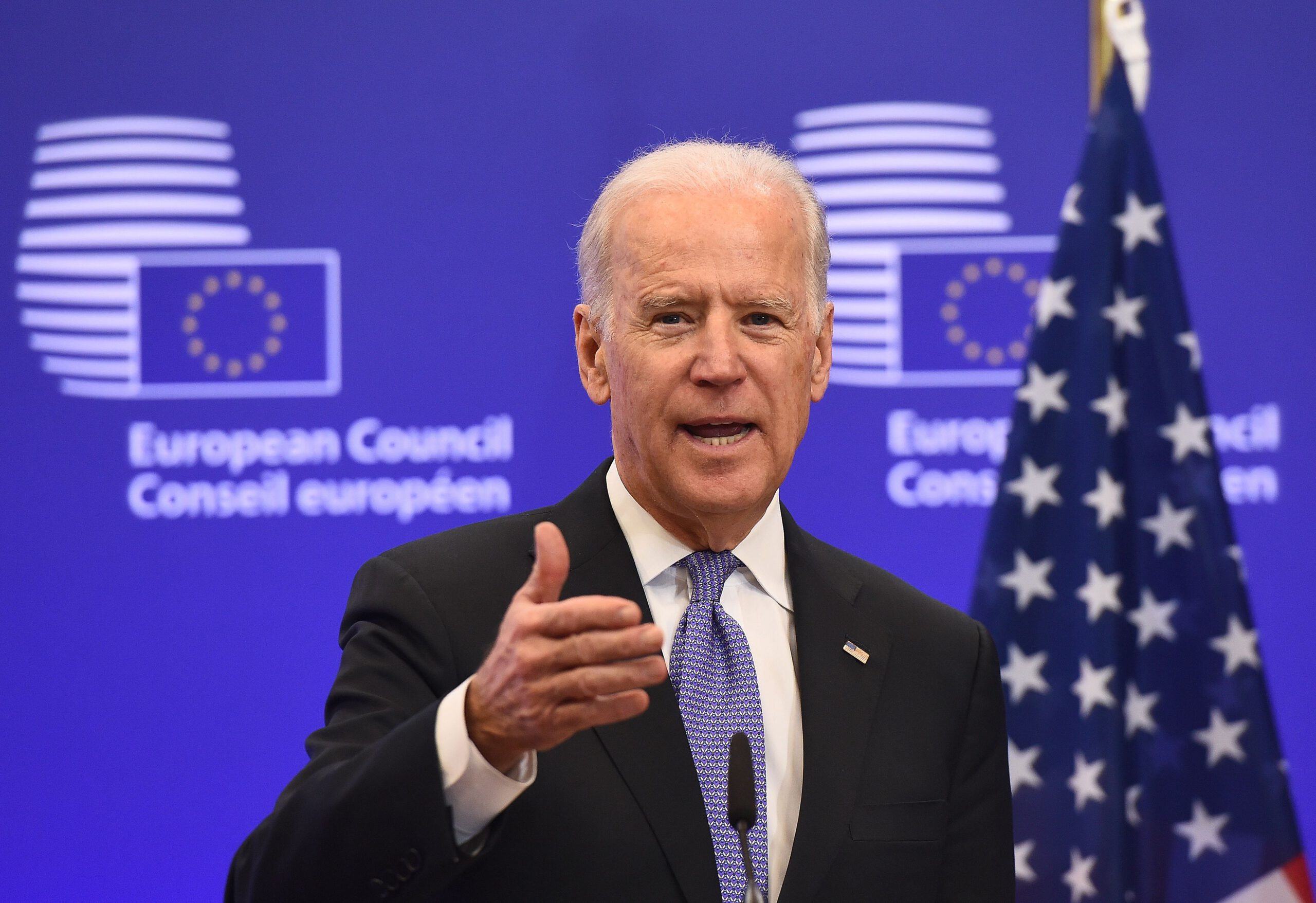
One of US President Joe Biden’s top foreign-policy priorities is to rebuild America’s alliances and partnerships, which are vital to US strategic interests and international security. Yet to ‘pick up the pieces of Donald Trump’s broken foreign policy’, as Biden tweeted in January 2020, will require a great deal of effort given the harm that his predecessor inflicted on the country’s reputation as a partner of choice.
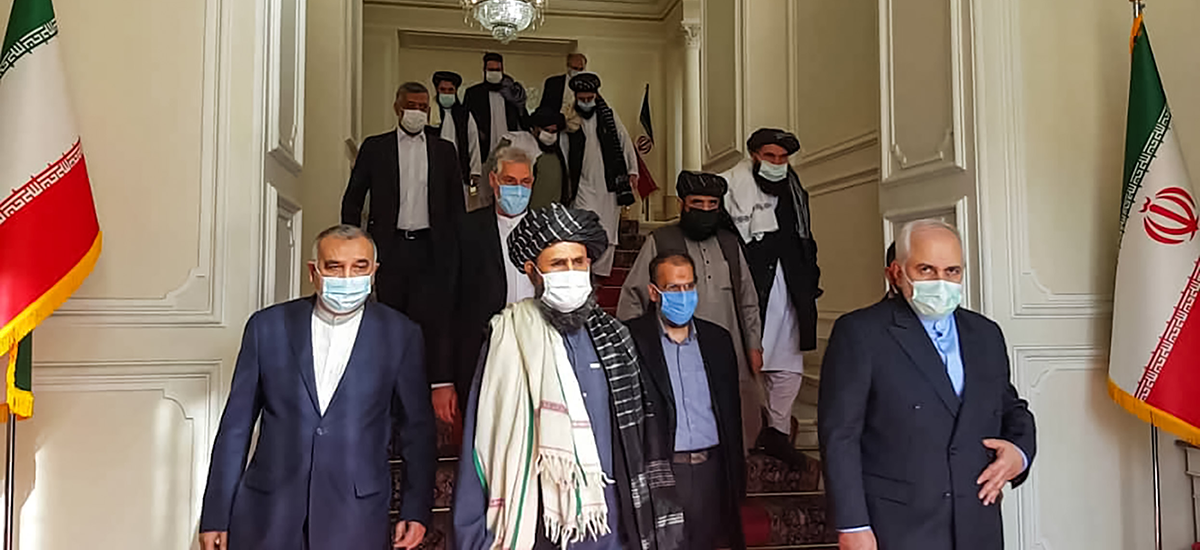
the years leading up to the U.S. invasion of Afghanistan, the Taliban had strained relations with Iran. Tensions between the two sides escalated to the point that the Iranian government and the Quds Force actually assisted American forces during the 2001 U.S.-led invasion.
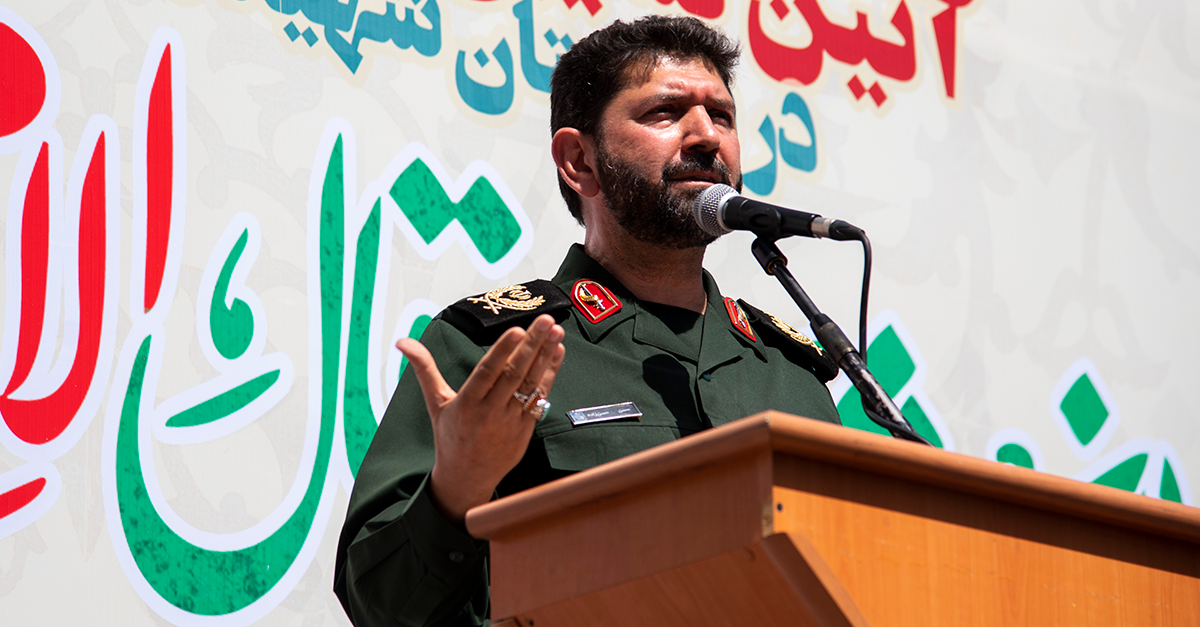
Tehran’s policy toward the Afghan Taliban has created new clashes within Iranian government circles. These clashes recently escalated as influential hard-line media and associates of the Islamic Revolutionary Guard Corps (IRGC) made public efforts to portray the Taliban in a positive light.
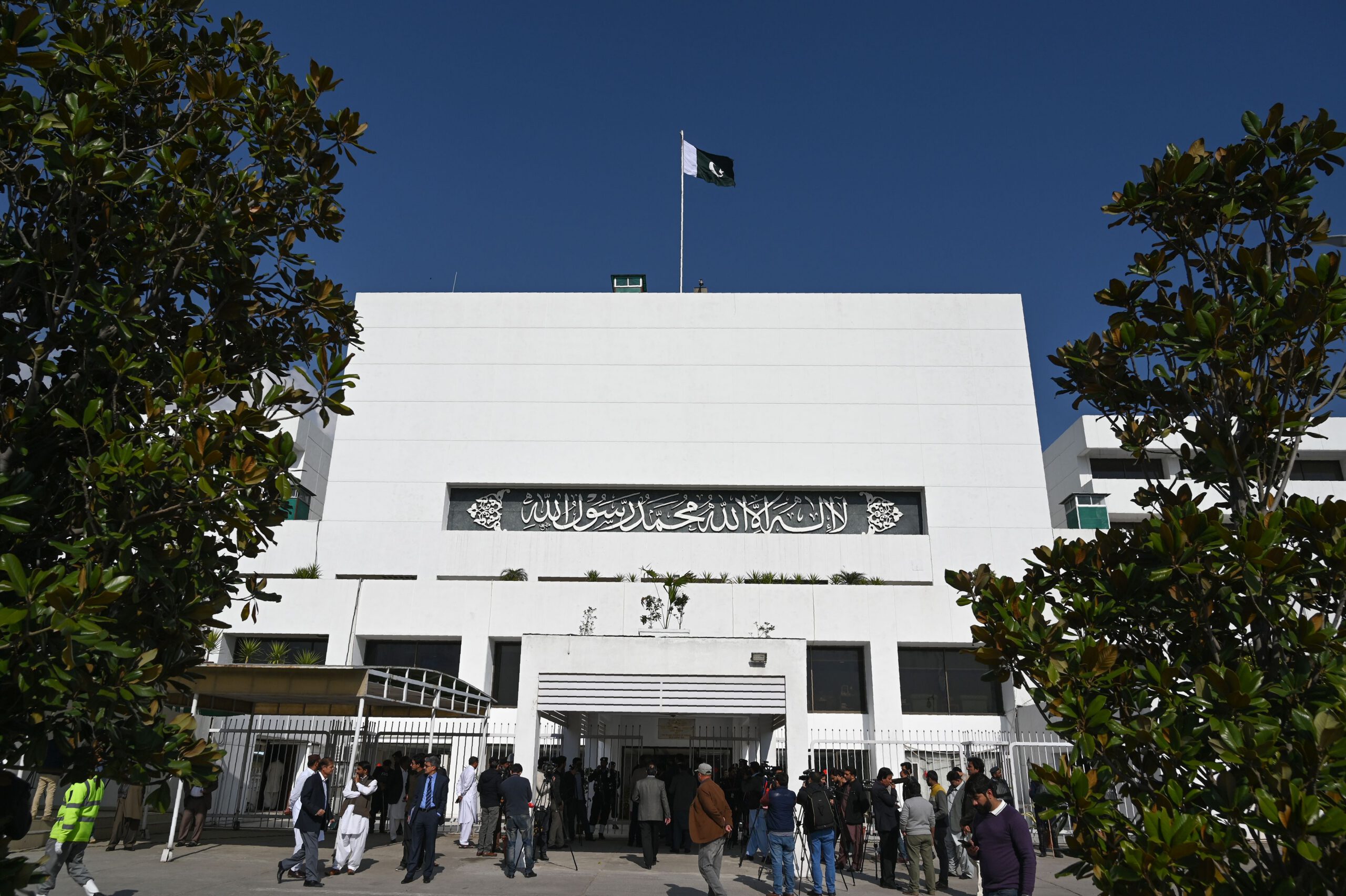
The United States and Pakistan have had a complex and often disappointing “love-hate” relationship since 1947 — one severely tested during the 20-year U.S.-led intervention in Afghanistan. We believe the time has come for serious policy consideration of whether and how both nations can achieve a more strategically beneficial and sustainable post-intervention relationship between the American and Pakistani governments and their populations
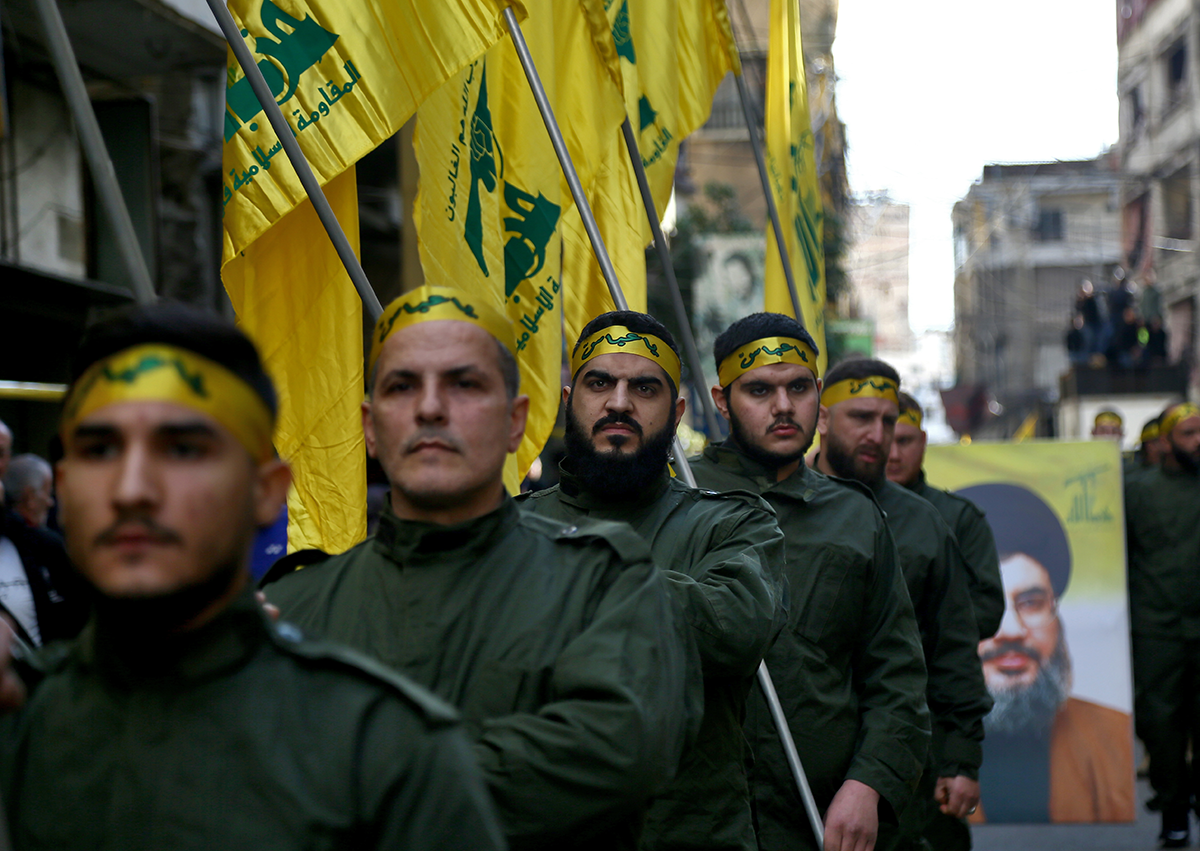
Hezbollah’s Regional Activities in Support of Iran’s Proxy Networks
As a Lebanese actor ideologically tied to Iran, Hezbollah has multiple allegiances and objectives that do not always align symmetrically. Hezbollah’s regional activities are a reflection of the group’s increasingly close alignment with Iran, rather than the interests of the Lebanese state or citizenry. Today, Hezbollah’s regional adventurism is most pronounced in its expeditionary forces deployed in Syria and elsewhere in the region, but no less important are the group’s advanced training regimen for other Shi’a militias aligned with Iran, its expansive illicit financing activities across the region, and its procurement, intelligence, cyber, and disinformation activities. Together, these underscore the scale and scope of the group’s all-in approach to transforming from one of several Lebanese militias into a regional player acting at Iran’s behest.
After Afghanistan: Western militaries and the rise of new strategic threats
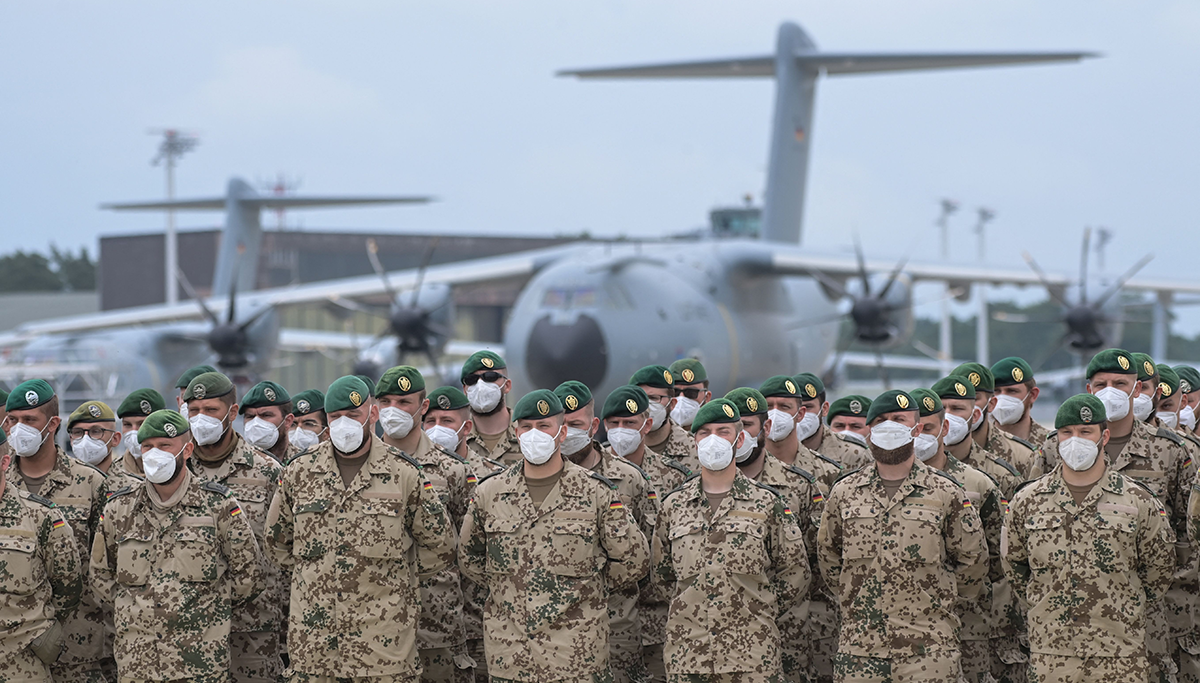
The withdrawal from Afghanistan marks the end of a historic chapter. It involves more than just the conclusion of a drawn-out international military engagement in Afghanistan. Rather, it signals the end of a decades-long phase in which Western militaries placed the broader Middle East and the fight against international terrorism at the center of their strategic attention. With competition between the great powers on the rise, Western militaries have realized their current vulnerabilities vis-à-vis near-peer competitors and the need to shift gears.
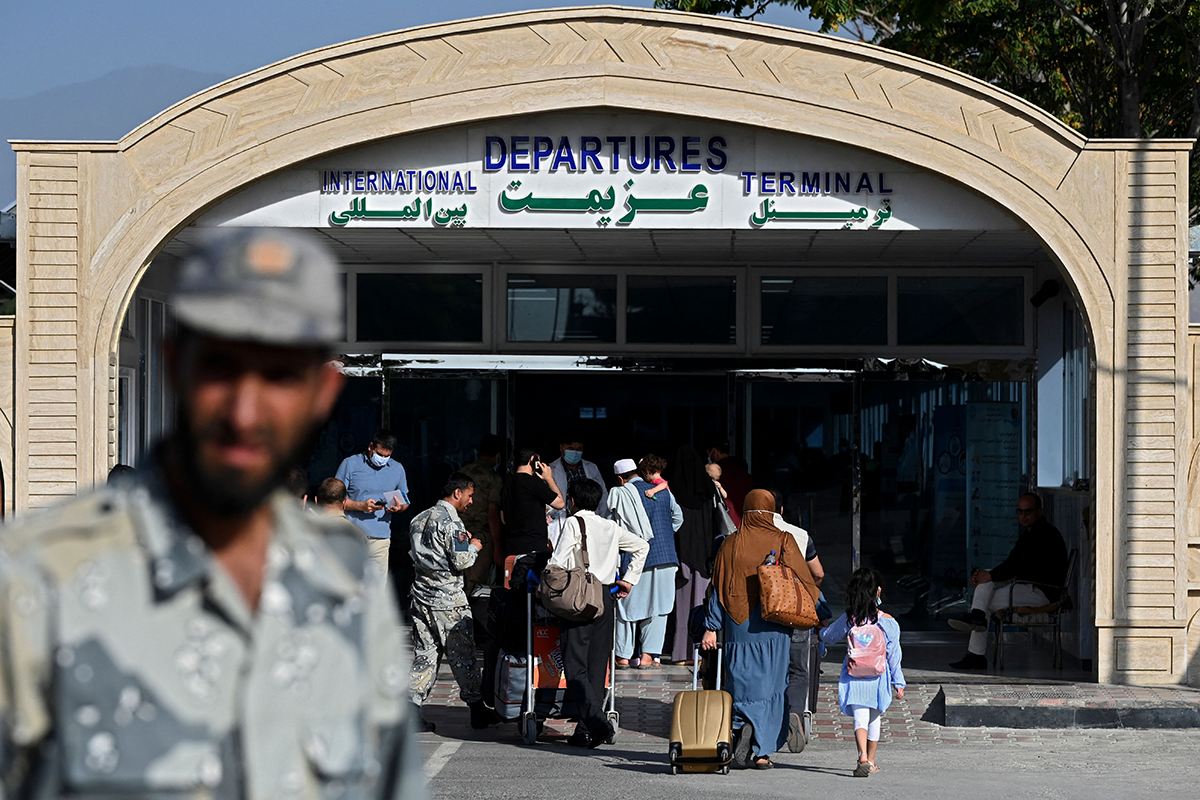
In a politically significant statement, Turkish President Recep Tayyip Erdoğan has asked the Afghan Taliban to “end the occupation of their brothers’ soil.” This follows a Taliban warning of severe consequences if Turkey were to remain in charge of security at Kabul Airport after the exit of American troops. Erdoğan’s message is likely to be interpreted differently by different stakeholders in the unfolding Afghan tragedy, a situation characterized by escalating violence, political uncertainty, and regional chaos.
روسيا تنهي مهمة إعادة هيكلة الجيش السوري.. بعد الفشل
منذ بداية الانتفاضة السورية مايو 2011 وحتى صيف العام 2015، فشلت الميليشيات الإيرانية إلى جانب الجيش السوري والميليشيات المحلية في إعادة السيطرة على البلاد، على الرغم من العدد الهائل لمجموع هذه القوات أمام المتمردين الذين كانت حركتهم فوضوية في مقابل أجهزة أمنية وقوات منظمة، حيث سيطرت هذه القوات المتمردة على النظام السوري مساحات واسعة من سوريا.
Russia’s failed efforts to restructure the Syrian army
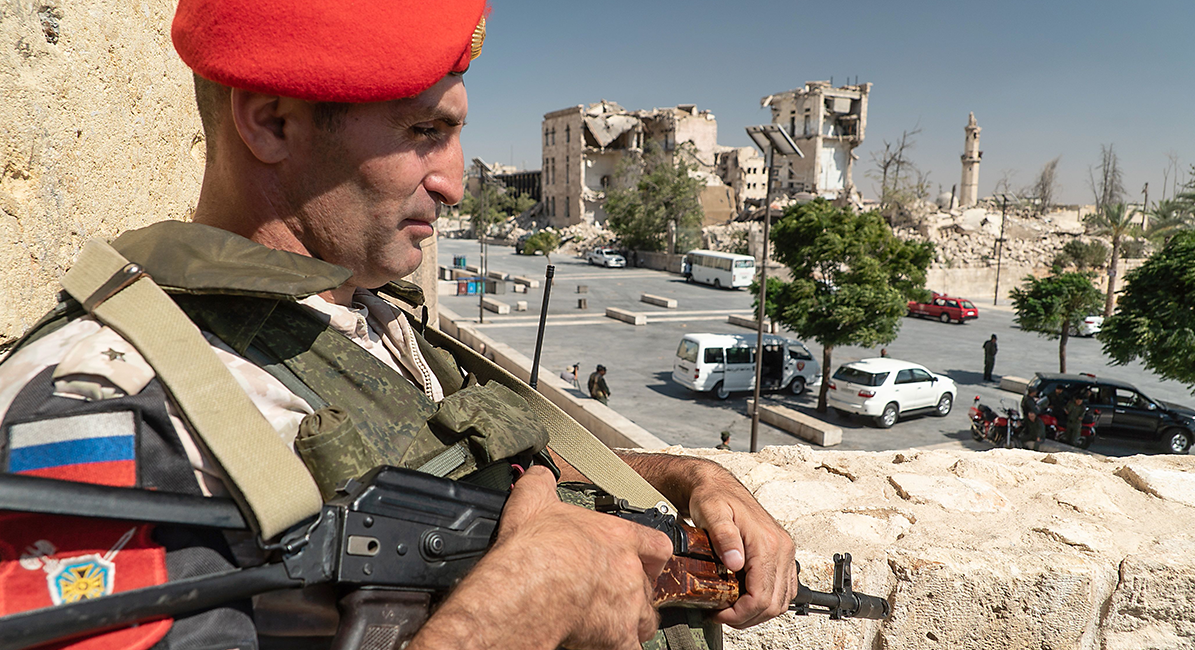
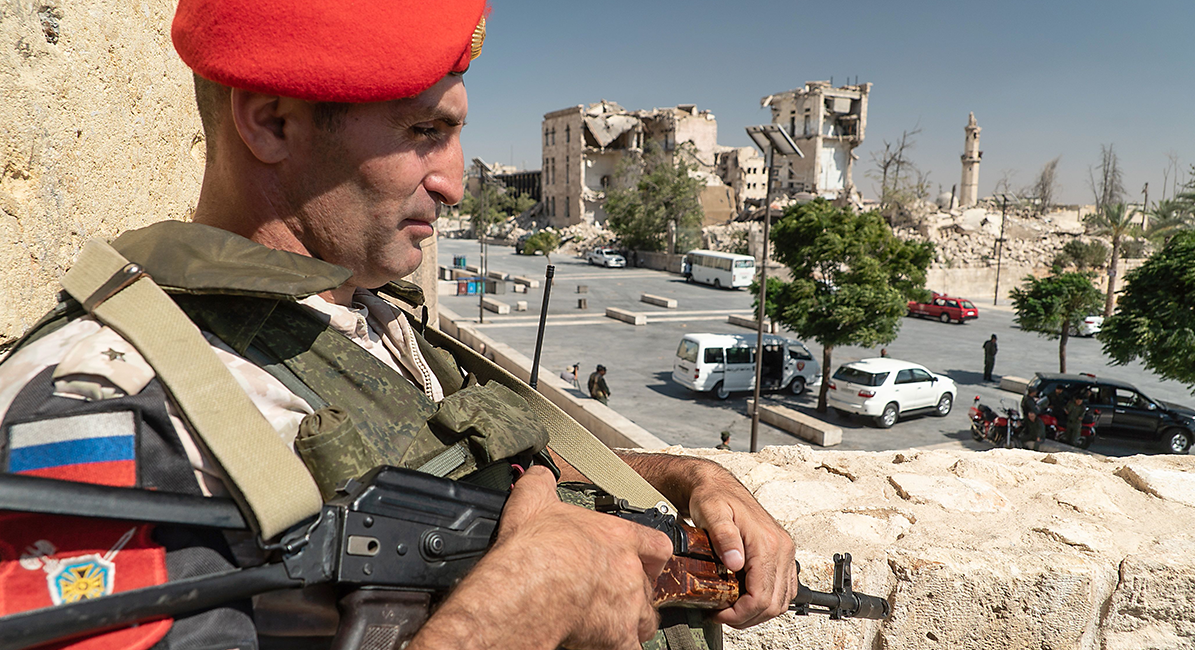
The Russian military intervention in Syria in late 2015 brought about a clear change in the balance of power in the military, political, and psychological spheres. The Russian military, especially its air force, dramatically tipped the scales in the conflict between the armed opposition, the regime, and the Iranian militias. Moscow’s intervention was also accompanied by a project to regain control over the security and military situation in Syria, but this effort proved far less successful.
At the very least we need to provide our Afghan partners with direct air support
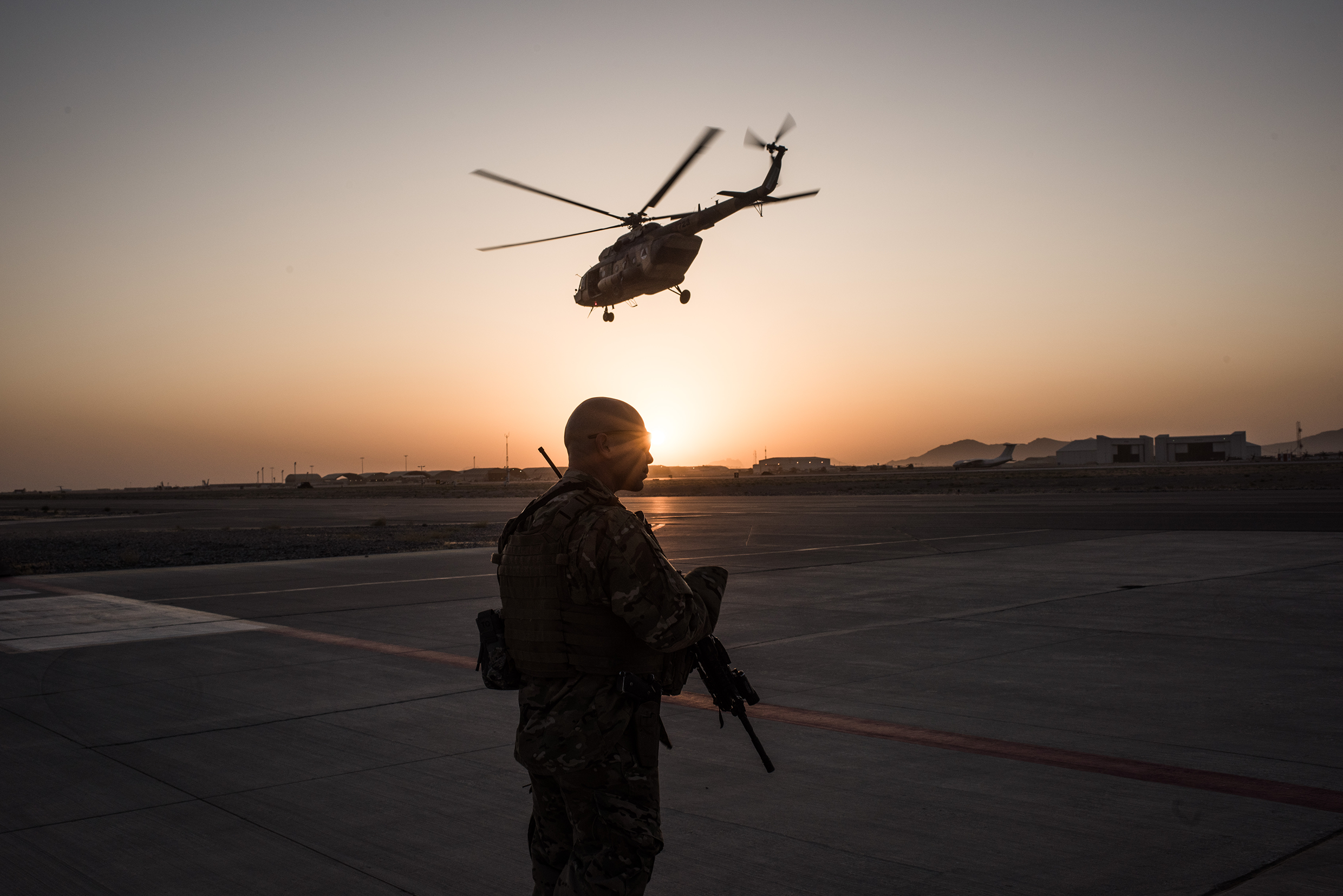
The decision to withdraw the relatively small number of U.S. troops from a supporting role to our Afghan partners to preserve our hard-fought-for gains in Afghanistan was a mistake.
Mr. President, keep the military advisers in Afghanistan
Even the most ardent supporters of President Joe Biden’s decision to withdraw all American troops from Afghanistan recognize the inherent tension in his policy. Biden promised Afghanistan’s top leaders in a recent meeting at the White House that he would maintain U.S. material support to the country. But ensuring a “sustained” partnership with a politically fragile Afghan government requires first and foremost an Afghan force that’s capable of defending that government, providing some security across the country, containing the Taliban, and preventing terrorists from once again setting up shop and plotting attacks worldwide like they did on 9/11.
The War at Home: The Need for Internal Security Sector Reform in Iraqi Kurdistan
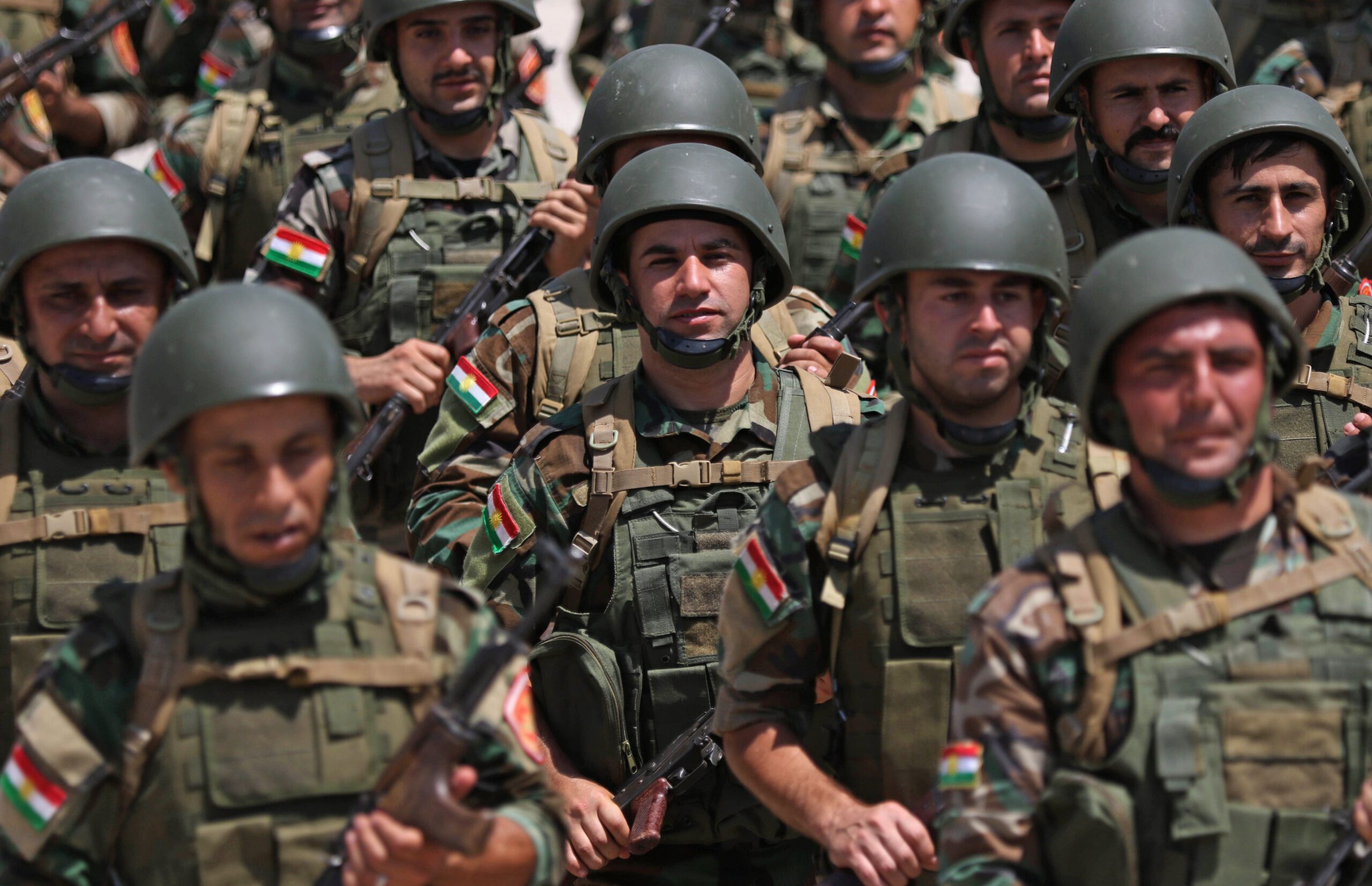
The forces and agencies of Kurdistan’s Ministry of Interior and the Kurdistan Region Security Council, collectively referred to the Kurdistan Region Interior Forces, are now the region’s main security actors, but their role as instruments of partisan rivalry and enforcers of public loyalty to the political bureaus threatens the Kurdistan Region’s stability. This report makes the case that coalition security sector reform efforts should be refocused on them. Although Peshmerga reform is necessary to improve the Kurdistan Region’s ability to combat external threats, it is equally, if not more important to start the same reform within these internal forces and agencies to achieve durable stability.
الضربات الجوية الأمريكية على الميليشيات العراقية وخطر دوامة التصعيد
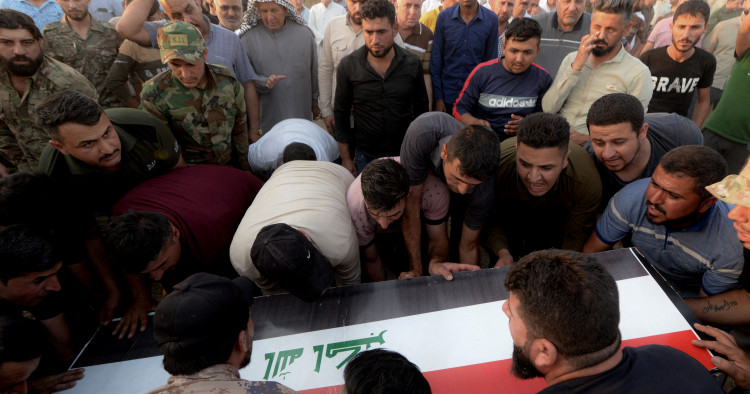
مهما كانت شدة محاولات الحكومة العراقية لتوجيه البلاد بعيدًا عن الصراع الإيراني الأمريكي، فإن الميليشيات العراقية المدعومة من إيران ستظل تسحبها مجددًا لهذا الصراع
Russia’s careful calculus in supplying Iran with a high-tech satellite
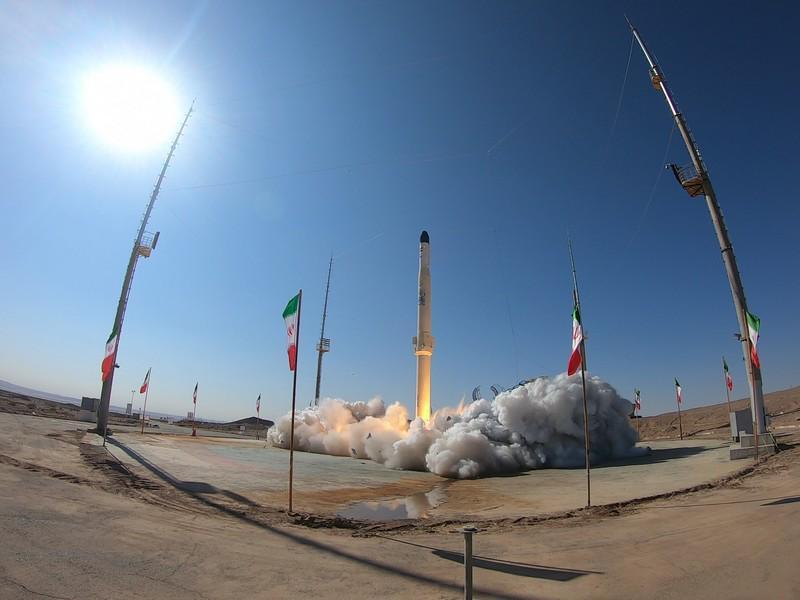
According to reporting from The Washington Post, Russia is set to provide Iran with a high-tech satellite called Kanopus-V. Russia will launch the satellite from its territory and then hand over control to an Iranian crew that received essential training in Russia. Iran will control the satellite from a newly built facility in Alborz Province, near Tehran.
Israel's counter-Iran strategy: Significant accomplishments, but a negative trend
One of the first foreign policy decisions facing Israel’s new government will be if it wants to maintain or modify the policy spearheaded by Netanyahu to counter the United States’ determined effort to return to the 2015 nuclear deal with Tehran. Moreover, the new government needs to assess how successful the maximalist approach Israel has embraced since the negotiations between Iran and the great powers began about two decades ago has been, and to what extent it has pushed the international community to refrain from making concessions and compromises vis à vis Iran.
The oldest peer-reviewed publication dedicated to the study of the modern Middle East, MEI’s flagship journal covers politics, society, and culture in the region.