Algeria and Morocco have long been at odds, but recent diplomatic moves may signal a widening geopolitical split in North Africa. Hosts Alistair Taylor and Matthew Czekaj are joined by MEI Senior Fellow Intissar Fakir to unpack Algeria’s decision to sever diplomatic ties with the United Arab Emirates and Morocco’s warming relations with both the UAE and Israel. They also explore linkages between these diplomatic shifts and the Western Sahara conflict, Moroccan domestic concerns, particularly in light of this week’s elections, as well as broader regional stability.
The Legacy of Morocco’s Gen Z Protests: Development as the New Political Language
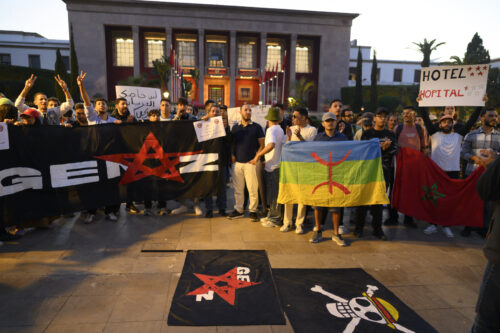
Moroccans head to the polls on September 23 in a parliamentary election that is meant to formally close the chapter opened during last year’s Gen Z 212 protests. The demonstrations, which erupted almost exactly a year ago, drew attention to the mismatch that exists between Morocco’s economic and geopolitical ambitions, and the stark reality of its lagging domestic development.
Reflections on a Diplomatic Career in the Middle East: A Conversation With Ambassador Yael Lempert
Brian is joined by Amb. (ret.) Yael Lempert, Vice President for Outreach at MEI, to discuss her career in diplomacy and the importance of US diplomatic efforts abroad. She shares stories from postings across the Middle East in Baghdad, Cairo, Tripoli, Jerusalem, and Amman and examines how her personal and professional experiences shaped her approach to the work. Together, Brian and Yael discuss the realities of life in the Foreign Service, the core tenets of American diplomacy, and why it matters in today’s Middle East.
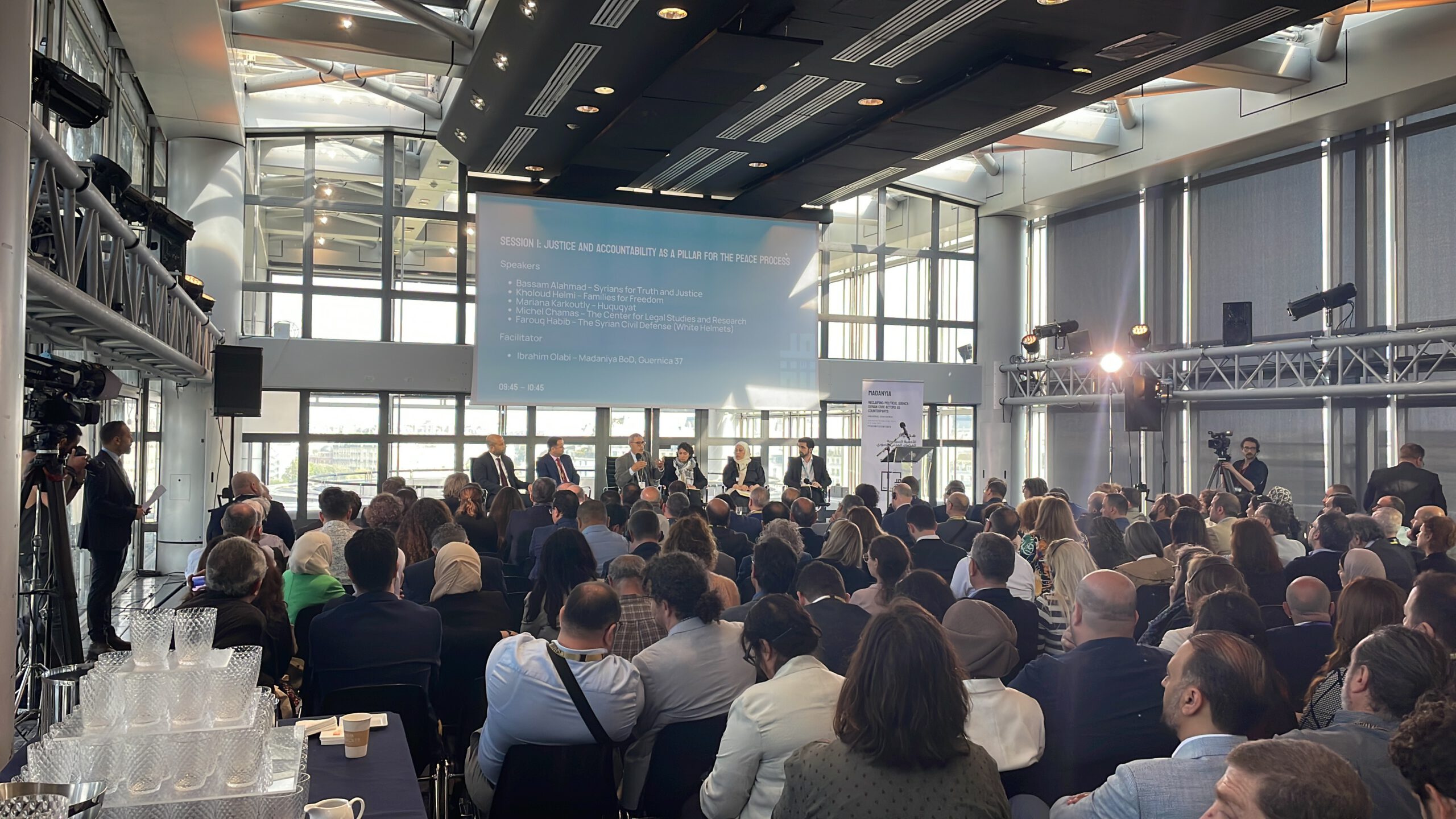
Following two years of preparation, the Syrian Madaniya (“Civil”) initiative held its inaugural conference with over 180 participating organizations. To claim a political role, Madaniya needs a program and a partner. The natural partner for this endeavor is the Syrian Negotiation Commission.
Addressing challenges to tolerance and religious diversity in Iraq
Iraq has long had a troubled history with its ethno-religious minorities, one full of oppression and violence. This was true under the Ba’athist regime and continued after the 2003 U.S.-led invasion, reaching a nadir with the rise of the Islamic State terrorist group. Although Iraq is now enjoying its most stable period in the past two decades, it is also a case study of the pernicious effects of structural violence, especially toward the more marginalized and vulnerable segments of society.
The limits of human rights law in an authoritarian context: Torture and impunity in Turkey
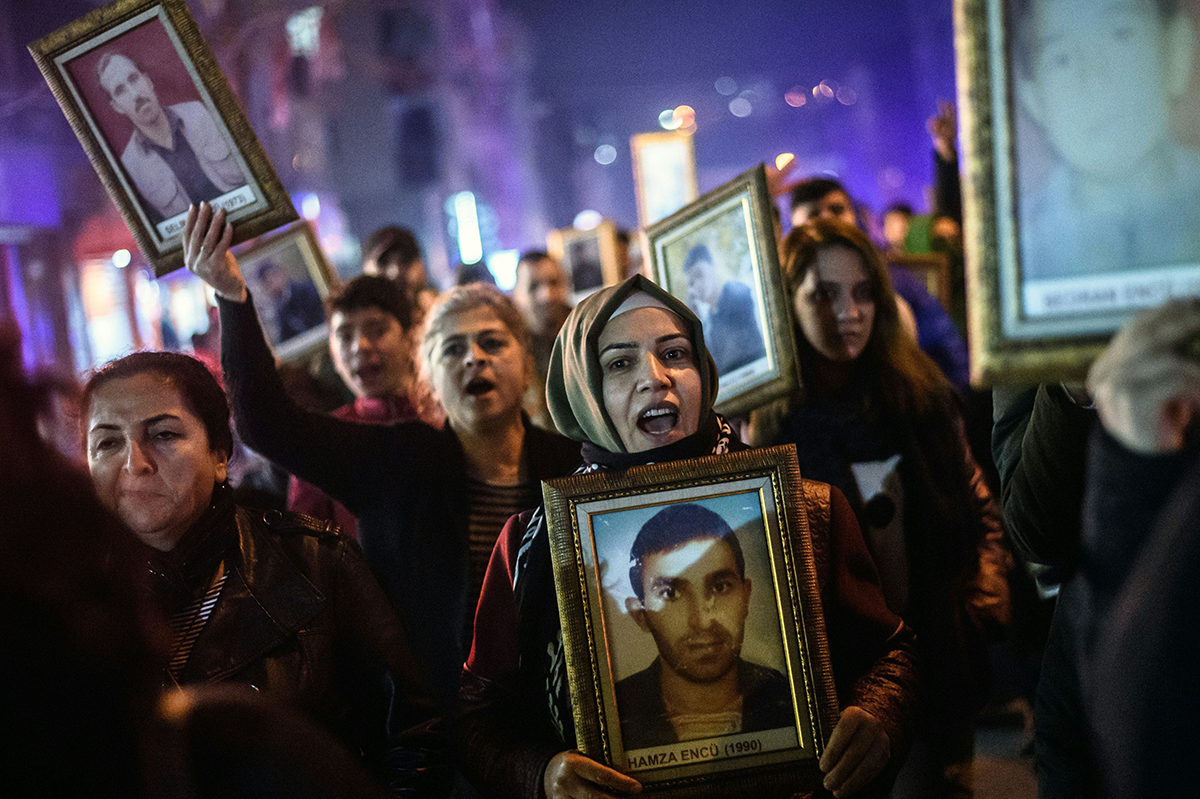
Turkey is a test case of the limits of international human rights law in an authoritarian context. The country is party to all major U.N. and Council of Europe international human rights treaties, including those prohibiting torture and ill treatment, and is subject to the jurisdiction of the European Court of Human Rights. Its constitution and laws ban torture and contain procedural safeguards against it. Yet torture and the impunity of its perpetrators remain state practice, at times reaching systemic levels.
On this week’s episode Alistair Taylor, MEI’s editor-in-chief, is joined by Mick Mulroy and Eric Oehlerich, Senior Fellows with MEI’s Defense & Security Program and the Co-founders of the Lobo Institute and End Child Soldiering, to discuss efforts to stop the recruitment and use of children in combat and rehabilitate former child soldiers. The use of child soliders is a widespread global problem that has a disproportionate impact on the broader Middle East, especially in Yemen, Syria, Sudan, and Somalia.
Women’s Reproductive Rights and Abortion in Morocco: Regulatory Reforms Should Not Miss the Bigger Picture
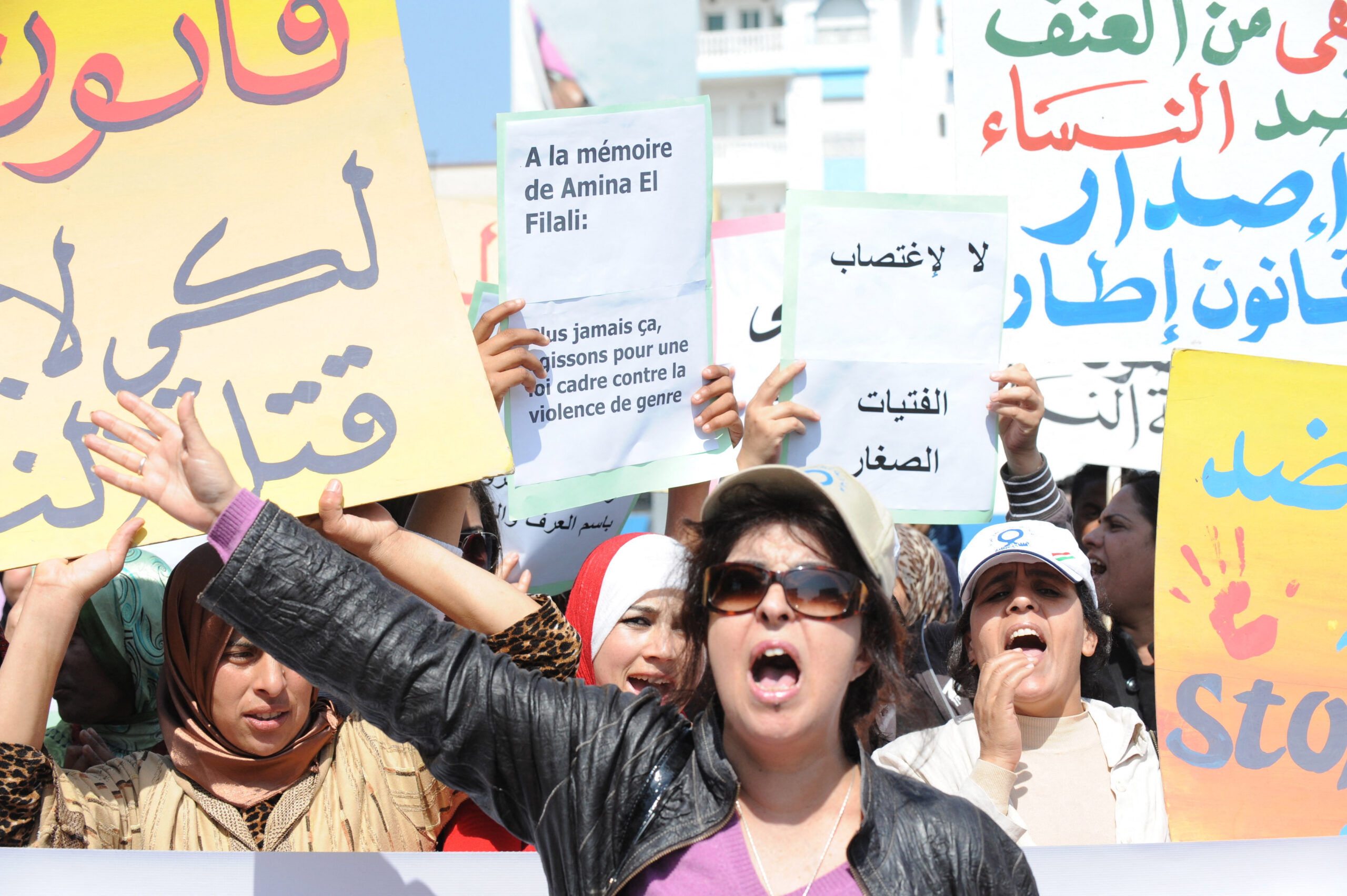
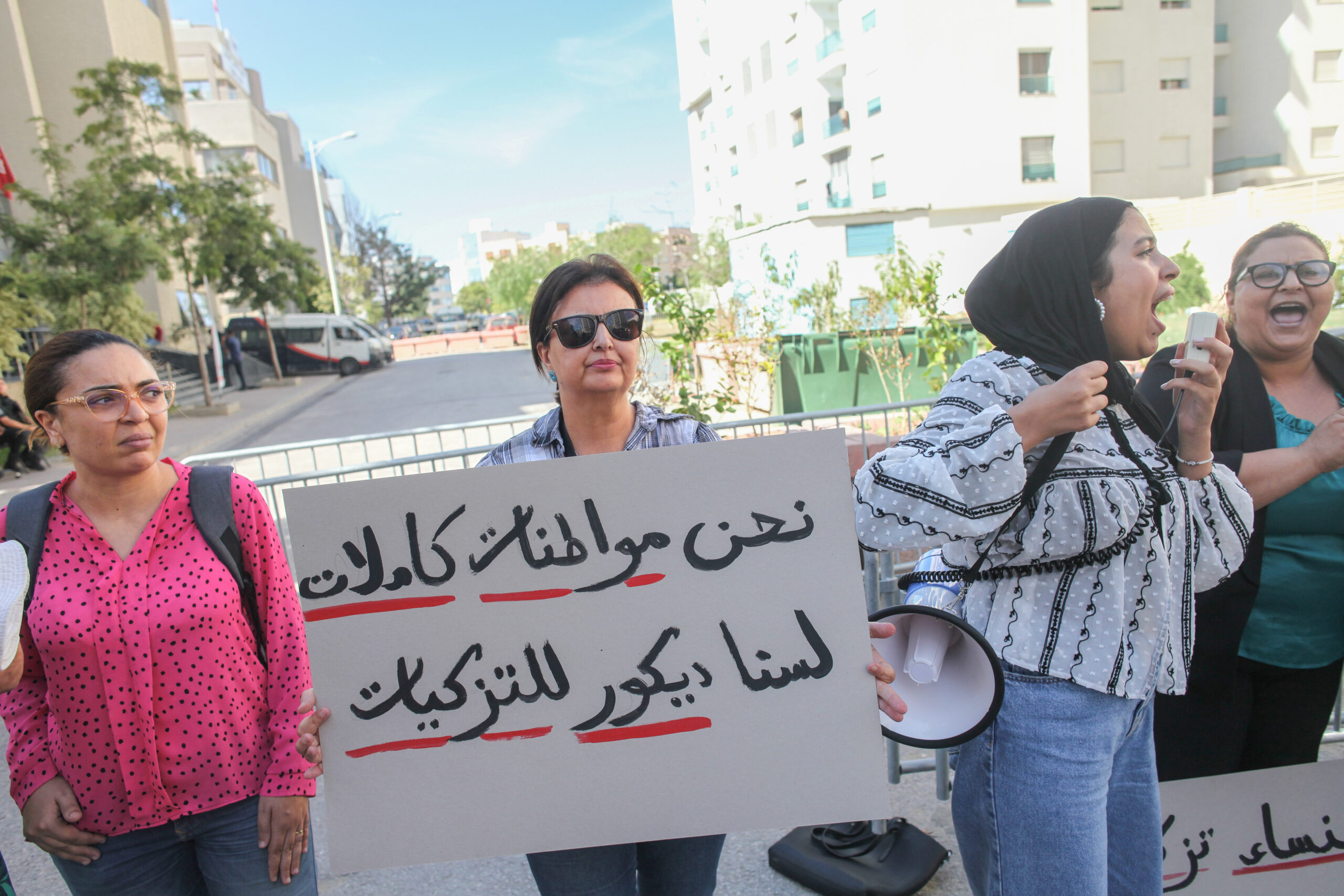
The recent death of a 14-year-old girl following a botched “back alley” abortion at the house of her abuser is the latest reminder of the need to better protect women’s reproductive rights in Morocco and should push Moroccan authorities to address the multi-faceted social, legal, and economic drivers behind unwanted pregnancies.
Gender gaps in MENA remain stubbornly entrenched, despite positive trends
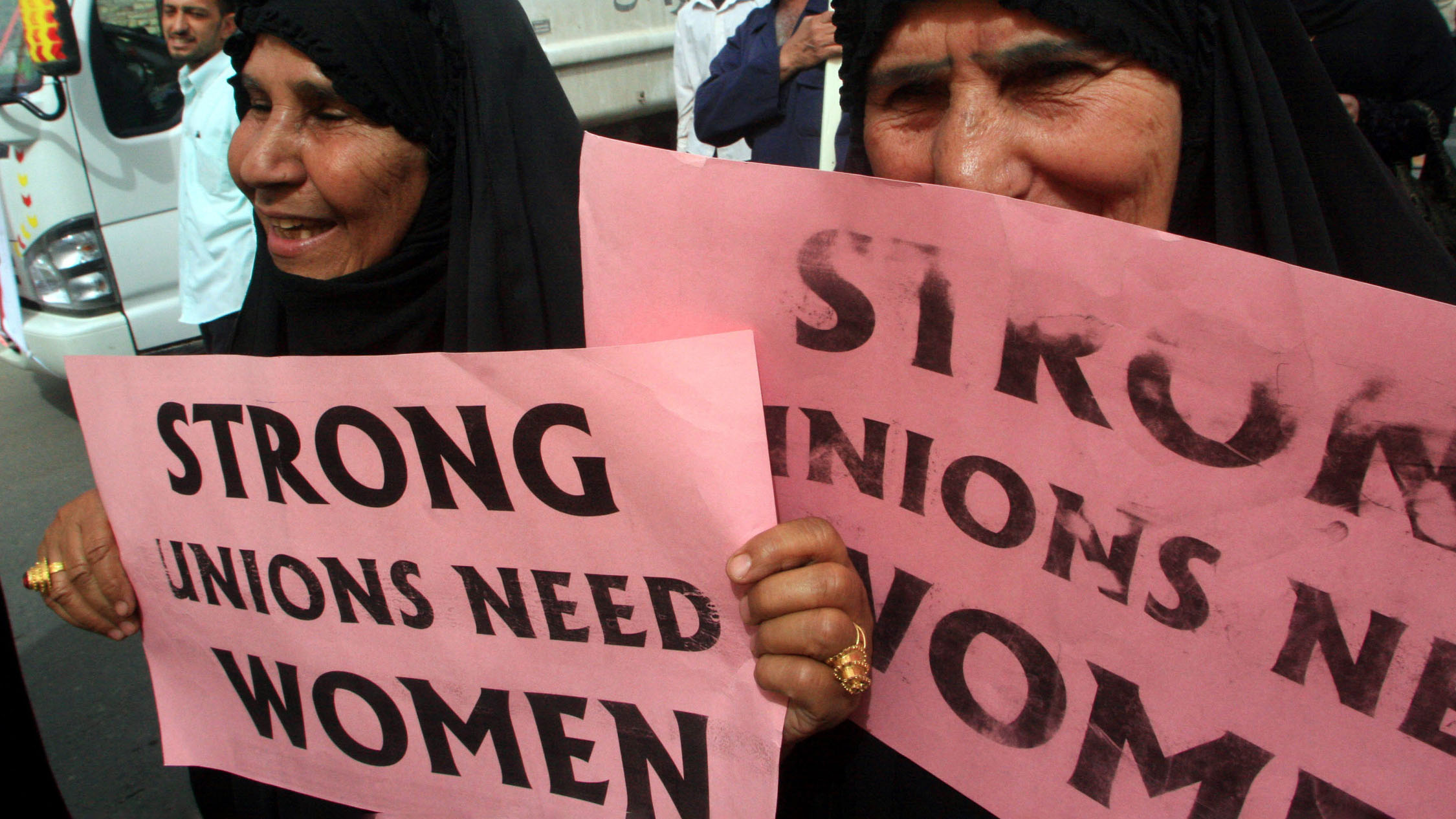
Key findings from the latest Arab Barometer survey, its seventh wave, reveal that, despite some political gains in several Arab states, clear majorities in the 12 countries in which the survey was conducted still hold traditional views on gender norms.
Earthquake devastates southern Turkey, brings calamity to war-torn Syria
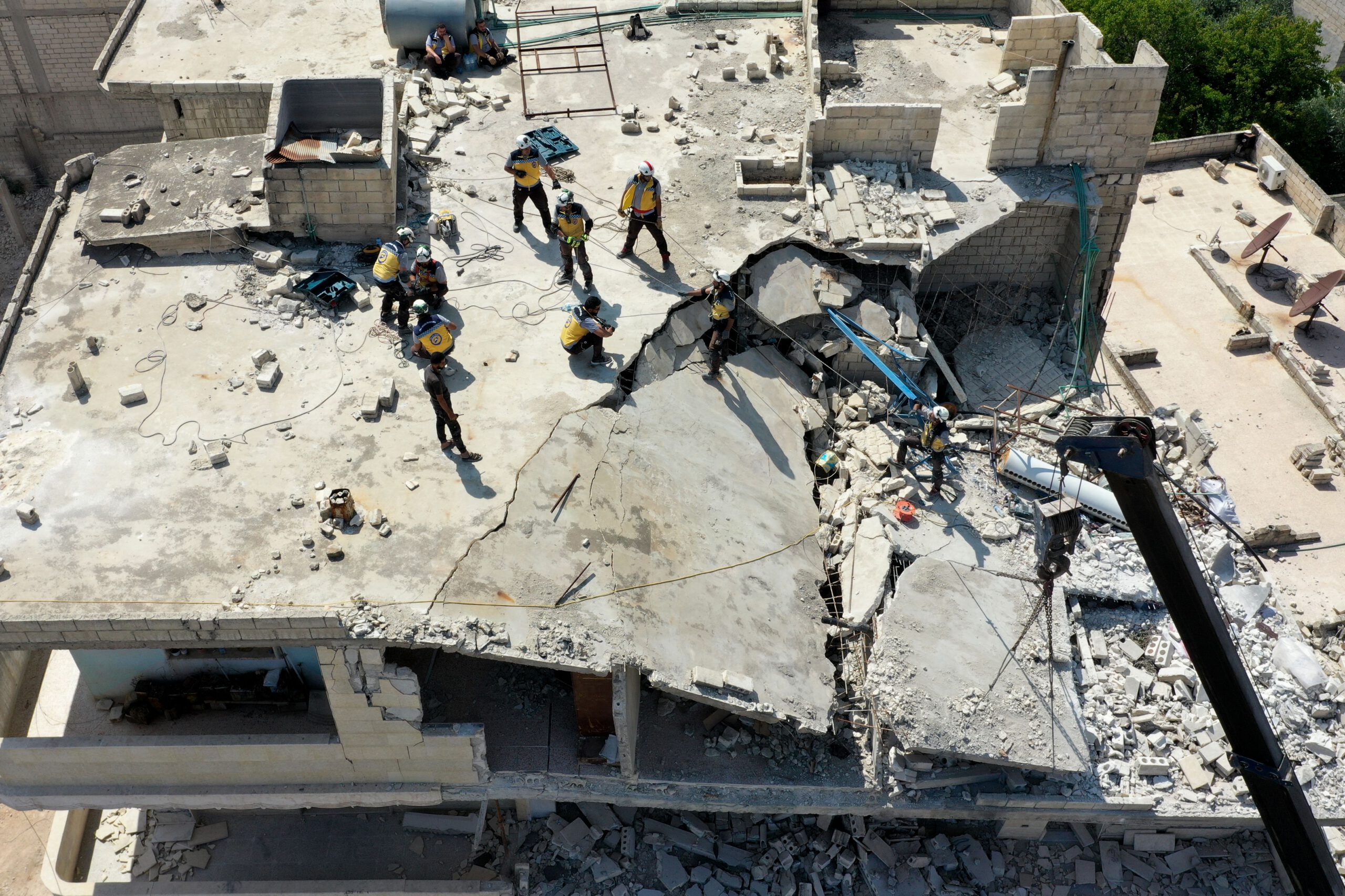
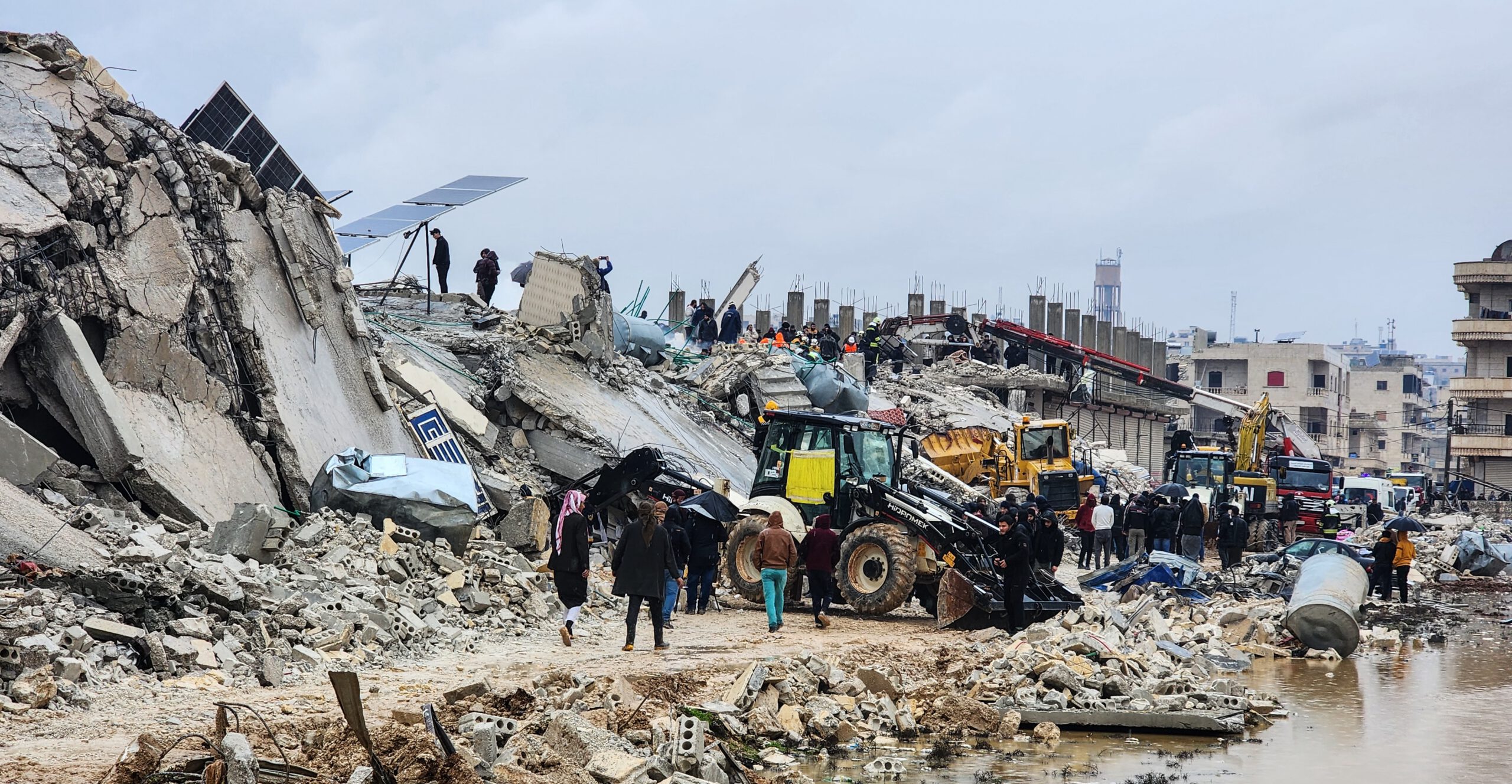
Southern Turkey and northern Syria were struck by a crippling 7.8 magnitude earthquake at 4:17 AM, on Feb. 6. Twelve hours later, at least 2,400 people are known to have perished, with death tolls rapidly rising. This natural disaster could not have come at a worse time or struck a more vulnerable region — with notoriously poor construction in southern Turkey and the effects of more than a decade of brutal conflict still afflicting northern Syria.
Climate-induced migration in the GCC states: A looming challenge
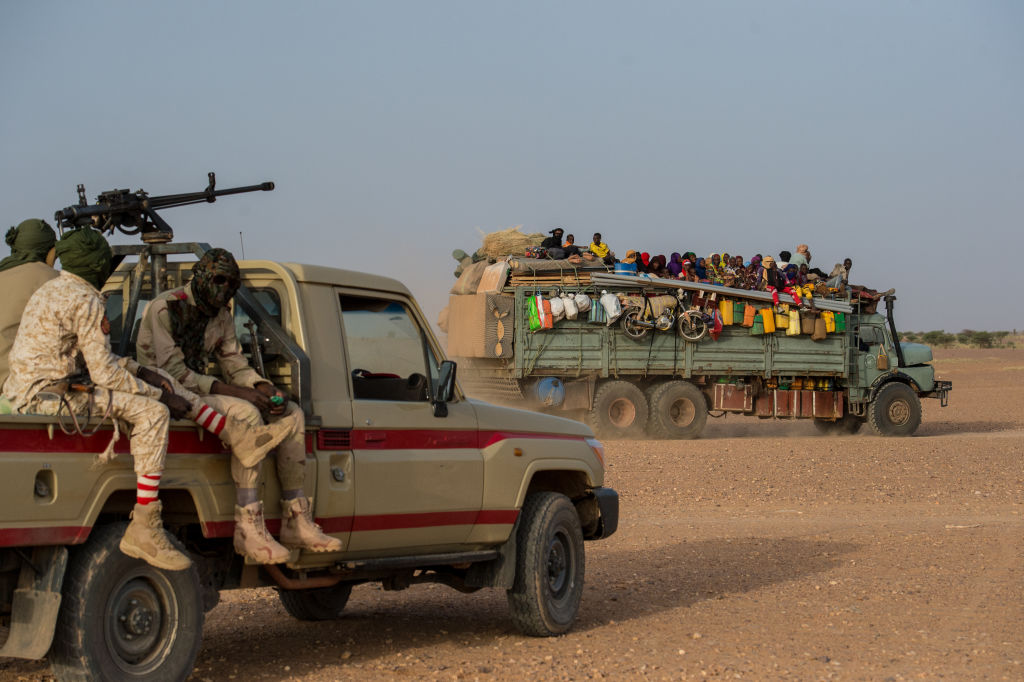
Gulf states are collectively investing billions of dollars in developing renewable energy. Yet climate change patterns in neighboring regions, combined with rising average temperatures, could eventually trigger more serious climate migration problems for the Gulf countries themselves.
What the UN vote tells us about international sentiments and Israeli diplomacy
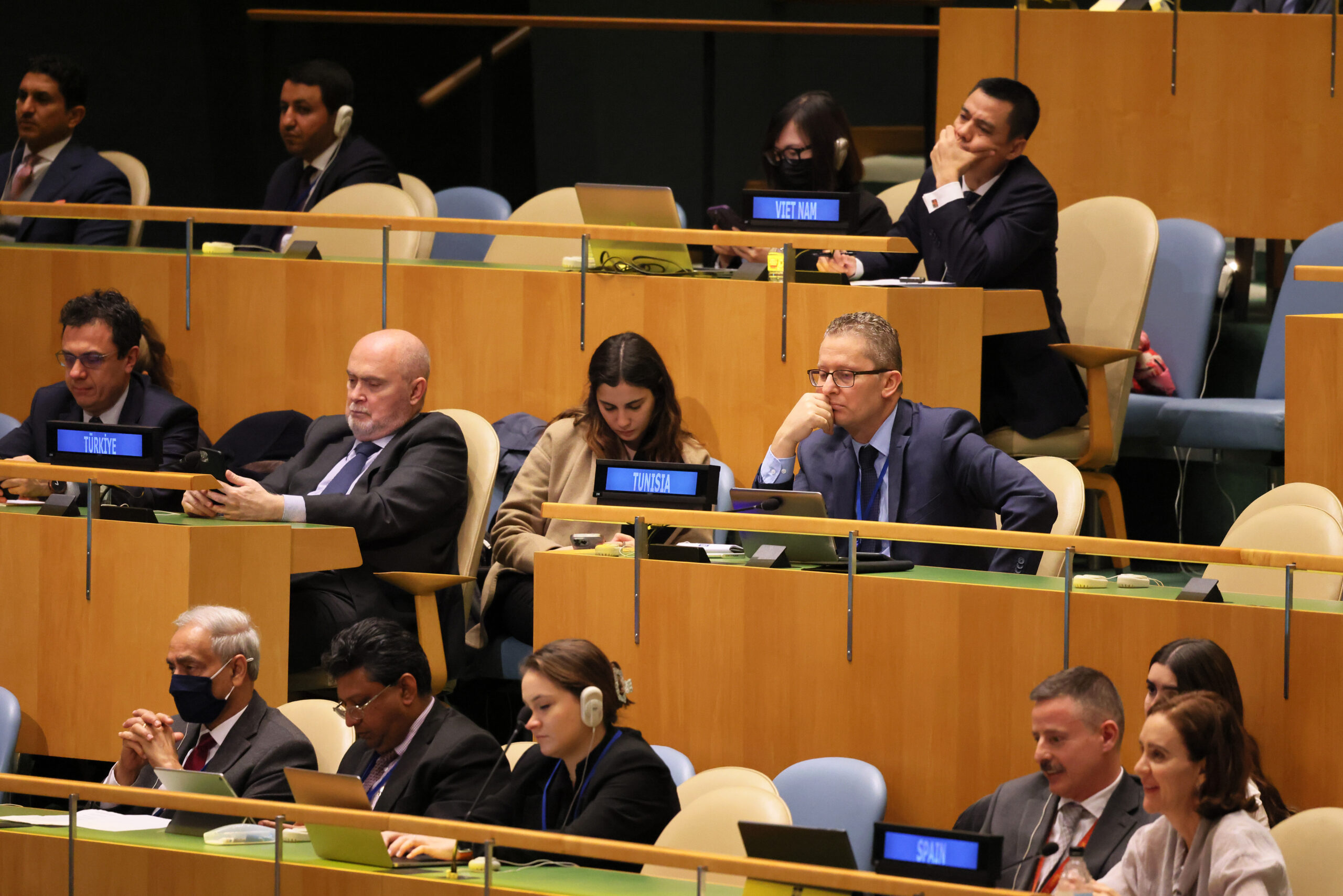
The Dec. 30 vote at the United Nations General Assembly (UNGA) regarding Israel reflected once again that the international community does not generally accept the Israeli narrative regarding the Palestinian issue. It also highlights that the Palestinian issue, while not a top priority on the global agenda, is still one of concern around the world.