Over the past several weeks, the Houthis have seized the port city of Mokha, Yemen’s western coastline, and several islands in the Bab el-Mandeb Strait, and they are now massing around Marib and Taiz in the first major frontline shift since 2022. MEI Associate Fellow Nadwa Al-Dawsari joins host Matthew Czekaj to unpack the latest developments. Together, they discuss what has allowed the Houthis to advance against Yemeni government forces, the role the militant group plays in Iran’s regional strategy, and what it will take to contain the threat.
Though it has fallen out of the headlines because of the Iran war, Syria has had a dramatically consequential summer. Hosts Alistair Taylor and Matthew Czekaj are joined by MEI Senior Fellow Charles Lister to take stock of recent developments: the dissolution of the Kurdish-led Syrian Democratic Forces, Israeli strikes and the friction with Turkey they have exposed, the standoff in Sweida, as well as Damascus’s bid to turn Syria into a trade corridor between the Mediterranean and the Gulf. Is the transition consolidating or fragmenting nearly two years after the fall of the Assad regime?
As the US-Israel-Iran war enters its sixth month, the conflict has taken a sharp turn. After a brief lull in the fighting, Iran launched a surprise ballistic missile attack on US forces on July 28, and the US and Saudi Arabia struck back at Iran-backed militias in Iraq, marking Riyadh’s entry into the war. MEI Senior Fellow Alex Vatanka joins host Alistair Taylor to discuss the escalation, what may come next, and the state of talks over sharing the Strait of Hormuz.
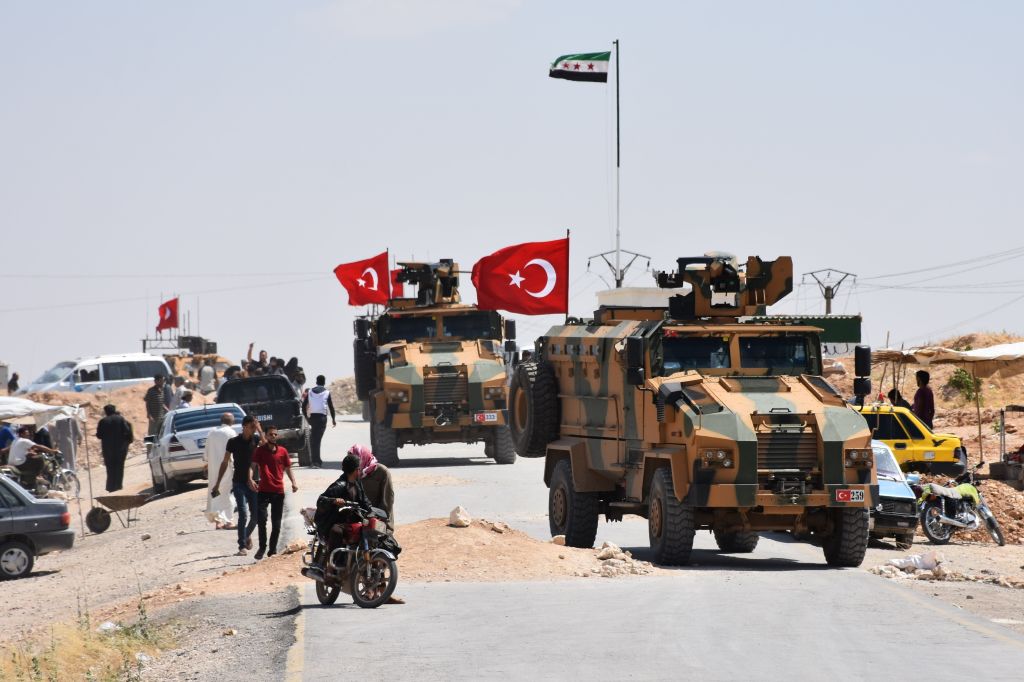
Between Ankara and Damascus: The role of the Turkish state in north Aleppo
It’s been nearly three years since the Turkish incursion into northern Syria in August 2016, but one central question remains unanswered: What is Ankara’s plan for the area now under its control? This paper examines the complex relationship between local governance and service provision in the Euphrates Shield (ES) area of north Aleppo and the Turkish state. Using secondary sources and interviews with Syrian and Turkish activists and officials, this paper establishes that, first and foremost, Turkey has no coherent policy with regards to local governance in ES.
Countering Extremism After the Fall of the ISIS Caliphate
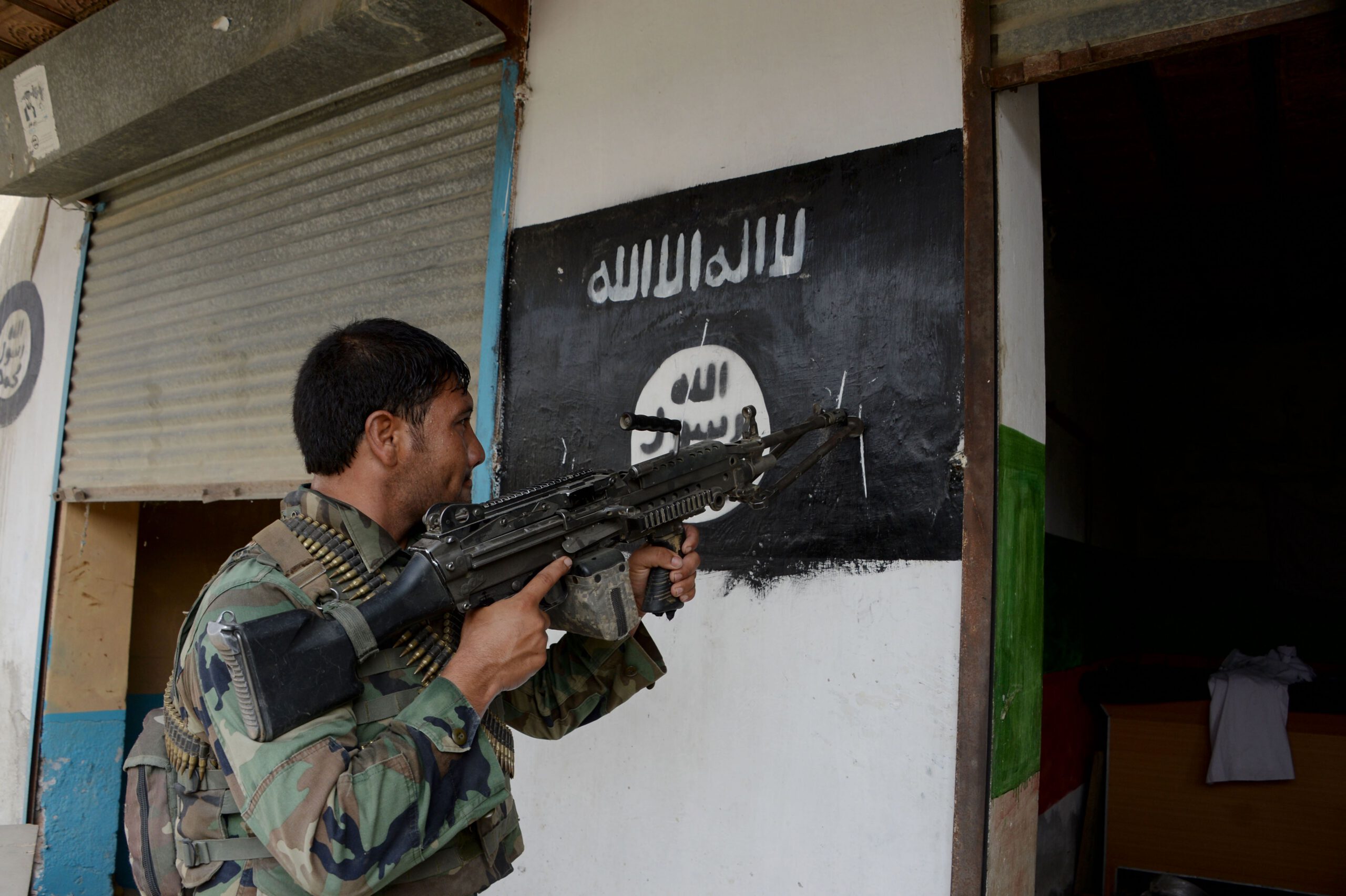
The territorial defeat of ISIS in March 2019 was a significant victory in the fight against terrorism, but the struggle to defeat violent extremism is far from over. Ambassador Edmund Fitton-Brown and Charles Lister join guest host Gerald Feierstein to discuss the latest developments in policy to combat regional terrorist threats.
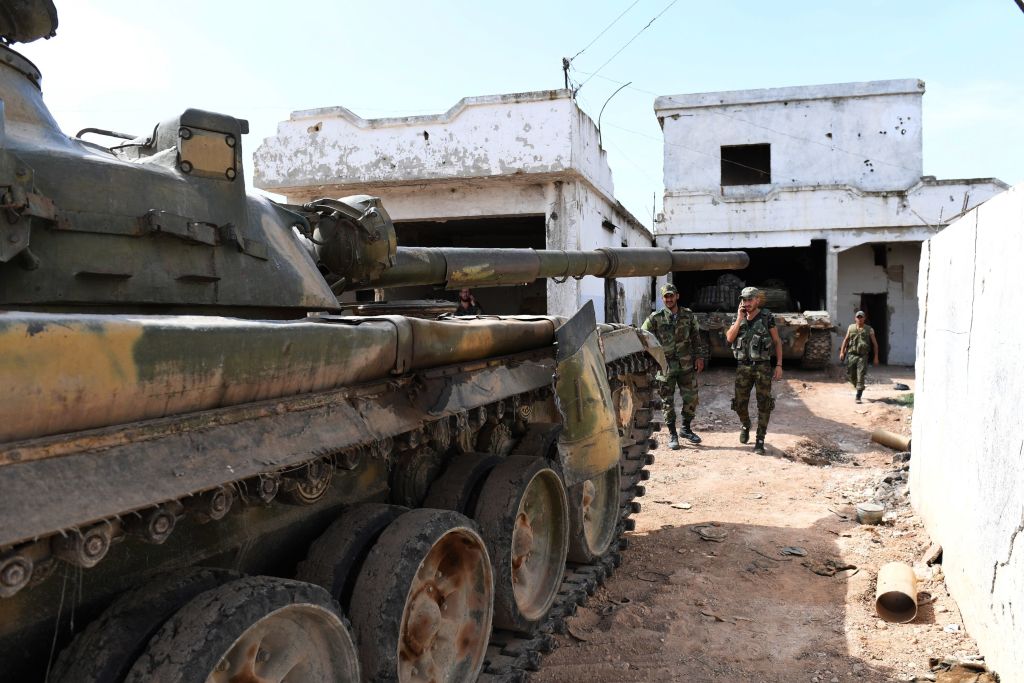
Monday Briefing: Regime offensive in Syria’s northwest grinds to a halt
In this week’s Monday Briefing, MEI experts Charles Lister, Paul Salem, and Mirette F. Mabrouk provide analysis on recent and upcoming events including military developments in Syria’s northwest, the confirmation of David Schenker as Assistant Secretary of State for Near Eastern Affairs, and the approval of amendments to laws regulating Egypt’s judiciary.
Is ISIS the real winner of Hifter’s Tripoli offensive?
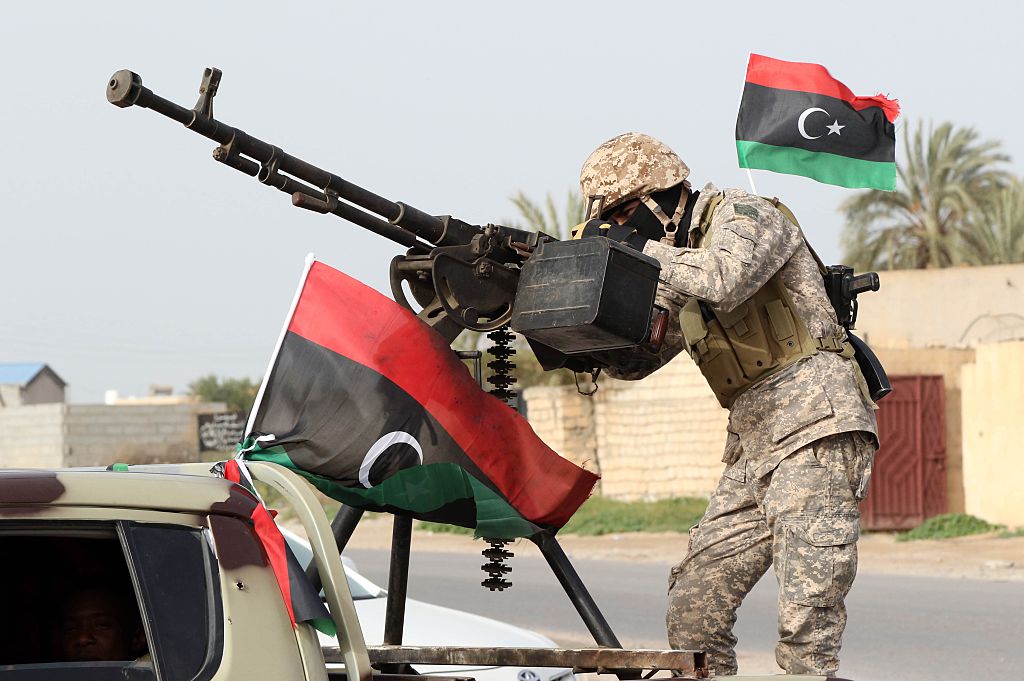
The launch of General Khalifa Hifter’s campaign to retake Tripoli in April has intensified Libya’s political upheaval and created the conditions for a potential resurgence of ISIS. The onset of the Libyan civil war in mid-2014 gave rise to a power vacuum that enabled the group to establish an initial presence in Libya, and while ISIS was eventually driven out at the end of 2016, the current political instability could give it an opportunity to regroup and re-establish itself — with major ramifications for the country and the broader region.
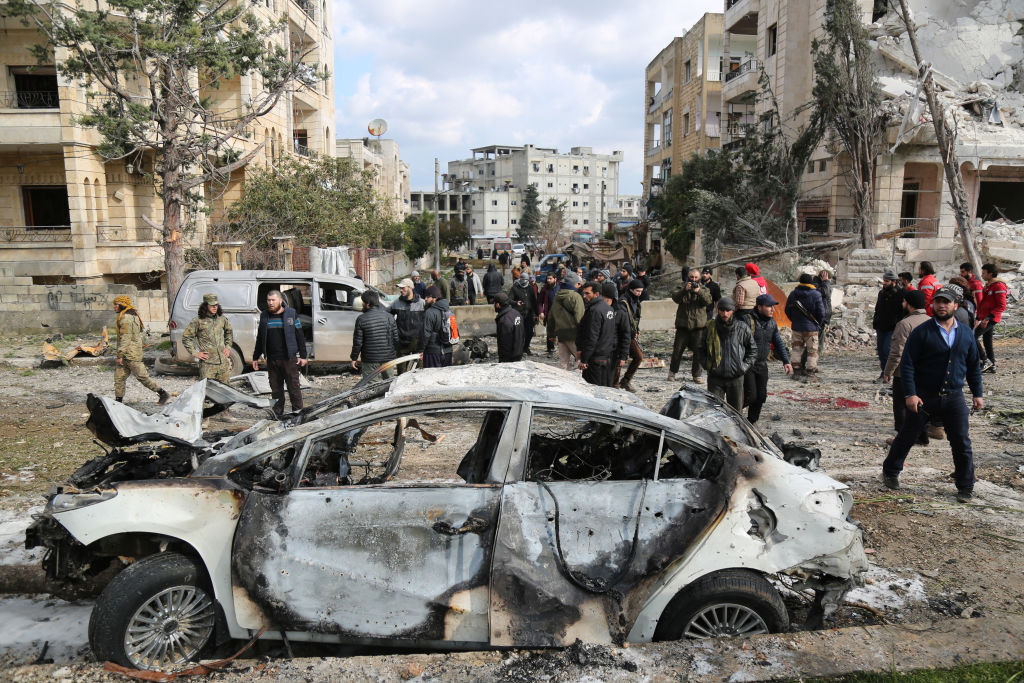
As fighting rages across the last opposition-held province of Idlib, the war in Syria has reached its brutal endgame. The Syrian army’s offensive, launched in early May, will not be quick, but rather marks the start of what will likely be a prolonged, violent, and ultimately costly campaign. If the first few weeks of the operation are anything to go by, resistance will be fierce — fiercer than initially expected — and as the world’s attention shifts toward Idlib, the stakes are now higher than ever.
Understanding the Fatemiyoun Division: Life Through the Eyes of a Militia Member
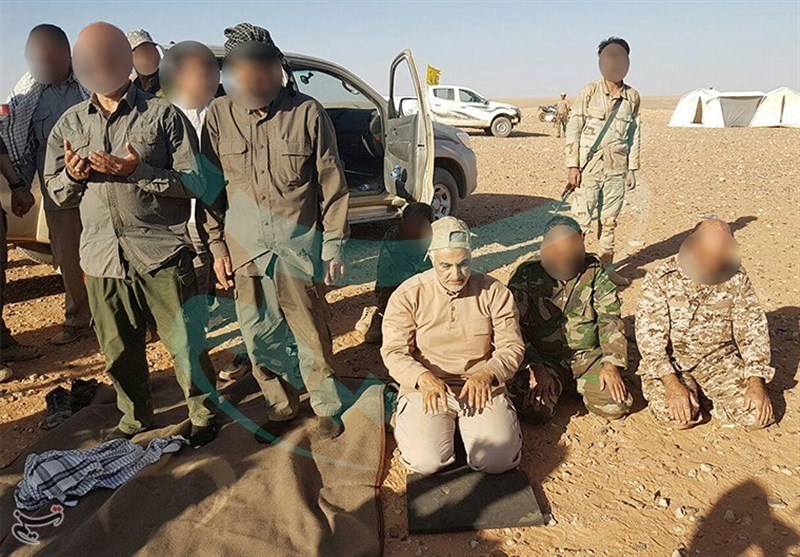
Approximately 10,000-20,000 Afghan men, mostly from the Hazara ethnic group, have fought in Syria in support of the government of President Bashar al-Assad. Organized by Iran and led by the Islamic Revolutionary Guard Corps and other affiliated groups, they have gathered under the banner of the so-called “Fatemiyoun” Division. This is the story of one of those men, Mohammed Jalil Dinsta, told through selections from his writings, alongside relevant analysis.
Iraq: A Conflict Over State Identity and Ownership
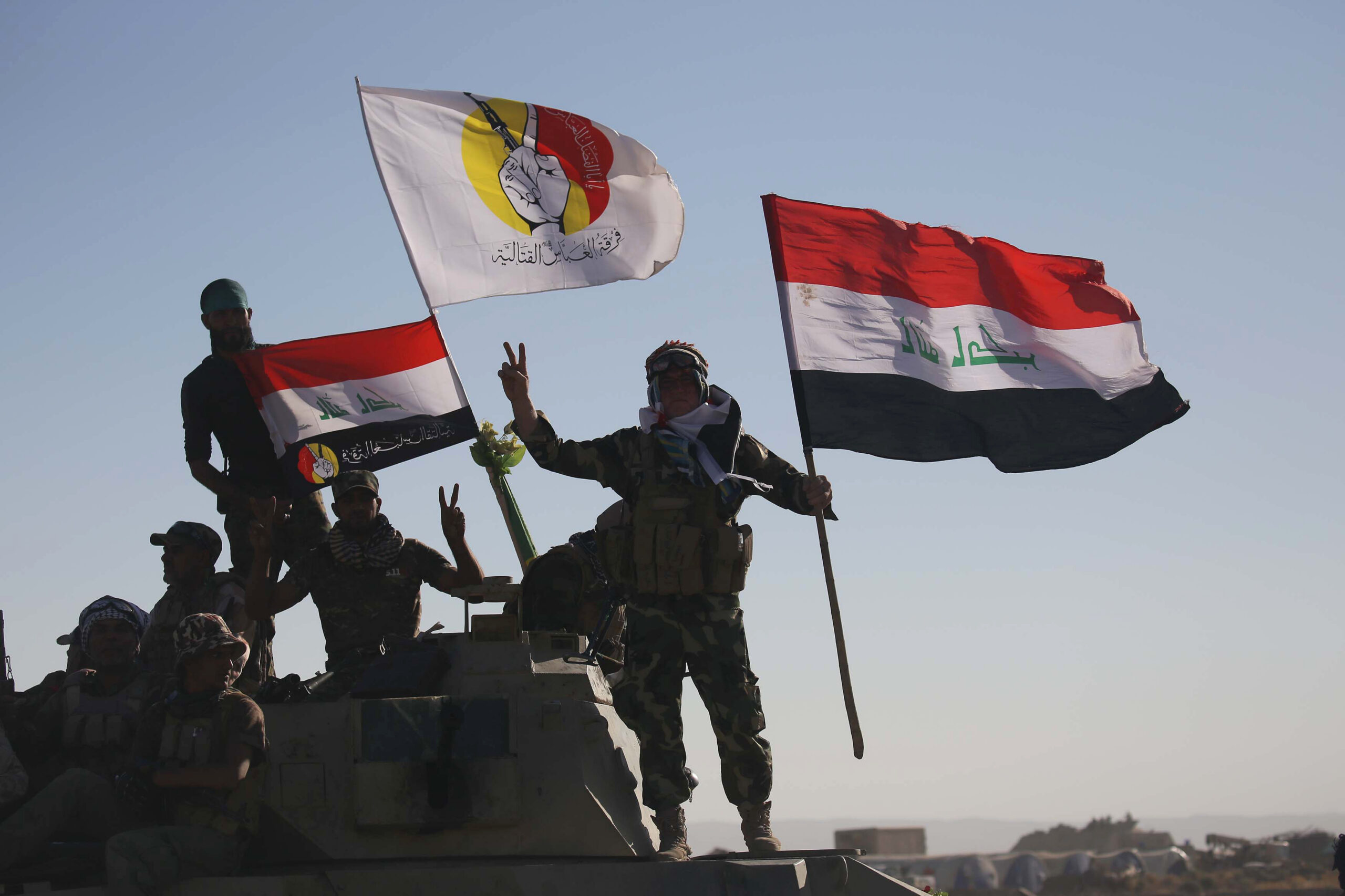
At the heart of the conflict in Iraq has been a clash of visions over the identity and ownership of the Iraqi state. The post-2003 conflict was, in effect, a violent renegotiation of both the political compact in place since the 1960s and of the balance of power among regional and international players.
Forgotten Lives: Life Under Regime Rule in East Ghouta
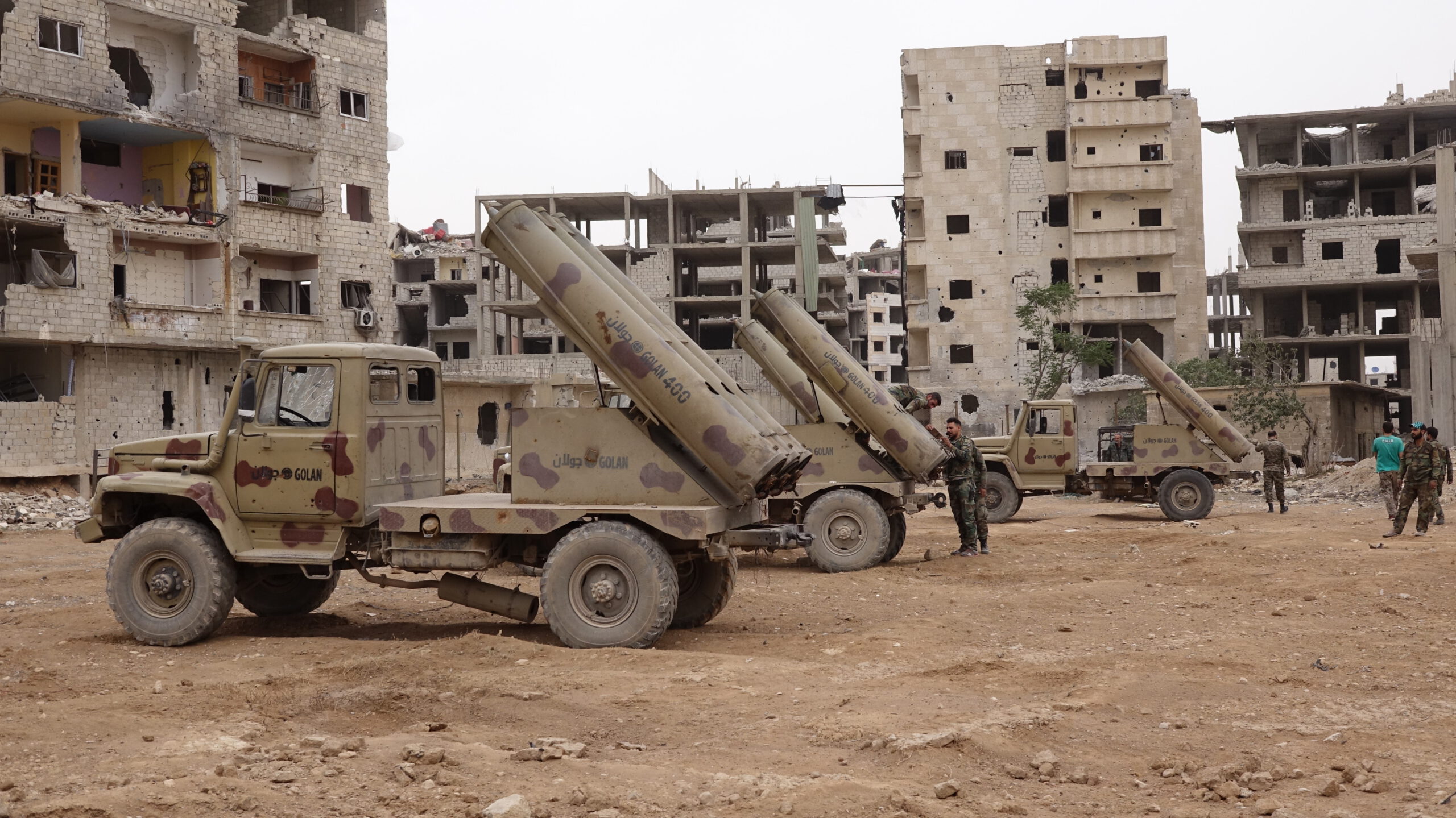
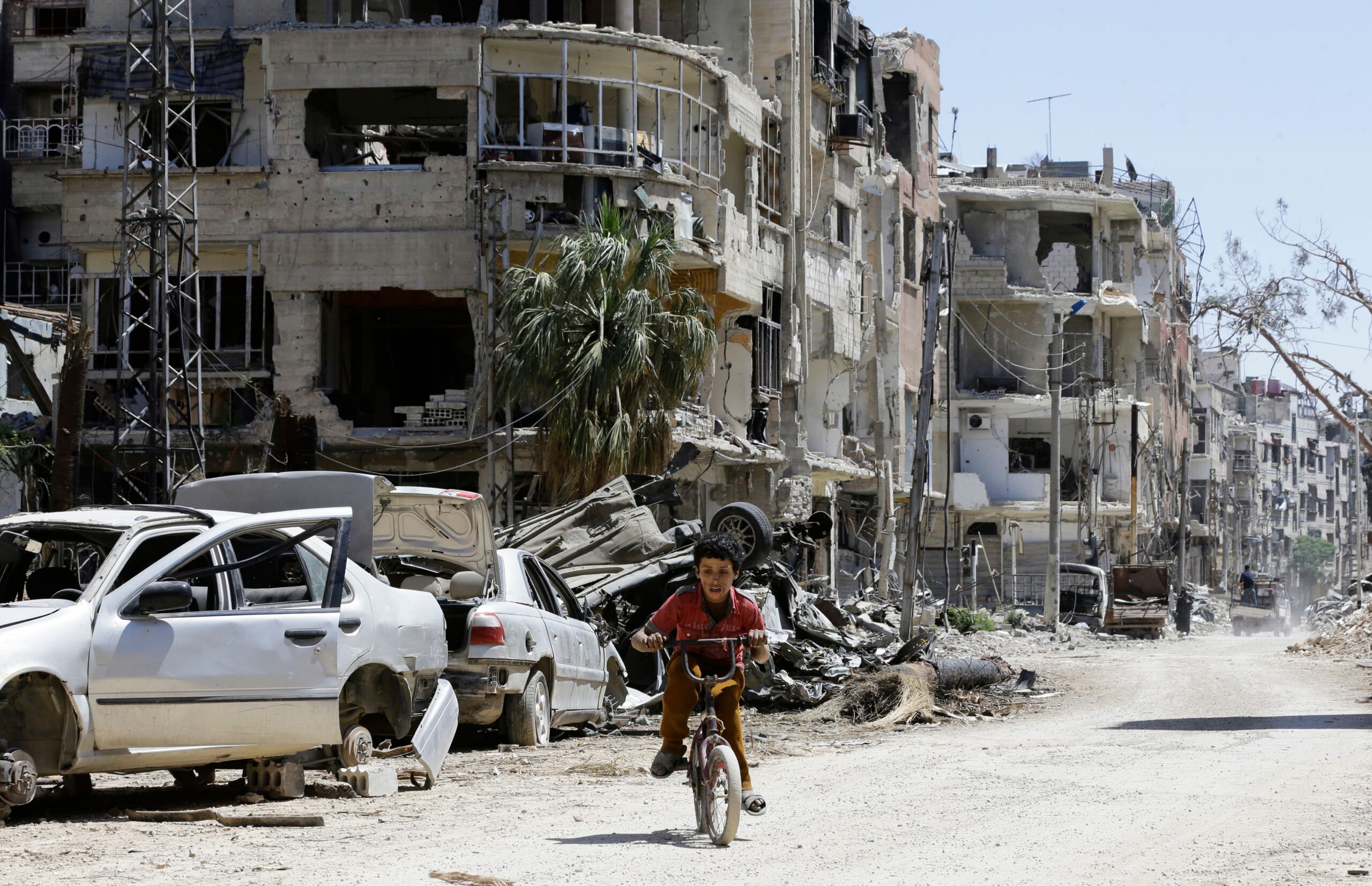
A “black hole” of information, East Ghouta is a dark example of the reimposition of the Assad regime’s rule over a community once controlled by the opposition. This paper, produced in association with ETANA Syria, shines a light on what the regime’s military rule looks like on the ground and the resulting human rights violations against the population, and details the scale of the Iranian presence in key strategic locations around Damascus.
Sri Lanka’s Easter Sunday Bombings: Moving Forward
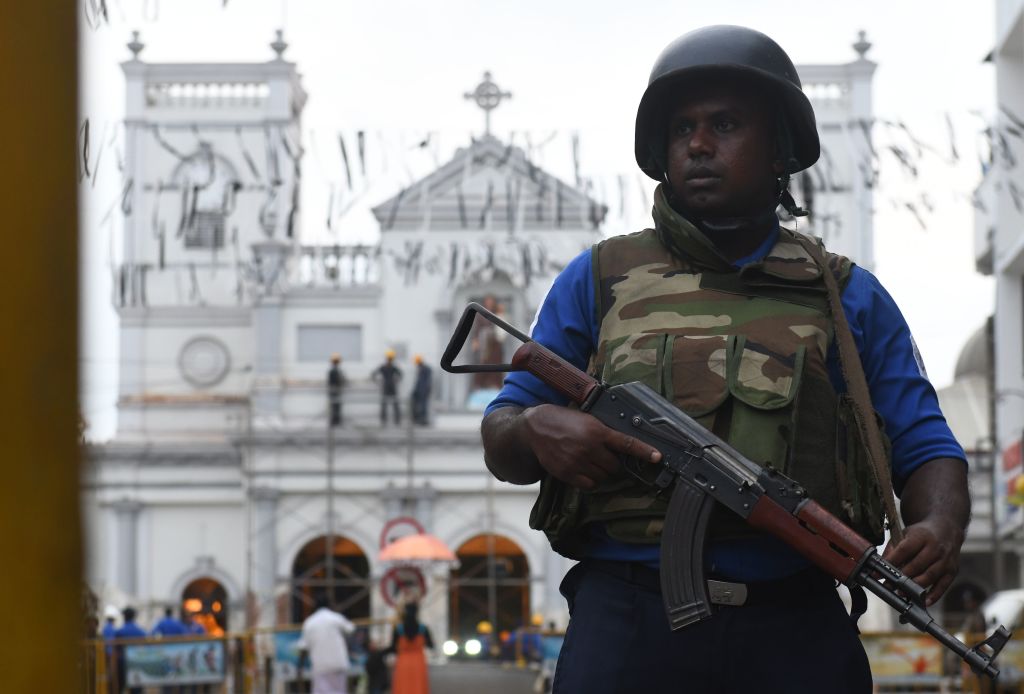
On Easter Sunday (April 21), a series of devastating terror attacks struck popular churches and high-end hotels in Sri Lanka. These tragic events rocked the nation and reverberated across Asia and beyond. This article discusses the circumstances surrounding the bombings and the authorities’ initial responses to them, and suggests ways to help reduce the risk of extremist violence in Sri Lanka.
The rise of ISIS post-2013 changed how we perceive jihadism, but it also transformed how jihadists perceive themselves and how they behave. ISIS’s brutality and indiscriminate violence created unprecedented fragmentation within the jihadi movement, leading to critical self-reflection and changes in codes of conduct. This paper examines how three different jihadi groups – the Afghan Taliban, al-Qaeda in the Indian Sub-Continent, and Tehreek- e-Taliban Pakistan (or the Pakistani Taliban) – responded to the challenges presented by ISIS.
The Syrian Civil War: A New Stage, but Is It the Final One?
Eight years on, the Syrian civil war is finally winding down. The government of Bashar al-Assad has largely won, but the cost has been steep. The economy is shattered, there are more than 5 million Syrian refugees abroad, and the government lacks the resources to rebuild. The country remains divided into three zones, each in the hands of a different group and supported by foreign forces. The Syrian government will not accept partition and is ultimately likely to reassert its control in the other two zones.
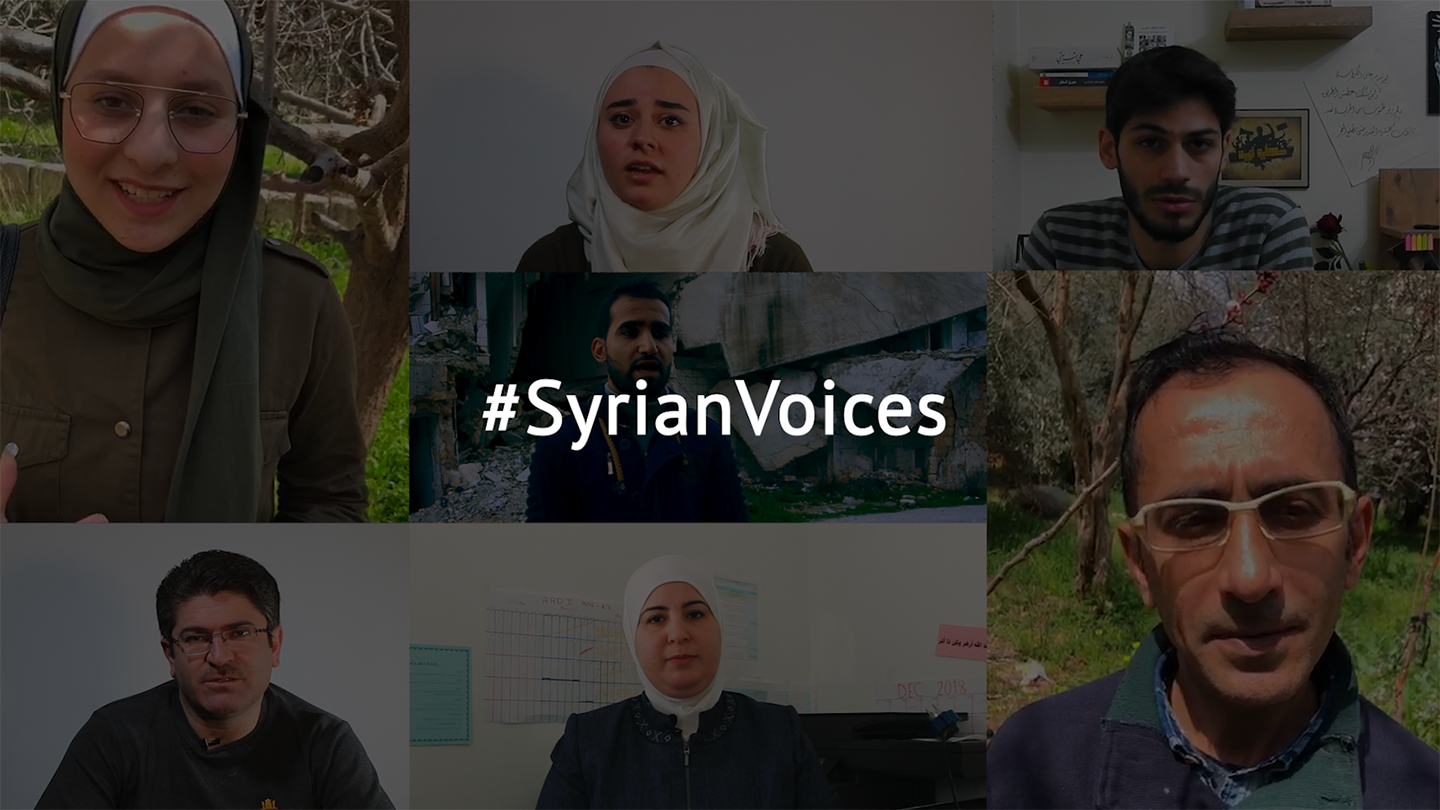
The Voices of Syria project is an undertaking by the Middle East Institute, in partnership with Syrian civil society, to better inform the general public and to guide policymakers toward a more holistic view of the situation in Syria by leveraging the voices of the unheard and their hopes and aspirations.
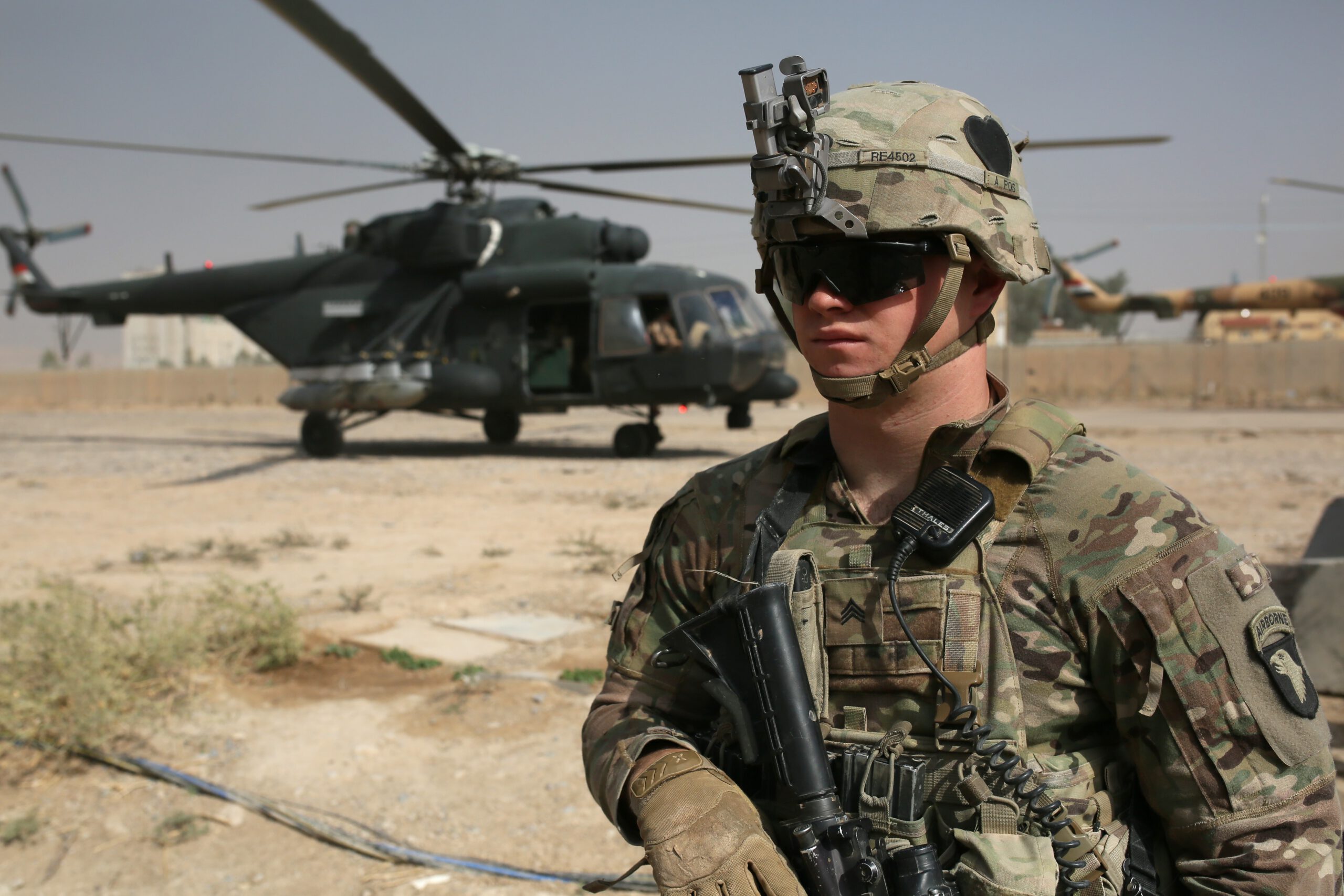
Despite the many obstacles, the U.S. and Iraq continue to work together to combat the threat of ISIS, and security elites in Baghdad and Washington understand the importance and value of the relationship. Yet, populists on both sides have repeatedly tested the others’ will in a dangerous game of chicken.
The oldest peer-reviewed publication dedicated to the study of the modern Middle East, MEI’s flagship journal covers politics, society, and culture in the region.