Over the past several weeks, the Houthis have seized the port city of Mokha, Yemen’s western coastline, and several islands in the Bab el-Mandeb Strait, and they are now massing around Marib and Taiz in the first major frontline shift since 2022. MEI Associate Fellow Nadwa Al-Dawsari joins host Matthew Czekaj to unpack the latest developments. Together, they discuss what has allowed the Houthis to advance against Yemeni government forces, the role the militant group plays in Iran’s regional strategy, and what it will take to contain the threat.
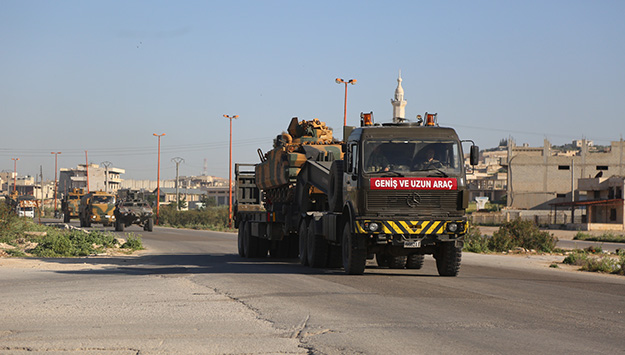
Though it has fallen out of the headlines because of the Iran war, Syria has had a dramatically consequential summer. Hosts Alistair Taylor and Matthew Czekaj are joined by MEI Senior Fellow Charles Lister to take stock of recent developments: the dissolution of the Kurdish-led Syrian Democratic Forces, Israeli strikes and the friction with Turkey they have exposed, the standoff in Sweida, as well as Damascus’s bid to turn Syria into a trade corridor between the Mediterranean and the Gulf. Is the transition consolidating or fragmenting nearly two years after the fall of the Assad regime?
As the US-Israel-Iran war enters its sixth month, the conflict has taken a sharp turn. After a brief lull in the fighting, Iran launched a surprise ballistic missile attack on US forces on July 28, and the US and Saudi Arabia struck back at Iran-backed militias in Iraq, marking Riyadh’s entry into the war. MEI Senior Fellow Alex Vatanka joins host Alistair Taylor to discuss the escalation, what may come next, and the state of talks over sharing the Strait of Hormuz.
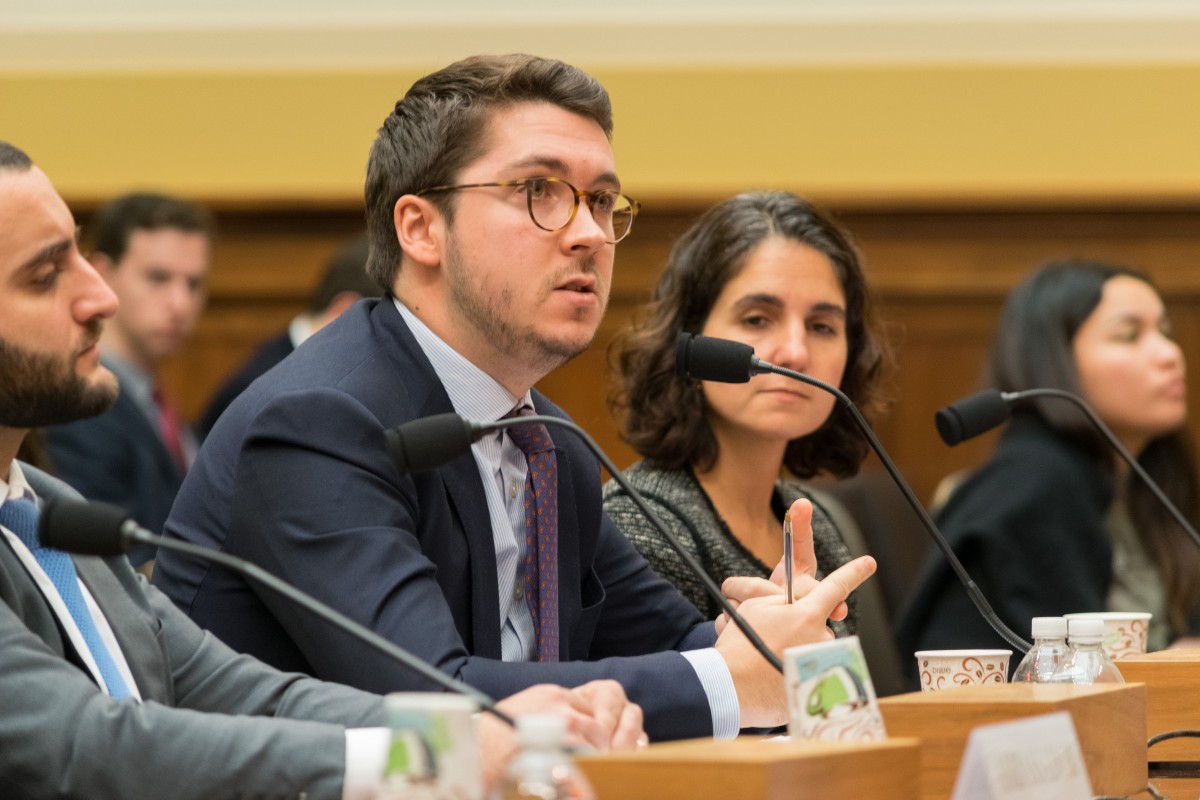
Syria: Which Way Forward? | Congressional Testimony by Charles Lister
The below testimony was delivered to the House Foreign Affairs Committee by Charles Lister on February 6, 2018. See also testimony by Amb. Robert S. Ford, delivered at the same hearing, or the video webcast of the proceedings.
January 10, 2018 – Mobile technologies for consuming and spreading information are empowering individuals and nonstate actors in politics and in conflicts. Social media activists scrutinize authoritarian and democratic powers alike. Violent extremists such as ISIS have used the web to advance their ideologies, project invincibility, undermine governments, and sow fear and hatred. The information battlefield surrounds all internet users.
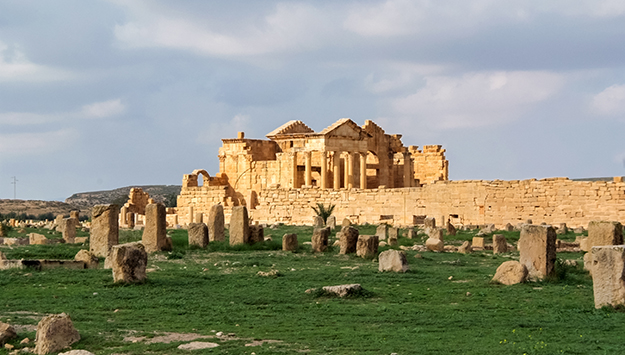
ISIS Eyes Tunisia’s Cultural Heritage as Militants Return
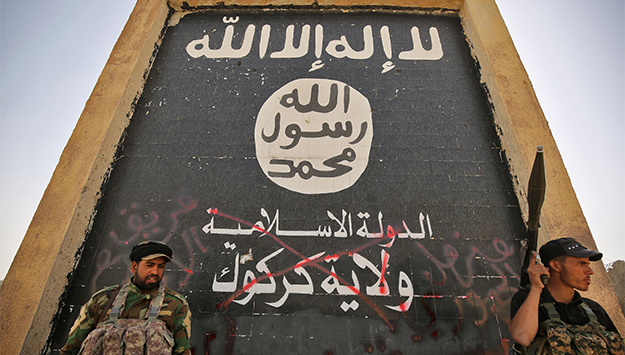
Looting and trafficking of antiquities in the Middle East and North Africa has reached unprecedented levels since the rise of ISIS. In a region with tens of thousands of archaeological sites, antiquities are as easily accessible as oil for terrorist groups controlling such archaeologically rich territory.
Last week’s terrorist attack in New York City utilized similar tactics to other low-tech attacks carried out in western Europe, closely following the ISIS playbook.
Jasmine El-Gamal, senior fellow at the Atlantic Council, Charles Lister, director of MEI’s Extremism and Counterterrorism project, and Will Wechsler, MEI senior fellow on national security and counterterrorism, join host Paul Salem to discuss what the attack means for U.S. counterterrorism policy and the future of the fight against ISIS.
The NYC Terror Attack and U.S. Counterterrorism Policy
November 2, 2017 – Charles Lister, director of MEI’s Extremism and Counterterrorism program, discusses what the recent terror attack in lower Manhattan, and the suspect’s claimed connection to ISIS, means for U.S. security and counterterrorism policy.
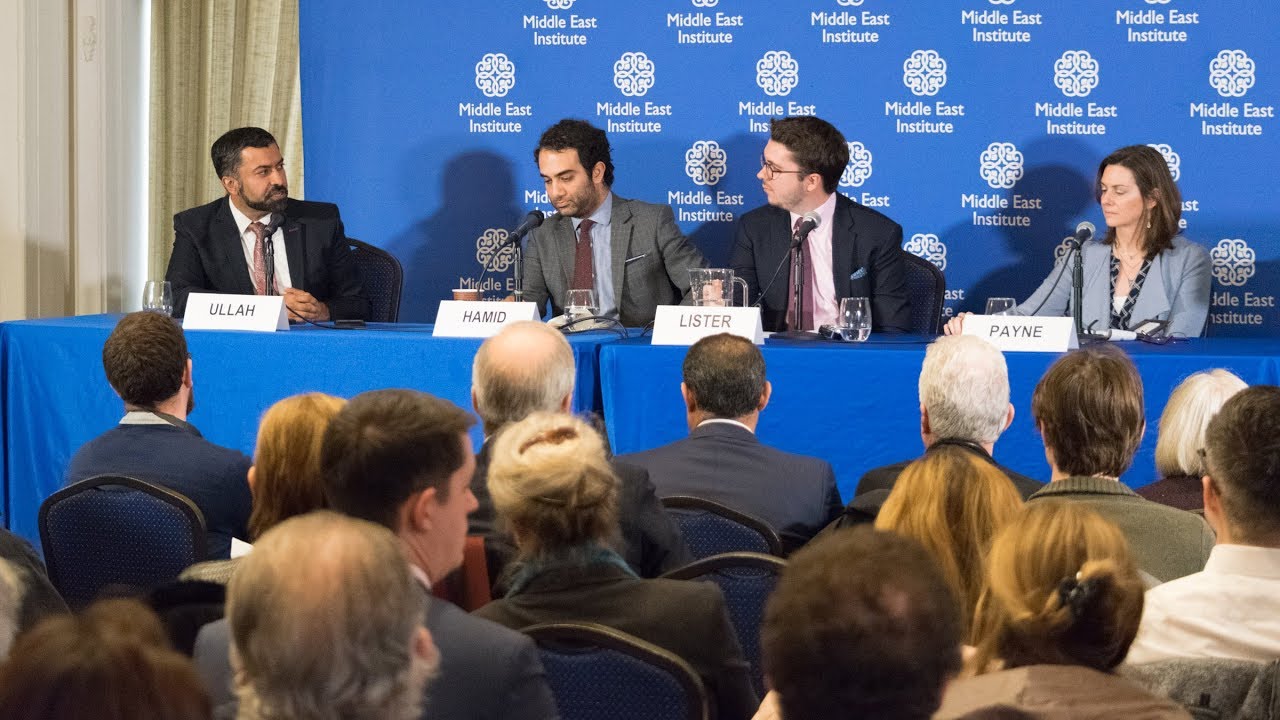
Who will win the spoils from ISIS’ demise in Syria? The Syrian civil war is entering a new phase with the liberation of Raqqa, as well as the Turkish intervention in the north. MEI experts Paul Salem, Charles Lister, Ibrahim al-Assil and Gonul Tol discuss the latest developments in Syria.
House Committee Passes Anti-Hezbollah Legislation | MEI Flash
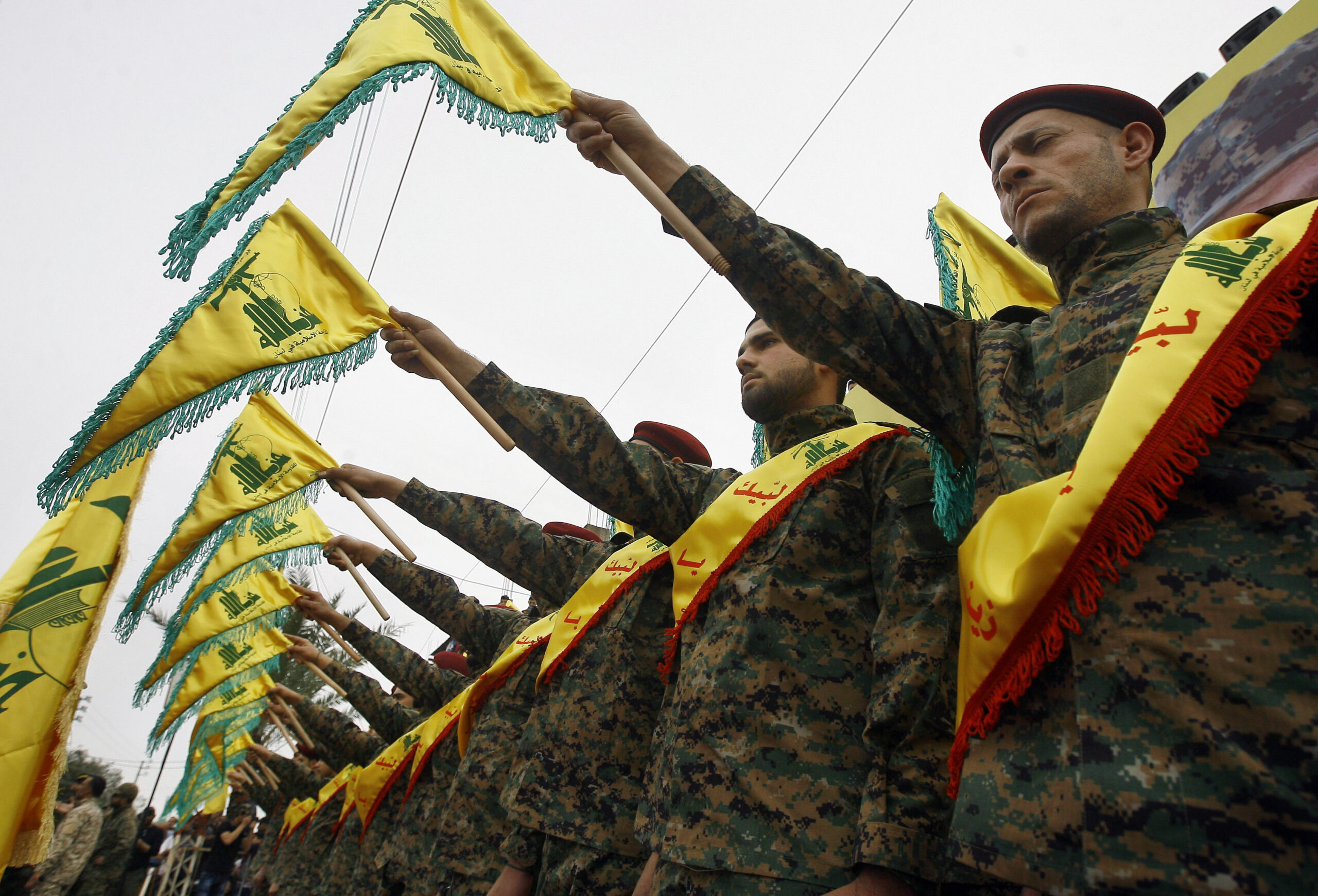
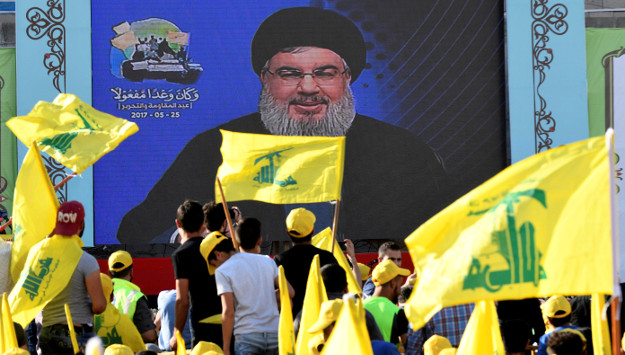
The U.S. House of Representatives Foreign Affairs Committee passed two bills today that tighten sanctions on Hezbollah. The bills amend sections of the Hezbollah International Financing Act of 2015. The first bill imposes sanctions on any foreign person that assists a number of key Hezbollah financial, security, foreign relations, and media institutions. The second bill imposes sanctions on persons responsible for use of people as human shields in the 2006 war or thereafter, and names Hezbollah senior leadership among those intended.
The oldest peer-reviewed publication dedicated to the study of the modern Middle East, MEI’s flagship journal covers politics, society, and culture in the region.