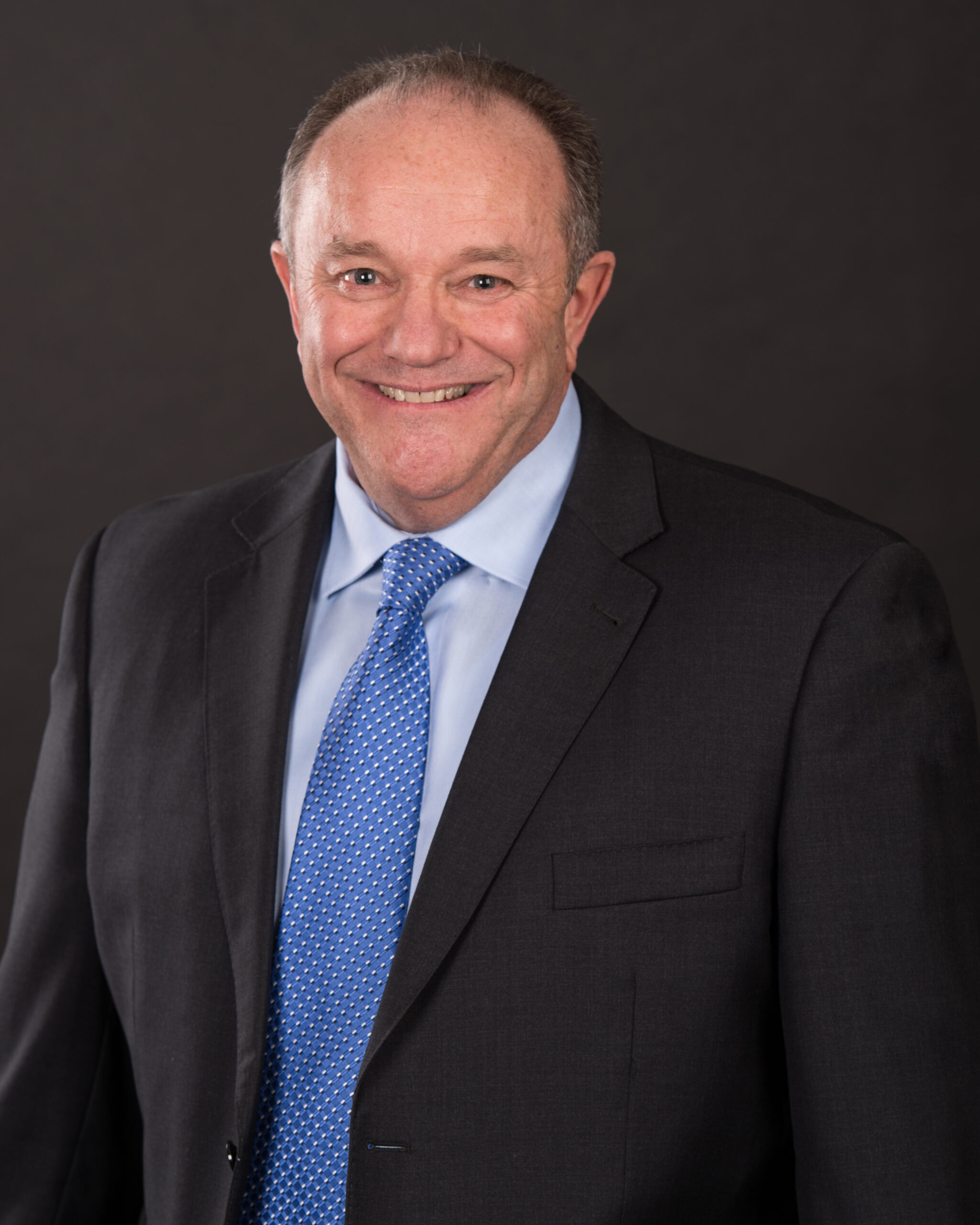
Philip Breedlove is retired General of the United States Air Force. Highly decorated, he reached the pinnacle of the United States Military as one of six geographic Combatant Commanders and Supreme Allied Commander of NATO. During 39 years of service, he held a variety of demanding command and staff positions: Supreme Allied Commander Europe (SACEUR), Commander of US European Command; Commander, US Air Forces Europe and Air Forces Africa; Vice Chief of Staff of the Air Force; and Assistant Chief of Staff for Air Operations, Plans and Requirements.
Gen. Breedlove is a proven strategic planner, a motivational leader and talented communicator. He currently serves on the Georgia Tech Advisory Board, serves as a Distinguished Professor at the Sam Nunn School of International Affairs at Georgia Tech, as CEO of Emerald Coast Strategic Solutions, and is on the Board of Directors of the Atlantic Council.
Gen. Breedlove earned his Bachelor of Civil Engineering from The Georgia Institute of Technology and a Masters of Science in Aerospace Technology from Arizona State University. He completed a Masters of International Security Affairs from the National War College, a Fellowship in International Security Affairs, Seminar XXI from the Massachusetts Institute of Technology and completed Leadership at the Peak at the Center for Creative Leadership Colorado Springs.
The Latest from General (Ret.) Philip Breedlove
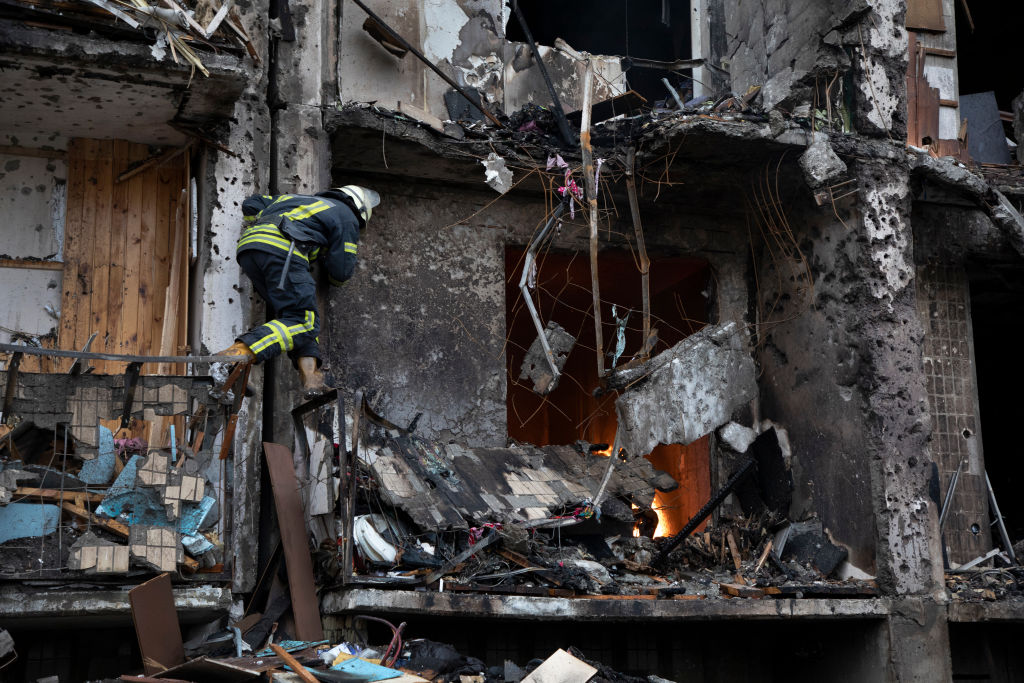
Sanctions won’t move Putin — we must bolster Ukraine’s air defenses
Attempts at deterrence by sanctions have failed. The question now is: Does the West expect sanctions to change Russian President Vladimir Putin’s actions? We think not — and the world should have given up years ago on expecting them to dissuade him.

Now more than ever, the US needs to reaffirm its commitment to Georgia
As we near the 13th anniversary of the end of the Russia-Georgia war, we reflect on the continuing tragedy of Russia’s invasion and occupation of Georgia. The consequences of this Russian aggression continue to place a heavy burden on Georgia today. Since 2008, we have witnessed the country’s tremendous commitment to overcoming Russia’s malign influence. Georgians’ overwhelming and bipartisan support for the country’s path toward EU and NATO integration has not been diminished — despite continuous Russian pressure.

Biden’s Challenge: Continuing Progress in Eastern Europe Despite Russian Adventurism
The Biden Administration has a firm foundation upon which to build in Eastern Europe. As part of its focus on great power competition in the region, the Trump Administration sharply increased funding for the European Deterrence Initiative (EDI), covering costs for U.S. troops in Europe and security support for strategic allies, while repositioning some U.S. forces in Europe to the eastern flank. We have made important steps to support our strategic allies in Eastern Europe, but this administration needs to stay the course and increase its focus and commitment to the Black Sea region. Russia must understand the costs of their adventurism in order to prevent further reckless behavior.
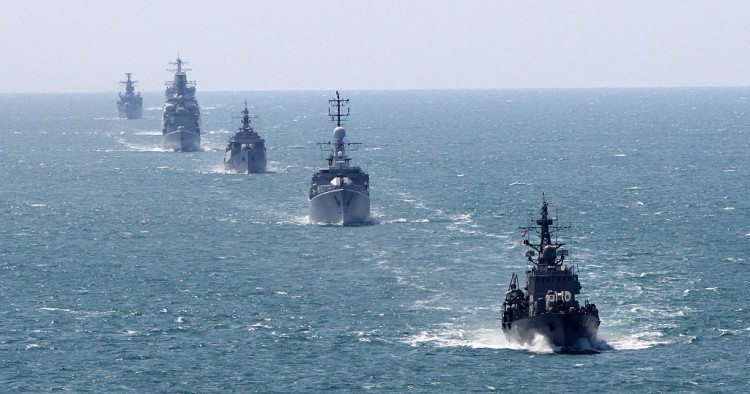
The Black Sea: How America Can Avoid a Great-Power Conflict
Many Americans find the whole swath of territory in eastern Europe, near Russia, very far away and hard to conceptualize. This part of the world involves a number of countries, small and large, that are generally not the most frequently discussed in American news nor frequented by American tourists. To make sense of much of this remote region, it can be helpful to take a perspective that centers on the Black Sea and views that body of water as the key point of reference for much of the region. Doing so not only helps clarify what Russia is up to in its near-abroad, but also shines a spotlight on Chinese activity, and what is required of America in response.