Roshni Kapur is a Research Analyst at the Institute of South Asian Studies at the National University of Singapore where she specializes in conflict resolution, peacebuilding and transitional justice in Sri Lanka. She was a graduate student at the University of Sydney where she majored in Peace and Conflict Studies.
The Afghan Taliban and Covid-19: Leveraging the Crisis or a Change of Heart?
Pandemics strike hard in conflict zones. As of April 8, 2021, Kabul had recorded 56,943 confirmed cases of Covid-19 and 2,516 deaths. The Afghan Taliban have approved the administering of Covid-19 vaccines, which is a departure from its previous opposition to immunization programs. This article discusses the Taliban’s novel approach to the coronavirus pandemic and what it might or might not signify.
Covid-19 in India and Sri Lanka: New Forms of Islamophobia
In recent years, Islamophobia has been on the rise both in India and Sri Lanka. The spread of the Covid-19 pandemic in South Asia has also produced new forms of Islamophobia in New Delhi and Colombo. While governments around the world have played the blame game and typecast one ethnic group or community as the “super spreaders,” the stigmatization of the Muslim community in India and Sri Lanka has become normalized, cutting across different demographics.
The Shift to Majoritarian Politics and Sectarianism in India: Domestic and International Responses
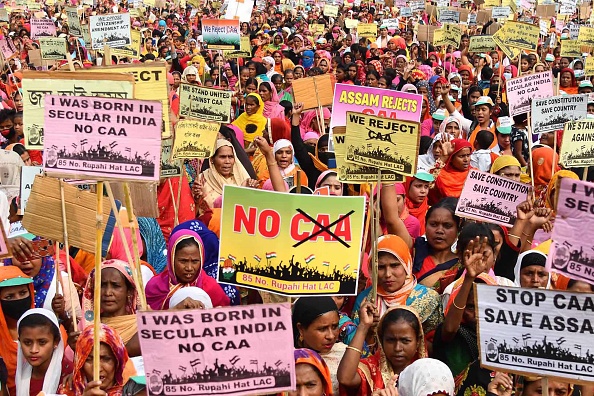
There has been a visible shift towards majoritarian politics and sectarianism in India since the Bharatiya Janata Party’s (BJP) accession to power in 2014. The party has promoted a Hindutva ideology that declares India as fundamentally Hindu and as such, its culture should be viewed in terms of Hindu ideas and values. This article discusses the series of controversial policies that the BJP under the National Democratic Alliance (NDA) has implemented since its re-election in 2019 and the domestic as well as international reactions they have elicited.
Post-Election Sri Lanka: Inter-Communal Relations in Gotabaya Rajapaksa’s Presidency
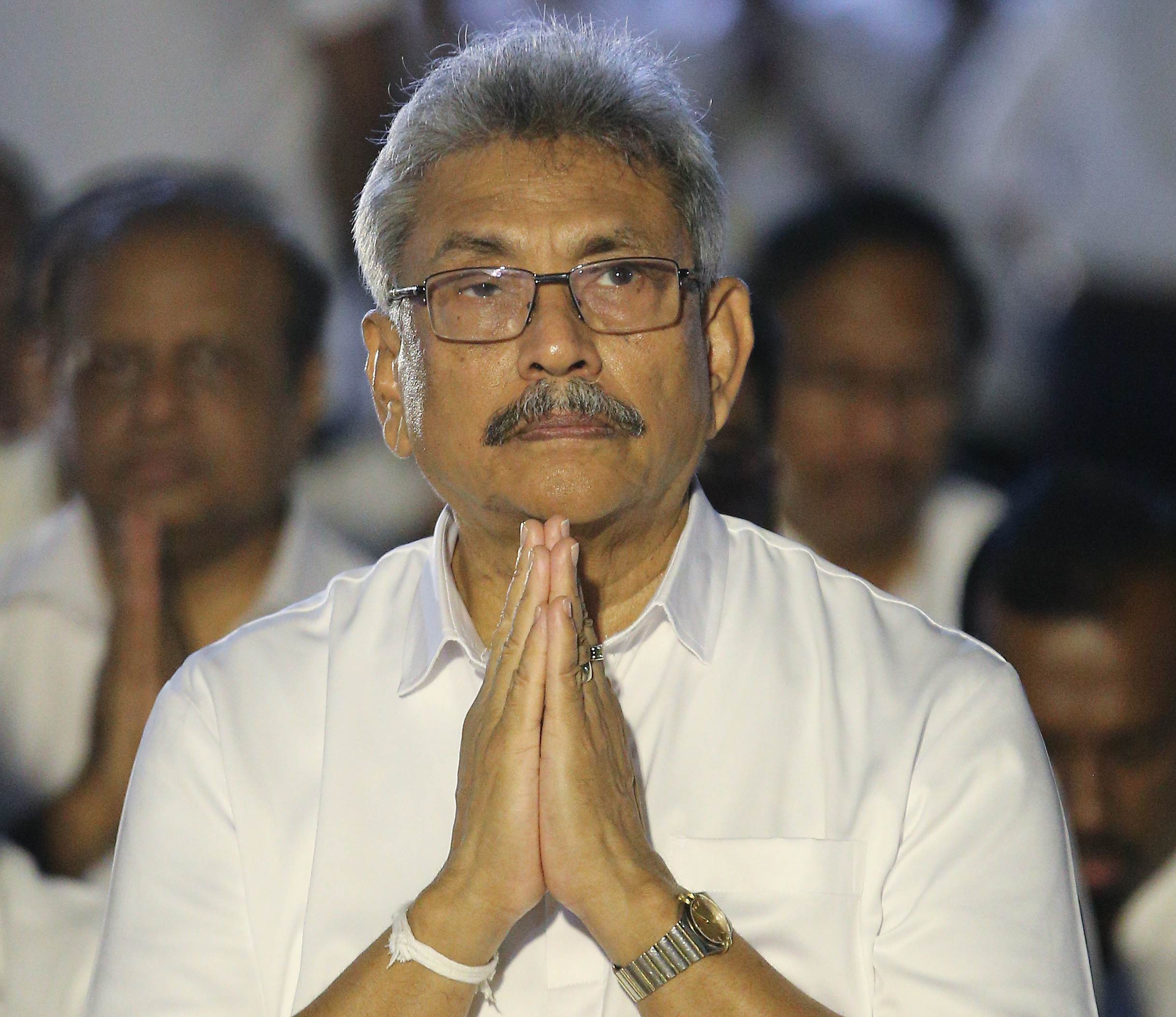
Gotabaya Rajapaksa won a decisive victory in the November 16 Sri Lankan presidential election. Although this election was not as polarized as the previous one, the voting patterns demonstrate the divergence in key priorities for the country’s majority and minority communities.
Sri Lanka’s Easter Sunday Bombings: Moving Forward
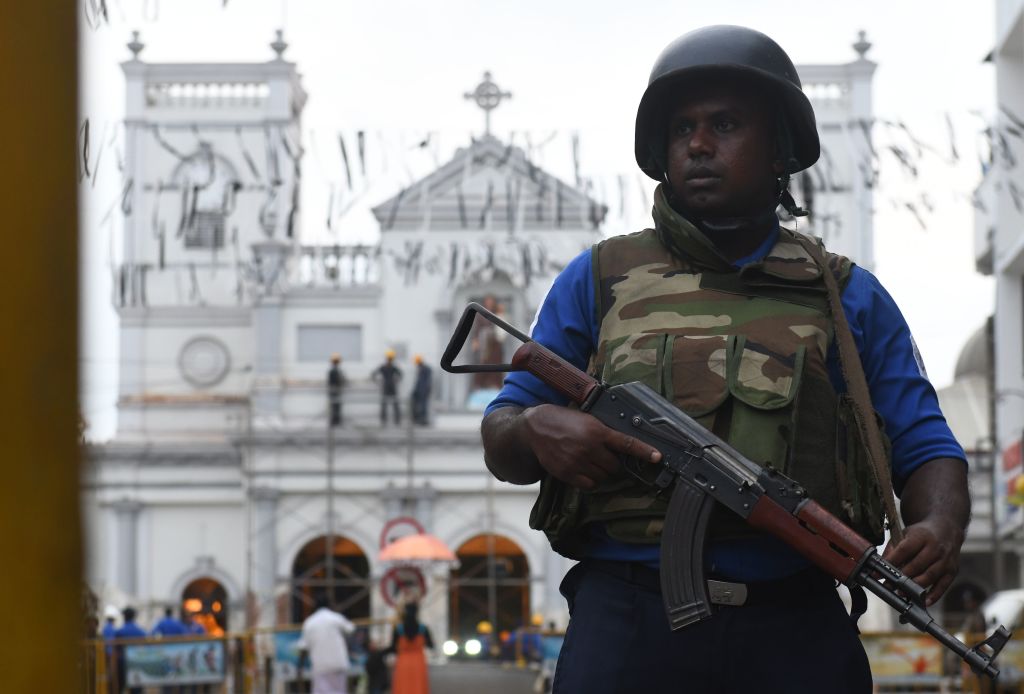
On Easter Sunday (April 21), a series of devastating terror attacks struck popular churches and high-end hotels in Sri Lanka. These tragic events rocked the nation and reverberated across Asia and beyond. This article discusses the circumstances surrounding the bombings and the authorities’ initial responses to them, and suggests ways to help reduce the risk of extremist violence in Sri Lanka.