This individual is a guest contributor. MEI is not able to assist with contact requests.
Alexey Khlebnikov is an expert on the Middle East at the Russian International Affairs Council. He also used to work as a consultant to various think tanks and institutions in the U.S., Middle East, and Russia. During his Master’s and Ph.D. studies, he has made several research trips working and studying in Syria, Israel, Egypt, and Hungary. He has been published on international relations topics in particular on the Middle East in academic journals and media sources in Russia, Europe, U.S., and the Middle East. He received his Master’s degree in Global Public Policy from the Hubert H. Humphrey School of Public Affairs at the University of Minnesota as an Edmund S. Muskie Scholar and both Bachelor’s and Master’s in Middle East studies from Lobachevsky State University in Nizhni Novgorod. His theses were devoted to the “Arab Spring” failure in Egypt and Syria. Currently he is a Ph.D. candidate.
What does the Saudi oil facility attack mean for Russia?
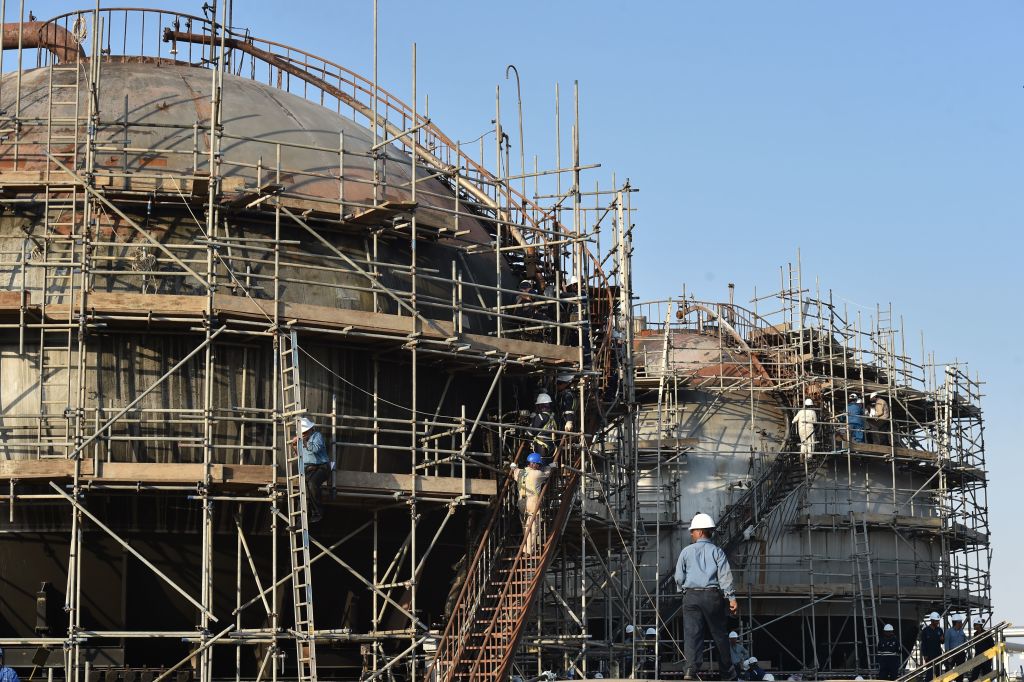
The Sept. 14 attack on key Saudi oil facilities, which knocked out over half of the kingdom’s oil production, has signaled a significant change in approach toward regional and global security. It’s clear that things won’t be the same again. But what does it mean for Russia?
The attack reduced Saudi oil production by 5.7 million barrels per day (bpd), leading to a sharp rise in global oil prices of nearly 20%. Although this was a very important development from an energy and economic perspective, we should not underestimate the political and security ramifications either. The entire paradigm of a secure Gulf under the protection of the U.S. military umbrella has been undermined.
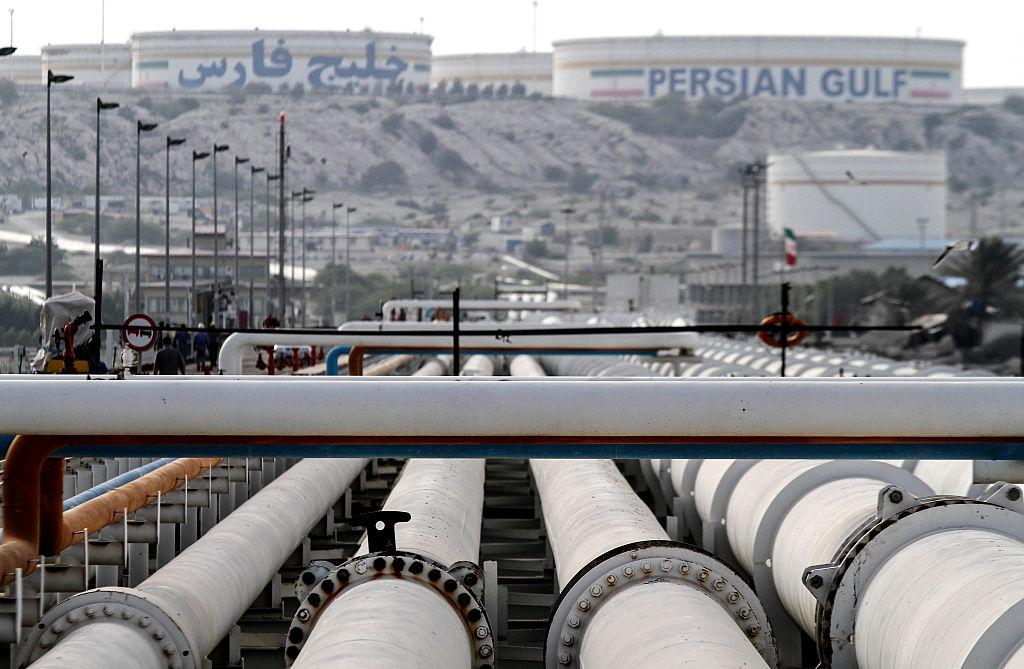
When it was signed four years ago, the Iran nuclear deal was widely perceived as a diplomatic triumph, a move that would help reintegrate Iran into the global economy and restore its relations with the West. Things haven’t quite turned out that way, however.
Russia looks to the Middle East to boost arms exports
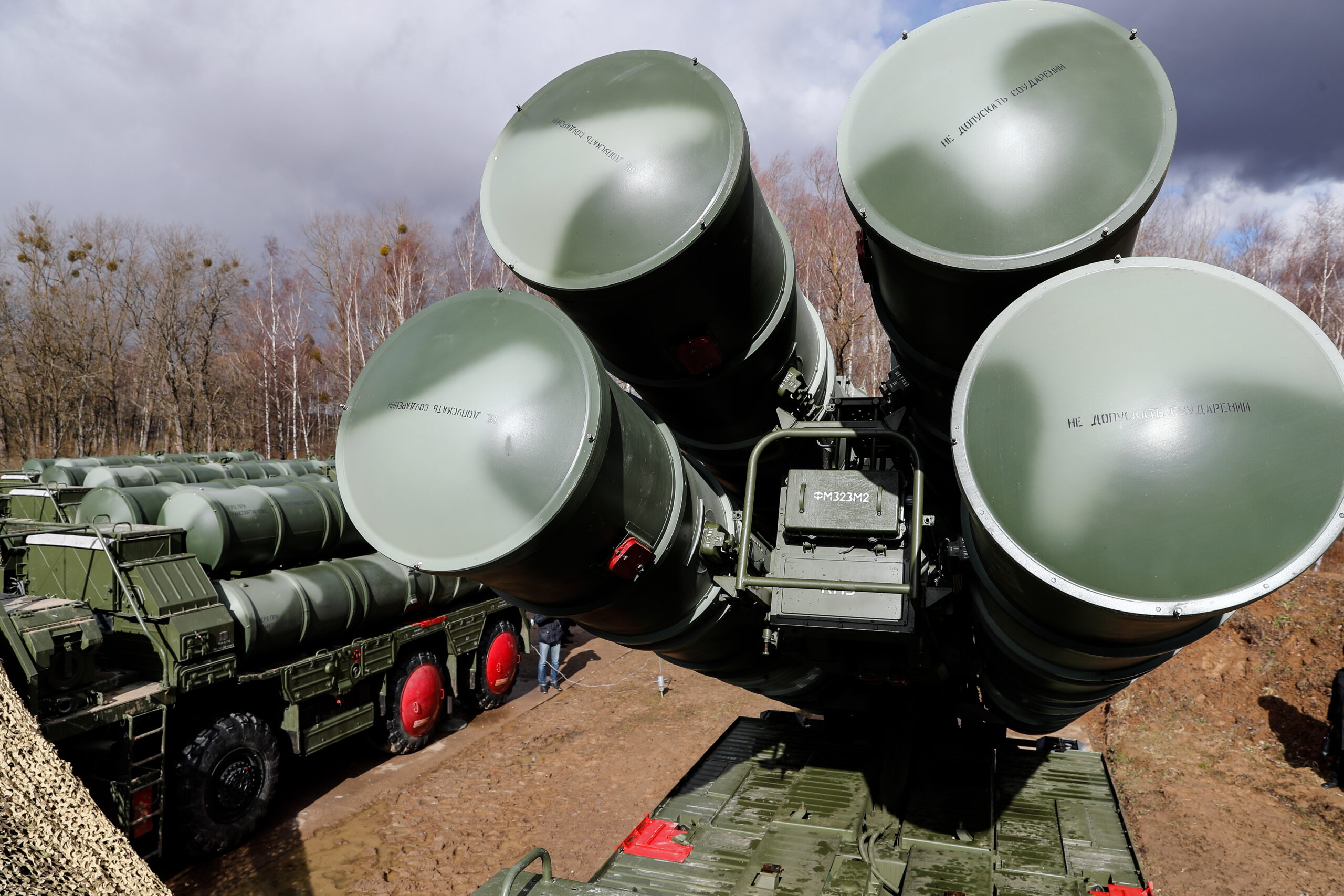
According to SIPRI’s recently published annual report, Russia’s share of global arms exports shrank by around one-fifth over the last decade, falling from 27 percent to 21 percent, while the U.S. share increased from 30 percent to 36 percent, widening the gap between the two major arms exporters. As Russia looks to reverse this decline, it is focusing on the Middle East, the world’s second-largest and fastest-growing arms market, as a way to boost its exports.
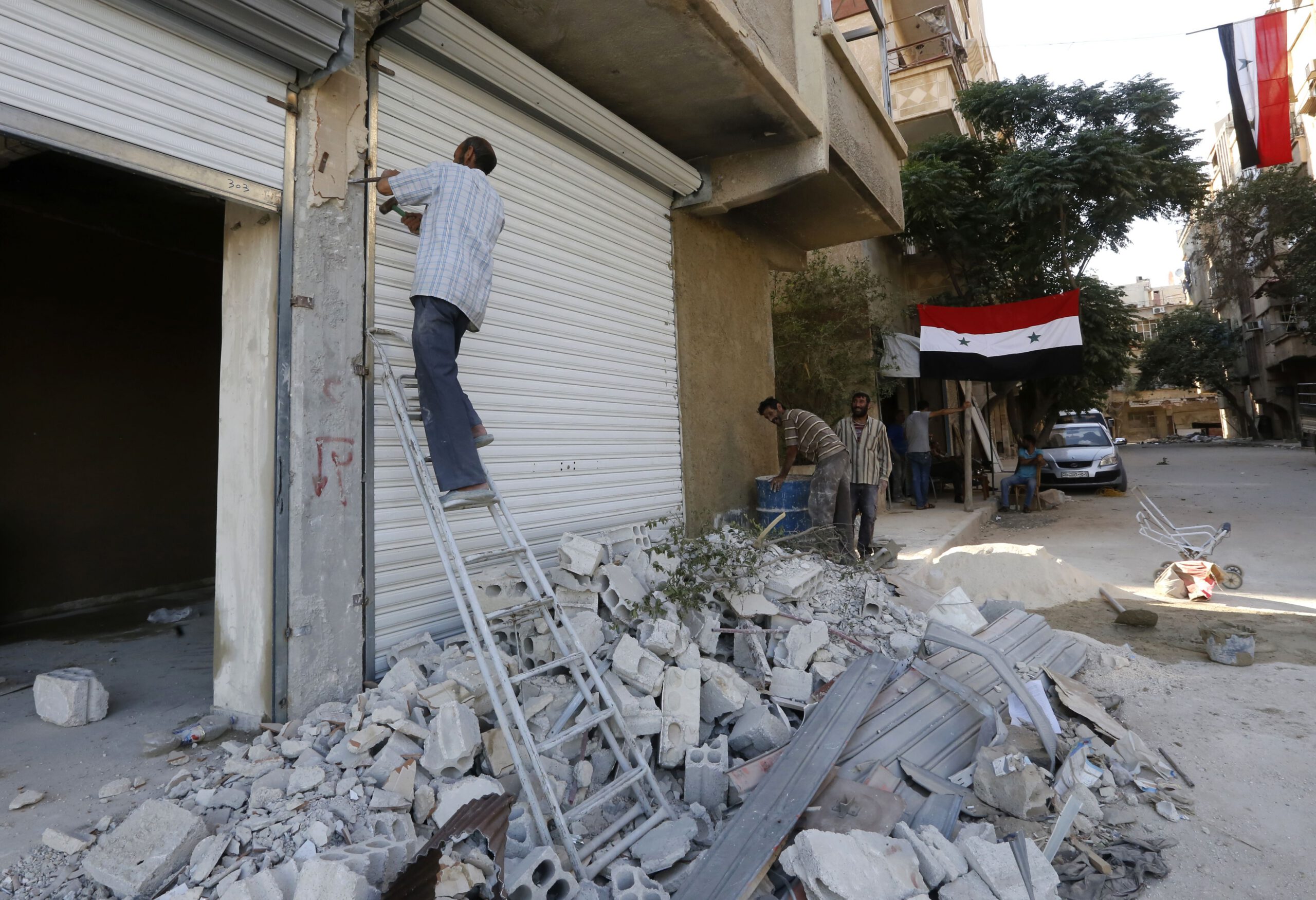
A poisoned chalice? US withdrawal from Syria would create new risks for Moscow
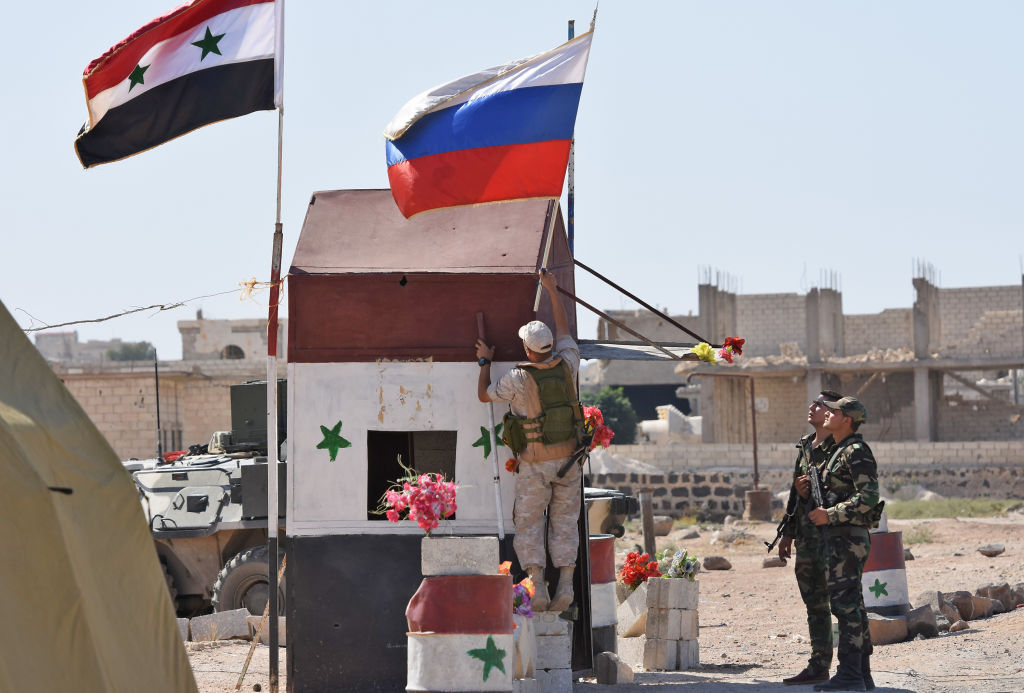
At first glance Trump’s decision to withdraw U.S. troops from Syria might seem to benefit Moscow. But dig a little deeper and the situation becomes much less clear and creates a lot of ambiguity and complexity for Russia.
While non-Arab powers have taken the lead in the Syrian crisis so far, Damascus will need to restore political, economic, and diplomatic ties with regional Arab states as it moves into the phase of postwar reconstruction and development.
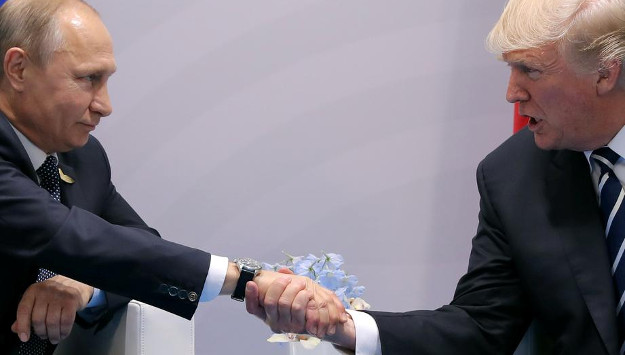
Trump-Putin Meeting a Potential Game Changer for Syria
The long-awaited meeting of Presidents Vladimir Putin and Donald Trump finally took place on the sidelines of the G-20 summit in Hamburg, which came at a time of cool relations between Washington and Moscow.
Despite ongoing tensions, the two powers appeared to embrace a constructive approach to their first meeting, focusing on issues where progress is possible, such as Syria.
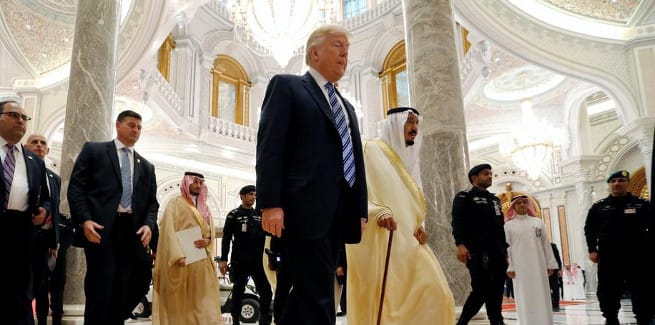
What Does Trump’s Visit to Saudi Arabia Mean for Russia?
On May 20, President Donald Trump landed in Riyadh for the first stop of his nine-day Middle East and European tour. Many hoped that the president’s long-awaited trip would clarify his administration’s approach to the Middle East. As expected, the most important developments involved a $110 billion arms deal, anti-Iranian rhetoric and plans to establish an “Arab NATO.”
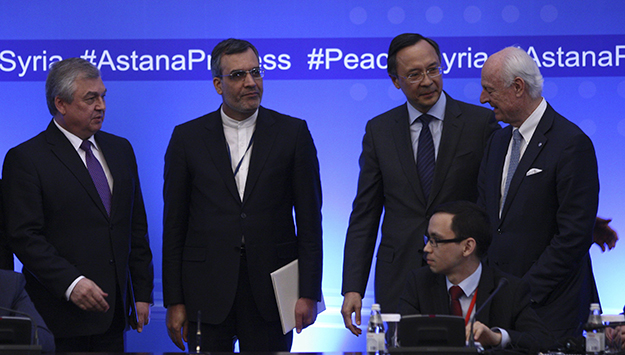
Last week’s round of Astana talks was particularly important with the Syrian government, the opposition, and various regional patrons agreeing to Russia’s de-escalation plan of the conflict.
The initiative is a significant achievement, given that it comes after the chemical attack on Khan Sheikhoun and the U.S. strike in response, which heightened tensions between Washington and Moscow.