This individual is a guest contributor. MEI is not able to assist with contact requests.
Maung Zarni is a non-resident fellow with the Sleuk Rith Institute, Permanent Documentation Centre (of Genocide) in Cambodia, specializing in “Buddhist” racisms and state crimes in Asia. He has been a human rights activist, particularly on his native country of Burma, for nearly 30 years and has written extensively on Burmese affairs. He was educated at the universities of California (Davis), Washington and Wisconsin (Madison). Zarni has taught and/or held academic, research and visiting fellowships at universities in N. America, Europe and Asia, including Harvard, Oxford, LSE and UCL Institute of Education, University of Malaya and University Brunei Darussalam.
Myanmar: The February Coup and the Rohingya Genocide
Since the NLD emerged as the most potent challenger to the military’s monopoly grip on state power three decades ago, the generals have tried different methods of exclusion, disenfranchisement and purposive prosecution against Aung San Suu Kyi and all dissidents. Today, they are discovering that Suu Kyi and the NLD are a mere expression or embodiment of the democratic will of Burmese society. The military leadership is unlikely to be able to defeat 50 million people who have decided that a half-century of life under the boot is more than enough.
Ensuring the Safety of Rohingyas as a National Minority Inside Myanmar: Who? How?
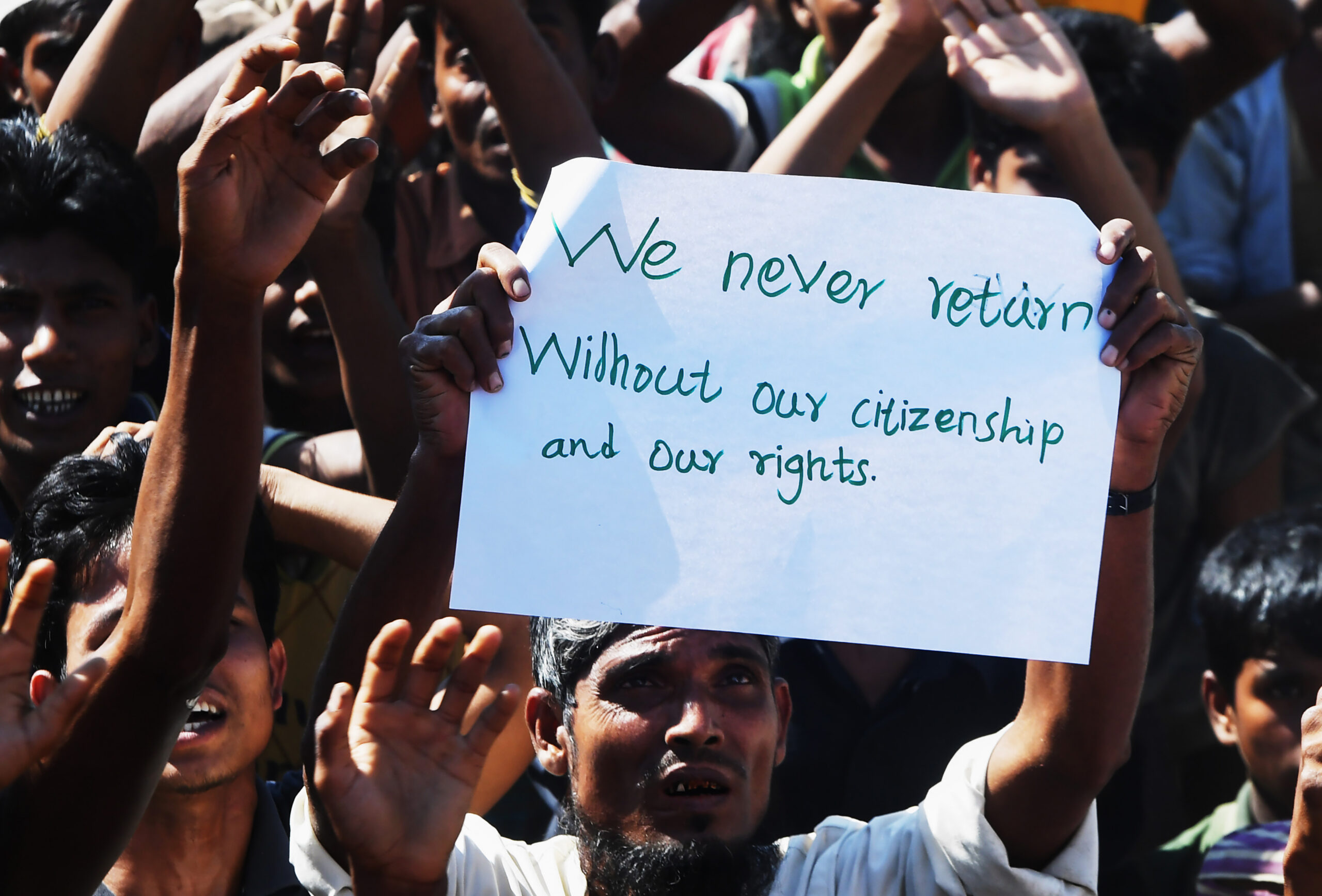
Amid calls for international accountability, the government of Bangladesh has prioritized the repatriation of Rohingyas. In this article, the authors examine the pressures and motivations of the various players that favor repatriation. They argue that, given the current circumstances, it is inconceivable that any repatriation will be voluntary or sustainable.
Waves of Genocidal Terror against Rohingyas by Myanmar and the Resultant Exodus Since 1978
This essay aims to highlight the scope and rhythmic nature of Burma’s persecution of Rohingyas the devastating impact on the Rohingya population. First, it sets out to describe and help readers understand the evolving pretexts given by the successive Burmese governments and the methods of group destruction and resultant waves — five in total — of the outflow of Rohingyas in large number. Then it attempts to offer an interpretive framework within which this cycle of violence-exodus-lull is best understood.
An Evolution of Rohingya Persecution in Myanmar: From Strategic Embrace to Genocide
This essay discusses the persecution of, and violence committed against, Rohingya. The authors argue that recent waves of state-directed violence communal destruction, far from being a new phenomenon, have been occurring since 1978 and are part of a process of “slow-burning genocide.”