This individual is a guest contributor. MEI is not able to assist with contact requests.
Joseph Fahim is an Egyptian film critic and programmer. He is a member of Berlin Critics’ Week and the Arab representative of Karlovy Vary Film Festival. He is also the former director of programming of the Cairo International Film Festival. He co-authored various books on Arab cinema and has contributed to numerous publications in the Middle East, including Al-Monitor, Al Jazeera, Visions, Egypt Independent and The National (U.A.E.), along with international film publications such Verite. His writings have been published in five different languages thus far.
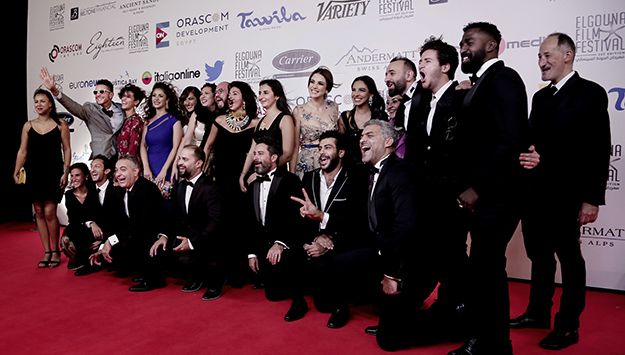
The view from El Gouna, the luxury Red Sea resort constructed in the late 1980s by Egyptian business tycoon Samih Sawiris, can be misleading. The plush yachts, pricey food menus and grand parties present an alternative reality to the financially-strapped, religiously conservative one of the capital. In other words, El Gouna is not Egypt. The industry’s muted, skeptic reaction to the establishment of an international film festival in Hurghada’s most affluent town this year was thus quite expected.
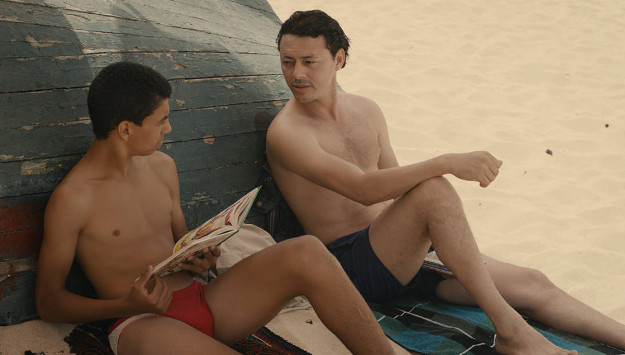
One of the most revealing moments of the recently concluded Ramadan TV season occurred in the new Egyptian series, Don’t Turn Off the Sun. A newly-wedded young wife finds out that her husband is having an affair with his male friend; a liaison that ultimately leads to the dissolution of their marriage. The most telling aspect of what was potentially perceived as a provocative move from the series’ makers was the fact that it didn’t stir any controversy at all.
Since its inception in 1993, the Sharjah Biennial has become the biggest art event in the Arab world. It is an enormous cultural podium whose breadth, scope, and ambition is unrivaled in the region. Encompassing new commissioned pieces, film screenings, video and audio installations, and copious talks throughout its lengthy duration, the Sharjah Biennial has transcended its fine arts origins to evolve into a global endeavor.
The long, turbulent history of Lebanese cinema is one fraught with financial precariousness, thwarted potentials, and colonialist impediments. Fighting for decades to break away from the hegemony of Egyptian cinema, Lebanon finally came of age in the 1960s and 1970s, reaching a peak with a series of hugely popular mainstream flicks that included the popular Rahbani/Fairuz folk musicals. The rise of what was once deemed as the most exciting Arab cinema at the time proved to be short lived, coming to a premature halt with the outbreak of the Lebanese Civil War.
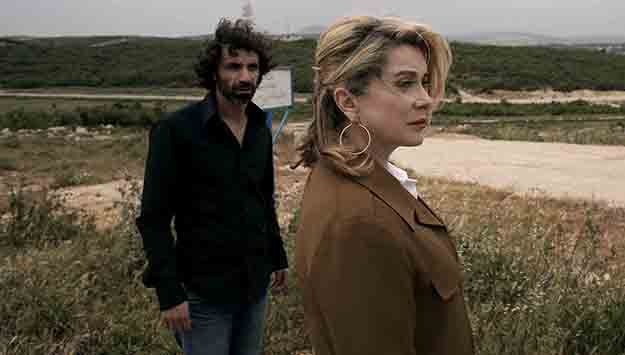
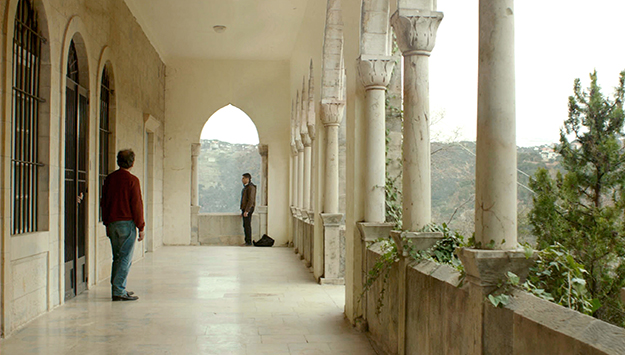
Countless films have been made about the Lebanese Civil War, the dominant subject of Lebanese cinema for the past 40 years. But in Vatche Boulghourjian’s striking debut film Tramontane, he wanted to tell a different story and tackle the lingering legacy of the civil war.
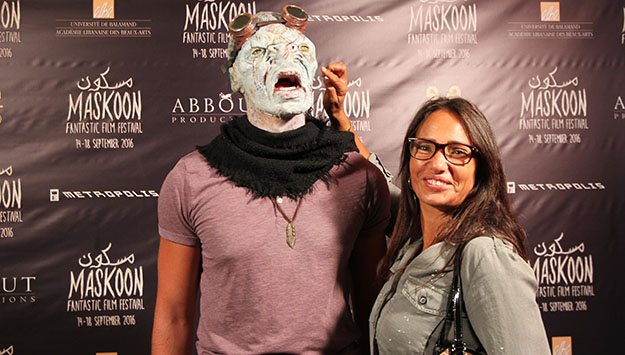
A different kind of horror descended upon Beirut with the opening of Maskoon Fantastic Fest, the Middle East’s first film festival for horror, fantasy, action, and science-fiction.
The brainchild of Abbout members, Lebanon’s most prominent production house, Maskoon was an attempt to expand the scope of genres undertaken by the local industry. The festival was held September 14-18.
Clash—Hit Movie about Post-2011 Egypt Fails to Provoke
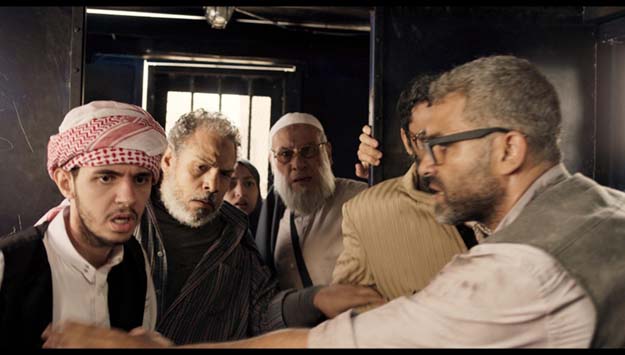
How do you comprehensively depict an impossibly complex event like the Egyptian January 25 Revolution and its aftermath on screen? This is the question Egyptian filmmakers have ventured to tackle since the outbreak of the country’s transformative uprising in 2011. The first batch of movies—omnibus fiction 18 Days, the documentary The Good, the Bad and the Politician, Ahmed Rashawan’s Born on January 25 —were reactionary pieces, imbued with the jubilant sensation of Mubarak’s ouster.
Remembering Mohamed Khan—the Leader of Egypt’s Neo-Realist Cinema
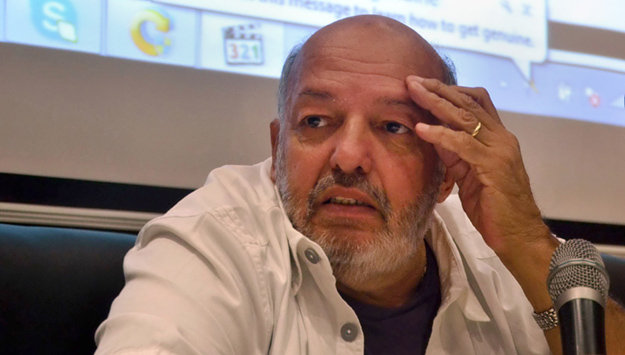
Of the numerous artists claimed by the grim reaper this year, the sudden death of veteran Egyptian filmmaker Mohamed Khan at 73 was among the most impactful. Widely considered as one of Egypt’s greatest directors, the vivacious, imposing Khan had a voracious appetite for life that concealed his real age. He was a man who always seemed to be bigger than death.
In their dissection of this year’s Festival de Cannes, analysts have noted the glaring absence of the most pertinent theme in present French debates: the relation of France to the Arab world following the Paris terror attacks last November. Cannes remains an exclusive club, restricted to the world’s most prominent filmmakers, the majority of whom are Cannes alumni—Ken Loach, Olivier Assayas, Pedro Almodóvar, Cristian Mungiu, and so forth. The various sidebars of the fest have made up for this omission, featuring ten pan-Arab films mostly by second-generation French Arabs.
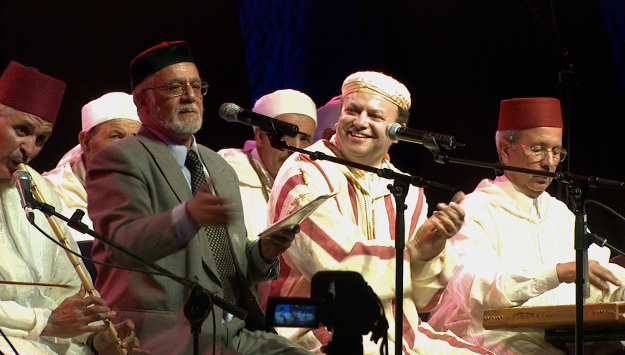
The Arab World’s Jewish Heritage Showcased in Berlin
The exodus of Jews from the Arab world is one of the most under-recorded stories of the region’s recent history. As many as 800,000 Jews lived in Egypt, North Africa, Yemen, and the Levant prior to the creation of the state of Israel in 1948. Their stories have largely been deliberately forgotten, buried in the cellars of history for more than half a century.
A casual, short visit to Stockholm may not yield any eye-opening revelations. The mood is as tranquil as ever—the trendy restaurants and bars occupy every neighborhood in the center, and the grandeur of its dazzling, opulent architecture blinds the eye from noticing the Roma beggars scattered across the city.
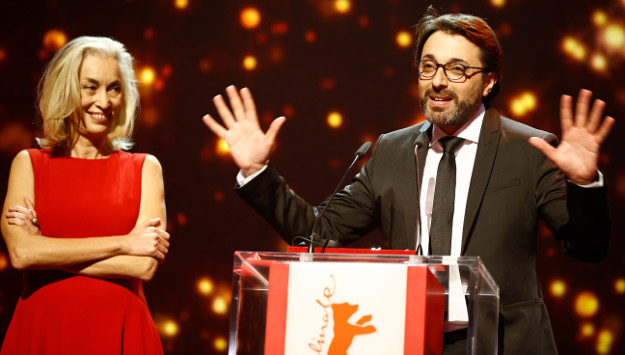
For any major film festival, politics is an imperative ingredient, inseparable from the glamor and publicity organizers always strive to attract. Of all the big film fairs, the Berlin International Film Festival (aka the Berlinale) has forever been known to be the most political, either in its eye-raising selection or in its granted awards.