The Legacy of Morocco’s Gen Z Protests: Development as the New Political Language
External Publication
September 21, 2026
Share
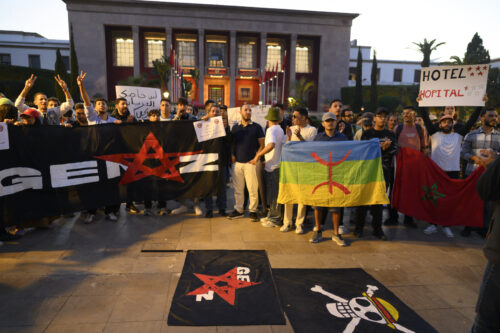
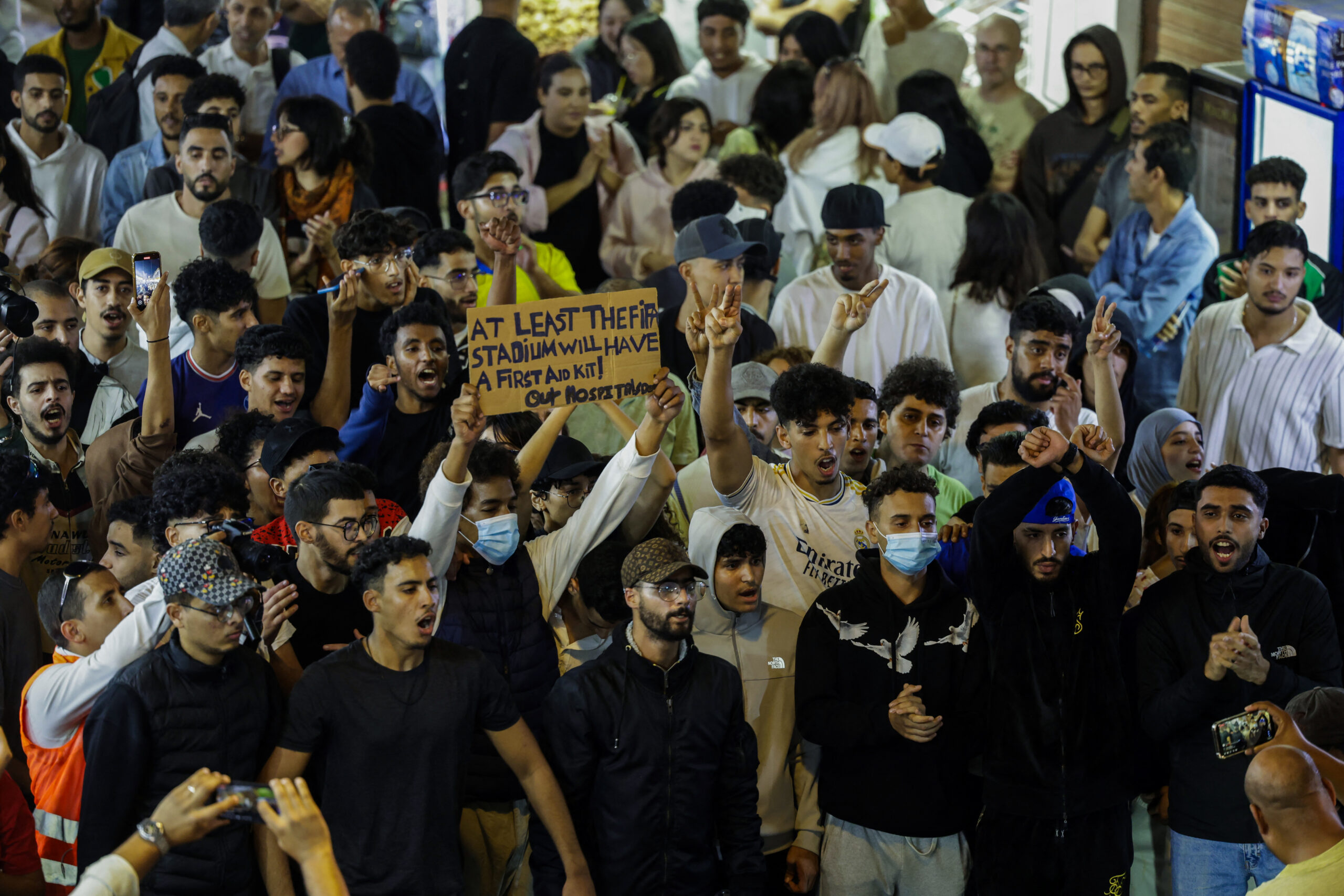
Moroccans head to the polls on September 23 in a parliamentary election that is meant to formally close the chapter opened during last year’s Gen Z 212 protests. The demonstrations, which erupted almost exactly a year ago, drew attention to the mismatch that exists between Morocco’s economic and geopolitical ambitions, and the stark reality of its lagging domestic development. Once the dust settled on the protests, some level of accountability was achieved, largely at the local level. But it was clear that the bigger reckoning would come at the level of national legislative politics. Party politics has since reflected that understanding: development has become a central theme for every major party in this election. Yet even as these parties put forward their proposals and hone their language around the issue, it remains unclear whether their measures would be able to overcome the structural constraints that have kept growth and public investments from producing broader social outcomes.
The most visible casualty of the protests is already known. Prime Minister Aziz Akhannouch announced in January that he would not seek re-election as head of his party and would not stand in the September elections. Under the party’s own rules, a leader cannot serve more than two terms, but the timing, coming after the Gen Z protests, signalled more than a routine handover. It hinted at an admission of political responsibility, if one with limited consequences, since his career as party leader was ending regardless.
The Middle East Institute (MEI) is an independent, non-partisan, not-for-profit, educational organization. It does not engage in advocacy and its scholars’ opinions are their own. MEI welcomes financial donations, but retains sole editorial control over its work and its publications reflect only the authors’ views. For a listing of MEI donors, please click here.