Recent Elections and What They May Mean for the Middle East
External Publication
November 4, 2026
Share
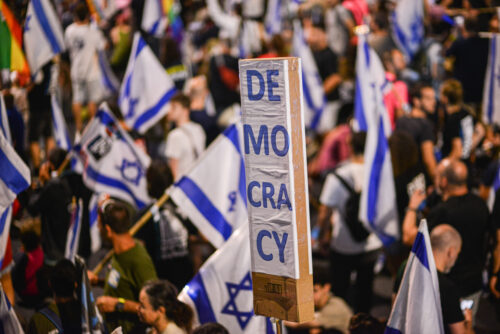
Recent elections for the Israeli Knesset and American Congress may make less of a difference in the Middle East than some people think. Elections are significant indicators of national political trends, but do not always translate into changes in national security strategies. That is likely the case now in both nations.
An Israeli election, not for the first time, has produced a conundrum. Prime Minister Netanyahu’s Likud party had losses, but with 27 seats remains the largest party in the Knesset. His current coalition has won 53 seats, eight shy of the magic number of 61 to secure a majority in the Knesset. On the other hand, Gadi Eisenkot founded a new party and won 21 seats. However, his likely bloc of Jewish parties would make a coalition of only 48 seats, 13 short of a majority. And just in case anyone thought the election results show a turn to moderation, the “Together” party of Naftali Bennett and Yair Lapid was one of the biggest losers, with its seats cut in half to 12.
The Middle East Institute (MEI) is an independent, non-partisan, not-for-profit, educational organization. It does not engage in advocacy and its scholars’ opinions are their own. MEI welcomes financial donations, but retains sole editorial control over its work and its publications reflect only the authors’ views. For a listing of MEI donors, please click here.