What vulnerabilities has the Iran crisis exposed in GCC economies?
External Publication
March 20, 2026
Share
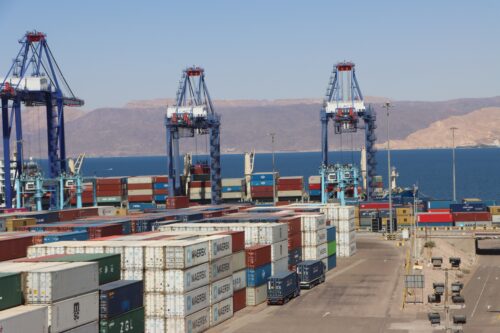
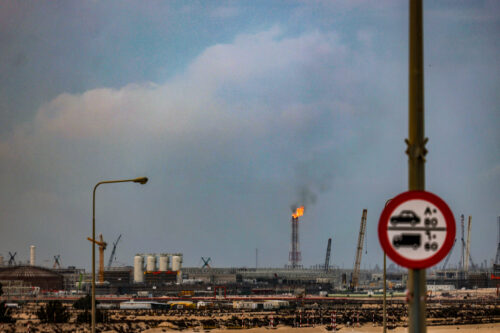
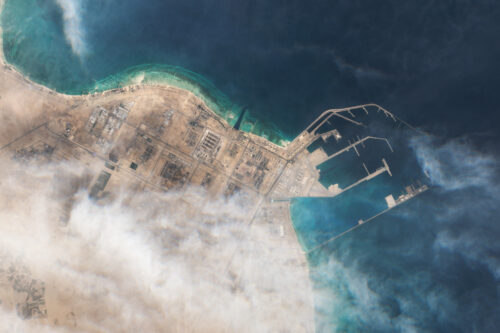
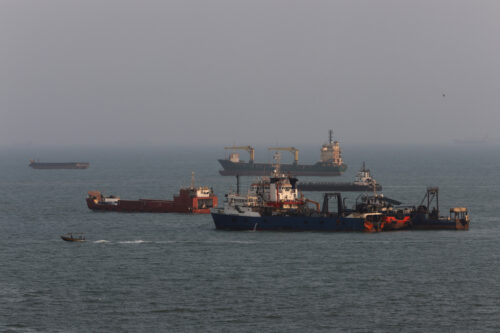
The economic stress points vary considerably across the Gulf. Assuming a resumption of exports by May, Kuwait, Iraq, Bahrain, and Qatar still face sharply declining revenues and contracting GDP—as much as 14 percent in Kuwait and Qatar—because of shut ins, time to restart, and lack of alternative delivery routes. After the Iranian attacks on Ras Laffan, Qatar’s economic outlook and time to recovery look much more difficult. Iraq relies on oil exports for 90 percent of government revenue, and is beginning to export through a pipeline in Iraqi Kurdistan, but volumes will be low (approximately 250,000 barrels per day), and the opening depends on a delicate political agreement between the regional and central governments. In addition to blocked oil exports, Iraq also now faces a lack of gas supply to its electricity sector following Israeli attacks on Iran’s gas supply, which has flowed to Iraq. Bahrain does not export crude but does export refined products, and direct attacks on its refining capacity, along with its lack of transit access, will make recovery difficult and slow. Oman will likely see a very small contraction in GDP, given its location outside the Strait of Hormuz, but it, too, has been a target of Iranian attacks on port infrastructure.