Karen E. Young is a senior fellow at the Middle East Institute (MEI), where she leads the Economics and Energy Initiative. She is also a senior research scholar at the Columbia University Center on Global Energy Policy. A political economist, her work focuses on the Gulf and broader Middle East and North Africa (MENA) region, with particular attention to the intersection of energy, finance, and security.
Dr. Young has held senior research and teaching positions at a number of academic and policy institutions. She was previously a resident scholar at the American Enterprise Institute and a senior resident scholar at the Arab Gulf States Institute in Washington. She has taught courses on Middle East international relations at George Washington University and regularly teaches at the US Department of State Foreign Service Institute. Her academic appointments also include serving as a research fellow at the London School of Economics and Political Science Middle East Centre and leading a seminar on emerging markets in MENA at Johns Hopkins SAIS. From 2009-2014, she was an assistant professor of political science at the American University of Sharjah.
Her research has been supported by grants from the Smith Richardson Foundation, Carnegie Corporation of New York, the Fulbright Program (Ecuador 1997-99; Bulgaria 2005-06), the International Research and Exchange Board (IREX), the American Council of Learned Societies (ACLS), the Woodrow Wilson Center, and the US State Department Middle East Partnership Initiative (MEPI), among others.
She holds a PhD in Political Science from the City University of New York Graduate Center, an MA in Political Science from Columbia University, an MA in International Economics from Universidad Andina Simón Bolívar in Quito, and a BA in Anthropology from Wellesley College.
Gulf Political Economy: The Cost of Accommodating Iran
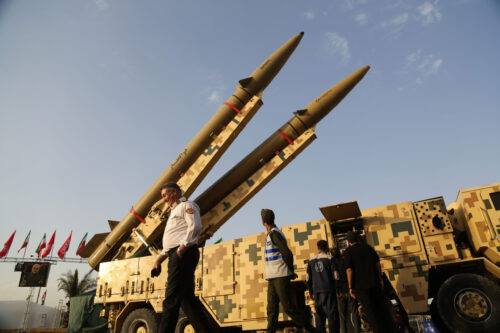
There may be no near-term resolution to the conflict between the United States, Israel, and Iran. The cease-fire and memorandum of understanding (MoU) signed on June 18 have broken down, there is little diplomatic engagement, and new flare-ups in early September indicate a further round of escalation. Gulf states may have no choice but to protect their assets and populations while trying to deter Iran by finding mechanisms of both containment and accommodation.
How the War Is Redefining Gulf Economic Power and Energy Strategy
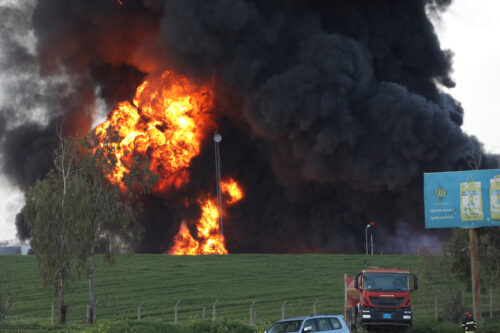
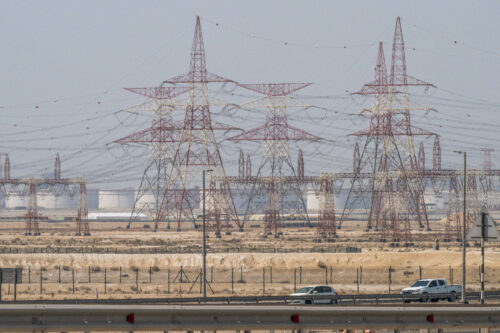
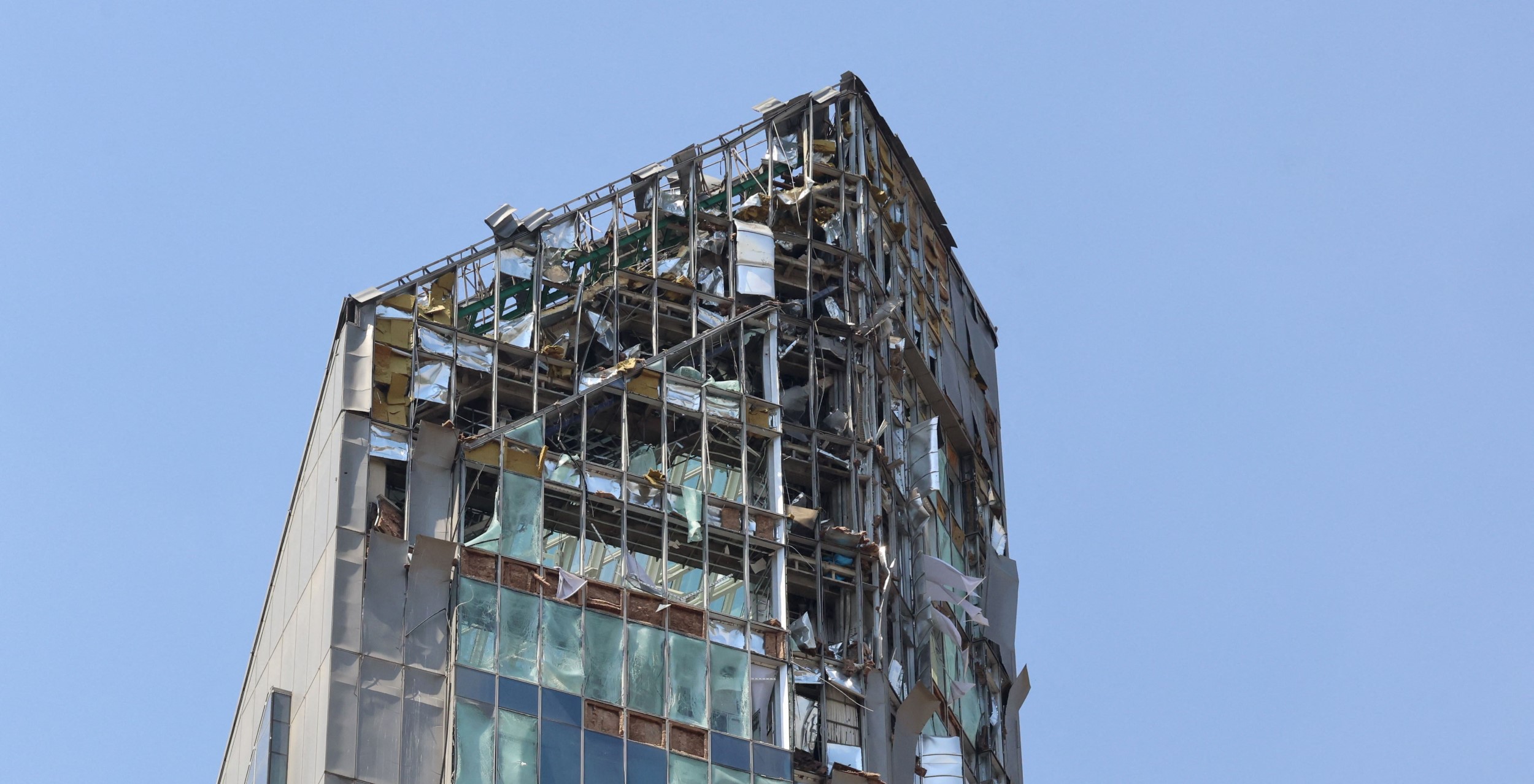
The Gulf Cooperation Council (GCC) states are confronting the greatest threat to their economic security and energy strategy since their formation. The economic fallout of the US-Israeli war with Iran is severe, but uneven across the Gulf. So too is each state’s ability to sustain energy exports and protect critical infrastructure—both of which have been targeted unequally by Iran.
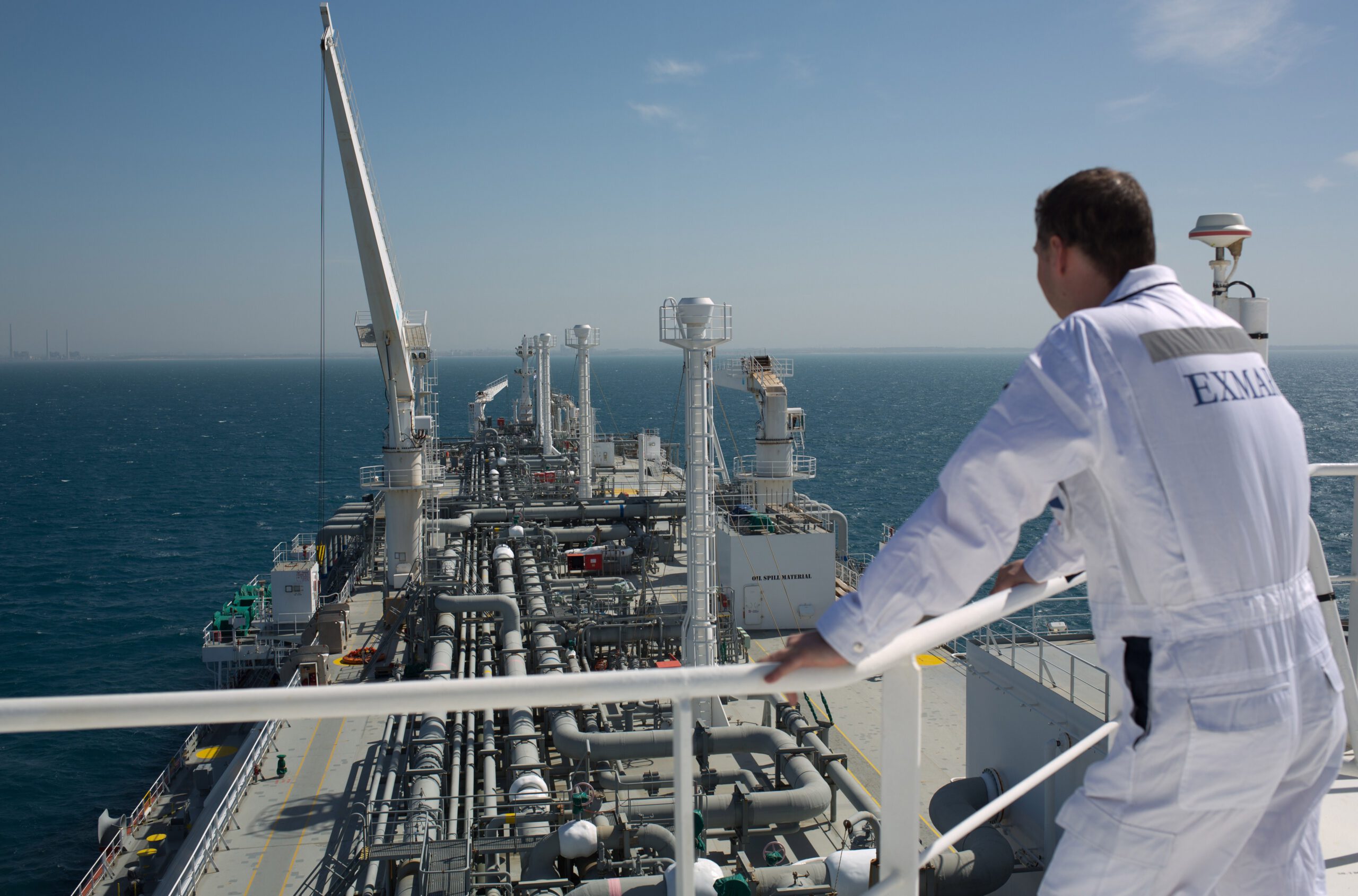
The US-Israeli war against Iran has created the largest disruption to global oil and liquefied natural gas supplies in modern history. There is a tremendous amount of economic uncertainty for Gulf states to navigate, and it will reshape the way they engage with one another and with Iran, Israel, and the United States for years to come. But this war has also laid bare how urgently the United States needs to update its own approach toward the Gulf states when it comes to energy.
What vulnerabilities has the Iran crisis exposed in GCC economies?
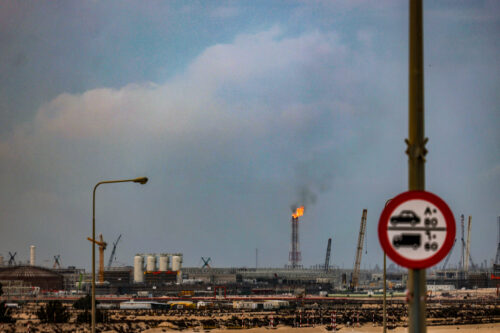
The economic stress points vary considerably across the Gulf. Assuming a resumption of exports by May, Kuwait, Iraq, Bahrain, and Qatar still face sharply declining revenues and contracting GDP—as much as 14 percent in Kuwait and Qatar—because of shut ins, time to restart, and lack of alternative delivery routes. After the Iranian attacks on Ras Laffan, Qatar’s economic outlook and time to recovery look much more difficult.
The relative resilience of GCC countries to the Iran crisis
Gulf states — including their national oil companies and sovereign and related entities — are energy giants. They understand the risks of a prolonged threat from Iran and did not choose this war. They also recognize the risks of their geographic location, should the region endure another bout of instability and dislocation from a fragmented and collapsing neighbor.
Unfinished business will drive the Mideast agenda in 2026
Following another year of pivotal developments and transformational change, the Middle East could be poised to turn the page on many of its long-running conflicts and sources of instability. But lasting fruits of the processes begun in 2025 will require a determined, intentional focus by regional actors and the United States. Given current trends, MEI experts weigh in on where the region may be headed in 2026.
Why gas deals could be Israel’s best path to regional normalization
In the Middle East, dealmaking between adversaries can be treacherous and drawn out for years. But recent energy deals have demonstrated a pragmatism and a new dynamic in which energy security and a concern for resource nationalism can supersede regional political obstacles. Israeli gas exports to neighbors Jordan and Egypt could help hold fragile peace agreements in place, while also accelerating national plans of energy independence via renewables.
The US enters Israel’s war with Iran — MEI experts react
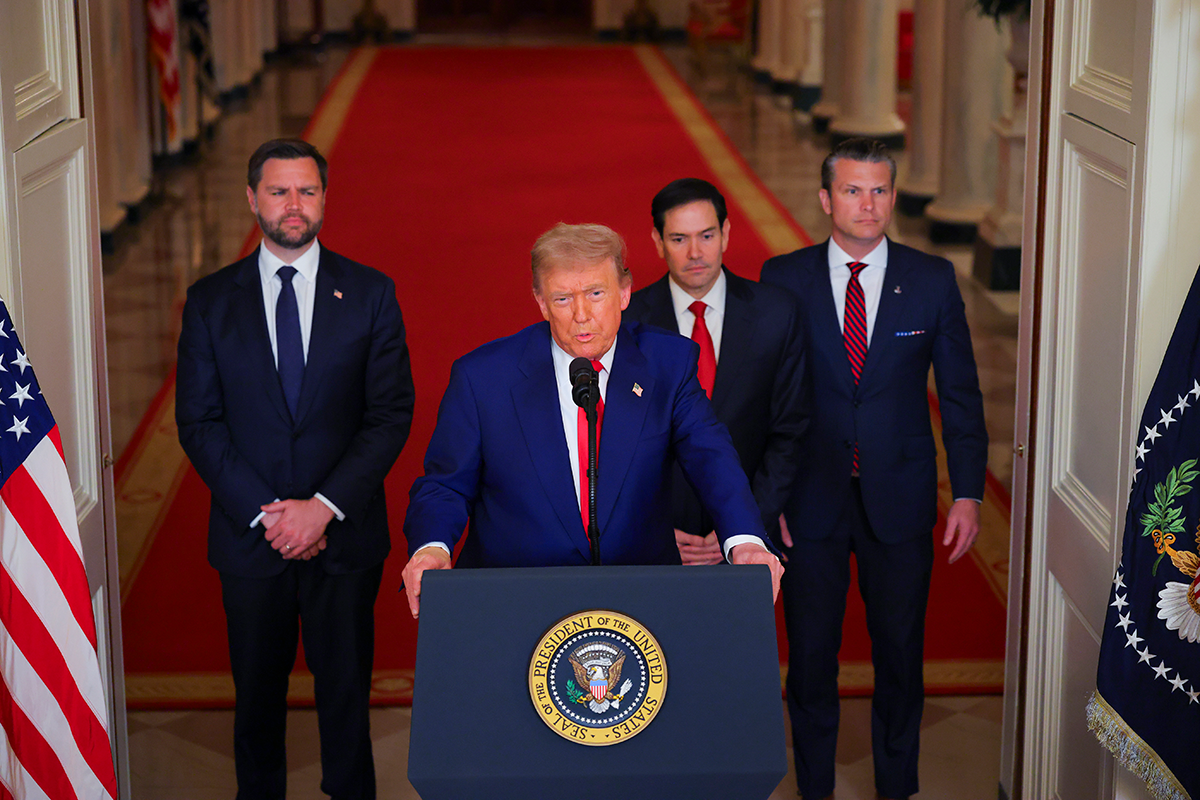
The United States struck three nuclear facilities in Iran on the evening of June 21, in the midst of the ongoing Israel-Iran conflict. MEI scholars provide real-time analysis to help make sense of what this escalation means and what might come next.