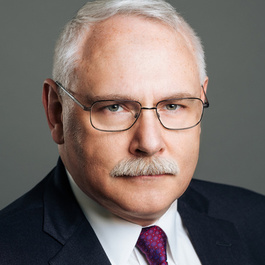
Karen E. Young is a senior fellow at the Middle East Institute (MEI), where she leads the Economics and Energy Initiative. She is also a senior research scholar at the Columbia University Center on Global Energy Policy. A political economist, her work focuses on the Gulf and broader Middle East and North Africa (MENA) region, with particular attention to the intersection of energy, finance, and security.
Dr. Young has held senior research and teaching positions at a number of academic and policy institutions. She was previously a resident scholar at the American Enterprise Institute and a senior resident scholar at the Arab Gulf States Institute in Washington. She has taught courses on Middle East international relations at George Washington University and regularly teaches at the US Department of State Foreign Service Institute. Her academic appointments also include serving as a research fellow at the London School of Economics and Political Science Middle East Centre and leading a seminar on emerging markets in MENA at Johns Hopkins SAIS. From 2009-2014, she was an assistant professor of political science at the American University of Sharjah.
Her research has been supported by grants from the Smith Richardson Foundation, Carnegie Corporation of New York, the Fulbright Program (Ecuador 1997-99; Bulgaria 2005-06), the International Research and Exchange Board (IREX), the American Council of Learned Societies (ACLS), the Woodrow Wilson Center, and the US State Department Middle East Partnership Initiative (MEPI), among others.
She holds a PhD in Political Science from the City University of New York Graduate Center, an MA in Political Science from Columbia University, an MA in International Economics from Universidad Andina Simón Bolívar in Quito, and a BA in Anthropology from Wellesley College.
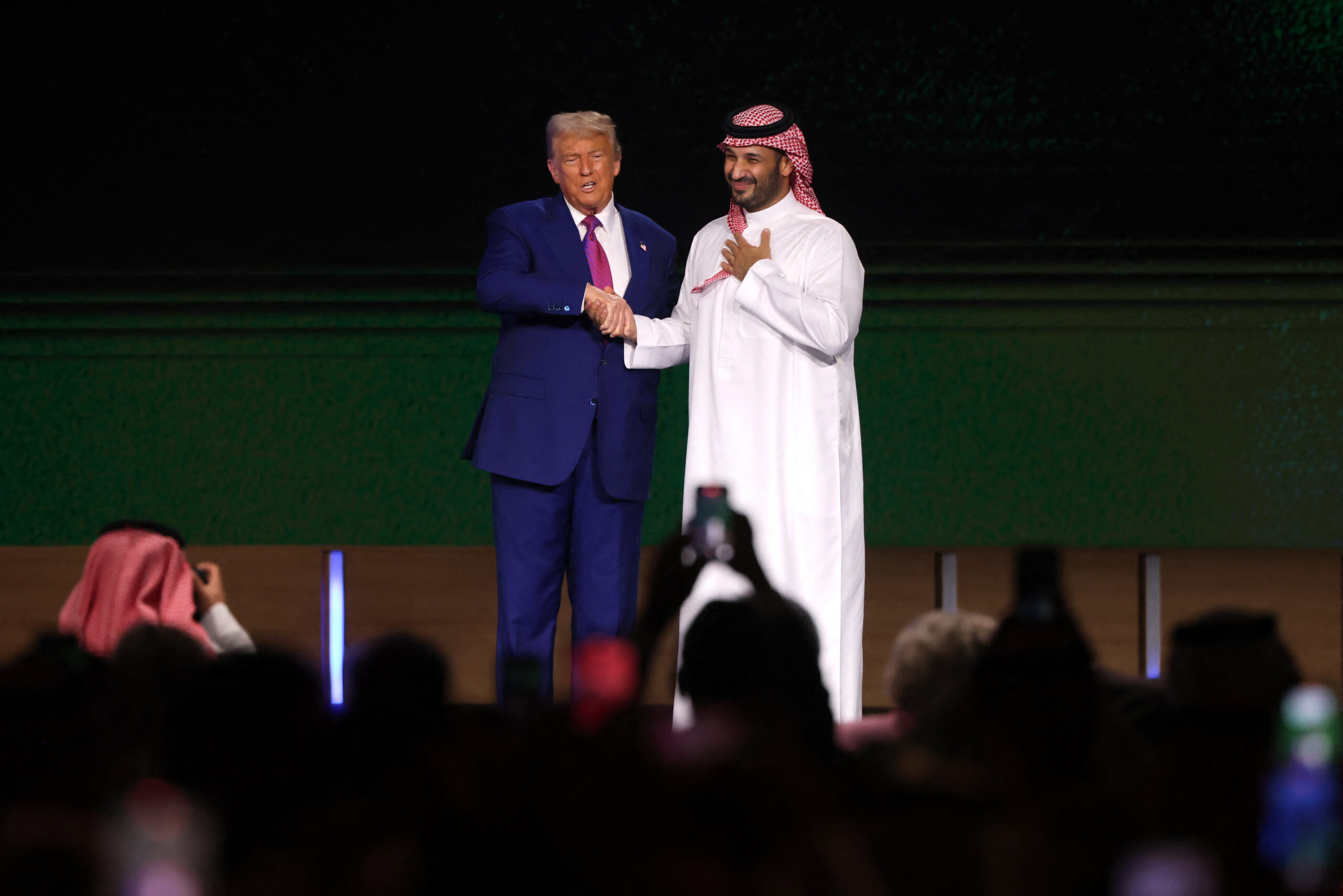
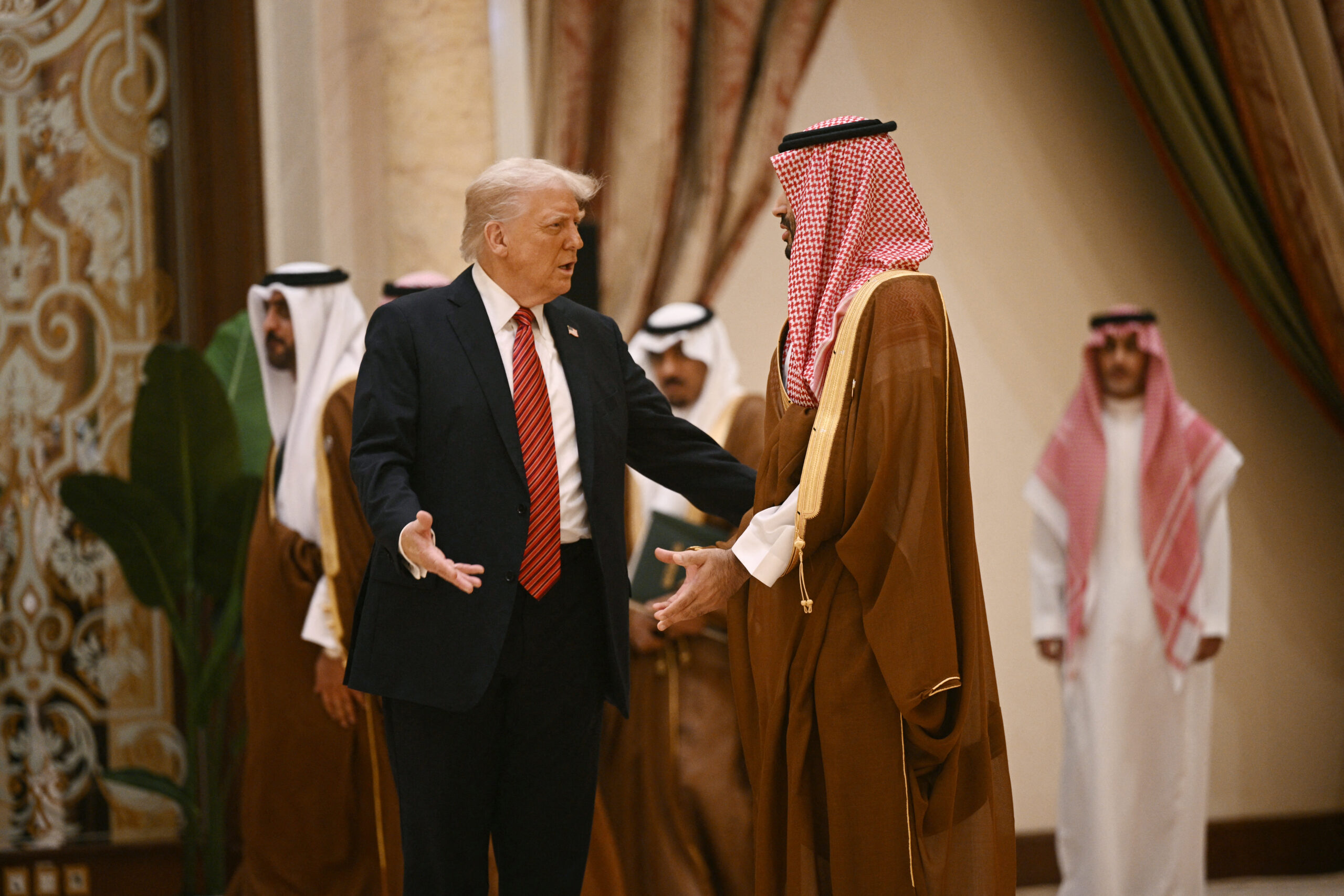
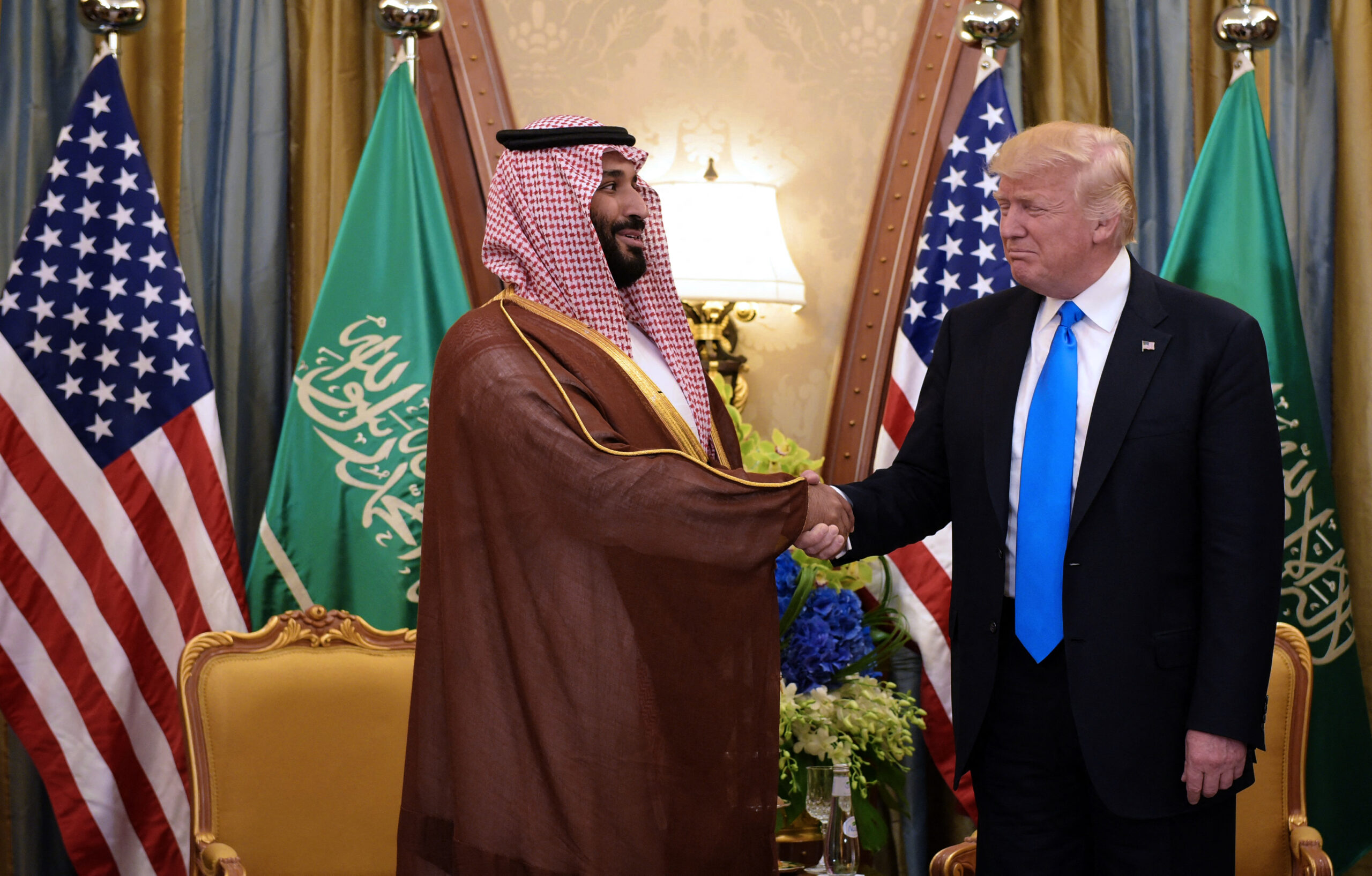
President Trump’s recent visit to the Gulf region marked a dramatic shift from the previous administration’s Middle East diplomacy. In his visit to Saudi Arabia, the UAE, and Qatar, Trump focused on securing significant investment commitments and commercial partnerships to support the region’s AI and other ambitions.
Trade Tensions, Oil Sanctions, and the Future of Middle East Oil
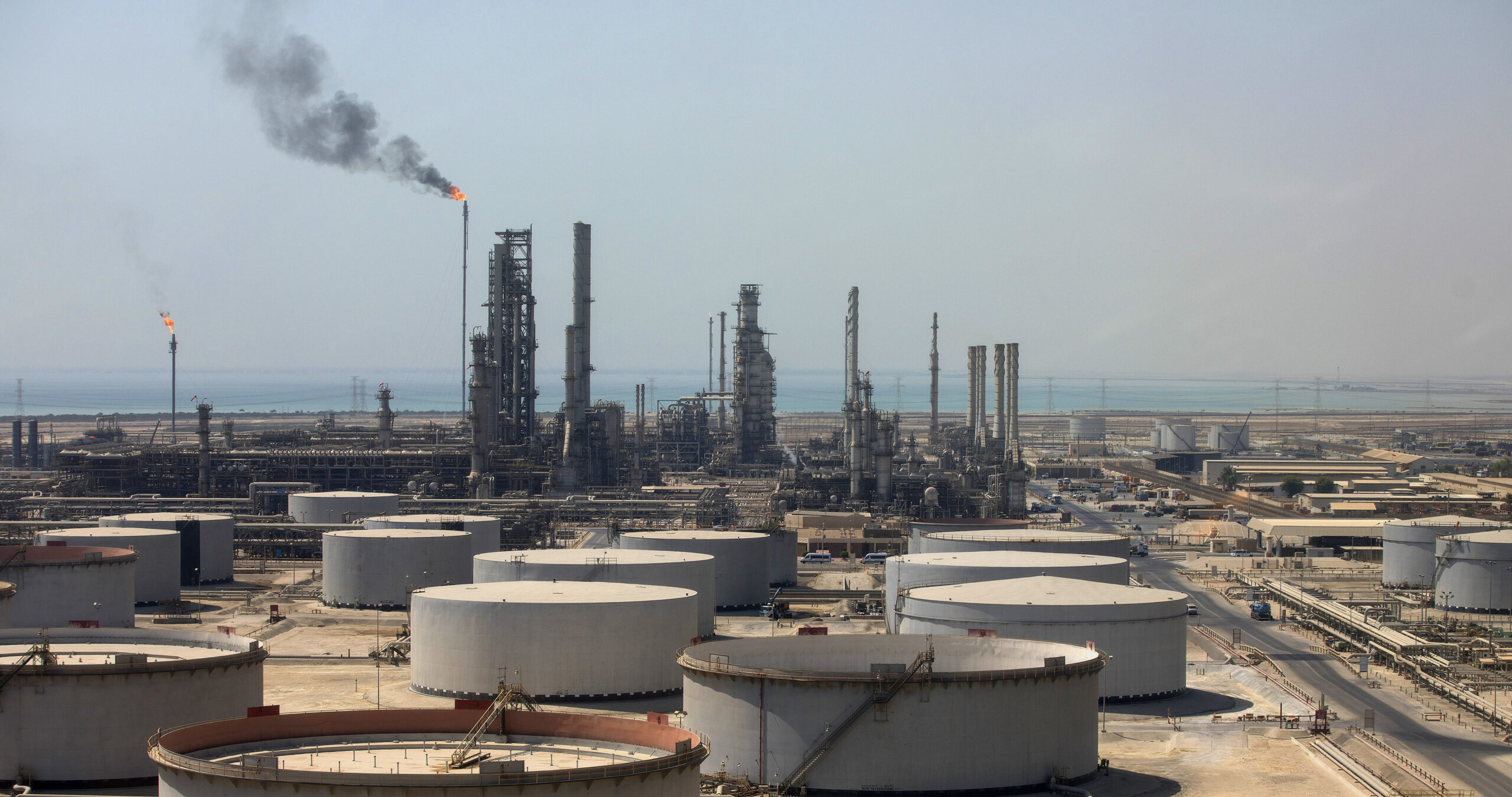
For oil producers in the Middle East, mounting external pressure from trade tensions, tariffs, and oil sanctions presents headwinds to government revenue and regional stability. Oil production is becoming a battle for market share rather than a collective effort to increase prices.
This week, US President Donald Trump makes his inaugural visit to the Middle East since the start of his second term, traveling to Saudi Arabia, Qatar, and the United Arab Emirates on May 13-16. Amid the heightened focus on US policy toward the Middle East, MEI’s experts take stock of Trump’s trip to the Gulf, how his administration has shaped its approach to the wider region in its first several months, and how regional actors are responding to the policies coming out of Washington.
Accelerating Solar Power Deployment in the Arab Gulf States
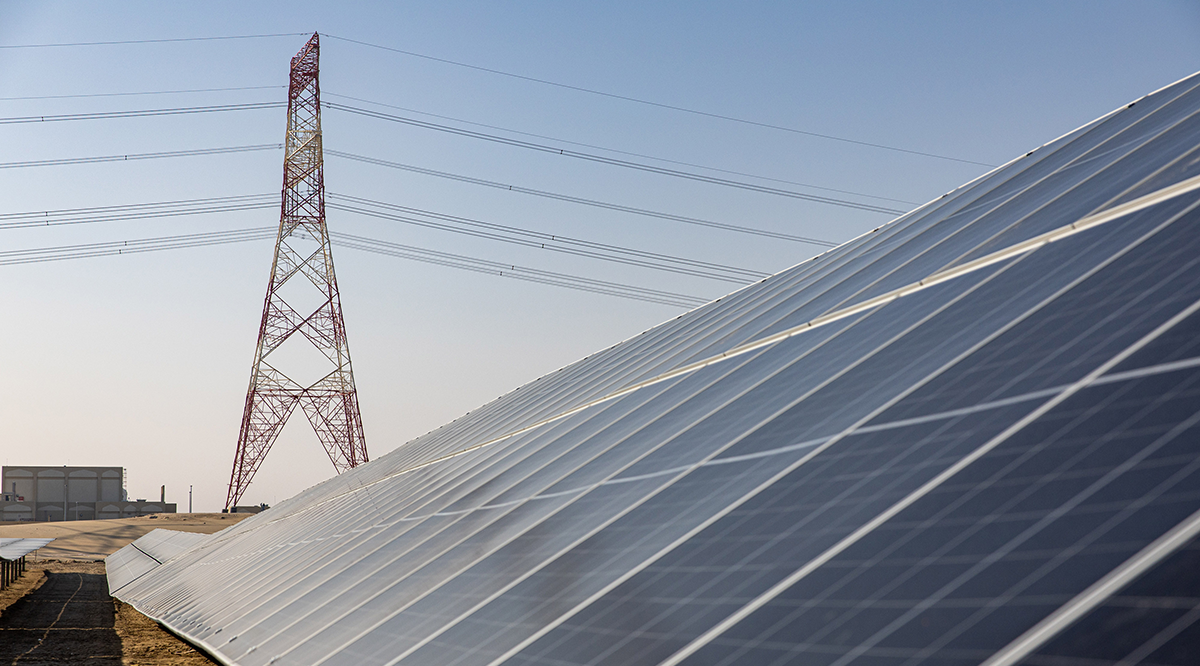
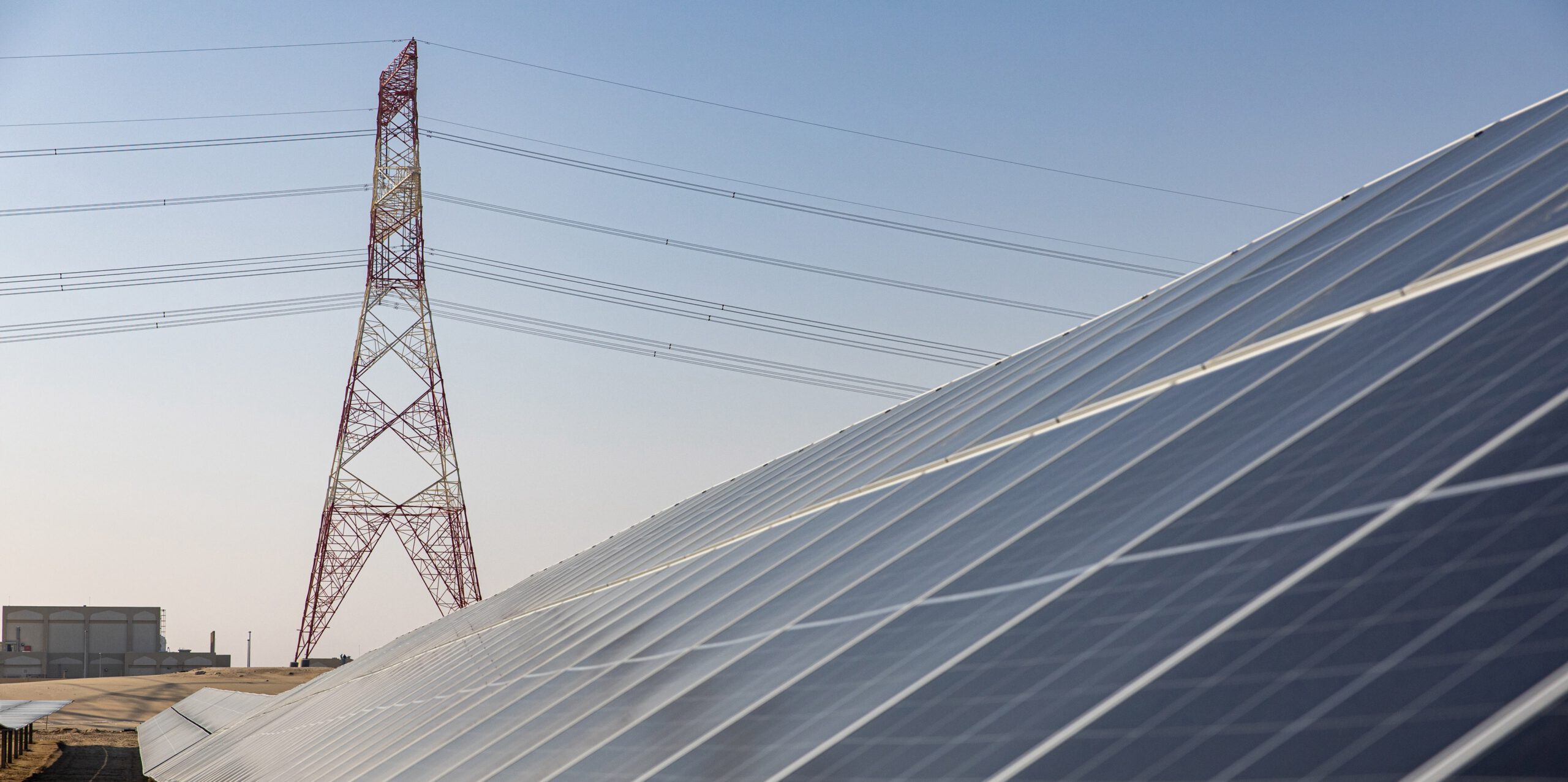
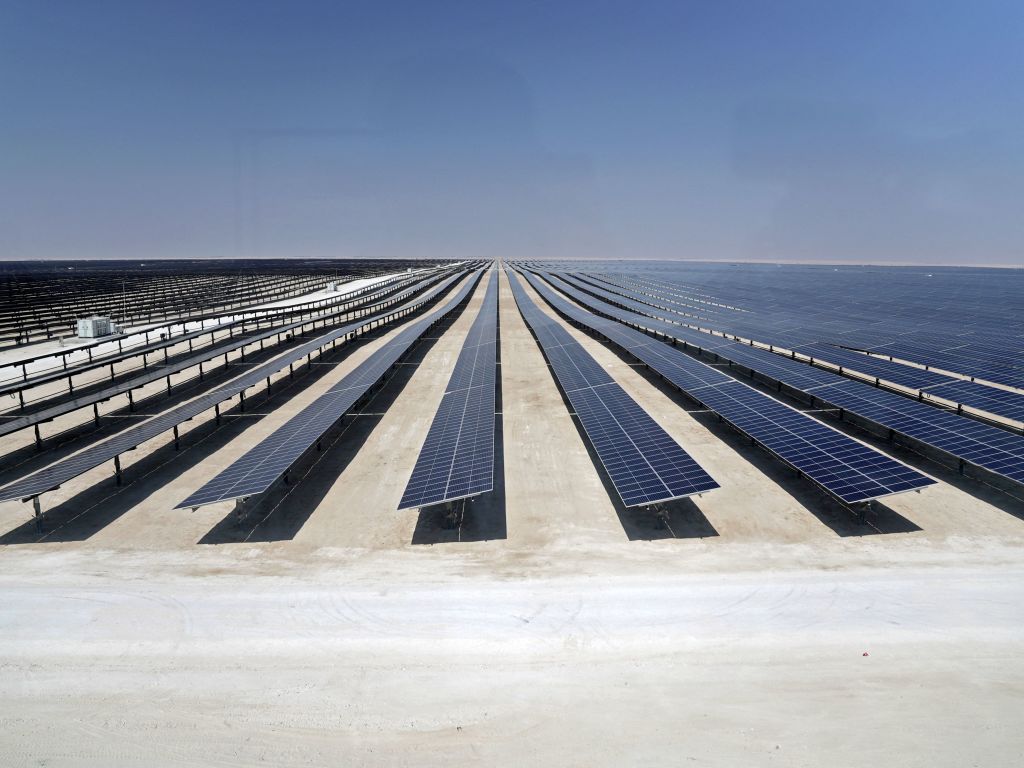
There is currently a discrepancy between the strategic objectives and enabling conditions for solar power in the Gulf and the level of actual deployment. Despite the region’s considerable promise as a potential global leaders in solar power, including one of the world’s highest levels of solar irradiance and strong supporting operating conditions, renewable power accounted for only 2% of generation capacity in 2022.
Solar Power in the Gulf: Leaders and Laggards in Regulatory Support for Solar Power Deployment
The hydrocarbon-rich Gulf states are located in the heart of the global sunbelt, endowing them with some of the greatest solar resources in the world. Peak load hours in these countries also align well with daily and seasonal solar radiation levels. Nevertheless, actual deployment of renewable power, including solar, is among the lowest in the world, even though output has increased significantly over the past five years. This paper analyzes why solar power has seen some success in a few states, while in others there has been little momentum.
All you need to know about the India-Middle East-Europe Economic Corridor
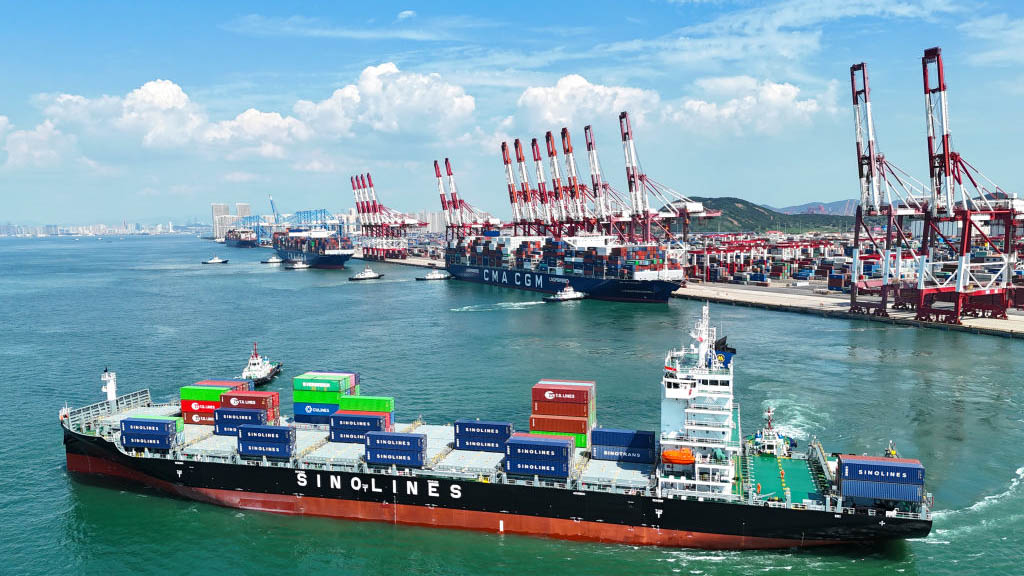
At the September G20 meeting, host country India, along with the United States, the European Union, France, Germany, Italy, Saudi Arabia and the United Arab Emirates (UAE), signed a memorandum of understanding, a non-binding commitment to work towards building two separate “corridors”, essentially envisioning a political line that is connected by some new and some existing, or already under construction, physical infrastructure.
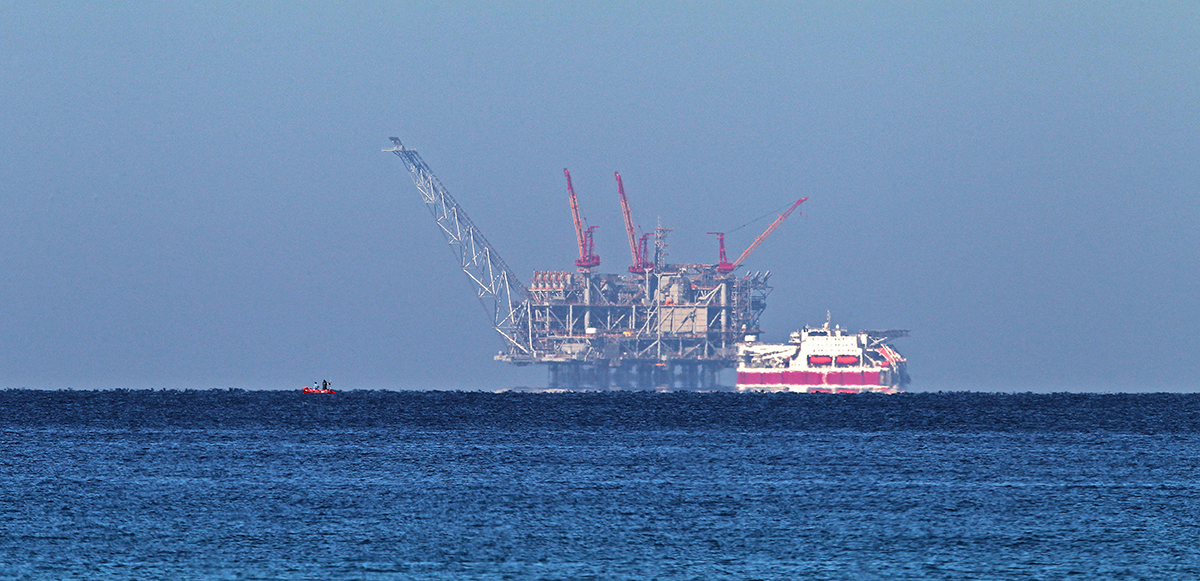
The energy risks of Israel’s new war are large and growing
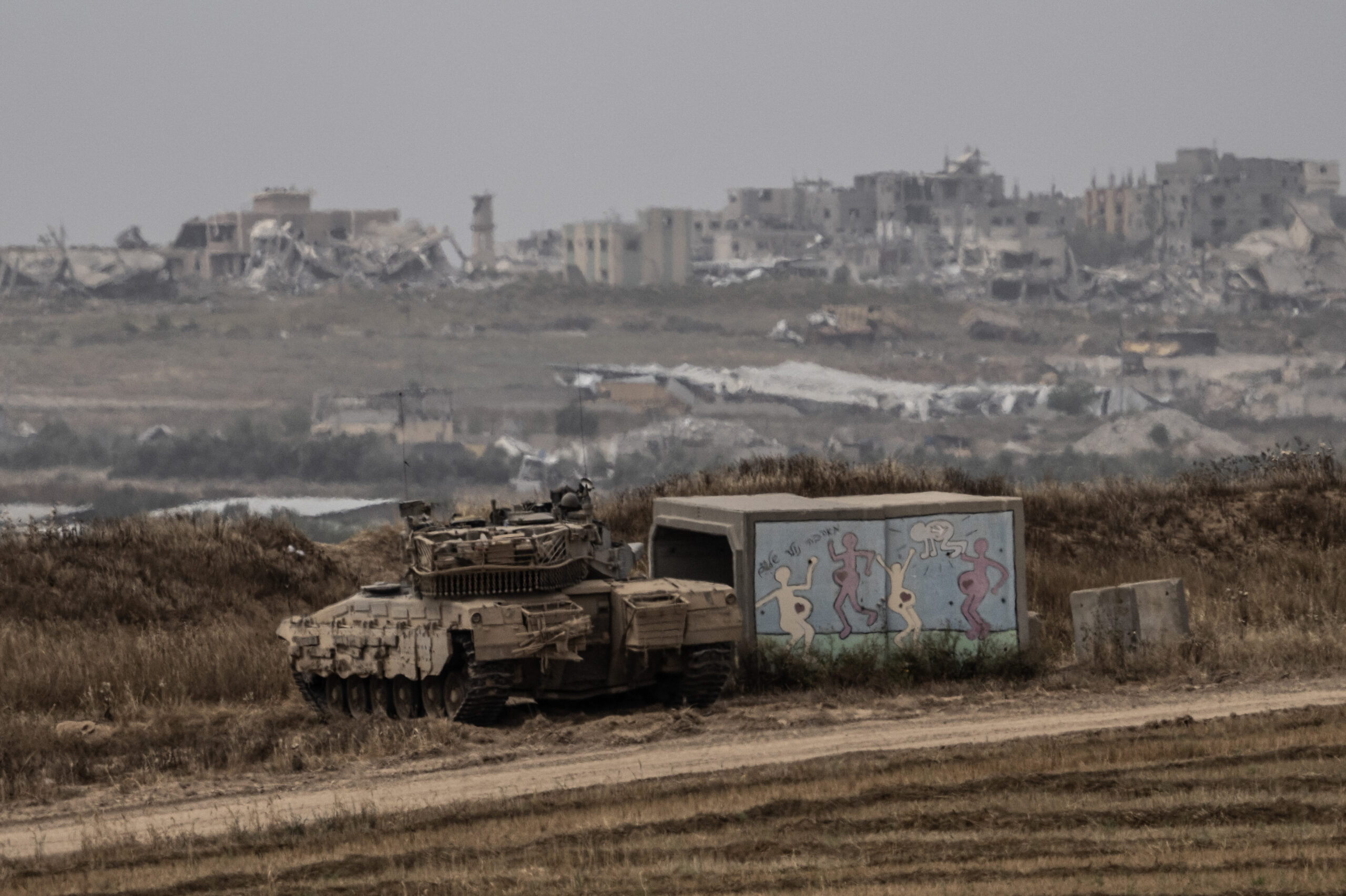
The state of Israel and the terrorist group Hamas are engaged in an existential conflict, each threatening the survival of the other, as well as the survival of civilians, both Palestinian and Israeli, caught in-between. The conflict could widen into a regional or even global crisis. For energy markets and the global economy, the risks are considerable and could swerve or accelerate in response to multiple variables.
In the last few years, the global energy outlook has been transformed. The rise of populist politics and a growing sense of urgency about climate change have roiled debates about energy policy in wealthy countries, generating a dizzying mix of new industrial policies. The COVID-19 pandemic made it far harder to predict fuel prices and consumption patterns and forced many countries to confront their connections to fragile multistate supply chains and legacy petrostates.
Middle East and Africa: Slowing Growth and Rising Food Prices Present Human Capital Challenges
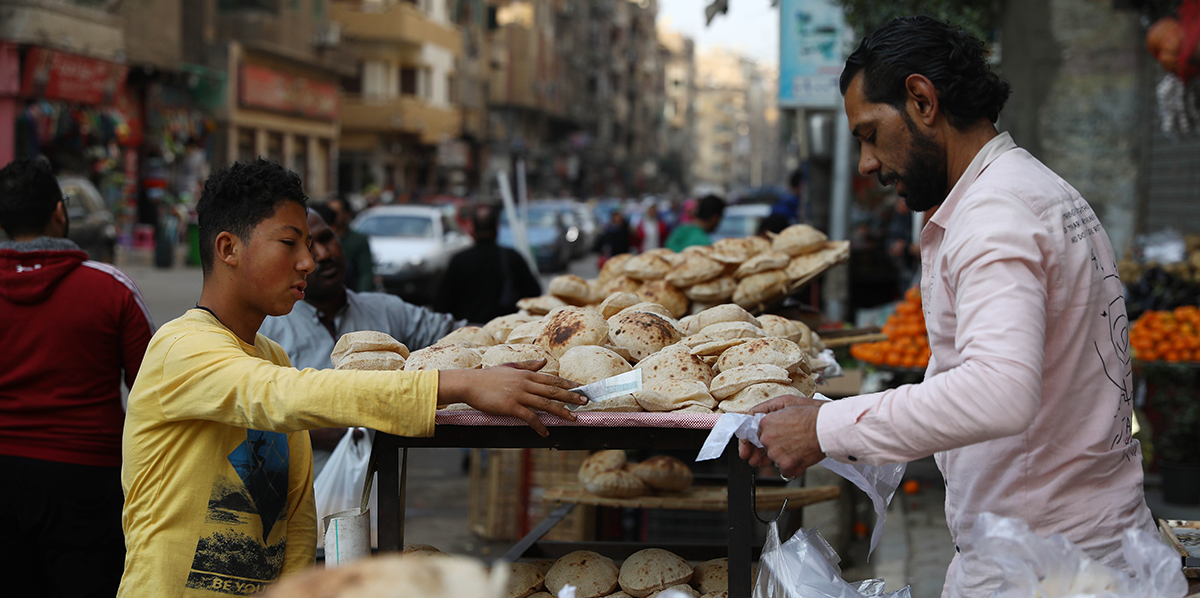
The World Bank’s MENA regional economic update released on April 6, 2023 is one that may herald a sharp divide, both within the region, with its uneven economic trajectory and obstacles to human capital development, and globally, as a cleavage between energy exporters and importers.
Economic Diversification, Energy Transition, and the Labor Market in Iraq and the Gulf
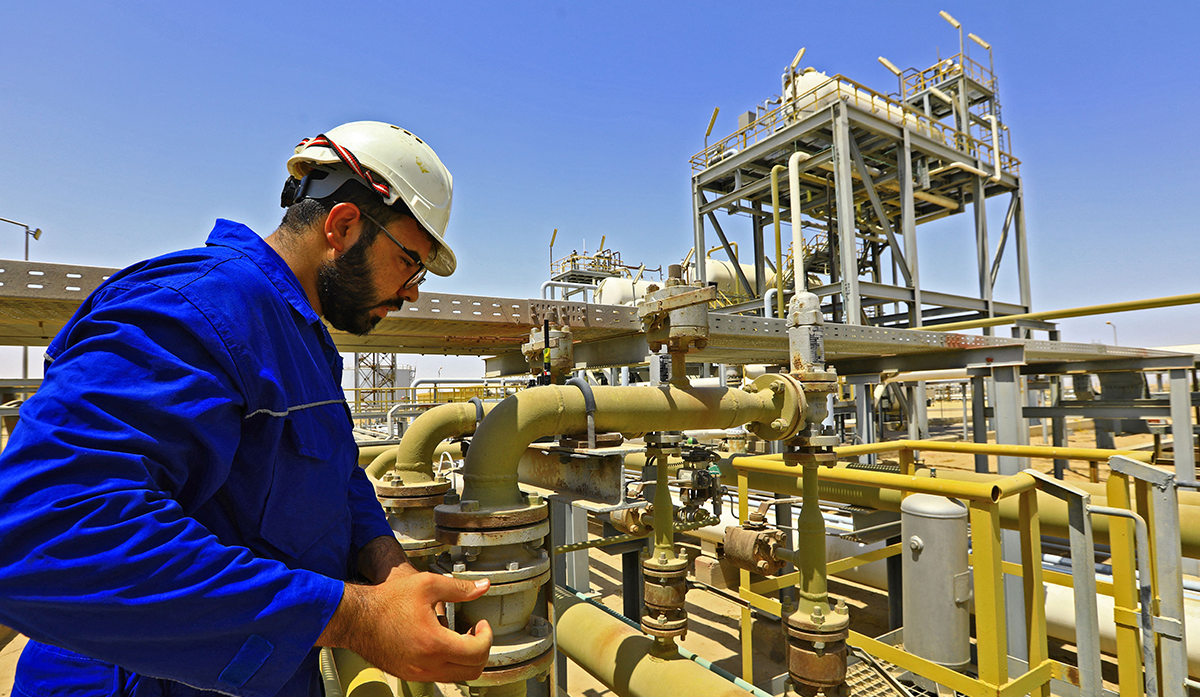
As part of a continued collaboration with the Middle East Peace and Security Forum held in Iraqi Kurdistan at the American University of Kurdistan, the Middle East Institute and the Iraq Policy Group held a workshop on Nov.15, 2022 focusing on challenges of economic diversification, energy transition, and impacts on labor markets in Iraq and the Gulf region. This report provides the insights and analyses of a select group of participants from the workshop.
Mid-term election success will tempt the American president to go for quick wins, but he must enter into talks with an eye on the global demand for energy
New opportunities in gas production to define future of Middle East energy giants
While there will continue to be a market for oil and associated petrochemical products for some time to come, the short- and medium-term opportunities in gas production will be transformational for some MENA states.