Skip to Content

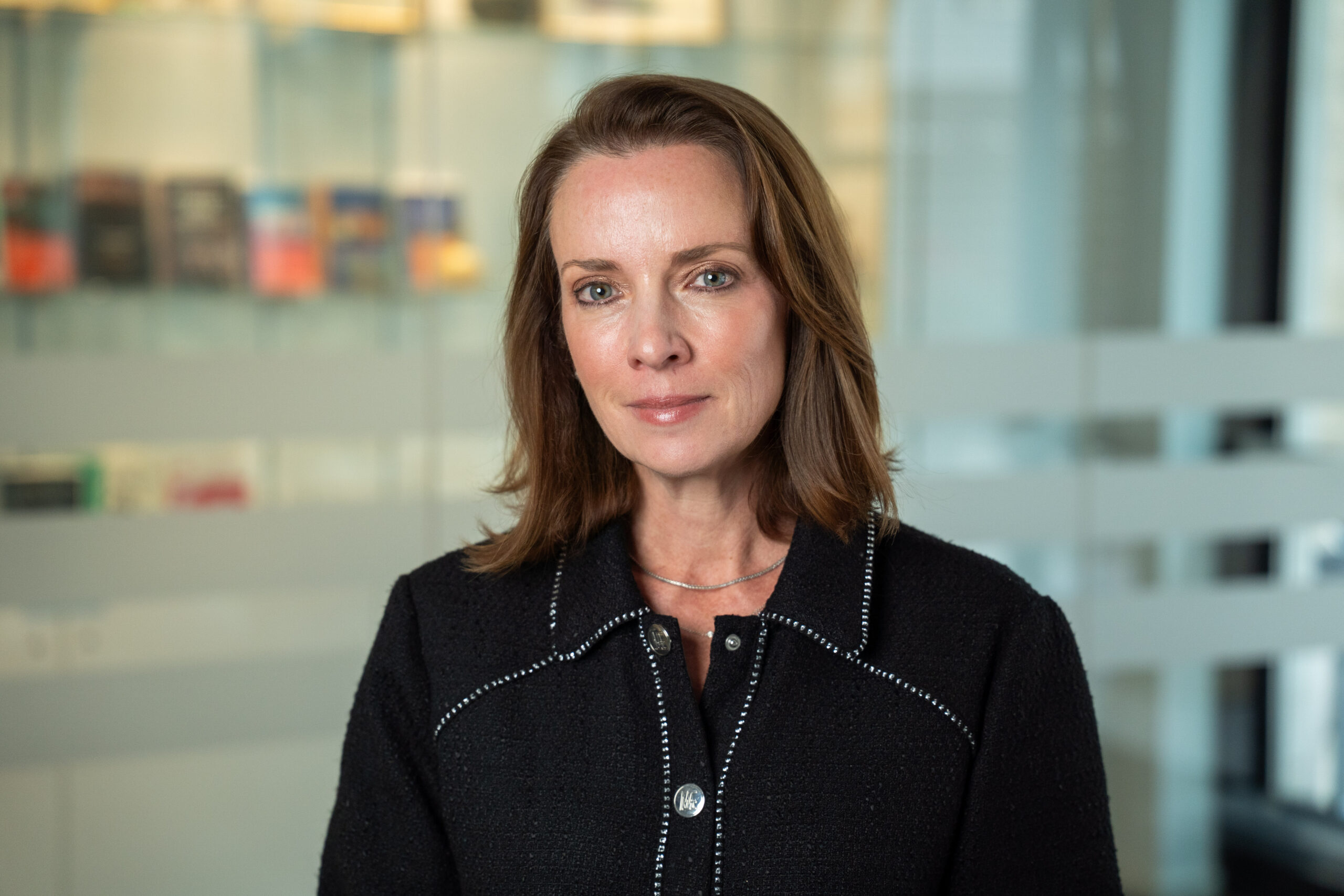
Karen E. Young

Senior Fellow, Economics and Energy Initiative

Karen E. Young is a senior fellow at the Middle East Institute (MEI), where she leads the Economics and Energy Initiative. She is also a senior research scholar at the Columbia University Center on Global Energy Policy. A political economist, her work focuses on the Gulf and broader Middle East and North Africa (MENA) region, with particular attention to the intersection of energy, finance, and security.

Dr. Young has held senior research and teaching positions at a number of academic and policy institutions. She was previously a resident scholar at the American Enterprise Institute and a senior resident scholar at the Arab Gulf States Institute in Washington. She has taught courses on Middle East international relations at George Washington University and regularly teaches at the US Department of State Foreign Service Institute. Her academic appointments also include serving as a research fellow at the London School of Economics and Political Science Middle East Centre and leading a seminar on emerging markets in MENA at Johns Hopkins SAIS. From 2009-2014, she was an assistant professor of political science at the American University of Sharjah.

Dr. Young is the author of The Economic Statecraft of the Gulf Arab States: Deploying Aid, Investment and Development Across MENAP (IB Tauris/Bloomsbury, 2023) and The Political Economy of Energy, Finance and Security in the United Arab Emirates: Between the Majilis and the Market (Palgrave Macmillan, 2014). Her analysis has appeared in Foreign Affairs, Foreign Policy, The Financial Times, Bloomberg, Lawfare, The National, Journal of Arabian Studies, and Security Dialogue, among many others. Her commentary has been featured in NPR, CBS, AFP, The New York Times, The Wall Street Journal, The Washington Post, and Reuters.

Her research has been supported by grants from the Smith Richardson Foundation, Carnegie Corporation of New York, the Fulbright Program (Ecuador 1997-99; Bulgaria 2005-06), the International Research and Exchange Board (IREX), the American Council of Learned Societies (ACLS), the Woodrow Wilson Center, and the US State Department Middle East Partnership Initiative (MEPI), among others.

She holds a PhD in Political Science from the City University of New York Graduate Center, an MA in Political Science from Columbia University, an MA in International Economics from Universidad Andina Simón Bolívar in Quito, and a BA in Anthropology from Wellesley College.

The Latest from Karen E. Young

Filter by
54 Results
US-Gulf Relations at the Crossroads: Time for a Recalibration
Photo by JONATHAN ERNST/POOL/AFP via Getty Images.
  • Analysis
  • US-Gulf Relations at the Crossroads: Time for a Recalibration

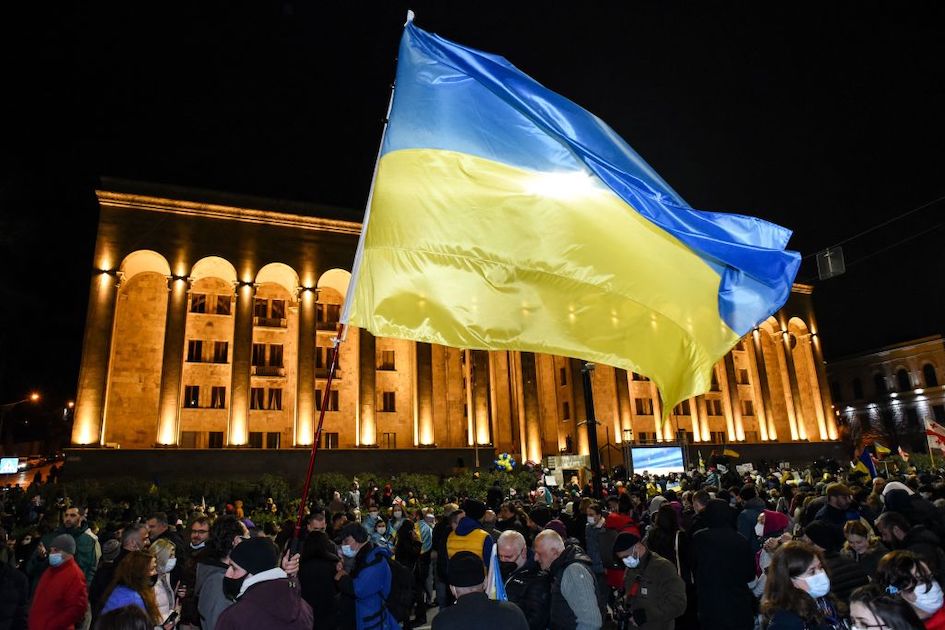
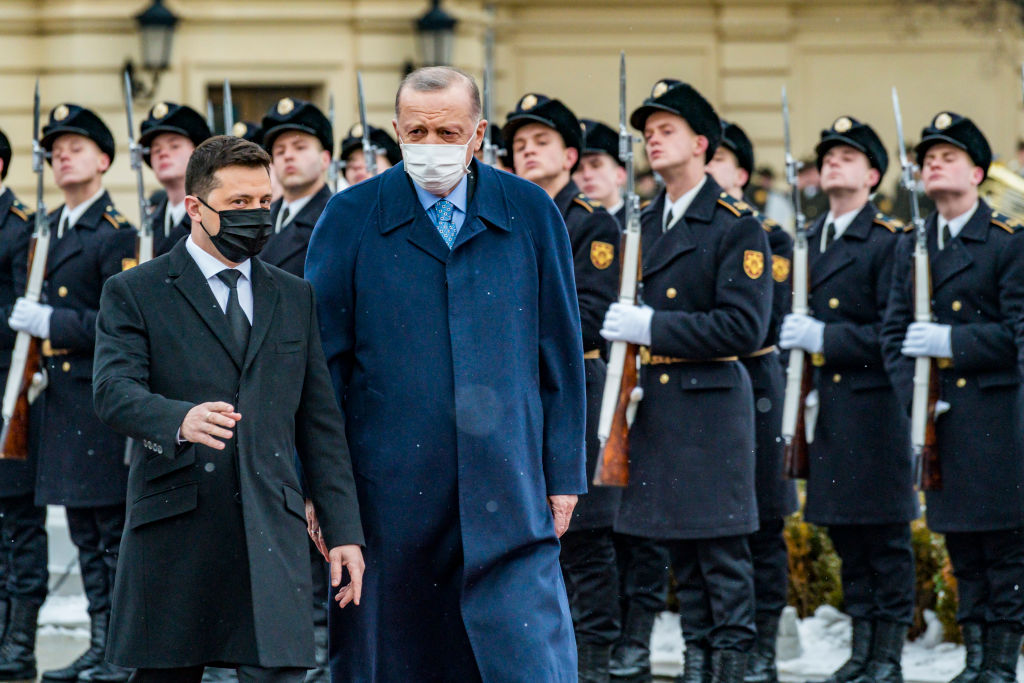
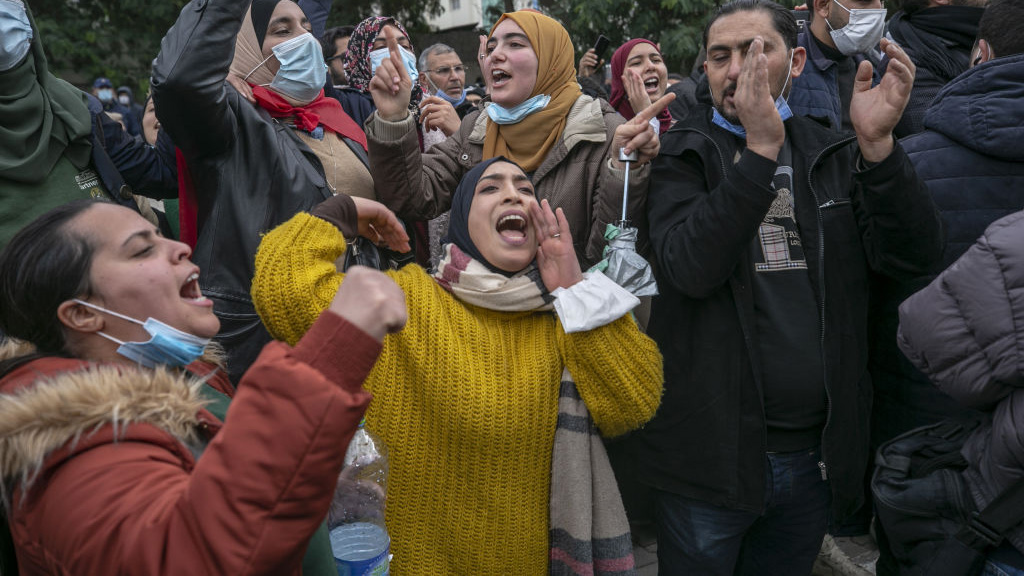
    The global response to Russia’s invasion of Ukraine has focused new attention on friction between the United States and its traditional partners in the Gulf and reinforced skepticism regarding the United States’ status as the dominant international partner in the region. It’s time for both sides to identify a realistic way forward that sheds outdated notions of mutual obligation without becoming merely transactional.

    April 5, 2022

    How Biden can rebuild U.S. ties with the Gulf states
  • Commentary
  • How Biden can rebuild U.S. ties with the Gulf states

    As tensions between the United States and the Gulf monarchies have been laid bare in recent weeks against the backdrop of Russia’s war in Ukraine, spiraling energy prices, and Houthi attacks on Saudi and Emirati territory, it’s clear that there will not be a return to the U.S.-Gulf partnership of the past—but there can be a new understanding between the two sides.

    The MBS Economy
    Faisal Al Nasser/Bloomberg via Getty Images
  • Commentary
  • The MBS Economy

    Saudi Arabia has undergone tremendous social change in recent years, but it has struggled to make good on some of its more ambitious financial goals. Much of the promised foreign direct investment has yet to arrive, and the kingdom’s growth agenda has drained its foreign reserves. Most of Mohammed bin Salman’s more eye-catching promises, including futuristic urban megaprojects, remain unfinished.

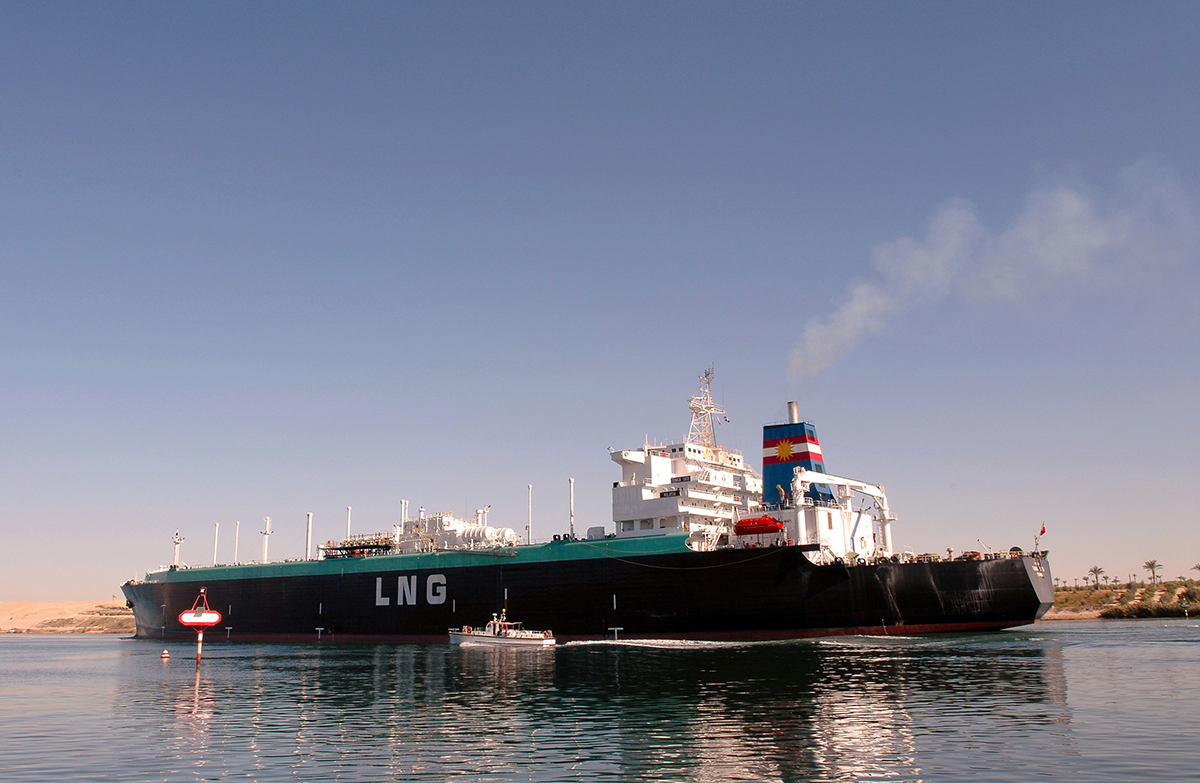
    Energy Prospects in the Gulf: The Oil Price Ascent, in Brief
    Photo by Simon Dawson/Bloomberg via Getty Images
  • Commentary
  • Energy Prospects in the Gulf: The Oil Price Ascent, in Brief

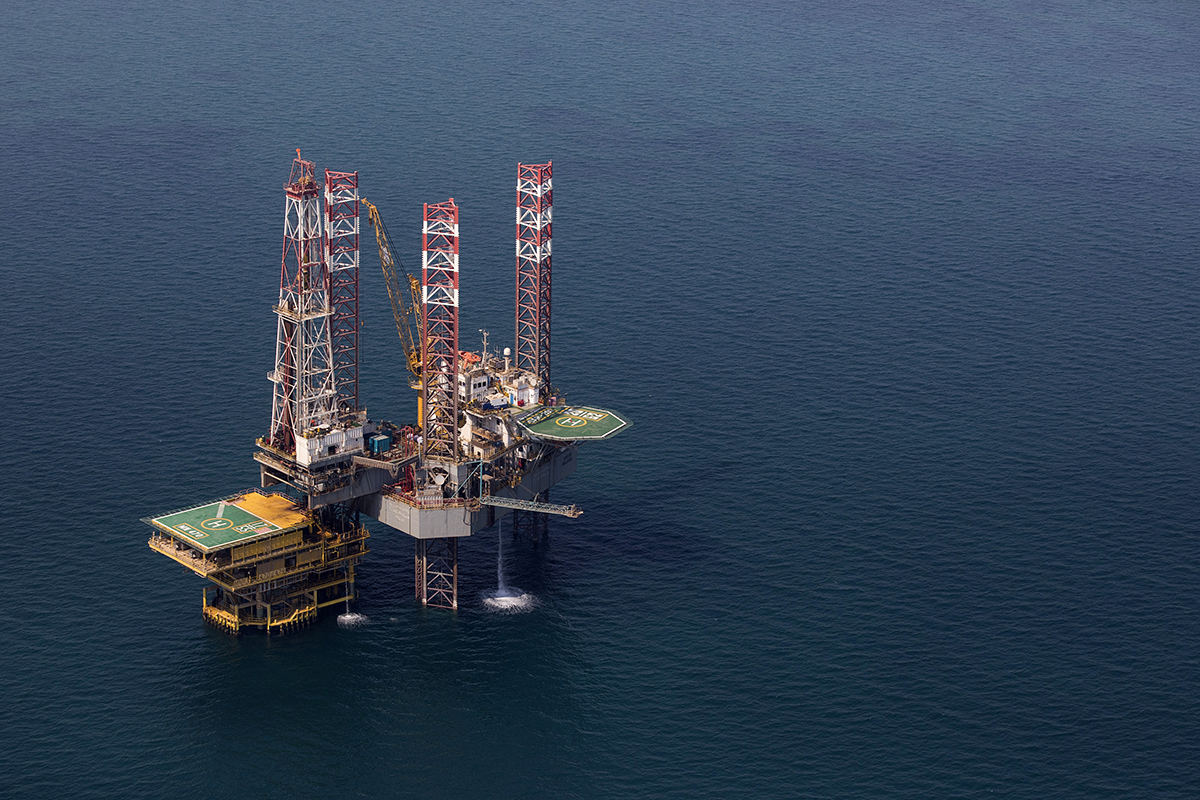
    While oil prices have rebounded before soaring since the depths of collapse in the spring of 2020 — with Brent crude prices skyrocketing from $19 per barrel in April 2020 to a three-year high of $86 per barrel in October 2021 — the prospects for a sustained high oil price for Gulf producers is unlikely.

    Expert Views: What should be the key outcomes from COP26?
    Photo by Hasan Esen/Anadolu Agency via Getty Images
  • Analysis
  • Expert Views: What should be the key outcomes from COP26?

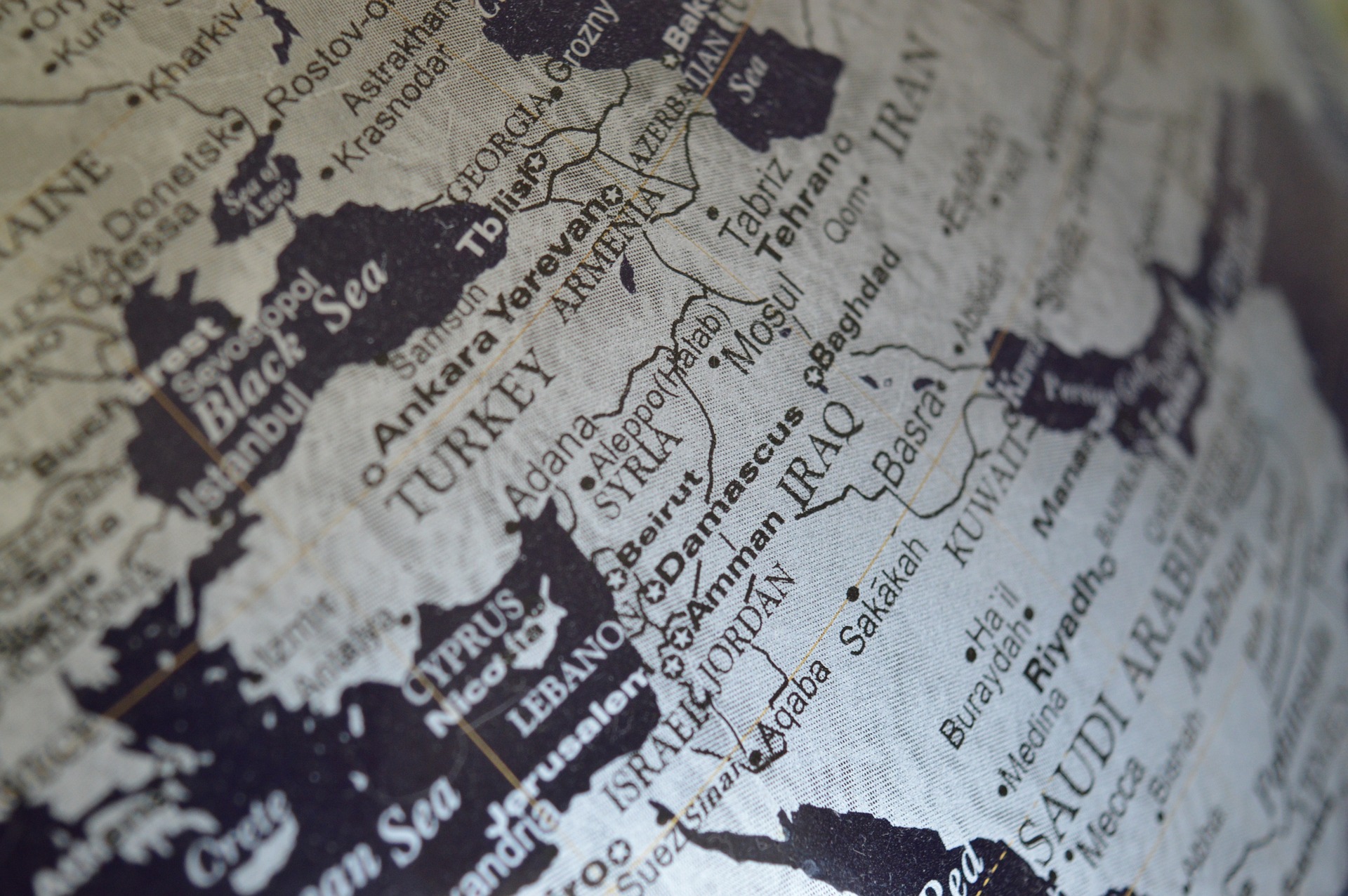
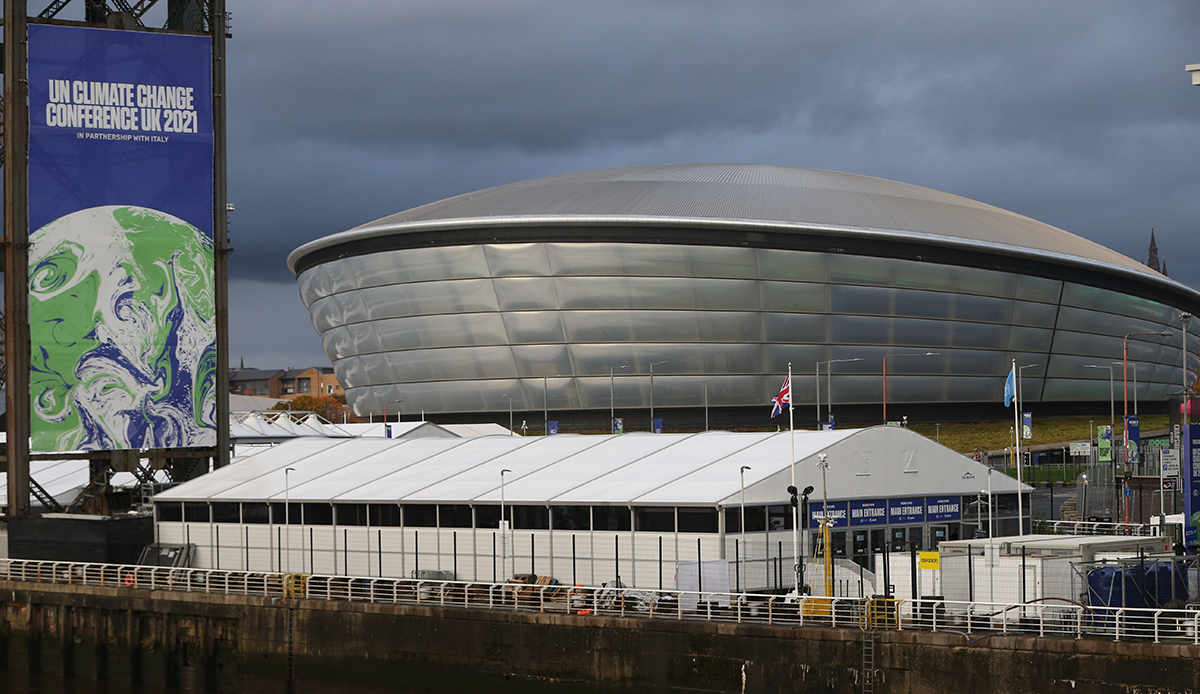
    As the U.N. Climate Change Conference (COP26) kicks off in Glasgow, climate change is front and center on the global agenda. Few regions of the world have more at stake than the Middle East and North Africa, given the current environmental and sustainability challenges and potential future scenarios. Experts from across MEI weigh in with their thoughts on what should be the key outcomes from COP26.

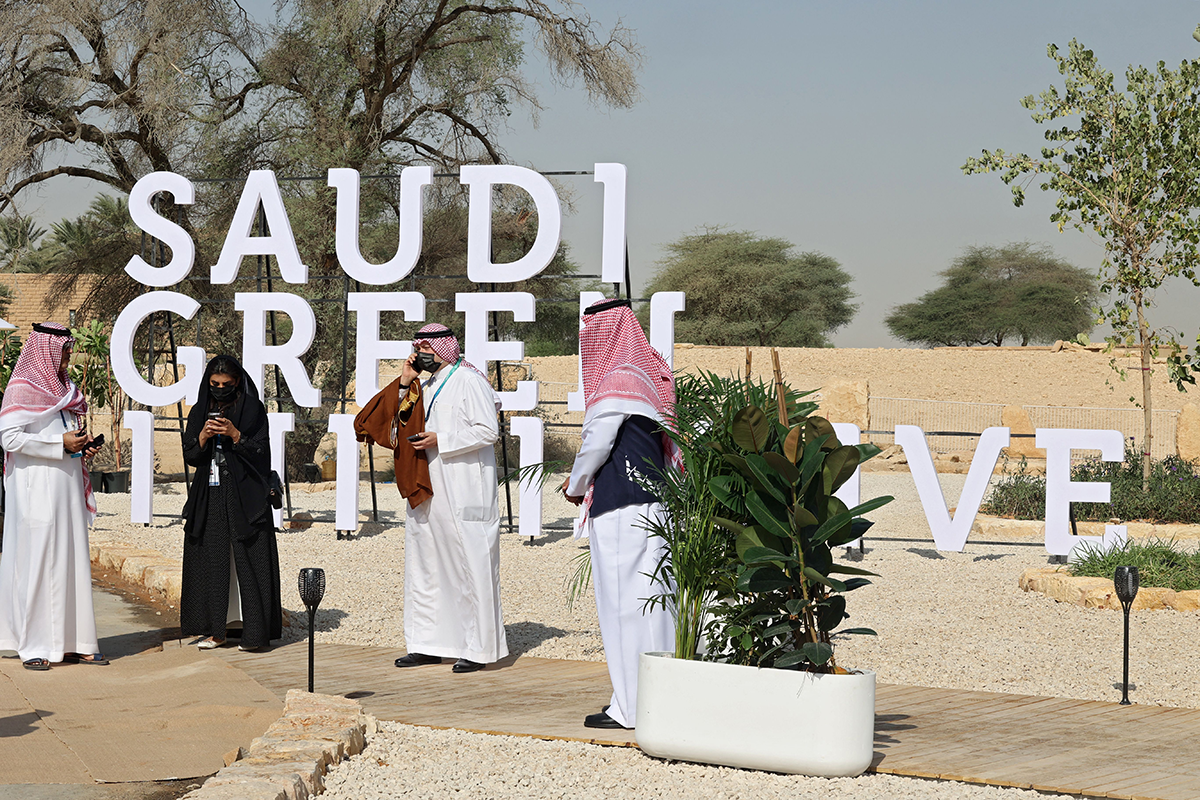
    A net-zero Saudi Arabia? Not so fast
    Photo by FAYEZ NURELDINE/AFP via Getty Images
  • Commentary
  • A net-zero Saudi Arabia? Not so fast

    The kingdom is unlikely to achieve net zero emissions soon, but the ambition to do so, and the plan, is an impactful step in the right direction, write Jim Krane and Karen E. Young in their new piece for Al-Monitor.

    The Middle East and the Global Energy Transition
    GettyImages-94642059.png
  • Analysis
  • The Middle East and the Global Energy Transition

    The Middle East is at the center of our global energy transition and we can expect the next five to ten years to be a period of difficult transformation, but also unique opportunity for oil and gas producers.

    Thinking MENA Futures: The Next Five Years and Beyond
    Photo by: Tyson Paul/Loop Images/Universal Images Group via Getty Images
  • Analysis
  • Thinking MENA Futures: The Next Five Years and Beyond

    The Middle East and North Africa (MENA), for a variety of reasons, are unrivaled in their need for bold, creative thinking about their future. But that is precisely why creative thinking about the future of the region — why strategic foresight — is essential. Produced in conjunction with MEI’s Strategic Foresight Initiative, Thinking MENA Futures aims to map out some of the possible futures for the region, as envisioned by thoughtful innovators working today to realize them.

    إسرائيل ومصر تتصدران توقعات النمو في الشرق الأوسط وشمال إفريقيا: قصة استراتيجيتين متباينتين
  • Commentary
  • إسرائيل ومصر تتصدران توقعات النمو في الشرق الأوسط وشمال إفريقيا: قصة استراتيجيتين متباينتين

    الدولتان في الشرق الأوسط اللتان تتمتعان بأعلى توقعات نمو لعام 2022 هما إسرائيل ومصر. وتقدر مؤسسة فيتش سوليوشنز أن الناتج المحلي الإجمالي على مستوى منطقة الشرق الأوسط وشمال إفريقيا سينمو بنسبة 3.6% في عام 2021، بعد انكماش بنسبة 4% في عام 2020. هنا نجد أن مصر وإسرائيل هما الدولتان الوحيدتان في المنطقة اللتان يُتوقع نمو اقتصادهما بما يتجاوز حجم مستويات ما قبل كوفيد-19.