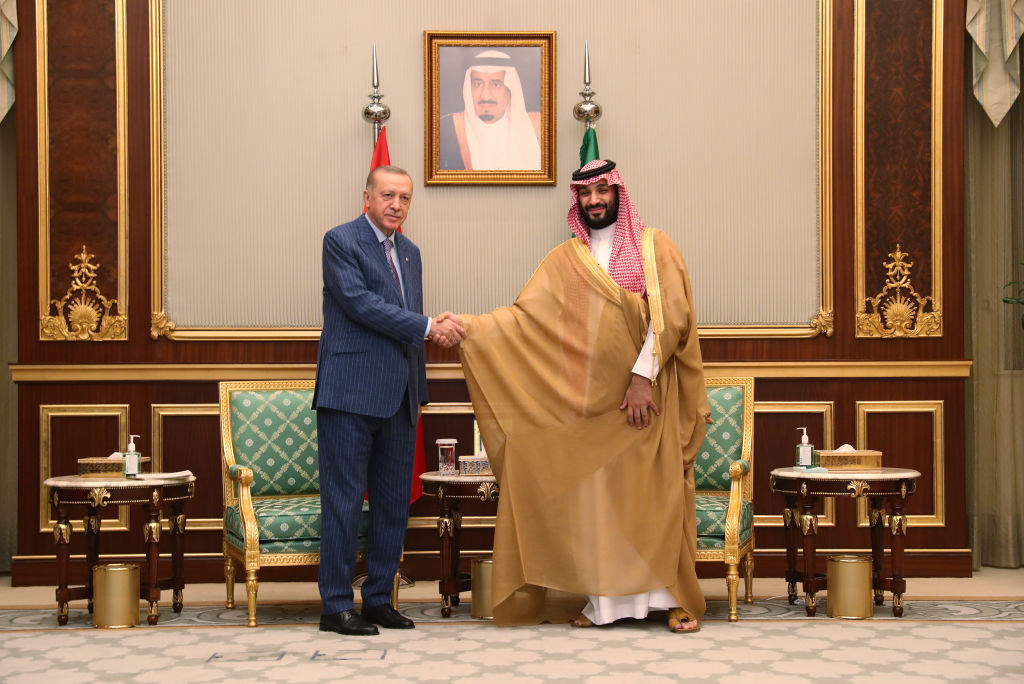
Monday Briefing: Facing domestic woes, Erdoğan looks to mend ties with Riyadh
اقرأ تقرير MEI الأسبوعي الذي يتضمن تحليلات الخبراء للتطورات الإقليمية الرئيسية للأسبوع المقبل.
الاقتصاد، الطاقة، البحرين، الكويت،عمان،قطر،المملكة العربية السعودية،الإمارات العربية المتحدة (الإمارات)
استفسارات الصحافة: [email protected]
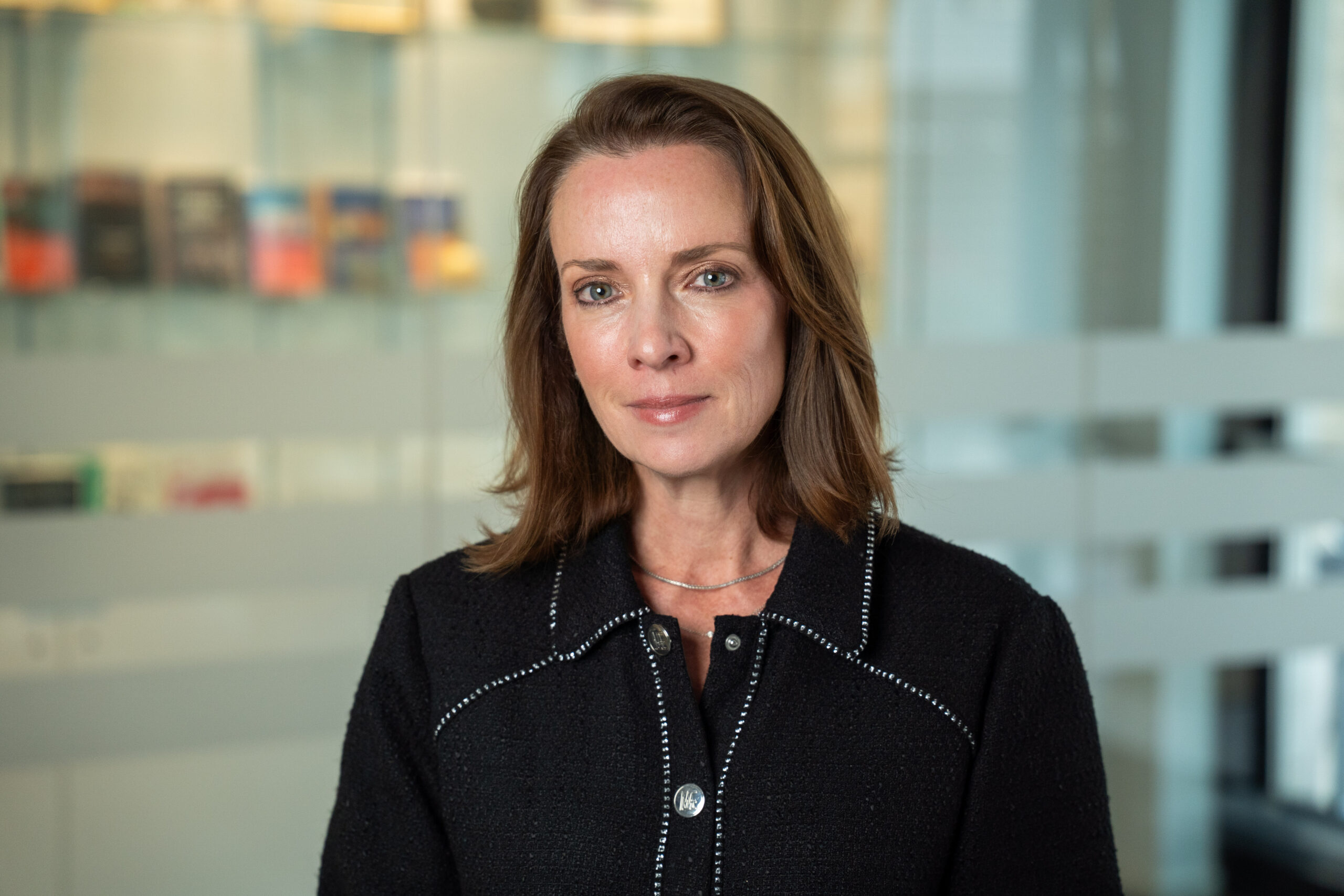
كارين إي. يونغ هي زميلة أولى في معهد الشرق الأوسط (MEI)، حيث تقود مبادرة الاقتصاد والطاقة. وهي أيضًا باحثة أولى في مركز جامعة كولومبيا لسياسة الطاقة العالمية. بصفتها خبيرة في الاقتصاد السياسي، تركز أعمالها على منطقة الخليج والشرق الأوسط وشمال أفريقيا (MENA) بشكل عام، مع إيلاء اهتمام خاص للتقاطع بين الطاقة والمالية والأمن.
شغلت الدكتورة يونغ مناصب بحثية وتدريسية رفيعة في عدد من المؤسسات الأكاديمية والسياسية. كانت سابقاً باحثة مقيمة في معهد أمريكان إنتربرايز وبحثة مقيمة رفيعة في معهد دول الخليج العربية في واشنطن. قامت بتدريس مقررات دراسية حول العلاقات الدولية في الشرق الأوسط في جامعة جورج واشنطن وتقوم بالتدريس بانتظام في معهد الخدمة الخارجية التابع لوزارة الخارجية الأمريكية. وتشمل مناصبها الأكاديمية أيضًا العمل كباحثة في مركز الشرق الأوسط التابع لكلية لندن للاقتصاد والعلوم السياسية، وقيادة ندوة حول الأسواق الناشئة في منطقة الشرق الأوسط وشمال إفريقيا في كلية جونز هوبكنز للدراسات الدولية المتقدمة. من 2009 إلى 2014، شغلت منصب أستاذ مساعد في العلوم السياسية في الجامعة الأمريكية في الشارقة.
الدكتور يونغ هو مؤلف كتاب "السياسة الاقتصادية لدول الخليج العربية: توزيع المساعدات والاستثمارات والتنمية في منطقة الشرق الأوسط وشمال أفريقيا" (IB Tauris/Bloomsbury، 2023) و الاقتصاد السياسي للطاقة والمالية والأمن في الإمارات العربية المتحدة: بين المجلس والسلطة (بالغريف ماكميلان، 2014). وقد نُشرت تحليلاتها في مجلة Foreign Affairs، و Foreign Policy، و The Financial Times، و Bloomberg، و Lawfare، و The National، و Journal of Arabian Studies، و Security Dialogue، وغيرها الكثير. كما نُشرت تعليقاتها في NPR، و CBS، و AFP، و The New York Times، و The Wall Street Journal، و The Washington Post، و Reuters.
وقد حظيت أبحاثها بدعم مالي من مؤسسة سميث ريتشاردسون، ومؤسسة كارنيجي في نيويورك، وبرنامج فولبرايت (الإكوادور 1997-1999؛ بلغاريا 2005-2006)، ومجلس البحوث والتبادل الدولي (IREX)، والمجلس الأمريكي للجمعيات العلمية (ACLS)، ومركز وودرو ويلسون، ومبادرة الشراكة مع الشرق الأوسط (MEPI) التابعة لوزارة الخارجية الأمريكية، وغيرها.
وهي حاصلة على درجة الدكتوراه في العلوم السياسية من مركز الدراسات العليا بجامعة مدينة نيويورك، ودرجة الماجستير في العلوم السياسية من جامعة كولومبيا، ودرجة الماجستير في الاقتصاد الدولي من جامعة أندينا سيمون بوليفار في كيتو، ودرجة البكالوريوس في الأنثروبولوجيا من كلية ويلسلي.
اقرأ تقرير MEI الأسبوعي الذي يتضمن تحليلات الخبراء للتطورات الإقليمية الرئيسية للأسبوع المقبل.
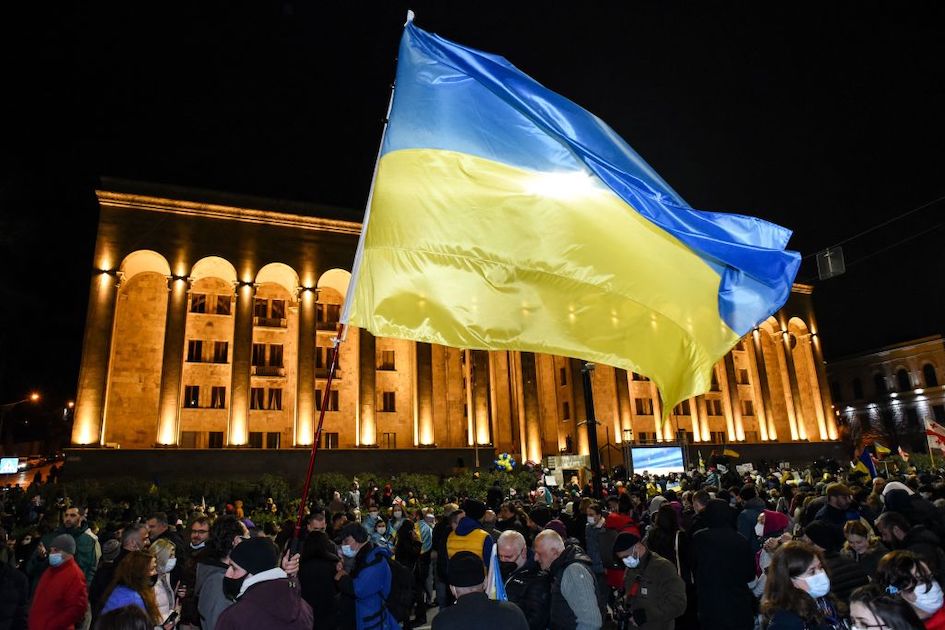
The global response to Russia’s invasion of Ukraine has focused new attention on friction between the United States and its traditional partners in the Gulf and reinforced skepticism regarding the United States’ status as the dominant international partner in the region. It’s time for both sides to identify a realistic way forward that sheds outdated notions of mutual obligation without becoming merely transactional.
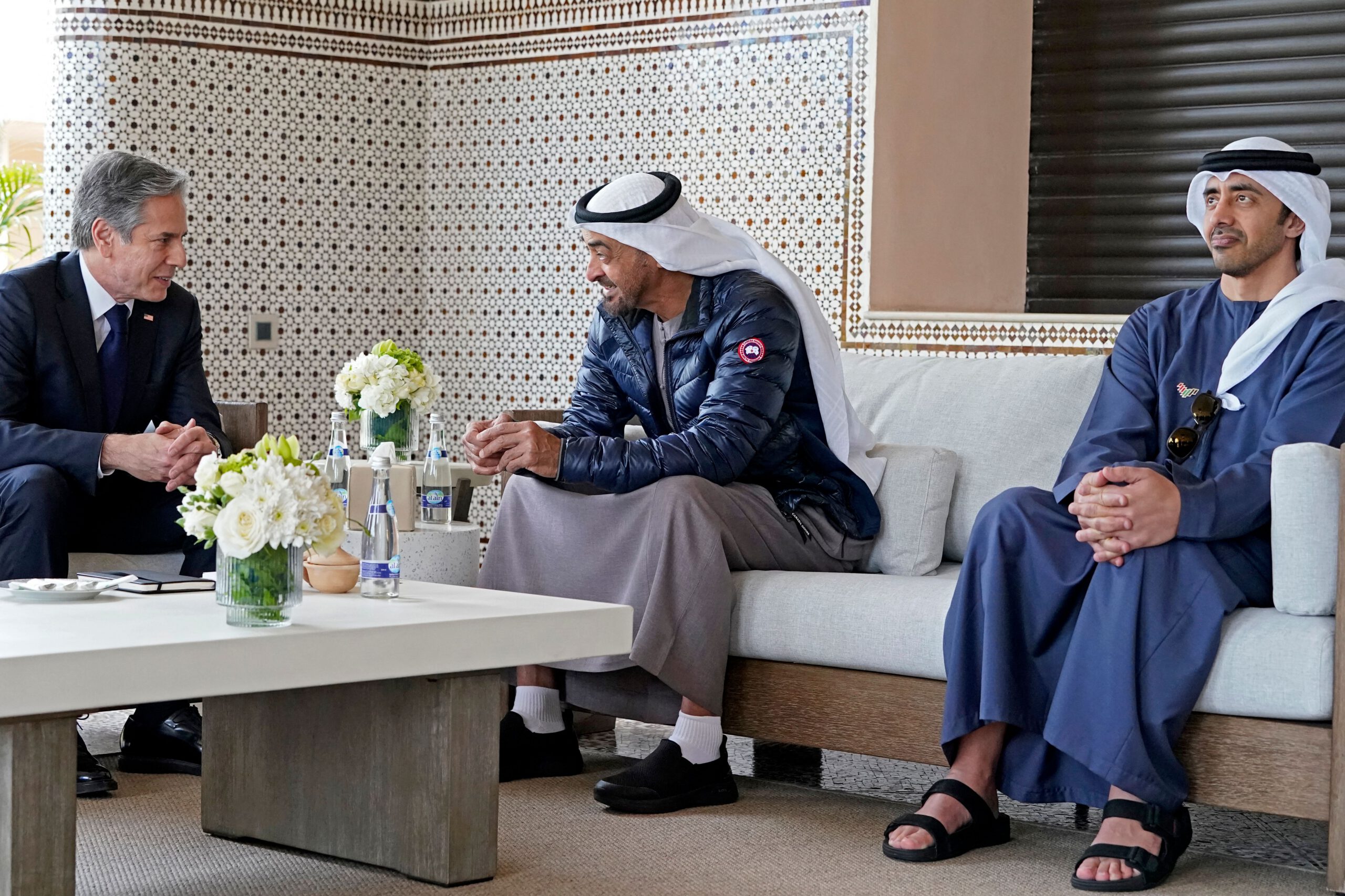
As tensions between the United States and the Gulf monarchies have been laid bare in recent weeks against the backdrop of Russia’s war in Ukraine, spiraling energy prices, and Houthi attacks on Saudi and Emirati territory, it’s clear that there will not be a return to the U.S.-Gulf partnership of the past—but there can be a new understanding between the two sides.
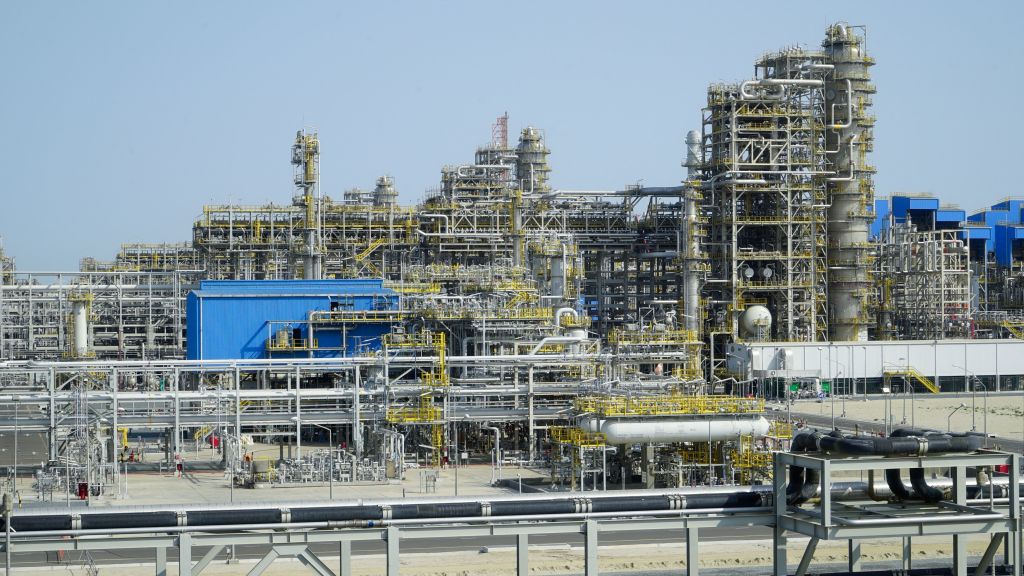
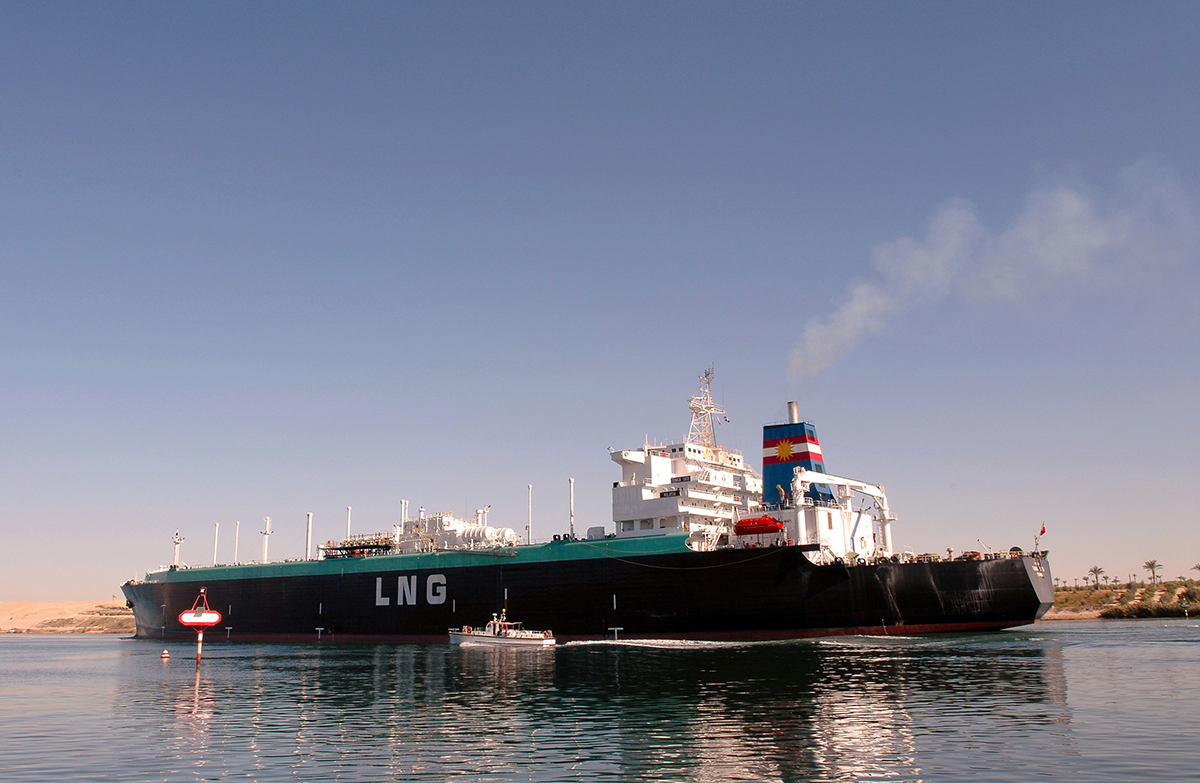
Gulf oil and gas exporters might seek to gain market share from Russia and act as a source of energy stability for Europe.
اقرأ تقرير MEI الأسبوعي الذي يتضمن تحليلات الخبراء للتطورات الإقليمية الرئيسية للأسبوع المقبل.
Saudi Arabia has undergone tremendous social change in recent years, but it has struggled to make good on some of its more ambitious financial goals. Much of the promised foreign direct investment has yet to arrive, and the kingdom’s growth agenda has drained its foreign reserves. Most of Mohammed bin Salman’s more eye-catching promises, including futuristic urban megaprojects, remain unfinished.
Look to the people of the region first, then the evolving competition among regional states and global powers, for signs on what to expect.
While oil prices have rebounded before soaring since the depths of collapse in the spring of 2020 — with Brent crude prices skyrocketing from $19 per barrel in April 2020 to a three-year high of $86 per barrel in October 2021 — the prospects for a sustained high oil price for Gulf producers is unlikely.
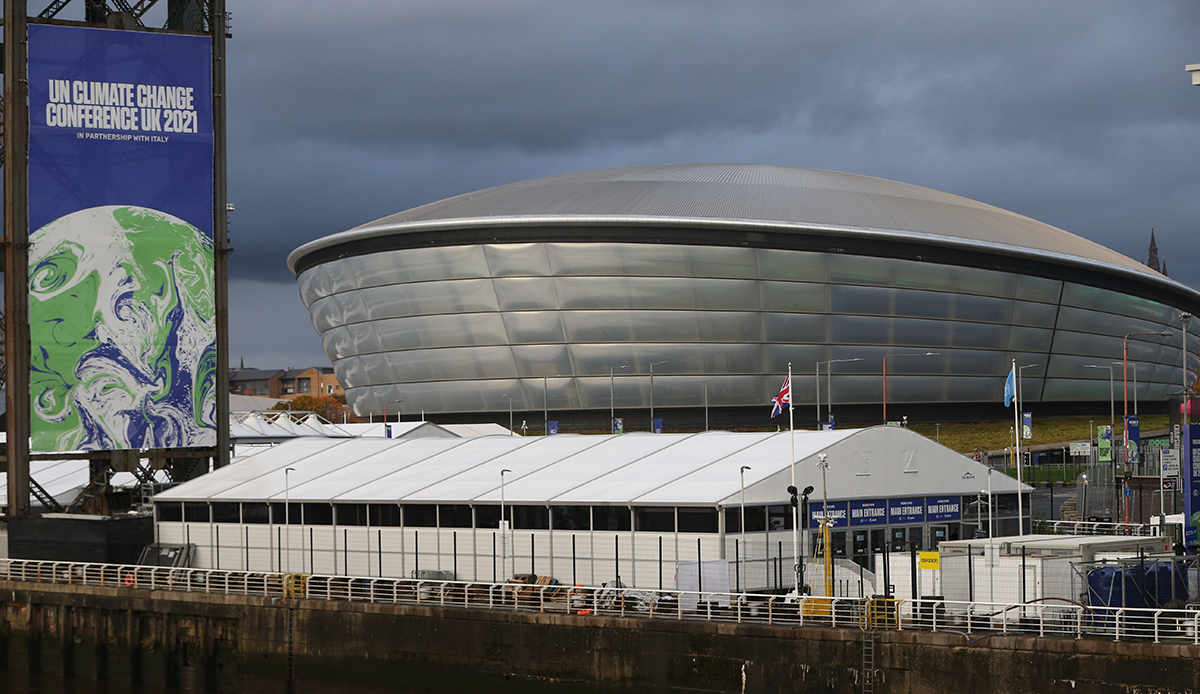
As the U.N. Climate Change Conference (COP26) kicks off in Glasgow, climate change is front and center on the global agenda. Few regions of the world have more at stake than the Middle East and North Africa, given the current environmental and sustainability challenges and potential future scenarios. Experts from across MEI weigh in with their thoughts on what should be the key outcomes from COP26.
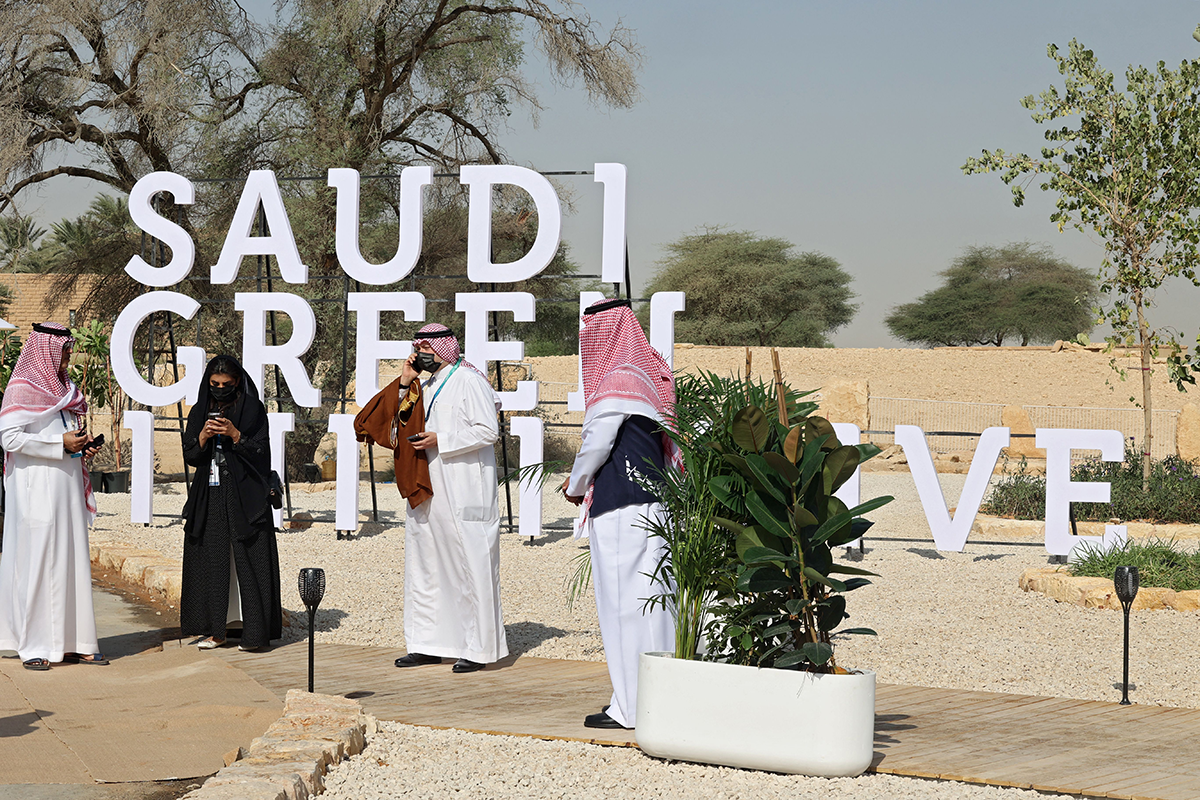
The kingdom is unlikely to achieve net zero emissions soon, but the ambition to do so, and the plan, is an impactful step in the right direction, write Jim Krane and Karen E. Young in their new piece for Al-Monitor.
The Middle East is at the center of our global energy transition and we can expect the next five to ten years to be a period of difficult transformation, but also unique opportunity for oil and gas producers.
تحليل إقليمي متخصص من قبل باحثي ومساهمي معهد الشرق الأوسط.
The Middle East and North Africa (MENA), for a variety of reasons, are unrivaled in their need for bold, creative thinking about their future. But that is precisely why creative thinking about the future of the region — why strategic foresight — is essential. Produced in conjunction with MEI’s Strategic Foresight Initiative, Thinking MENA Futures aims to map out some of the possible futures for the region, as envisioned by thoughtful innovators working today to realize them.