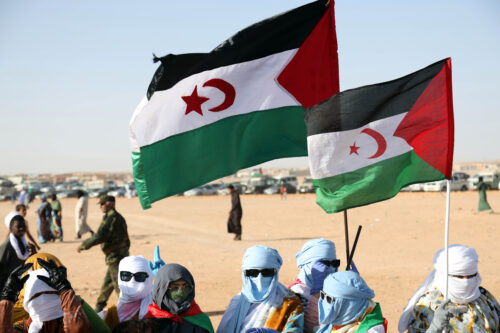
Western Sahara, a sparsely populated territory on the Atlantic coast of northwest Africa, is the site of one of the continent’s longest-running territorial disputes. The conflict dates to Spain’s withdrawal from the territory in 1975, after which Morocco Algeria, and Mauritania vied for control over the former colony.
This article is part of a collection of short essays written by the Fellows of the Middle East Institute to explore aspects of the ongoing war with Iran. The intent of the collection is to help readers see new and unexpected elements of the dynamics and impact of the ongoing hostilities and to think harder, deeper, and broader about the implications of the conflict.
Egypt: How the Iran War Has Affected Egypt’s Calculations
Egypt, which is not party to the war on Iran, has become a target as well as an intermediary in the conflict. As a result, the war has affected Egypt’s future calculations, particularly in three major areas: its economy, its security, and its regional alliances.
Western Sahara, a sparsely populated territory on the Atlantic coast of northwest Africa, is the site of one of the continent’s longest-running territorial disputes. The conflict dates to Spain’s withdrawal from the territory in 1975, after which Morocco Algeria, and Mauritania vied for control over the former colony.
This article is part of a collection of short essays written by the Fellows of the Middle East Institute to explore aspects of the ongoing war with Iran. The intent of the collection is to help readers see new and unexpected elements of the dynamics and impact of the ongoing hostilities and to think harder, deeper, and broader about the implications of the conflict.
Egypt: How the Iran War Has Affected Egypt’s Calculations
Egypt, which is not party to the war on Iran, has become a target as well as an intermediary in the conflict. As a result, the war has affected Egypt’s future calculations, particularly in three major areas: its economy, its security, and its regional alliances.
Algeria and Morocco have long been at odds, but recent diplomatic moves may signal a widening geopolitical split in North Africa. Hosts Alistair Taylor and Matthew Czekaj are joined by MEI Senior Fellow Intissar Fakir to unpack Algeria’s decision to sever diplomatic ties with the United Arab Emirates and Morocco’s warming relations with both the UAE and Israel. They also explore linkages between these diplomatic shifts and the Western Sahara conflict, Moroccan domestic concerns, particularly in light of this week’s elections, as well as broader regional stability.
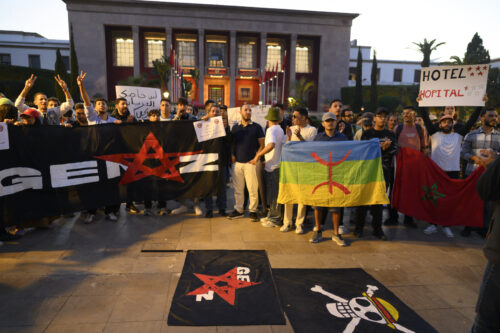
The Legacy of Morocco’s Gen Z Protests: Development as the New Political Language
Moroccans head to the polls on September 23 in a parliamentary election that is meant to formally close the chapter opened during last year’s Gen Z 212 protests. The demonstrations, which erupted almost exactly a year ago, drew attention to the mismatch that exists between Morocco’s economic and geopolitical ambitions, and the stark reality of its lagging domestic development.
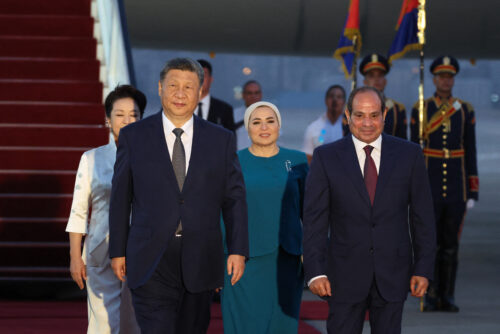
When President Xi Jinping arrived in Cairo this week for his first state visit to Egypt in a decade, trade, investment and geopolitics were inevitably high on the agenda. But Xi also made something else unusually prominent: culture.
Reflections on a Diplomatic Career in the Middle East: A Conversation With Ambassador Yael Lempert
Brian is joined by Amb. (ret.) Yael Lempert, Vice President for Outreach at MEI, to discuss her career in diplomacy and the importance of US diplomatic efforts abroad. She shares stories from postings across the Middle East in Baghdad, Cairo, Tripoli, Jerusalem, and Amman and examines how her personal and professional experiences shaped her approach to the work. Together, Brian and Yael discuss the realities of life in the Foreign Service, the core tenets of American diplomacy, and why it matters in today’s Middle East.
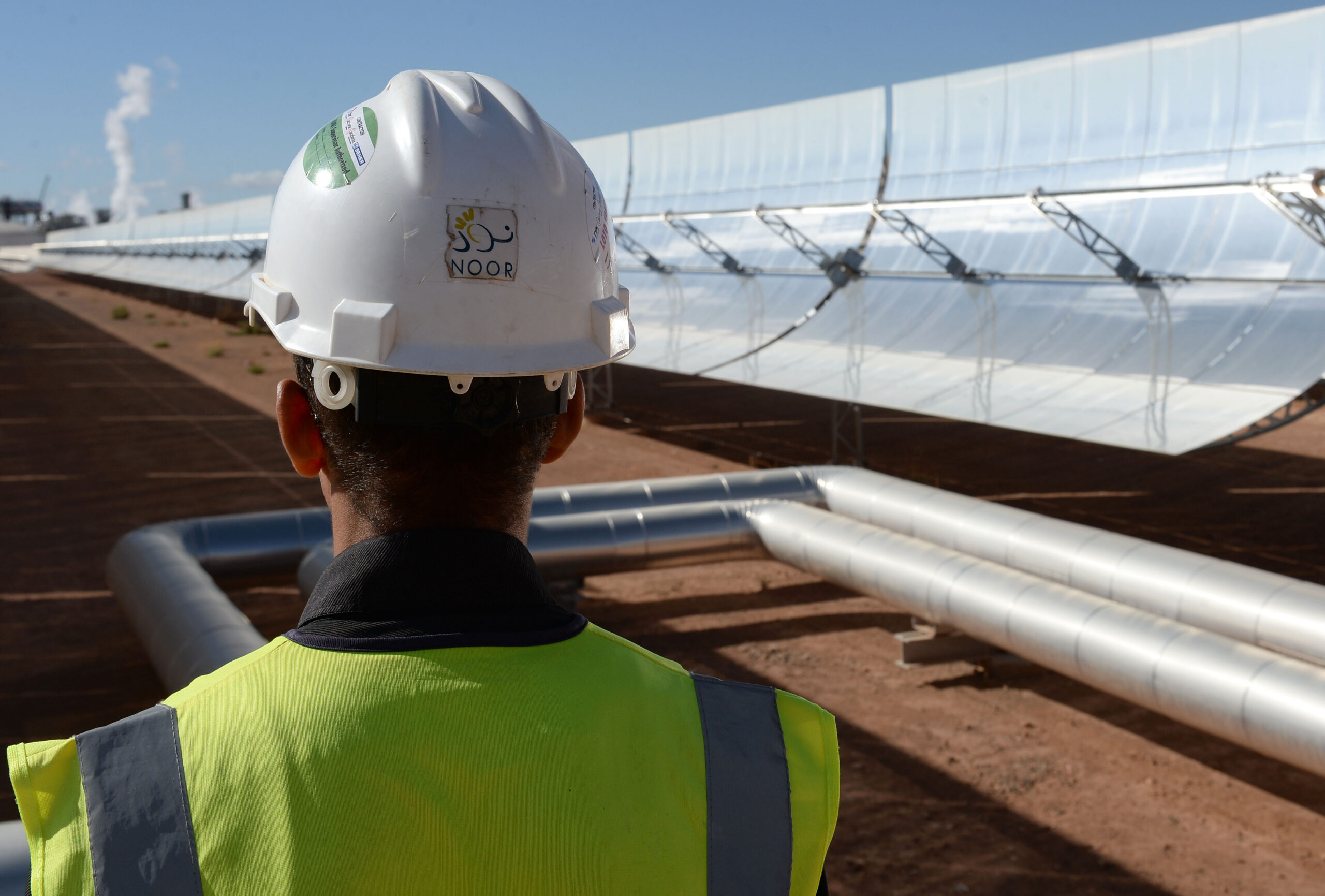
North African governments have sought to remain outside the US-Iran conflict, regardless of their differing alignments and preferences. Geography insulates them from the fighting, but not from the consequences. That duality is the region’s predicament: what makes North Africa useful to others is what leaves it exposed.
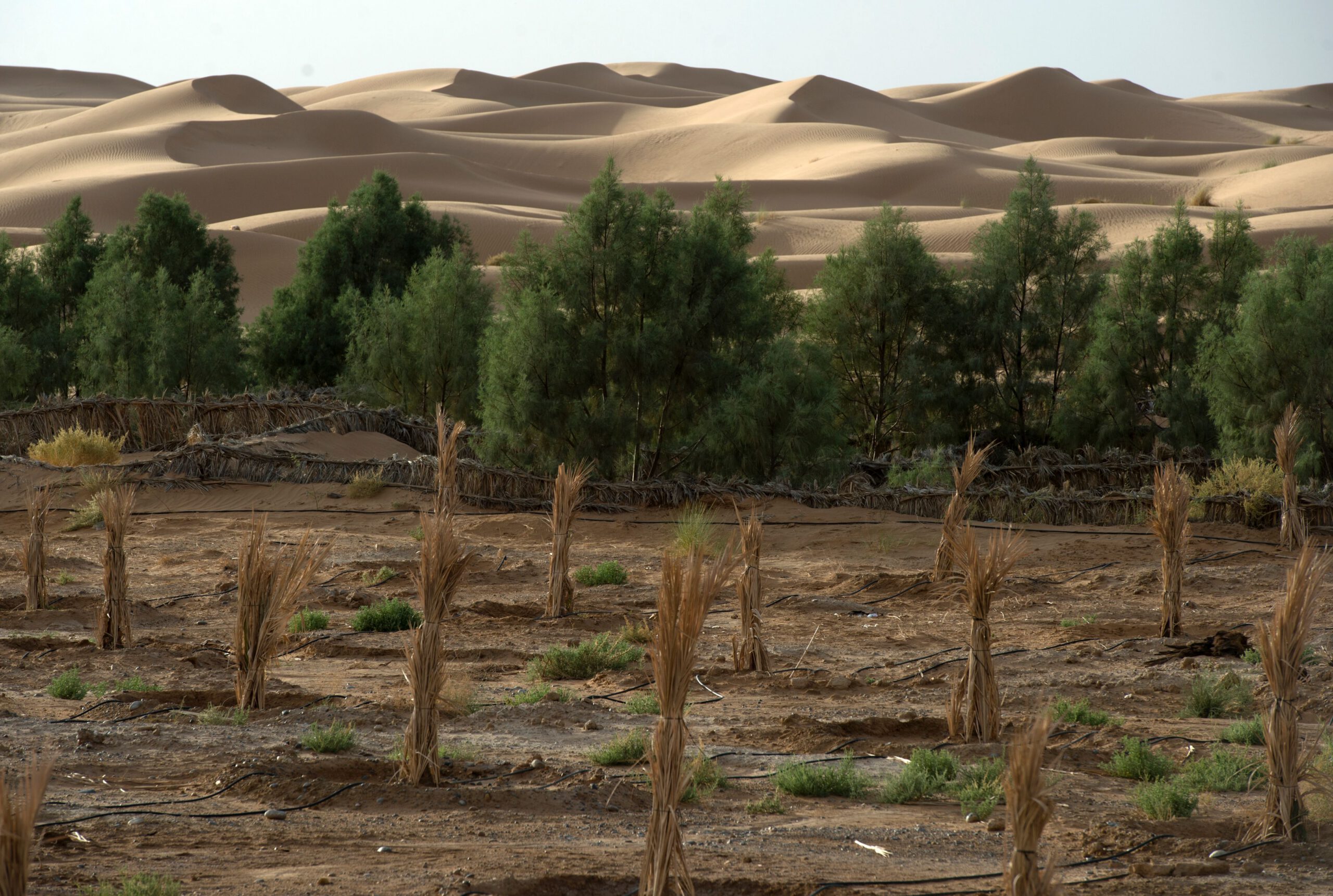
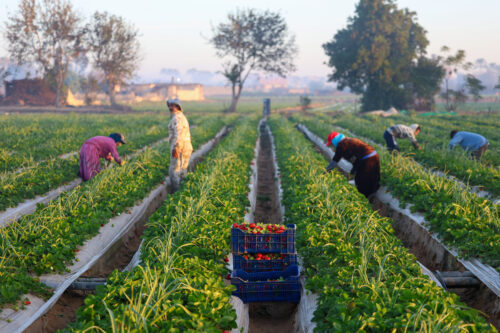
This summer, brutally hot temperatures, deepening water scarcity, and spiking fertilizer costs have put North Africa’s agricultural sector under intense pressure. Host Alistair Taylor is joined by Mohammed Mahmoud, CEO and founder of the Climate and Water Initiative and lead for Middle East Climate and Water Policy at the United Nations University Institute for Water, Environment, and Health, to unpack the region’s food and water security challenges. Drawing on Mahmoud’s new report card on agricultural sustainability in North Africa, they explore the diverging picture across the region, why some countries have weathered the strain better than others, and what it will take to build a more resilient and secure food system.
Outlook for Sustainable Agriculture in North Africa: Report Card Assessment
This report assesses the future sustainability of agriculture across North Africa using a multidimensional approach that considers the dynamics of water, climate, land, and economics. To enable this assessment of sustainable agriculture across the region, the author evaluates water resources reliability, water use efficiency, agricultural land sustainability, and the food sector economy for Egypt, Sudan, Libya, Tunisia, Algeria, Morocco, and Mauritania, and provides recommendations for action.
When the Strait of Hormuz closed in March, fertilizer prices spiked within weeks, triggering a food security crisis across North Africa and the Sahel. Host Alistair Taylor is joined by MEI Senior Fellow Intissar Fakir to explore what it means for the region, unpack the link between food security and regional stability, and assess how the strait’s reopening could impact those affected.
The oldest peer-reviewed publication dedicated to the study of the modern Middle East, MEI’s flagship journal covers politics, society, and culture in the region.