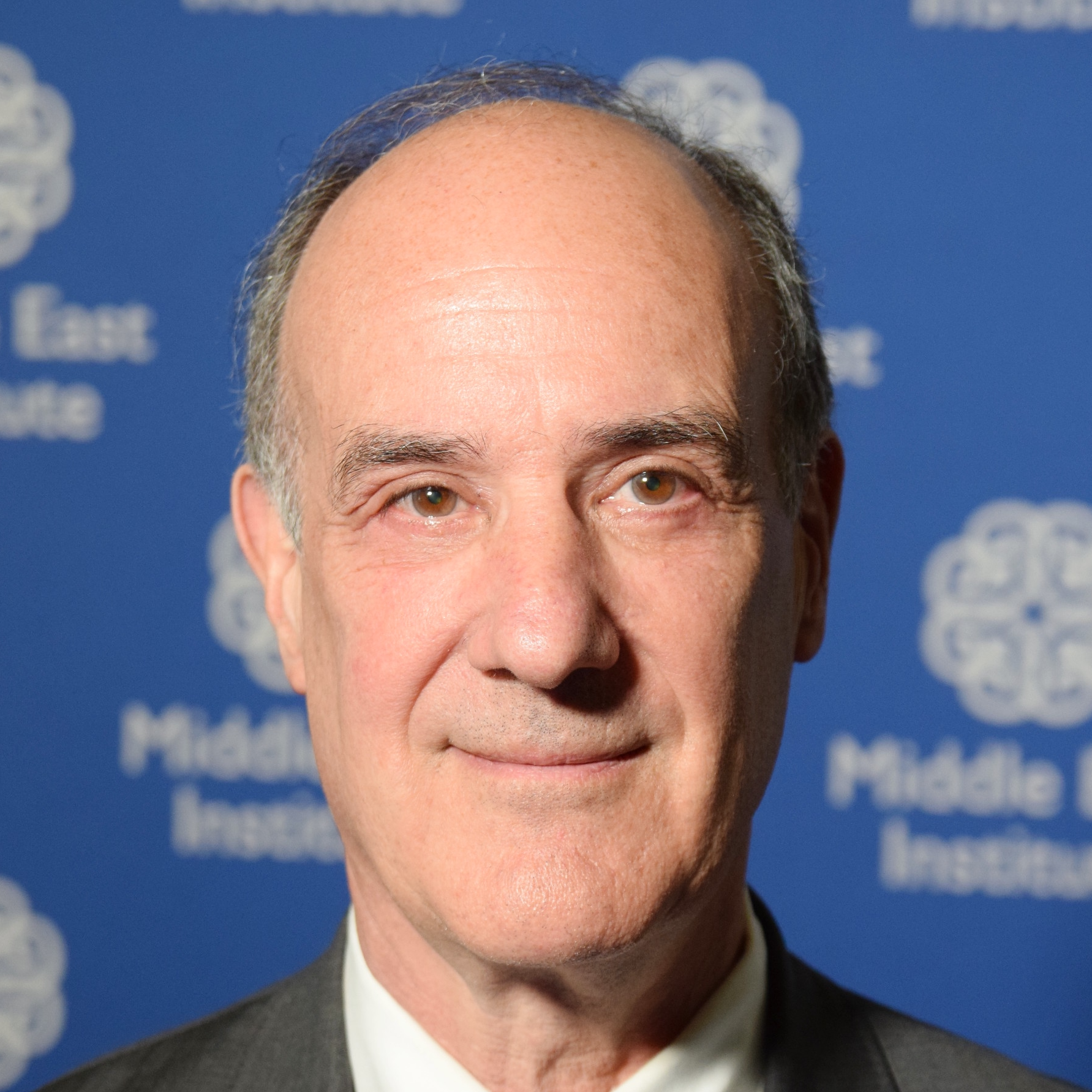
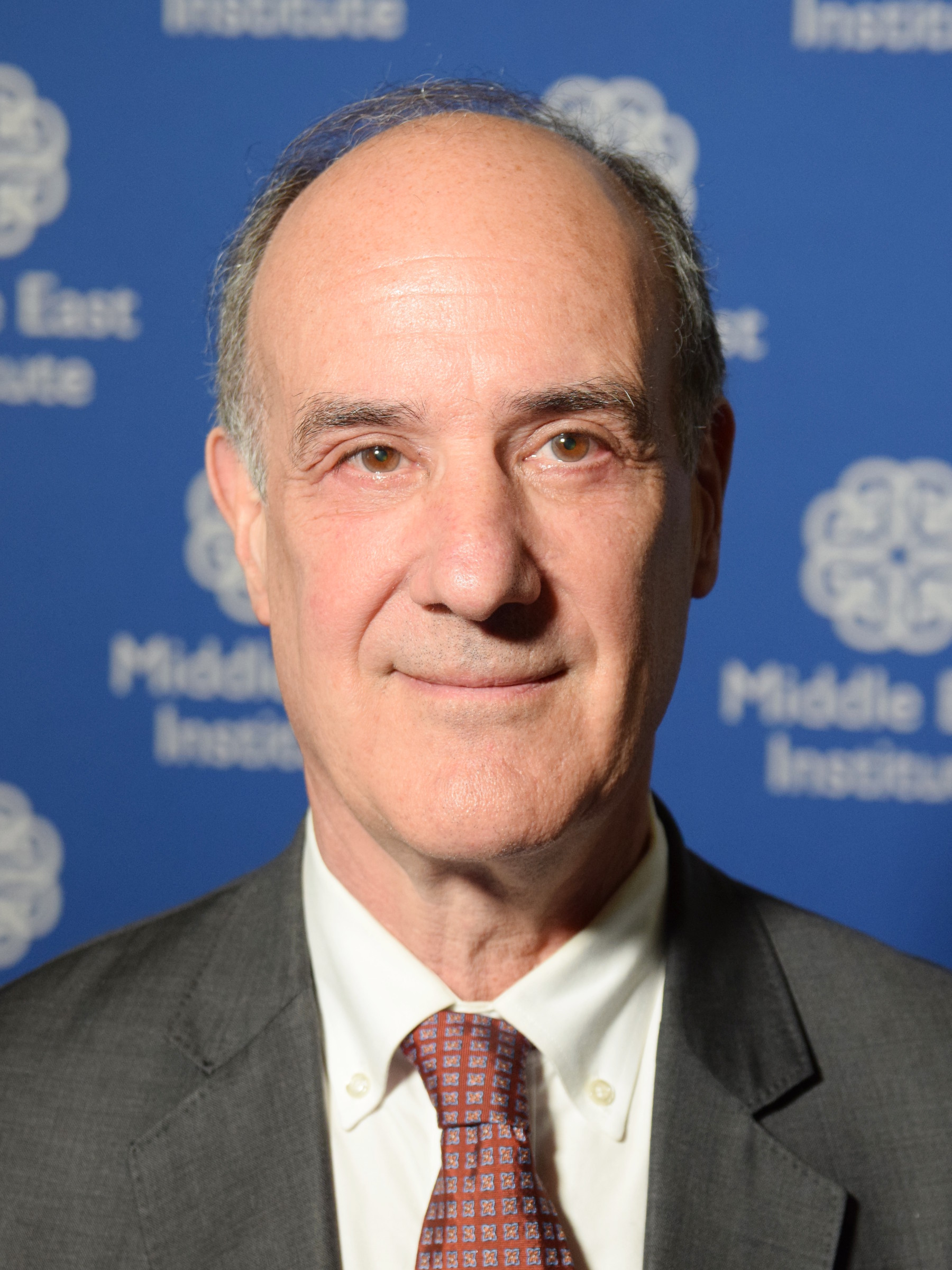
Jonathan M. Winer has been the United States Special Envoy for Libya, the deputy assistant secretary of state for international law enforcement, and counsel to United States Senator John Kerry. He has written and lectured widely on US Middle East policy, counter-terrorism, international money laundering, illicit networks, corruption, and US-Russia issues.
In 2016, Winer received the highest award granted by the Secretary of State, for “extraordinary service to the US government” in avoiding the massacre of over 3,000 members of an Iranian dissident group in Iraq, and for leading US policy in Libya “from a major foreign policy embarrassment to a fragile but democratic, internationally recognized government.” In 1999, he received the Department’s second highest award, for having “created the capacity of the Department and the US government to deal with international crime and criminal justice as important foreign policy functions.” The award stated that “the scope and significance of his achievements are virtually unprecedented for any single official.”
Education:
BA from Yale University, 1976; JD from New York University School of Law, 1981
Countries of Expertise:
Libya, North Africa
Issues of Expertise:
US Foreign Policy, Counter-terrorism, Governance, Economics and Energy, Migration
After over a decade of division between rival factions in eastern and western Libya, the Trump administration has put forward a plan to unite the two sides through a power-sharing agreement. Hosts Alistair Taylor and Matthew Czekaj are joined by MEI Distinguished Diplomatic Fellow Jonathan M. Winer to unpack the details of this proposal and its potential consequences for the Libyan people. Winer, who served as United States Special Envoy for Libya, offers analysis of the plan’s viability, the response of various actors on the ground, and whether it can stabilize the country and help resolve its deep-seated challenges.
From Hormuz to the Sahel: A Fertilizer Shock, and a Maghreb Solution
The war-time disruptions of international shipping passing through the Strait of Hormuz are spreading through the fertilizer market and affecting supply chains encompassing regions that have no margins to absorb the impact. The Sahel is one such region and now faces a severe threat of widespread hunger.
Libya’s Fragile Equilibrium: Succession Risk and Energy Stability
Libya’s stability has taken on renewed strategic importance as the impact of the US and Israeli war with Iran reverberates through global energy markets. Sustaining existing Libyan oil production depends on a governing arrangement capable of keeping ports open, pipelines flowing, and revenues distributed without triggering conflict.
Intelligence questions as the war with Iran enters a more uncertain phase
Following the tactical surprise of US-Israeli strikes on Iran, a crucial next step is the assessment of judgments about Iranian military sustainability, regime cohesion, escalation dynamics, regional spillover, allied responses, and plausible end states, and how those judgments interact with allied positioning, diplomatic activity, and economic constraints.
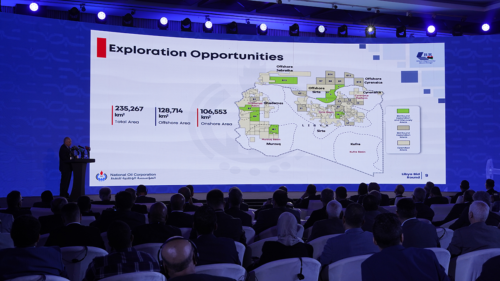
The question facing international oil companies is not whether Libya has oil and gas to develop. It does. The question is whether the country’s current political, economic, and security conditions allow that potential to be converted into reliable returns — and whether near-term changes could alter that calculation.
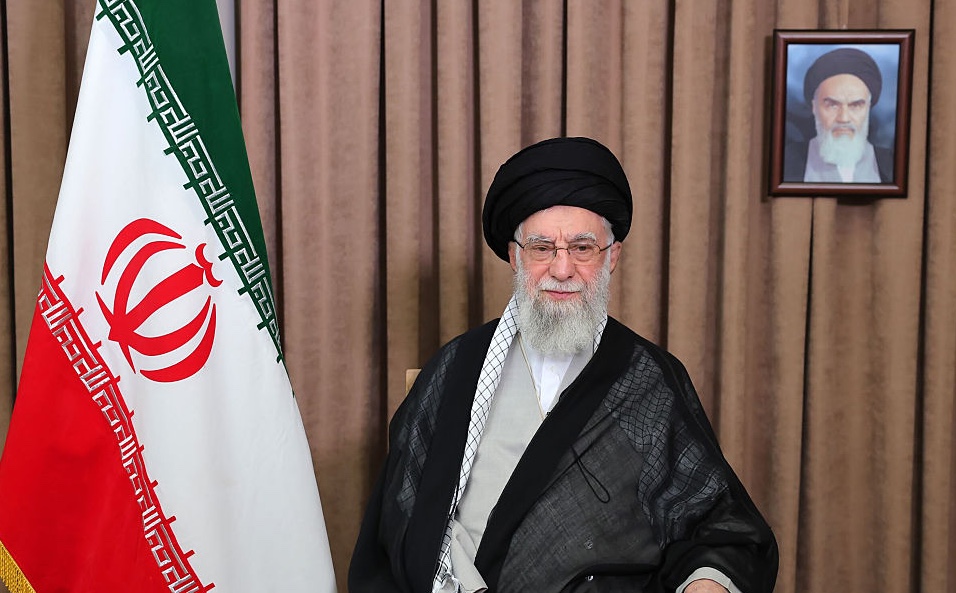
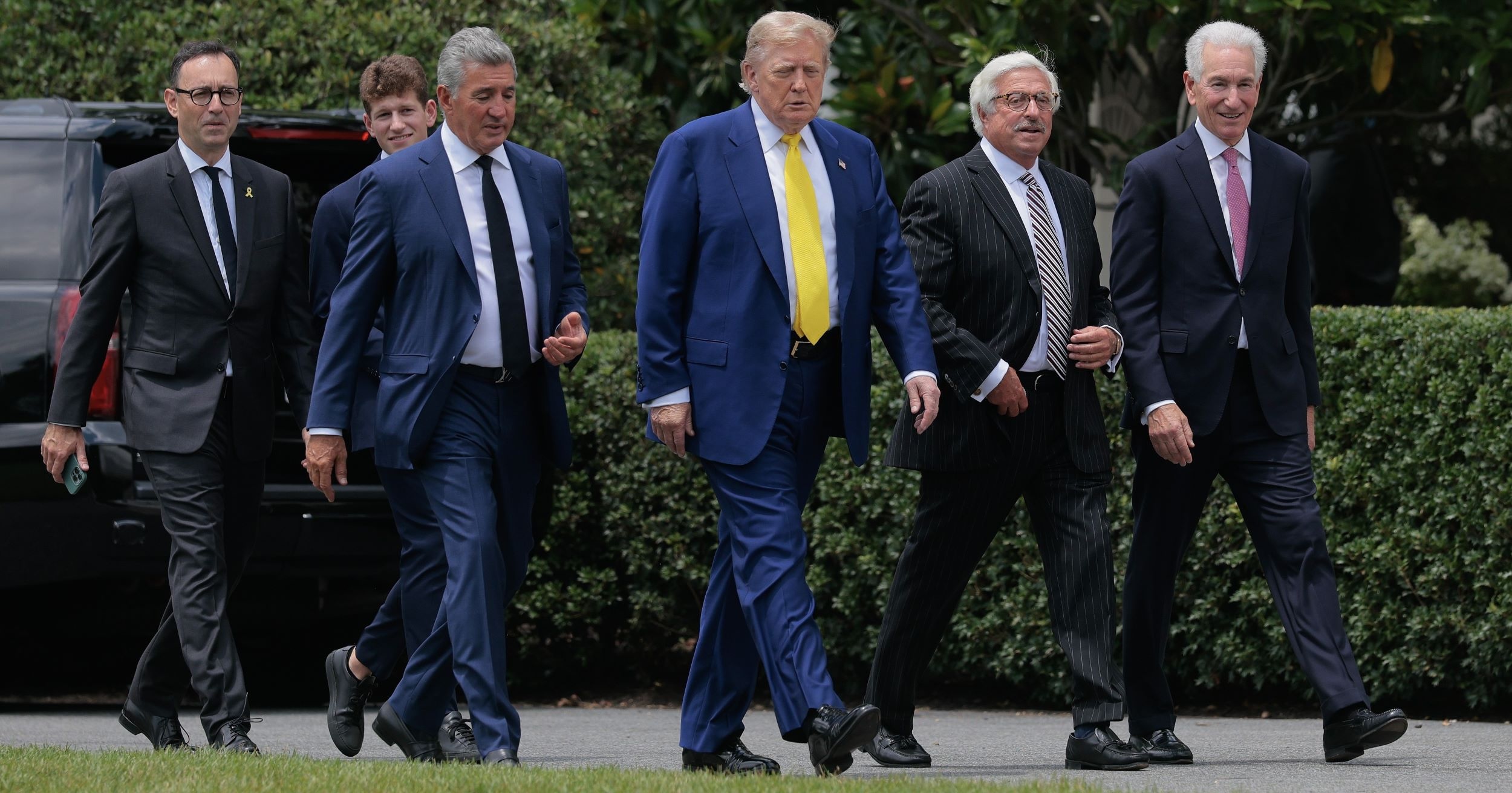
President Donald Trump threatens Iranian Supreme Leader Ali Khamenei. But measured language and disciplined policy can help prevent escalation and protect American interests.
يقوم الرئيس الأمريكي دونالد ترامب هذا الأسبوع بزيارته الأولى إلى الشرق الأوسط منذ بدء ولايته الثانية، حيث سيزور المملكة العربية السعودية وقطر والإمارات العربية المتحدة في الفترة من 13 إلى 16 مايو. وسط التركيز المتزايد على سياسة الولايات المتحدة تجاه الشرق الأوسط، يقيّم خبراء معهد الشرق الأوسط (MEI) زيارة ترامب إلى الخليج، وكيف شكلت إدارته نهجها تجاه المنطقة ككل في الأشهر الأولى من ولايتها، وكيف تستجيب الأطراف الفاعلة في المنطقة للسياسات الصادرة عن واشنطن.
الاعتقال والاحتجاز غير القانونيين لرئيس هيئة استرداد الأصول الليبية يعكسان تفاقم الفساد في ليبيا
لا تزال الفساد المستشري في ليبيا يثبط الاستثمار الأجنبي، ويشل الخدمات العامة، ويقوض الثقة في الحكومة. وتعود هذه الحالة المزرية إلى الصراعات المستمرة على السلطة بين النخبة السياسية والعسكرية في ليبيا. وقد قام مؤخراً بعض الفاعلين السيئين في شرق ليبيا وغربها بحملة اعتقالات وتعتيقات تعسفية حذرت بعثة الأمم المتحدة للدعم في ليبيا من أنها ليست فقط غير قانونية، بل إنها تخلق "مناخاً من الخوف".
تشكل الجهود المستمرة التي تبذلها مختلف الفصائل في ليبيا للسيطرة على البنك المركزي الليبي (CBL) خطراً واضحاً ومحدقاً على البلد بأسره، مما يهدد سلامته وأمنه واقتصاده.
ليبيا تظل مفتاح الناتو لمواجهة الأنشطة الروسية الخبيثة في أفريقيا
قبل ثماني سنوات، لم يكن أحد يتوقع أن روسيا ستتوسع في أفريقيا بهذه السرعة والشمولية. واليوم، هناك إدراك واسع النطاق للتهديد الذي يشكله التوسع الروسي المزعزع للاستقرار في أفريقيا على حلف الناتو وأعضائه والمنطقة الأفريقية.
في ليبيا، يتطلب فشل الأمم المتحدة والنفوذ الروسي تحديث سياسة الولايات المتحدة
حققت بعثة الأمم المتحدة للدعم في ليبيا (UNSMIL) تقدماً محدوداً في تحقيق أهدافها، كما أن السياسة الأمريكية الحالية تجاه ليبيا قد فشلت. وبالإضافة إلى إعادة فتح السفارة الأمريكية وإرسال دبلوماسيين إلى هناك، ينبغي على الولايات المتحدة أن تنظر في الأدوات المتاحة لها لممارسة نفوذها في ليبيا بطريقة تعود بالنفع على الشعب الليبي وتساعد على استقرار المنطقة من خلال مواجهة ما يفعله الروس هناك.
Essential questions about the Russia-Hamas link: The evidence and its implications
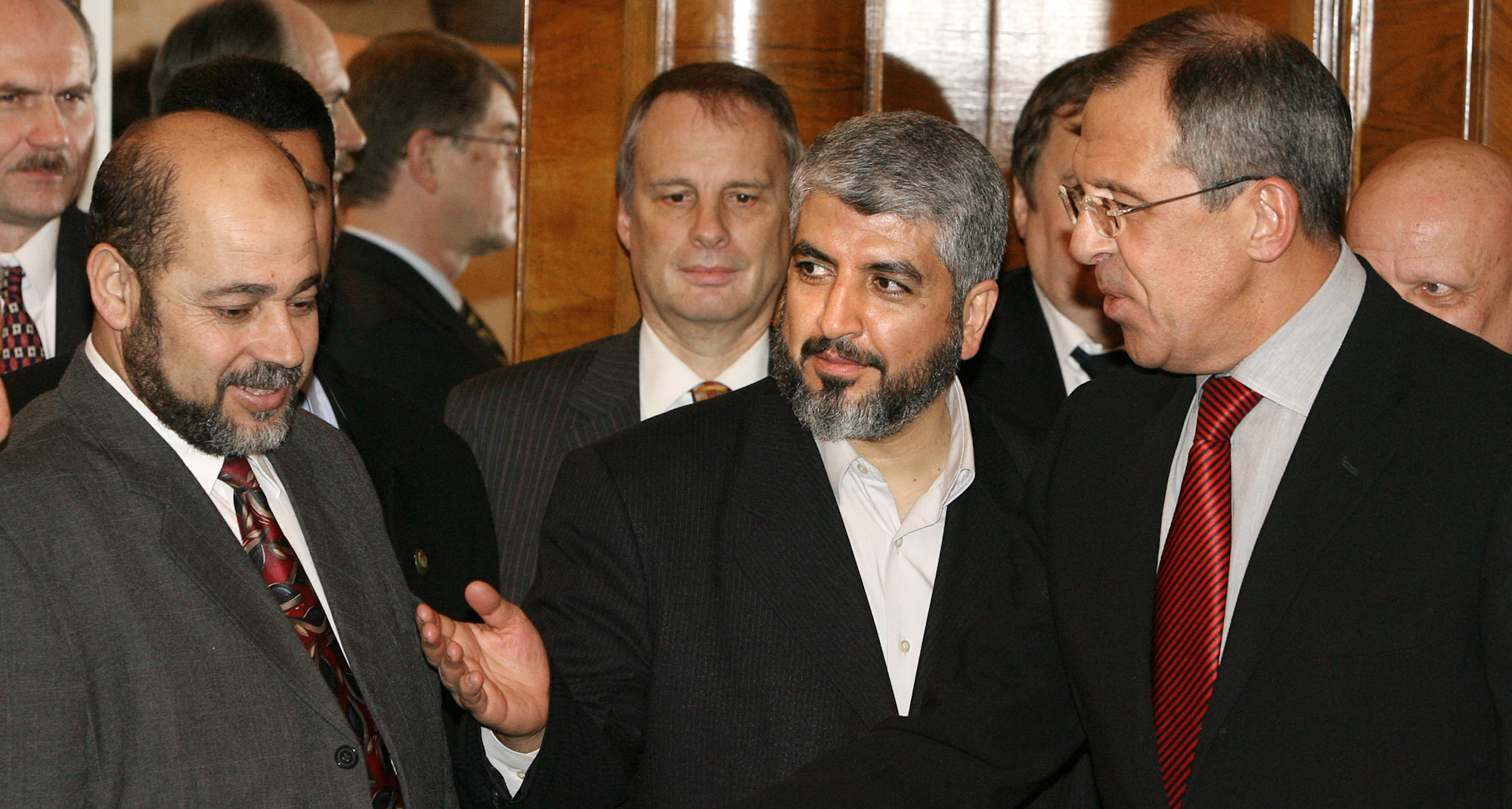
As the war in Gaza continues to unfold, essential questions about Russian and Iranian support for Hamas remain. They include whether Russia played any role in providing support to Hamas ahead of its Oct. 7 attack on Israel. Evidence available from foreign-language publications in Russian, Persian, Arabic, and Hebrew, as well as those in English, provides provocative leads, which, if accurate, have serious potential implications.
آراء الخبراء: الدبلوماسية الأمريكية والحرب بين إسرائيل وحماس
What further diplomatic steps should the U.S. take to respond to the Israel-Hamas war and its broadening regional reverberations? MEI has asked a group of former U.S. ambassadors and senior government officials specializing in the region to weigh in.