The Other MoU: Launching a Europe-Gulf Resilience Initiative After the US-Iran Deal
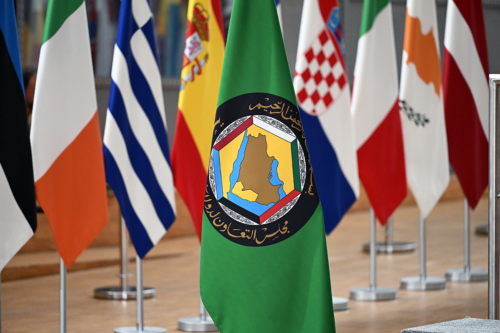
The Islamabad Memorandum of Understanding (MoU) between the United States and Iran may have ended one of the most consequential Middle Eastern crises in decades, but it has not resolved the strategic problem it exposed. Whether the 60-day talks it set in motion will produce a final agreement remains far from certain.Yet the central lessons are already clear: Iran has preserved significant leverage, Washington has had to scale back its ambitions, and Europe and the Gulf face the prospect of protracted regional tension. Europe and the Gulf should therefore use the aftermath of the US-Iran deal to articulate their own “other MoU”: a Europe-Gulf Resilience initiative.
The Impact of the Iran War on the Gulf’s Grand AI Plans
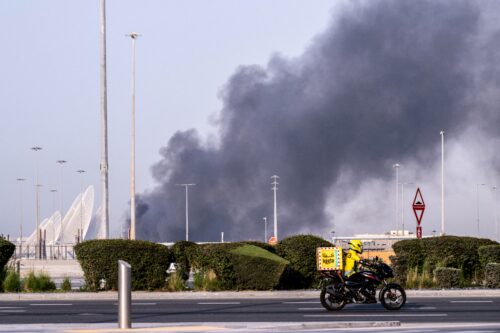
When Iranian drone strikes hit two of Amazon’s data centers in the United Arab Emirates and Bahrain in early March, amid the ongoing US-Israeli war with Iran, much of the media’s reflex was to declare it the end of the Gulf’s artificial intelligence (AI) ambitions. That read is misguided, and it misses why what Iran was trying to accomplish failed.
The Other MoU: Launching a Europe-Gulf Resilience Initiative After the US-Iran Deal
The Islamabad Memorandum of Understanding (MoU) between the United States and Iran may have ended one of the most consequential Middle Eastern crises in decades, but it has not resolved the strategic problem it exposed. Whether the 60-day talks it set in motion will produce a final agreement remains far from certain.Yet the central lessons are already clear: Iran has preserved significant leverage, Washington has had to scale back its ambitions, and Europe and the Gulf face the prospect of protracted regional tension. Europe and the Gulf should therefore use the aftermath of the US-Iran deal to articulate their own “other MoU”: a Europe-Gulf Resilience initiative.
The Impact of the Iran War on the Gulf’s Grand AI Plans
When Iranian drone strikes hit two of Amazon’s data centers in the United Arab Emirates and Bahrain in early March, amid the ongoing US-Israeli war with Iran, much of the media’s reflex was to declare it the end of the Gulf’s artificial intelligence (AI) ambitions. That read is misguided, and it misses why what Iran was trying to accomplish failed.
The Gulf states are betting big on artificial intelligence (AI). Their motive is simple: While hydrocarbons will remain part of the energy mix for the foreseeable future, the revenue and influence tied to crude are already beginning to diminish. AI is not just about technology; it is a hedge, and potentially a new foundation for sustaining and even increasing their power in the rapidly shifting world order.
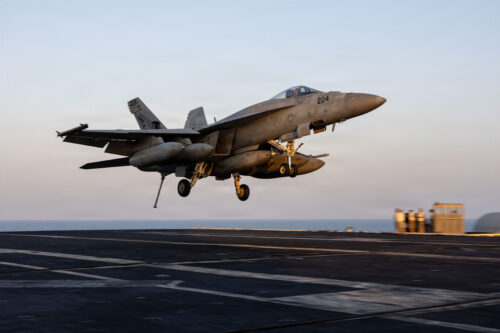
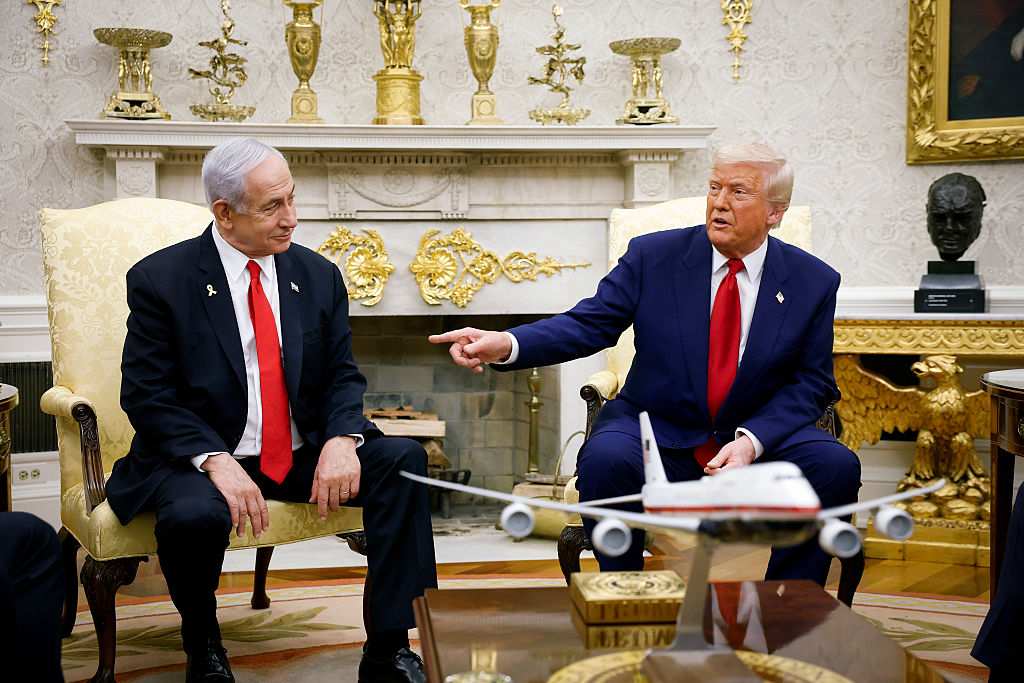
The United States is Israel’s closest ally, and its support is a central pillar of Israel’s national security. The US provides Israel access to purchase advanced weapon systems, ammunition and weapon emergency supplies in times of war, intelligence sharing, opportunities for cooperation in defense technology, and crucial diplomatic cover at the UN Security Council and elsewhere. It also provides Israel with regular security aid, to be spent in the United States, currently at an annual rate of $3.8bn (under an MOU that expires in 2028). Since October 2023, the US also offered active military support, in a break from the historical norm. It contributed substantially to Israel’s defense against Iranian ballistic missiles, in conjunction with Arab regional partners, and bombed nuclear sites in Iran in support of Israel’s campaign in the “12 Day War” of June 2025.
From the Middle East to West Asia: Redefining America’s Global Strategy
MEI Senior Fellow Mohammed Soliman joins hosts Alistair Taylor and Matthew Czekaj to discuss his new book, West Asia: A New American Grand Strategy in the Middle East. The book argues that it is time for the United States to move decisively away from nation-building and focus instead on order-building, outlining a framework for a new regional order that links Europe to the Indo-Pacific. Soliman also shares how he conceived of the core ideas behind his book and explains why his thesis is especially relevant in today’s geopolitical, economic, and technological landscape.
Bolstering US, Japan, and Gulf Cooperation in the High Tech Field
In recent years, both Washington and the Middle East have been looking eastward. The United States has been executing its own “pivot to Asia,” seeking to strengthen alliances and manage competition in the Indo-Pacific, while many Middle Eastern states are simultaneously deepening their economic and strategic ties with Asian partners. This dual pivot is creating new intersections for US–Japan cooperation. The discussion featured Ambassador Barbara Leaf, Mohammed Soliman and Amane Kobayashi, and was moderated by Ken Pollack. Drawing on their experience, the speakers examined how Japanese, American, and Gulf public and private initiatives can be integrated to create more dynamic, cutting-edge economies, symbiotic diplomatic relationships, and stronger mutual security ties.
الخطوط الأمامية الرقمية: ما كشفت عنه الحرب التي استمرت 12 يوماً عن تطور استراتيجية إيران السيبرانية
خلال الحرب بين إسرائيل وإيران في يونيو، دارت معركة أكثر هدوءًا ولكنها مهمة في الفضاء الإلكتروني، مما يسلط الضوء على كيفية قيام طهران بتحسين استخدامها للأدوات الرقمية لتشكيل ساحة المعركة، والتحكم في الروايات المحلية، وإبراز نفوذها في الخارج. على الرغم من عدم فعالية استجابة إيران الإلكترونية من الناحية العملياتية إلى حد كبير، إلا أنها شكلت مرحلة جديدة في تطورها الاستراتيجي.
طموحات المملكة العربية السعودية في مجال الذكاء الاصطناعي، وما يعنيه ذلك بالنسبة للولايات المتحدة
قبل يوم من هبوط طائرة الرئاسة الأمريكية في الرياض لبدء جولة الرئيس الأمريكي دونالد ترامب في ثلاث دول خليجية، أصدرت المملكة العربية السعودية إعلانًا مهمًا. كشفت المملكة، التي لطالما كانت مرادفاً للنفط، عن استثمار كبير في الذكاء الاصطناعي (AI) من خلال شركتها الجديدة HumAIn. هذا التحول، الذي تزامن بشكل واضح مع زيارة ترامب التي بدأت في 13 مايو، وتوقعاً لتوقيع العديد من الصفقات التقنية بين الشركات الأمريكية وشركات الخليج خلال الزيارة، أشار إلى تحول عميق في العلاقات الأمريكية السعودية - من تحالف تقليدي قائم على النفط مقابل الأمن إلى شراكة تركز على الذكاء الاصطناعي والبنية التحتية الرقمية.
الذكاء الاصطناعي والتكنولوجيا ومستقبل العلاقات بين الولايات المتحدة ودول الخليج
يتحدث المضيفان أليستر تايلور وماثيو تشيكاج مع محمد سليمان، زميل أول في معهد الشرق الأوسط، عن الزيارة الأخيرة التي قام بها الرئيس دونالد ترامب إلى المملكة العربية السعودية والإمارات العربية المتحدة وقطر، والتي أسفرت عن موجة من الصفقات الكبرى بين الولايات المتحدة ودول الخليج في مجالي التكنولوجيا والذكاء الاصطناعي. يشرح سليمان كيف تمثل هذه الشراكات تحولاً في العلاقة بين الطرفين - من النفط والأسلحة إلى القوة الحاسوبية والبنية التحتية للبيانات - وما يعنيه ذلك بالنسبة للدور الاستراتيجي لدول الخليج في النظام البيئي العالمي للذكاء الاصطناعي.
تقييم منتصف الطريق لرحلة ترامب التاريخية إلى الشرق الأوسط
كان أحد المحاور الاستراتيجية في الأشهر الأولى من ولاية ترامب الثانية هو تعميق التعاون الاقتصادي بين الولايات المتحدة والاقتصادات الرائدة في منطقة الخليج. وبالتالي، أسفرت المرحلة الأولى من رحلته إلى المنطقة عن وضع نموذج لتعميق العلاقات بين الولايات المتحدة والسعودية.