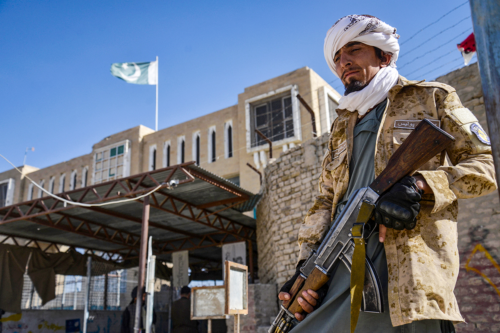
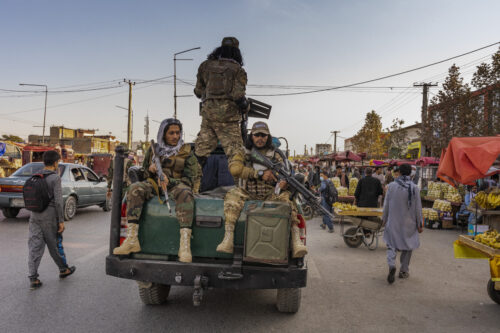
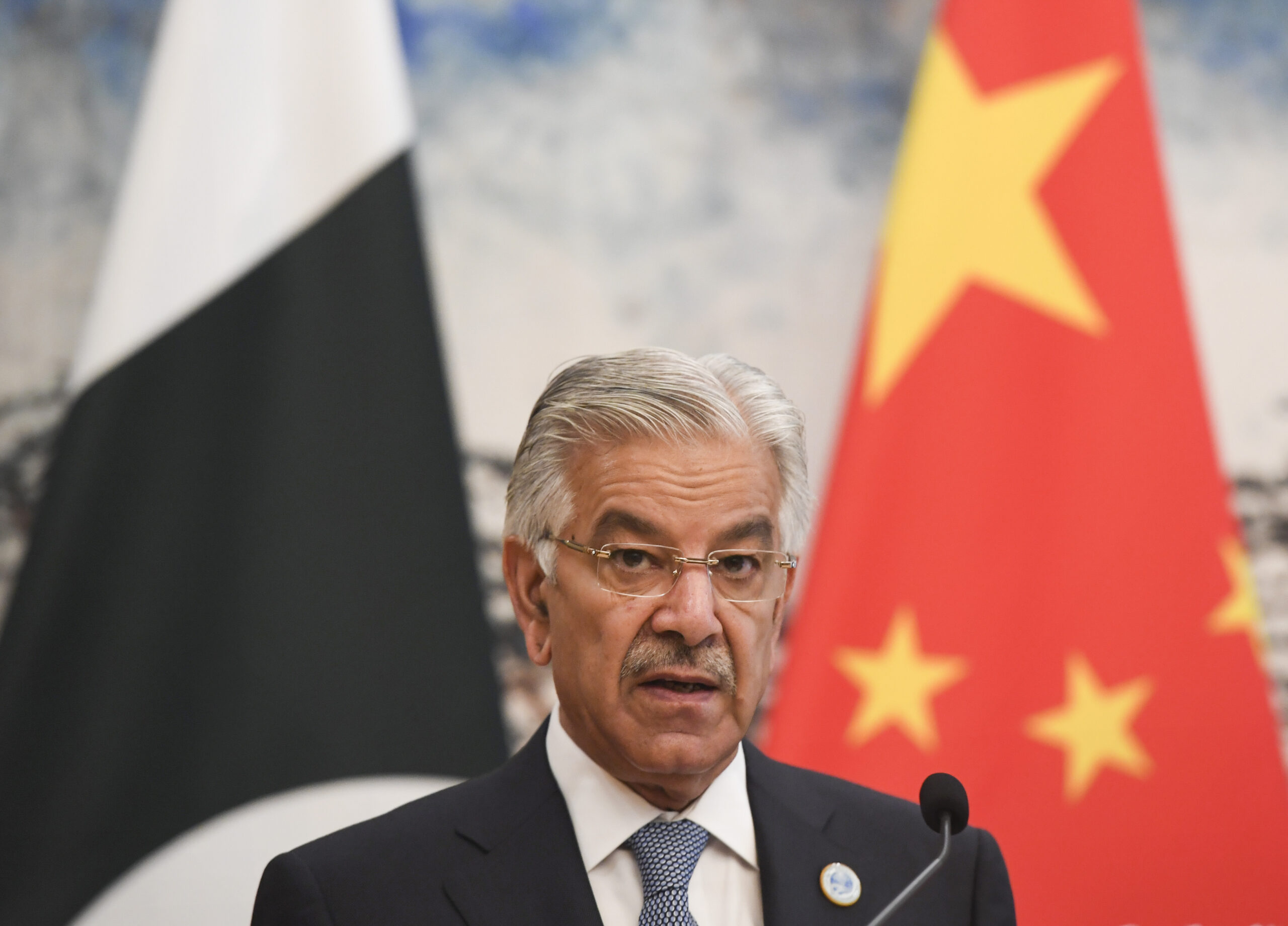
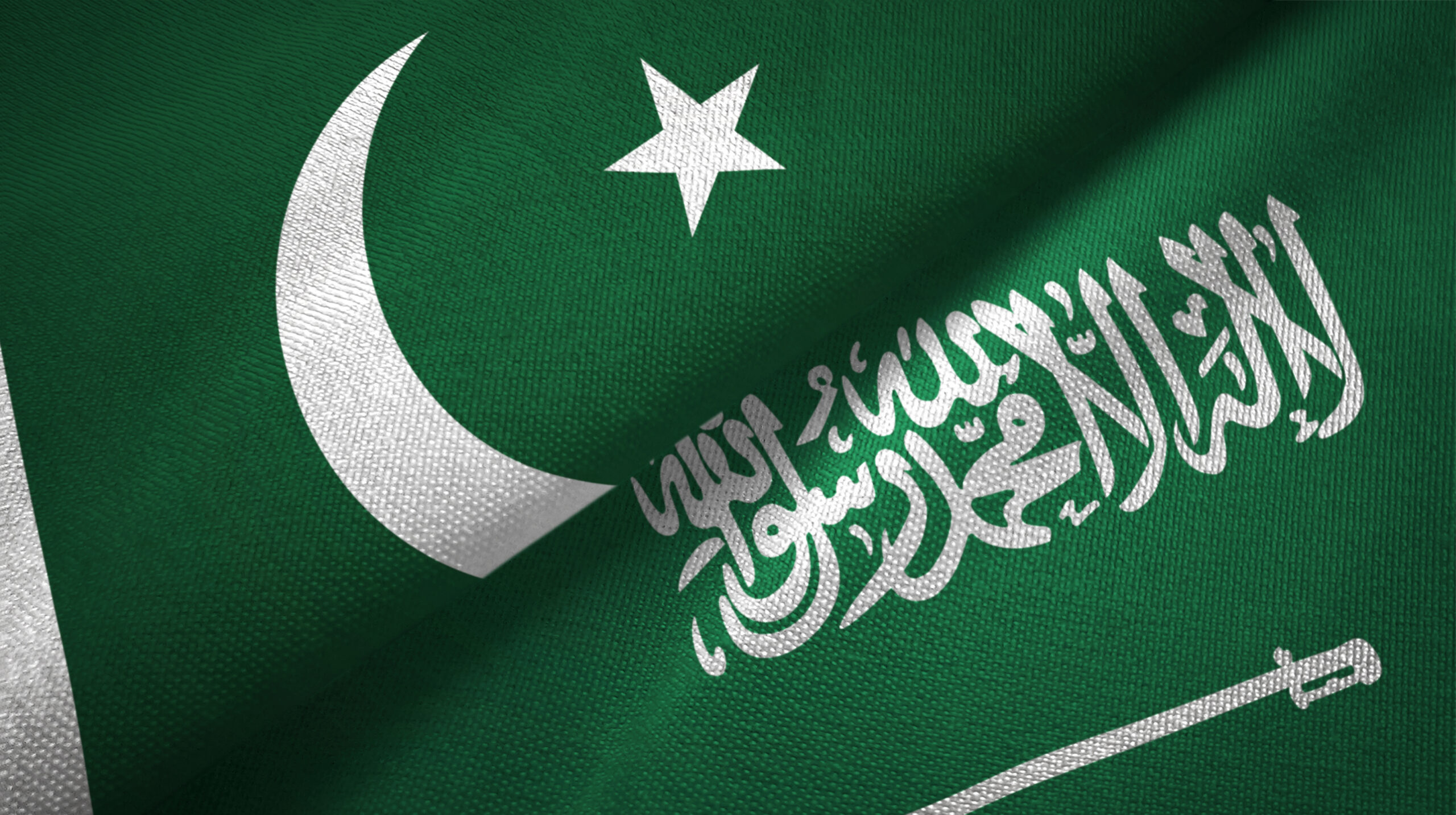
As it fights on four separate but connected fronts, Pakistan’s military is employing more force and less tolerance for public dissent. The result is not strength, but instead a widening set of vulnerabilities that will undermine Pakistan.
The Mecca Joint Défense Agreement: A New Geometry of Middle Eastern Power?
On August 7, 2026, Saudi Arabia, Turkey, and Pakistan signed the Mecca Joint Défense Agreement, a collective-defense pact widely compared to NATO’s Article 5. This essay argues that the comparison is misleading. Mecca borrows NATO’s language of solidarity without yet possessing NATO’s institutional machinery, and the Houthi offensive against Saudi Arabia in September 2026 provided an early and revealing test of what the agreement actually means in practice. Neither Pakistan nor Turkey automatically entered the fight on Saudi Arabia’s behalf, and Washington, despite an initial reluctance to strike directly, remained indispensable through intelligence support and a major proposed F-35 sale. Drawing on realist alliance theory — Hans Morgenthau, Kenneth Waltz, Stephen Walt, Glenn Snyder, and Steven David — and on the precedent of the Central Treaty Organization (CENTO), the essay contends that the Middle East is not dividing into rival blocs but moving from hierarchy toward a looser, overlapping geometry of hedged partnerships, in which American exclusivity is eroding considerably faster than American primacy.
The Mecca Alliance Meets the Red Sea – Saudi Arabia’s New Defense Pact Faces Its First Major Test
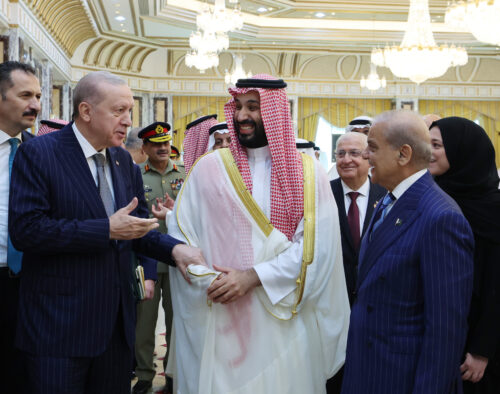
When Saudi Arabia, Turkey and Pakistan agreed to a mutual defense pact in August, it was principally seen as a political commitment. The “Mecca alliance,” as it was dubbed, stipulated that an armed attack on one would be treated as an attack on all three, accompanied by deeper military cooperation.
Beyond the Strait of Hormuz: How War Is Redrawing Trade Routes—and Elevating Pakistan
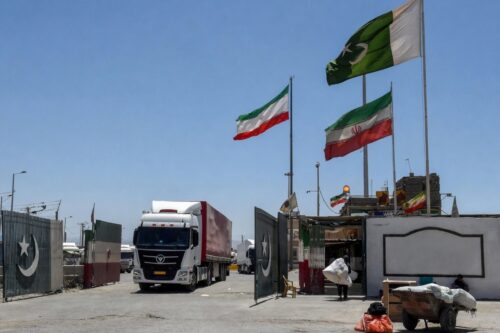
Pakistan is not merely reacting to the current phase of the 2026 Iran war; it is functioning as a system-adjusting intermediary within a rapidly reordering regional landscape. As established channels of diplomacy, trade, and financial coordination have fractured under wartime pressure, Islamabad has emerged as a critical node through which regional and extra-regional actors are progressively rerouting engagement, commerce, and influence.
The Pakistani General Running Washington’s Backchannel to Tehran
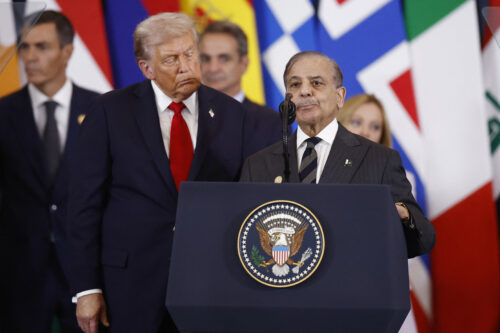
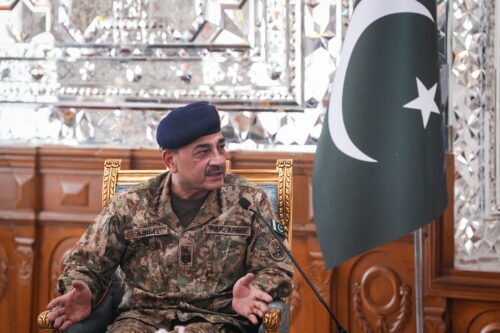
As Washington and Tehran edge closer to escalation, the most critical line of communication keeping the crisis from spiraling is being run not by polished diplomats, but by an unlikely figure: a Pakistani general. Field Marshal Asim Munir, Pakistan’s powerful army chief, has quietly become the key intermediary in the U.S.-Iran standoff, managing what may be the most important backchannel between the two sides. The mediation has thrust Pakistan to the center of the crisis while exposing it to enormous risk.
Bonus Episode: Stalled Talks and Next Steps for the US and Iran
This bonus episode of Middle East Focus features a recent MEI Virtual Briefing. Director of Communications Zeina Al-Shaib is joined by MEI Distinguished Diplomatic Fellows Alan Eyre and Daniel Benaim to discuss the historic talks held in Pakistan last weekend between the United States and Iran. Tehran insists the US failed to gain its trust, while the US made its red lines clear and declared it would blockade Iranian ports in the Persian Gulf. What happens next? Eyre and Benaim offer insights into what goes on behind the scenes at such negotiations; identify the core issues at play; explore potential incentives to end the war; analyze the weaponization of energy; as well as assess the role of other regional players in this conflict.
The Pakistan-Afghanistan conflict: A strategic concern for the US
Pakistan’s relationship with the Afghan Taliban has shifted from open sponsorship in the 1990s to a silent partnership following 2001 to alienation and belligerence since 2021. Their current conflict, which comes at great cost to both countries and seems to have no easy military or political resolution, also poses a threat to the stability and prosperity of neighboring states. Although American strategic interests in the region greatly diminished following the United States’ military withdrawal from Afghanistan in August 2021, the region’s altered political dynamics have prompted a growing American engagement with Pakistan and tentatively with Afghanistan. At the same time, the US has become a factor in how both Islamabad and Kabul have come to form their national security strategies.
هل وافقت باكستان على استخدام القوة النووية للدفاع عن المملكة العربية السعودية؟
وقّعت المملكة العربية السعودية وباكستان اتفاقية دفاع مشترك في 17 سبتمبر/أيلول 2025، تنص على أن "أي عدوان على أي من البلدين يعتبر عدوانًا على كليهما". أثارت صياغة الاتفاقية تكهنات بأن باكستان قد تستخدم قدراتها النووية للدفاع عن المملكة العربية السعودية. إلا أن الباحث ف. غريغوري غوس من معهد الشرق الأوسط يؤكد خلاف ذلك، ويقدم نظرة ثاقبة على التاريخ والحسابات الاستراتيجية التي أدت إلى إبرام الاتفاق. لمعرفة المزيد عن الصفقة، يرجى زيارة موقعنا الإلكتروني.
اتفاق الدفاع الاستراتيجي بين باكستان والمملكة العربية السعودية: بنية أمنية جديدة في منطقة الشرق الأوسط الكبير
في أعقاب الضربة التي شنتها إسرائيل في 9 سبتمبر على أهداف لحماس في قطر، اتخذت باكستان خطوات سريعة وهامة في سياستها الخارجية رداً على ذلك، واتخذت موقفاً حازماً بشكل غير معتاد. وقد تأثر هذا التحول إلى حد كبير بقائد الجيش الباكستاني، المشير عاصم منير. فالأخير مصمم على تعزيز الاستقلالية الاستراتيجية لبلاده ونفوذها الدبلوماسي في بيئة دولية تزداد تعقيداً، من خلال وضع باكستان في موقع الفاعل الأمني الرئيسي والقوة المتوسطة الصاعدة على الساحة العالمية.
نفوذ صامت، مكاسب هادئة؟ الصين وميثاق الدفاع السعودي-الباكستاني
اتفاقية الدفاع المتبادل الاستراتيجي (SMDA) بين المملكة العربية السعودية وباكستان، التي تم توقيعها في الرياض في 17 سبتمبر، هي أكثر بكثير من مجرد تعهد ثنائي. فهو يمثل إعادة ترتيب عميقة للتحالفات في الخليج وجنوب آسيا، مما يعكس ويعزز التآكل الأوسع نطاقاً لسيادة الولايات المتحدة في البنية الأمنية الأوروبية الآسيوية. في حين ركزت معظم التعليقات الأولية على الالتزام المذهل من قبل ملكية خليجية ثرية بالدفاع عن دولة جنوب آسيوية حائزة للأسلحة النووية، فضلاً عن مسألة ما إذا كانت باكستان قد مدت بالفعل مظلتها النووية إلى المملكة العربية السعودية، فإن القصة الأعمق هي على الأرجح التقدم المحتمل للصين.
لا تصدقوا الضجة الإعلامية: الحقيقة المتواضعة للاتفاقية الدفاعية السعودية-الباكستانية
أثار اتفاق الدفاع السعودي الباكستاني المبرم في 17 سبتمبر موجة من التعليقات المتحمسة حول وجود المملكة العربية السعودية الآن تحت المظلة النووية الباكستانية وكيف أن واقعًا استراتيجيًا جديدًا يلوح في الأفق في منطقة الخليج الفارسي وجنوب آسيا. على المحللين أن يهدئوا من روعهم. فالردع الموسع أمر بالغ الصعوبة. يكمن الشيطان في التفاصيل، التي لا نعرف عنها شيئًا.
قدرة باكستان على التوفيق بين علاقاتها مع الولايات المتحدة وإيران تختبرها الحرب بين إسرائيل وإيران
عندما اندلعت الحرب بين إسرائيل وإيران وقررت الولايات المتحدة مساعدة الجانب الإسرائيلي بضرب برنامج إيران النووي، توقعت كل من طهران وواشنطن أن تقف إسلام أباد إلى جانب مواقفهما. وضع هذا الوضع الحكومة الباكستانية في موقف حساس سياسياً ودبلوماسياً.