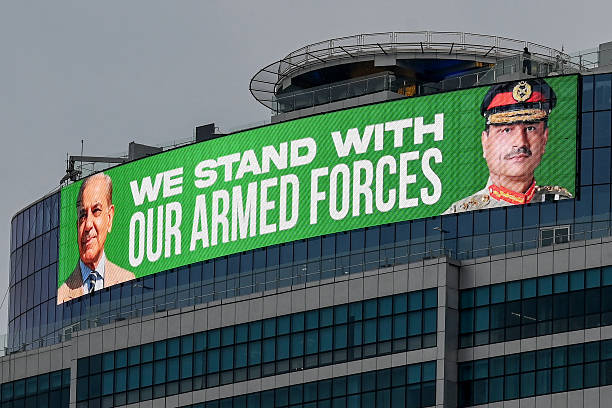
As it fights on four separate but connected fronts, Pakistan’s military is employing more force and less tolerance for public dissent. The result is not strength, but instead a widening set of vulnerabilities that will undermine Pakistan.
The Mecca Joint Défense Agreement: A New Geometry of Middle Eastern Power?
On August 7, 2026, Saudi Arabia, Turkey, and Pakistan signed the Mecca Joint Défense Agreement, a collective-defense pact widely compared to NATO’s Article 5. This essay argues that the comparison is misleading. Mecca borrows NATO’s language of solidarity without yet possessing NATO’s institutional machinery, and the Houthi offensive against Saudi Arabia in September 2026 provided an early and revealing test of what the agreement actually means in practice. Neither Pakistan nor Turkey automatically entered the fight on Saudi Arabia’s behalf, and Washington, despite an initial reluctance to strike directly, remained indispensable through intelligence support and a major proposed F-35 sale. Drawing on realist alliance theory — Hans Morgenthau, Kenneth Waltz, Stephen Walt, Glenn Snyder, and Steven David — and on the precedent of the Central Treaty Organization (CENTO), the essay contends that the Middle East is not dividing into rival blocs but moving from hierarchy toward a looser, overlapping geometry of hedged partnerships, in which American exclusivity is eroding considerably faster than American primacy.
The Mecca Alliance Meets the Red Sea – Saudi Arabia’s New Defense Pact Faces Its First Major Test
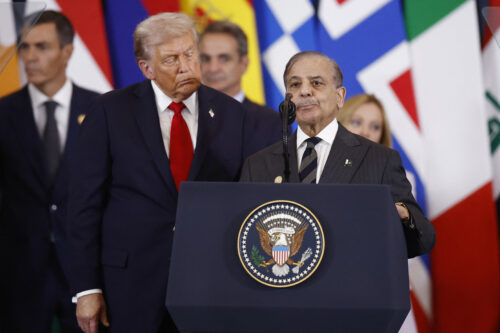
When Saudi Arabia, Turkey and Pakistan agreed to a mutual defense pact in August, it was principally seen as a political commitment. The “Mecca alliance,” as it was dubbed, stipulated that an armed attack on one would be treated as an attack on all three, accompanied by deeper military cooperation.
إرث الحرب الهندية الباكستانية التي استمرت أربعة أيام
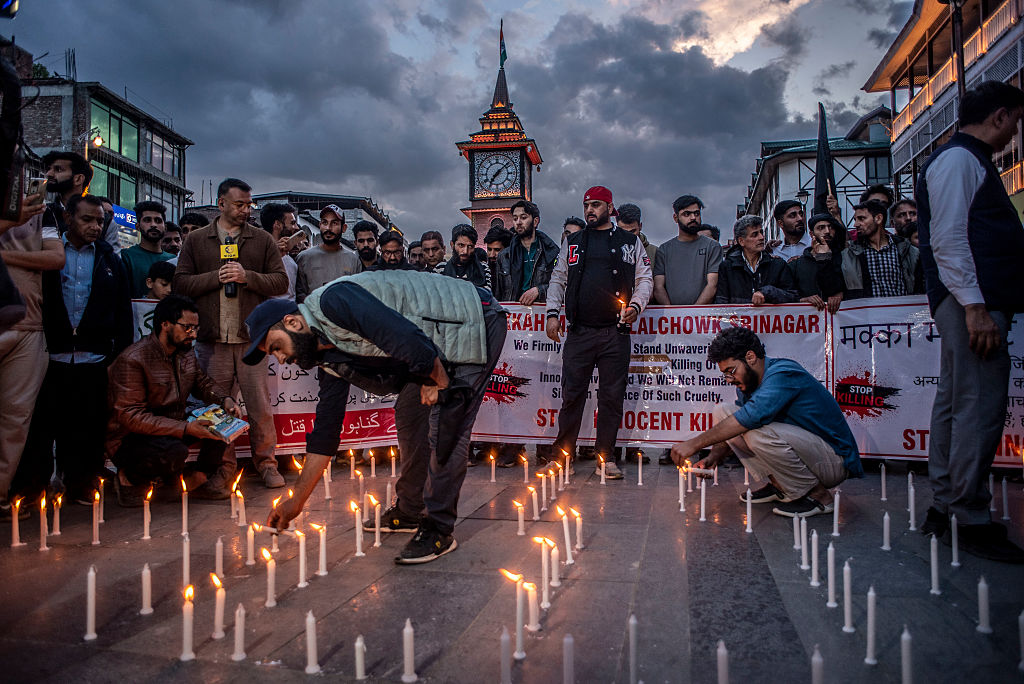
أدى التصعيد الأخير القصير والمكثف للأعمال العدائية بين الهند وباكستان إلى كشف المزيد من هشاشة الوضع الأمني في جنوب آسيا. فقد أدى الصدام العسكري المتبادل الذي استمر أربعة أيام عبر الحدود بين البلدين المتنافسين الحائزين على أسلحة نووية إلى تقويض آفاق التطبيع بشكل كبير، وإعادة تعريف قواعد الاشتباك، والإشارة إلى حدوث تحول في الطريقة التي قد يدير بها البلدان علاقتهما في المستقبل.
تفاقم الخلل الدائم بين القطاعين المدني والعسكري في باكستان
إن الترقية الأخيرة للجنرال عاصم منير إلى رتبة مشير هي إعلان مدوٍ عن سيادة الجيش الباكستاني التي لا يمكن المساس بها، وهي لفتة يتردد صداها إلى ما هو أبعد من الأسلاك الشائكة المحيطة بمقر القيادة العامة للجيش في روالبندي.
الآلاف من اللاجئين الأفغان الذين كانوا يتمتعون بالحماية في الولايات المتحدة يواجهون الترحيل
أصبح الانسحاب الفوضوي للجيش الأمريكي من أفغانستان في أغسطس 2021 قضية انتخابية ساخنة في الانتخابات الرئاسية لعام 2024 ولا يزال صداها يتردد حتى اليوم. وقد انتقد الرئيس دونالد ترامب، الذي بدأ عملية الانسحاب خلال ولايته الأولى، مرارًا وتكرارًا إدارة الرئيس جو بايدن لتركها وراءها معدات عسكرية بقيمة مليارات الدولارات. كما تركت وراءها عشرات الآلاف من الأفغان وأفراد أسرهم، الذين واجهوا انتقامًا لمساعدتهم القوات الأمريكية في القتال ضد طالبان.
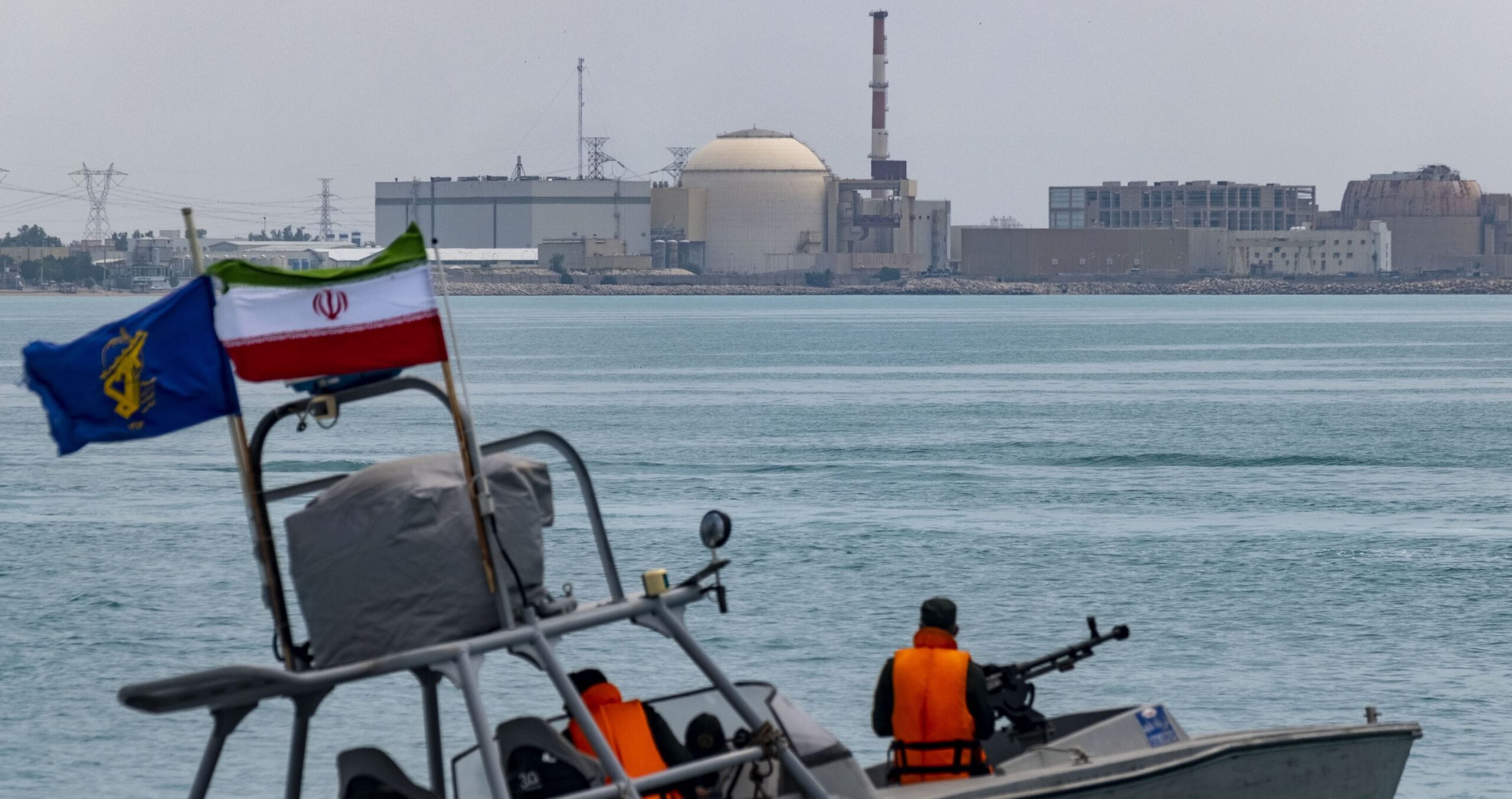
تقوم إيران بتخزين ما يكفي من اليورانيوم المخصب القريب من الدرجة العسكرية لصنع سلاح نووي في غضون أسابيع أو أشهر، وليس سنوات. والرئيس دونالد ترامب، الذي انسحب في عام 2018 من الاتفاق النووي الذي كان من شأنه تأجيل هذه الإمكانية، يناشد الآن إجراء مفاوضات مع طهران. لكن في الشرق الأوسط، لا تقتصر المسألة النووية على إيران وحدها.
انسحاب الولايات المتحدة والديناميات الأمنية الإقليمية الجديدة في جوار أفغانستان
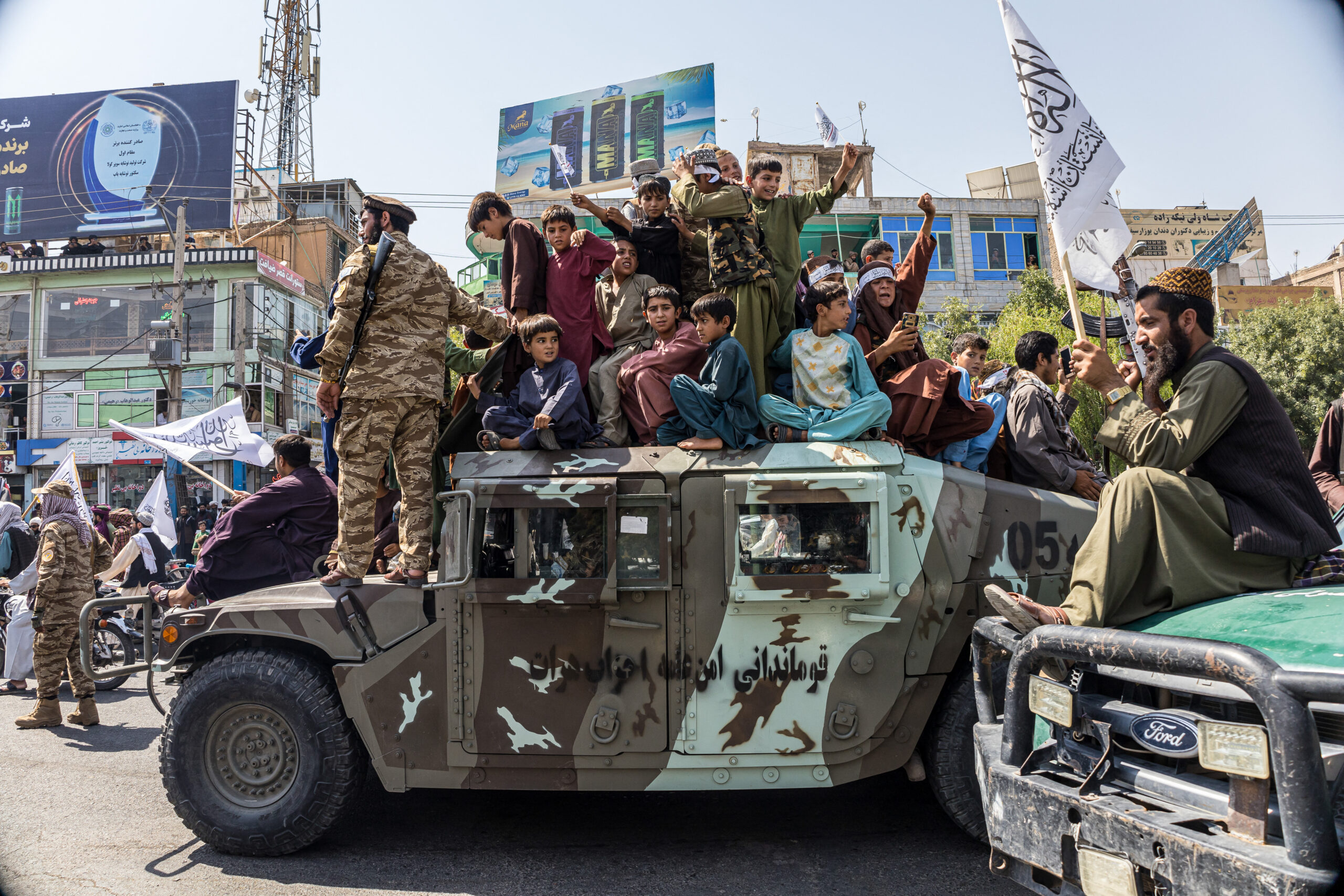
تشهد الدول المجاورة لأفغانستان عملية إعادة هيكلة جوهرية لنظامها الأمني. وتواصل الدول الإقليمية الرئيسية، وهي باكستان وأفغانستان وإيران والصين، تعديل خططها الدفاعية وشراكاتها الأمنية لمواجهة التهديدات المتزايدة التي يشكلها الإرهاب المحلي والعابر للحدود. وفي الوقت نفسه، تبحث هذه الدول الأربع عن سبل جديدة لملء الفراغ الذي خلفه انسحاب الجيش الأمريكي من أفغانستان في جنوب آسيا.
Normalizing regular contacts and building relationships with the Taliban leadership can offer a more effective way to hold the Islamic Emirate to account for its actions. It also gives greater promise of realizing American hopes for an Afghanistan inhospitable to global terrorists and more respectful of the human rights of its citizens.
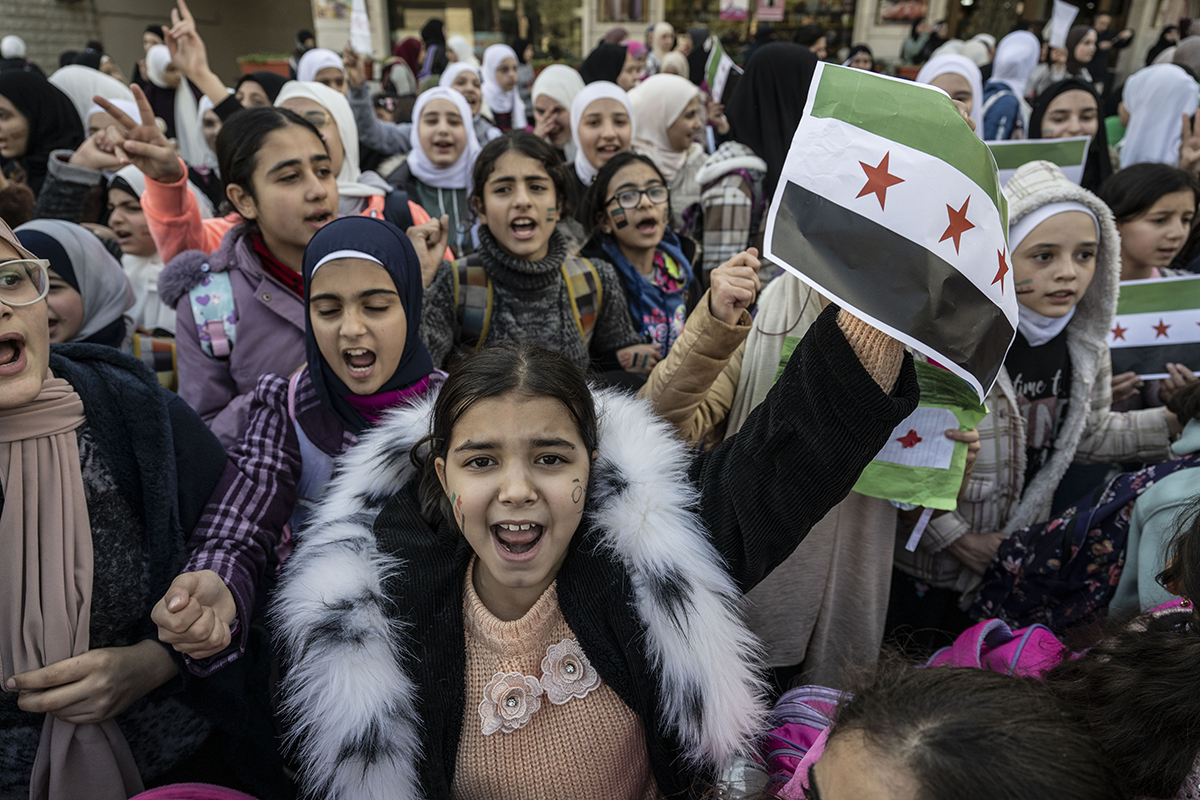
In only six days, a broad coalition of advancing opposition forces coordinated by Hayat Tahrir al-Sham has captured all of Idlib province, almost all of Aleppo province, and a sizeable stretch of northern Hama — a humiliating defeat for Bashar al-Assad and illustrative of the fragility of regime rule in Syria.
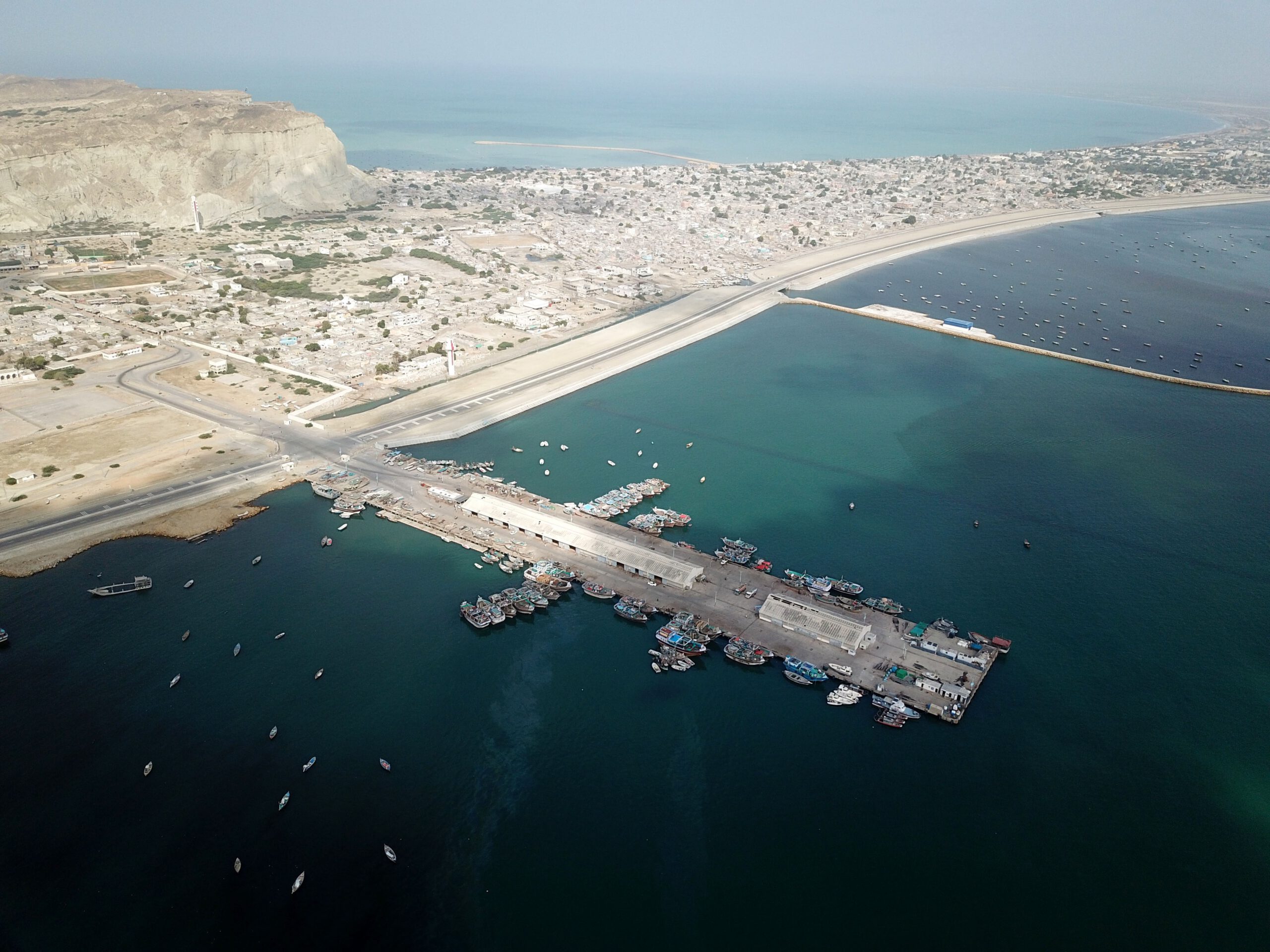
The strategic alliance between Pakistan and China, driven largely by opportunism and geostrategic interests, seems unshakable. However, the extent of its mutual benefit remains under scrutiny, especially for Islamabad, whose reliance on Beijing continues to deepen. Although China claims to base its foreign policy interactions on five key principles — respect for sovereignty, non-aggression, non-interference, equality and mutual benefit, and peaceful coexistence — its dealings with Pakistan indicate an unequal power dynamic that primarily serves its own interests. This imbalance in the Pakistan-China strategic alliance has led to a situation in which Islamabad’s autonomy is increasingly curtailed, and its vulnerability to Beijing’s influence is becoming more apparent.
Navigating the shadows: Afghanistan’s terrorism landscape three years after the US withdrawal and its international implications
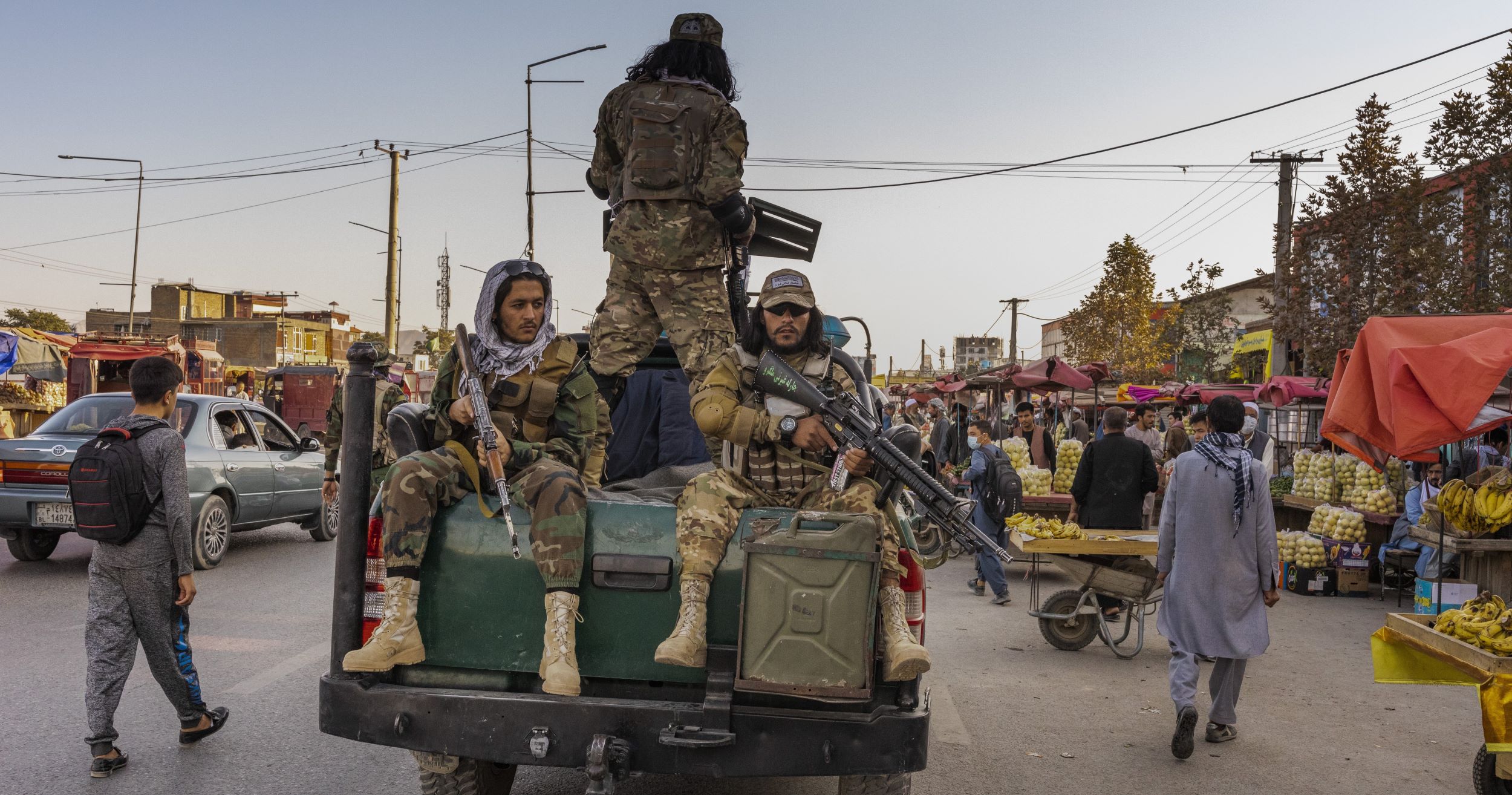
Three years since the US and allied withdrawal from Afghanistan, the facts on the ground challenge some more optimistic depictions of the Taliban’s counterterrorism cooperation with the US, al-Qaeda’s reemergence, or the capacity of ISKP to direct external attacks that could threaten American interests.