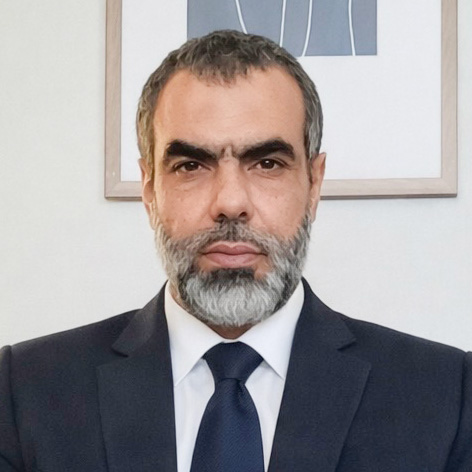
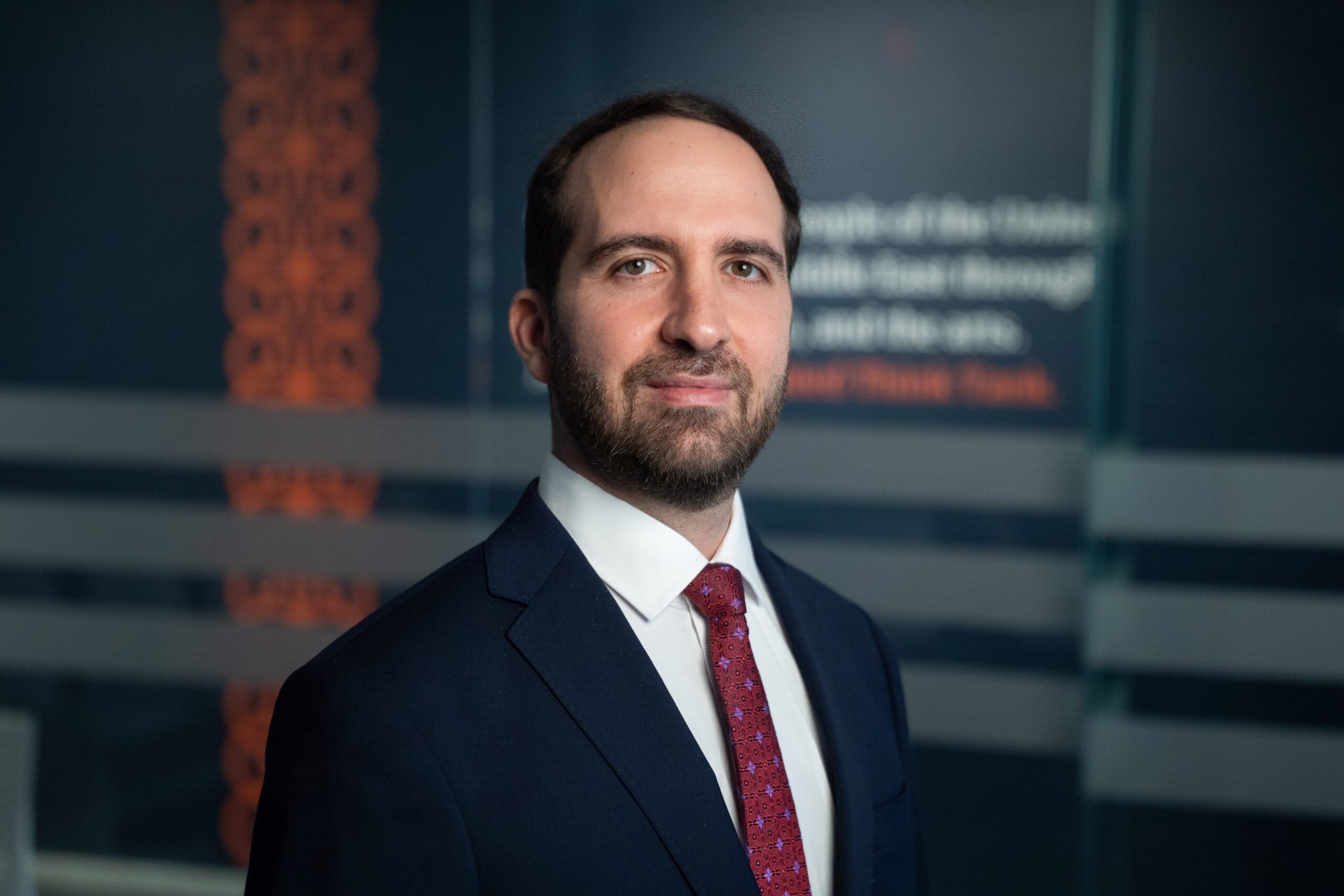
Fadi Nicholas Nassar is a Senior Fellow at the Middle East Institute specializing in US foreign policy, state capacity in fragile states, and the geopolitics of the Levant. His work focuses on how international policy, local politics, and regional power dynamics shape the survival, reform, and recovery of states under crisis.
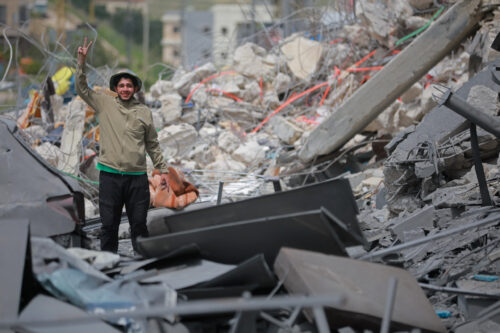
From 2019 to 2025, he worked on the ground in Lebanon through the country’s financial collapse, the 2020 Beirut Port explosion, and the conflict between Hezbollah and Israel. During this period, he directed the Institute for Social Justice and Conflict Resolution and served as assistant professor of political science and international affairs at the Lebanese American University.
Following the Beirut Port explosion, he served on the core team for the World Bank’s Beirut Rapid Damage and Needs Assessment (RDNA), the primary evidence-based study informing recovery efforts. He has also led research and policy initiatives supported by the Carnegie Corporation of New York, the United Nations Development Programme, UNICEF, and the European Union on governance, institutional reform, and resilience across the Arab world.
He is the author of UN Mediators in Syria: The Challenges and Responsibilities of Conflict Resolution (Cambridge University Press, 2024). His work on US strategy and Middle Eastern politics has appeared in academic journals and international outlets in English, Arabic, French, and Spanish.
Dr. Nassar holds a PhD from King’s College London (War Studies), an MPA from Columbia University, and a Bachelor of Foreign Service from Georgetown University.
The Latest from Fadi Nicholas Nassar
How to Wrest Lebanon From Iran’s Grip
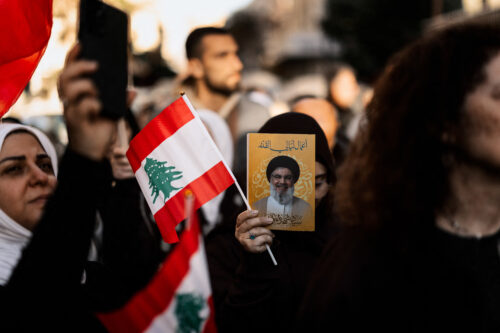
Despite efforts to extend the cease-fire in Lebanon and disarm Iranian proxy Hizballah, fighting continues between the militant group and Israeli forces. Hosts Alistair Taylor and Matthew Czekaj are joined by MEI Senior Fellow Fadi Nicholas Nassar to examine what the renewed fighting means for attempts to counter Iranian influence in Lebanon and what could lie ahead. They discuss the prospects for a lasting agreement, Iran’s broader proxy strategy, and how Washington can help strengthen the sovereignty of the Lebanese state.
America Cannot Afford to Miss This Opening in Lebanon
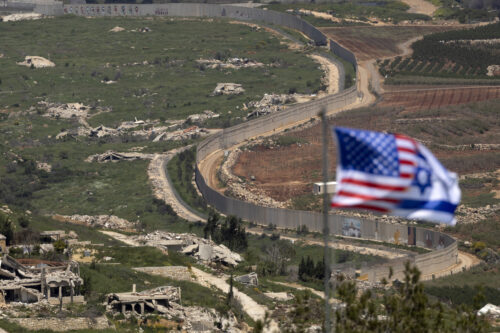
President Donald Trump has an opportunity to do something no American president has managed in nearly half a century: end the war between Israel and Lebanon for good.
US Leadership Can Dislodge Iran from Lebanon
Operation Epic Fury has created a dramatic opportunity in Lebanon that the US cannot afford to miss. Sustained leadership and support for the Lebanese Armed Forces can result in real disarmament, eliminating Hizballah as an Iranian proxy, and dealing Tehran another massive defeat that would further undermine the Iranian regime and help bring about its collapse.
Lebanon on the Brink: Hizballah, Iran, and the War’s Spillover
Hosts Alistair Taylor and Matthew Czekaj are joined by MEI Senior Fellow Fadi Nicholas Nassar to discuss Hizballah’s role in the escalating conflict in the Middle East and the implications for Lebanon. A day after the United States and Israel launched a joint military campaign against Iran, Tehran’s Lebanese proxy fired missiles at northern Israeli territory. Israel responded swiftly and forcefully, and Lebanon’s government and population now fear the Iranian-backed militia is dragging the country back into war. The conversation explores the broader repercussions of Hizballah’s actions against the backdrop of a widening war in Iran and Lebanon’s quickly evolving political climate. Nassar also outlines recommendations for how Lebanon can move forward as a sovereign and effective state.
How Lebanon’s authorities can keep the Iran war from engulfing the country
Today’s decision taken by the Lebanese government — to declare all of Hizballah’s security and military activities illegal — is a landmark development. But how the government and the Lebanese Armed Forces implement this directive now that a new round of attacks has actually taken place will be the ultimate test of their credibility.
القوة الناعمة في الأوقات الصعبة: زيارة البابا ليو الرابع عشر إلى لبنان
ينضم فادي نيكولاس نصار، زميل أول في معهد الشرق الأوسط، إلى المضيف ماثيو تشيكاج لتبادل الآراء الخبيرة والتأملات الشخصية حول زيارة البابا ليو الرابع عشر إلى لبنان في الفترة من 30 نوفمبر إلى 2 ديسمبر. يشرح نصار أهمية الزيارة، التي تعد جزءًا من أول جولة خارجية للبابا منذ توليه منصبه، وتأثيرها المحتمل على الوضع الراهن غير المستقر في لبنان. تستكشف المحادثة أسئلة رئيسية، بما في ذلك قدرة السلطة الروحية والأخلاقية على تعويض أوجه القصور في القيادة السياسية، وكذلك ما إذا كانت الحكومة اللبنانية ستتمكن من الاستفادة من الزخم الناتج عن هذه الزيارة في ظل احتمال عودة الصراع إلى الأفق.
نهج واقعي وتدريجي لاستعادة السيادة اللبنانية
إن اغتنام الفرصة التي لا تتكرر إلا مرة واحدة في كل جيل في لبنان يتوقف على قدرته على حل مشكلته الأساسية: استعادة احتكار الدولة للقوة وسلطتها الحصرية في تقرير شؤون الحرب والسلام. يجب على بيروت، بدعم متزايد من الولايات المتحدة، أن تركز على تحقيق إنجازات ملموسة وانتصارات استراتيجية تضفي زخماً على عملية نزع سلاح حزب الله وتجعل إعادة الدولة لسلطتها أمراً لا رجعة فيه.
UNIFIL’s moment of truth in Lebanon
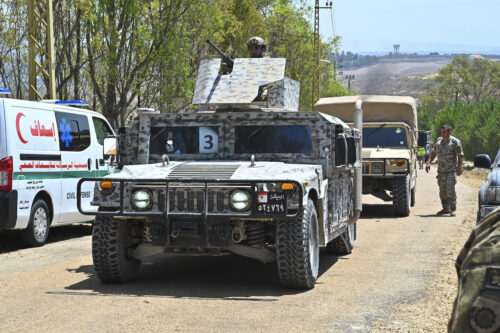
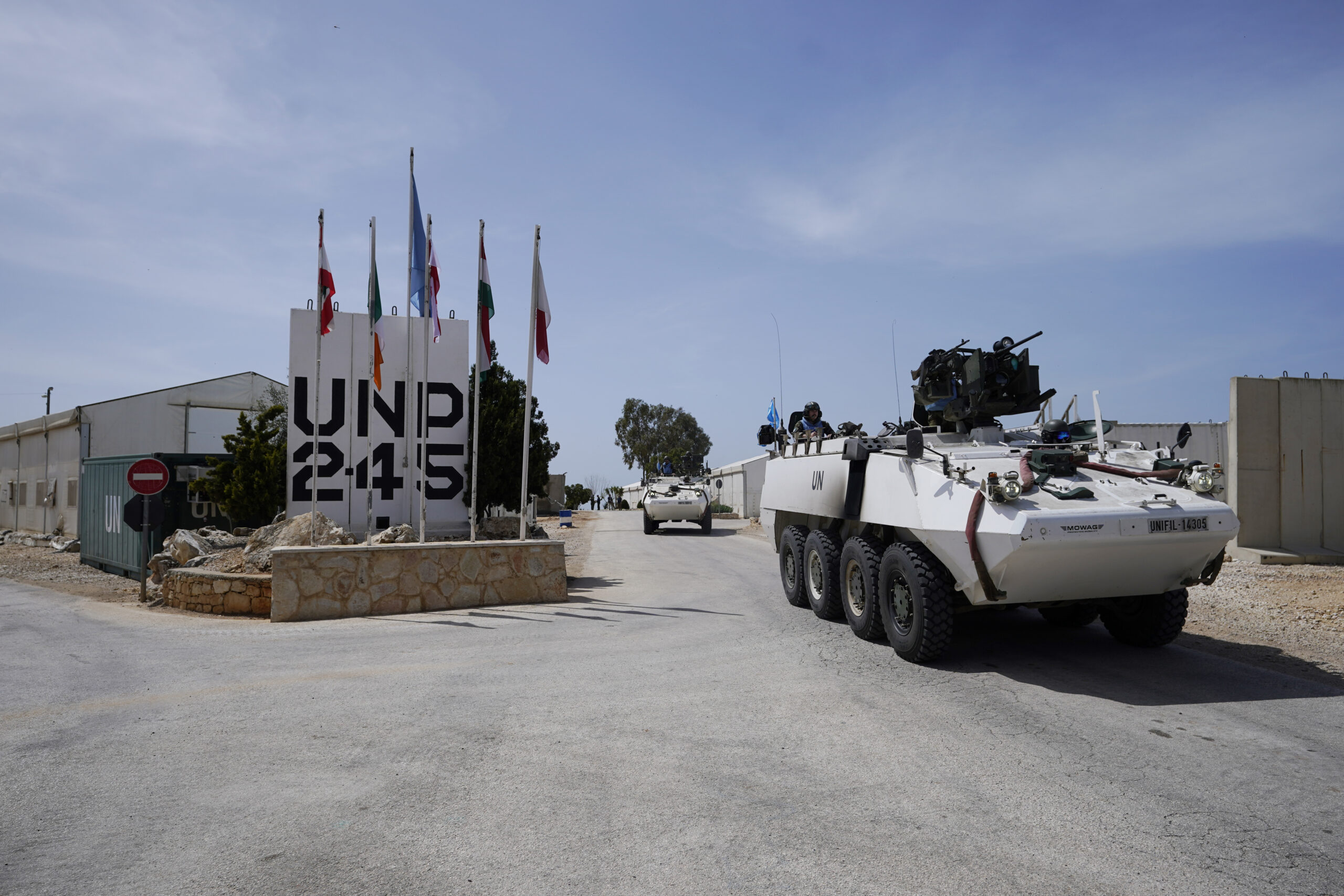
At the end of August, the United Nations Security Council renewed the mandate of the United Nations Interim Force in Lebanon (UNIFIL) for the final time. For nearly half a century, blue helmets have been a fixture in South Lebanon, an extraordinary tenure for a country only eight decades old. In many ways, UNIFIL’s longstanding presence served as a reminder of Lebanon’s struggle to assert its sovereignty, which has had destabilizing consequences for international peace and security.
Now, that dysfunction may be nearing resolution.
على اليونيفيل إعادة ضبط نفسها أو العودة إلى ديارها
في نهاية شهر أغسطس، سيتم النظر في مستقبل قوة الأمم المتحدة المؤقتة في لبنان (يونيفيل)، التي أنشئت منذ ما يقرب من 50 عامًا، في نيويورك، حيث سيناقش مجلس الأمن تجديد ولايتها. بعد ما يقرب من عقدين من الزمن على تحولها بموجب قرار مجلس الأمن الدولي رقم 1701، أصبحت يونيفيل الآن جزءًا من المشكلة التي أنشئت لحلها. فقد فشل عشرة آلاف من جنود القبعات الزرقاء من حوالي 50 دولة، بما في ذلك الدول الأعضاء الرئيسية في منظمة حلف شمال الأطلسي (الناتو)، في وقف الصراع الأخير بين إسرائيل وحزب الله، وإذا استمرت الأمور على ما هي عليه، فسوف يفشلون في منع الصراع التالي.
الولايات المتحدة تدخل حرب إسرائيل مع إيران — ردود فعل خبراء معهد الشرق الأوسط
قامت الولايات المتحدة بضرب ثلاث منشآت نووية في إيران مساء يوم 21 يونيو، في خضم الصراع المستمر بين إسرائيل وإيران. يقدم باحثو معهد الشرق الأوسط (MEI) تحليلات في الوقت الفعلي للمساعدة في فهم معنى هذا التصعيد وما قد يحدث بعده.
إحاطة خاصة: إسرائيل تضرب برنامج إيران النووي
خبراء معهد الشرق الأوسط يعلقون على الضربات الإسرائيلية على البرنامج النووي الإيراني وعواقبها على المنطقة بأسرها.
ترامب يزور الشرق الأوسط في مرحلة انتقالية
يقوم الرئيس الأمريكي دونالد ترامب هذا الأسبوع بزيارته الأولى إلى الشرق الأوسط منذ بدء ولايته الثانية، حيث سيزور المملكة العربية السعودية وقطر والإمارات العربية المتحدة في الفترة من 13 إلى 16 مايو. وسط التركيز المتزايد على سياسة الولايات المتحدة تجاه الشرق الأوسط، يقيّم خبراء معهد الشرق الأوسط (MEI) زيارة ترامب إلى الخليج، وكيف شكلت إدارته نهجها تجاه المنطقة ككل في الأشهر الأولى من ولايتها، وكيف تستجيب الأطراف الفاعلة في المنطقة للسياسات الصادرة عن واشنطن.
The way forward in Lebanon
The election of President Joseph Aoun and Prime Minister Nawaf Salam is a political breakthrough in Lebanon and a harbinger of what could happen in a country long dismissed as unsalvageable. Beirut’s new leadership reflects the aspiration of a majority of the Lebanese people to live in a functioning state free from the dual drivers of its failure: political violence and pervasive corruption. Those leaders must now deliver on their commitment to establish a state committed and accountable to its people and rise to meet the responsibility that comes with holding the promise of a nation’s future.