Israel Was Built on Hope. This Election May Be Our Last Chance to Save It
External Publication
October 23, 2026
Share
Israel’s national anthem, Hatikva, means “the hope.” Israel is not just another country, but the culmination of a 2,000-year-old dream of national redemption. The rebirth of the Jewish people’s ancestral homeland, just three years after the Holocaust, was a miraculous triumph of hope over all odds.
Today, that hope has been shattered and the elections on October 27 have become the most consequential in Israel’s history.
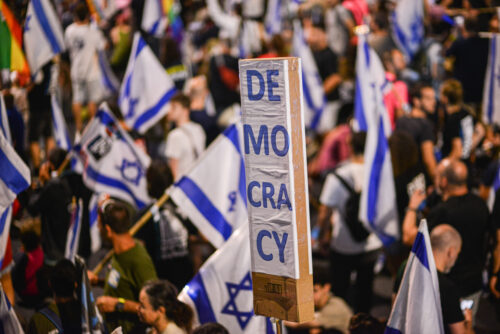
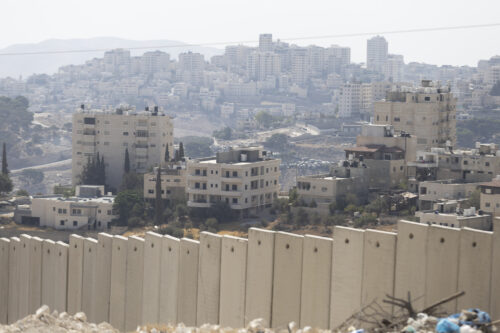
Israel will decide what kind of country it wishes to be: a liberal democracy, or an increasingly illiberal one; a country that seeks peace with the Palestinians, or continues to glide toward annexation and a binational reality; a society of mutual solidarity, or warring tribes; and a country firmly anchored in the democratic West, or increasingly estranged from it.
The Middle East Institute (MEI) is an independent, non-partisan, not-for-profit, educational organization. It does not engage in advocacy and its scholars’ opinions are their own. MEI welcomes financial donations, but retains sole editorial control over its work and its publications reflect only the authors’ views. For a listing of MEI donors, please click here.