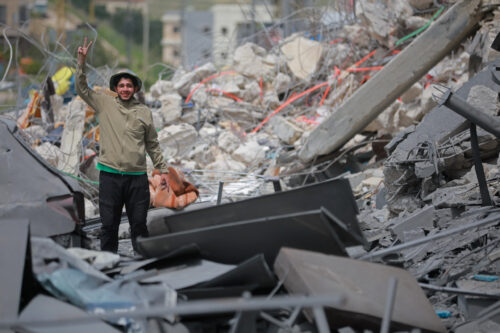
Lebanon is once again a bellwether in the Middle East. Whichever way it goes — continued war or a diplomatic resolution of the conflict — will predict the likely course for the wider region. As fighting intensifies between Israel and Hizballah and landmark negotiations between Israel and Lebanon take off, the country is on the front line of a regional confrontation whose outcome will shape the Middle East’s political order.
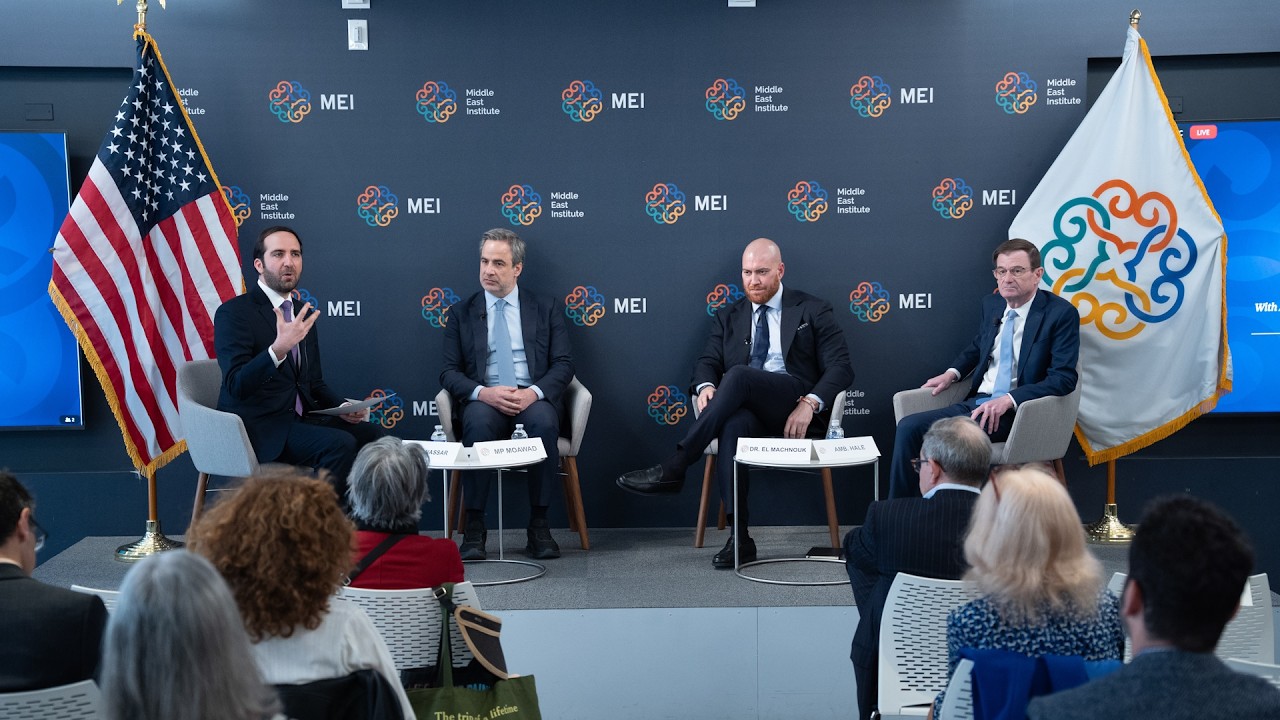
On behalf of the Middle East Institute, I invite you to a panel that brings leading Lebanon voices directly into the Washington policy debate to unpack what is unfolding on the ground, ongoing developments in the negotiations, and what it will take to prevent the next war.
This panel will feature opening remarks from President of the Middle East Institute, Amb. Stuart E. Jones (ret.). This event will be held in-person at the Middle East Institute.
Panel Speakers
MP Michel Moawad is a member of the Lebanese Parliament representing the Zgharta District and the founder and president of the Independence Movement, a sovereigntist, reformist, secular and socio-liberal political party, launched in 2005. In May 2022, H.E. Moawad was elected for a second term to Parliament, following a first spell that lasted for 2 years – from 2018 until 2020 – when he resigned in protest of the August 4 explosion.
Ambassador David Hale is a Distinguished Diplomatic Fellow at the Middle East Institute, after serving as a Foreign Service officer. He writes, speaks, and consults on US foreign policy, including toward the Middle East and South Asia. Ambassador Hale holds the lifetime rank of Career Ambassador. A Career Ambassador is Senate-confirmed, the most senior rank in the State Department, and equivalent to a four-star general.
Dr. Saleh El Machnouk is a lecturer in comparative politics at Lebanon’s Université Saint-Joseph (USJ). Prior to joining USJ, he was a visiting academic at St. Antony’s College, Oxford. His research focuses mainly on state-building, power-sharing agreements, constitutional design, third-party intervention, and electoral laws in ethnically-divided democracies.
Dr. Fadi Nicholas Nassar (Moderator) is a Senior Fellow at the Middle East Institute. From 2019 to 2025, he worked on the ground in Lebanon through the country’s financial collapse, the 2020 Beirut Port explosion, and the conflict between Hezbollah and Israel. His work focuses on how international policy, local politics, and regional power dynamics shape the survival, reform, and recovery of states under crisis.
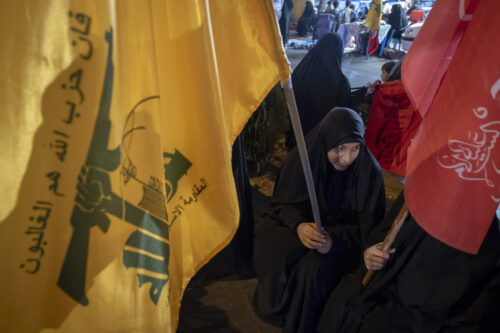
How Lebanon can be Trump’s first success in a troubled region