Pakistan’s military is fighting on four fronts, each increasingly entangled with the others and feeding into the next. Across all of them, its response has followed a familiar pattern: more force, tighter control, and less tolerance for political resistance and public dissent. To outside observers, this approach may look like a show of resolve, but the army’s efforts to impose control on one front have often fueled instability on another. The result is not the strength Pakistan’s army seeks to project, but a widening set of vulnerabilities that Washington would be unwise to overlook.
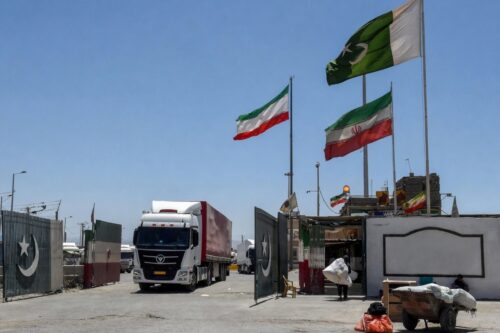
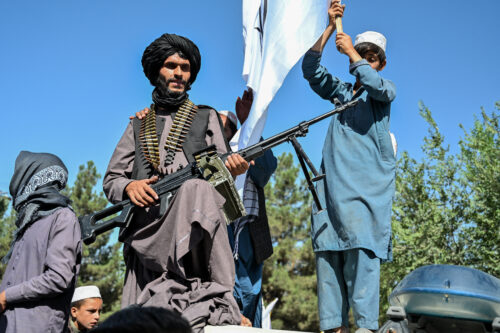
One front is a struggle over political power in Pakistan. The army has suspended an elected provincial administration and backed efforts to pull authority away from the provinces toward Islamabad and, ultimately, its own headquarters in Rawalpindi. Another battle features a brutal insurgency at home, spearheaded by the Pakistani Taliban (TTP) and a motley collection of separatist Baloch factions, whose reach now extends across nearly all of Pakistan. A third is a dangerous confrontation with Afghanistan’s Taliban rulers, whom Pakistan accuses of sheltering militants responsible for cross-border attacks. The fourth is Pakistan’s expanding defense commitment to Saudi Arabia, a partnership that could drag Pakistani forces deeper into the conflict surrounding Yemen and Iran.
معهد الشرق الأوسط (MEI) هو منظمة تعليمية مستقلة وغير حزبية وغير ربحية. لا يشارك المعهد في أي أنشطة دعوية، وآراء الباحثين فيه تعبر عن آرائهم الشخصية. يرحب المعهد بالتبرعات المالية، لكنه يحتفظ بالسيطرة التحريرية الكاملة على أعماله، ولا تعكس منشوراته سوى آراء المؤلفين. للاطلاع على قائمة المتبرعين للمعهد، يرجى النقر هنا.