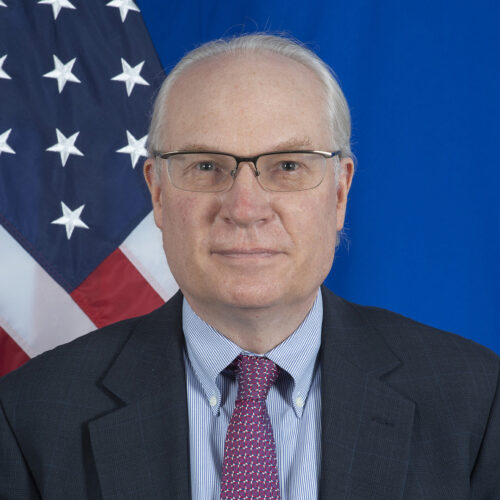
F. Gregory Gause III is an Associate Fellow at the Middle East Institute in Washington, DC, and Professor Emeritus of International Affairs at the Bush School of Government and Public Service, Texas A&M University, from which he retired in January 2025. From fall 2014 through summer 2022 he served as Head of the School’s Department of International Affairs. He is the author of three books and numerous articles on the politics of the Middle East, with a particular focus on the Arabian Peninsula and the Persian Gulf. He was previously on the faculties of the University of Vermont (1995-2014) and Columbia University (1987-1995) and was Fellow for Arab and Islamic Studies at the Council on Foreign Relations in New York (1993-1994). During the 2009-10 academic year he was Kuwait Foundation Visiting Professor of International Affairs at the Kennedy School of Government, Harvard University. In spring 2009 he was a Fulbright Scholar at the American University in Kuwait. In spring 2010 he was a research fellow at the King Faisal Center for Islamic Studies and Research in Riyadh, Saudi Arabia. His most recent book is The International Relations of the Persian Gulf (Cambridge University Press, 2010). His articles have appeared in Foreign Affairs, Foreign Policy, The Middle East Journal, Security Studies, Washington Quarterly, National Interest, and other journals and edited volumes. He received his Ph.D. in political science from Harvard University in 1987 and his A.B. (summa cum laude) from St. Joseph’s University in Philadelphia in 1980. He studied Arabic at the American University in Cairo (1982-83) and Middlebury College (1984).
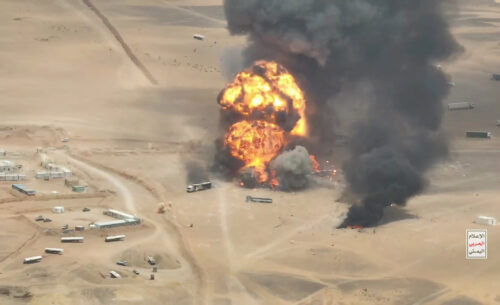
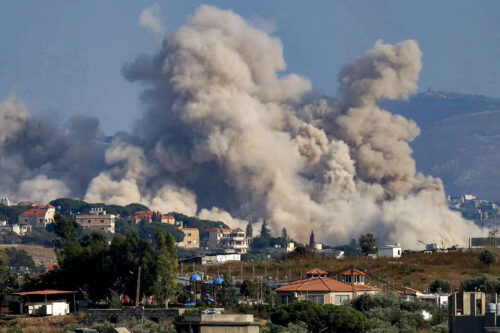
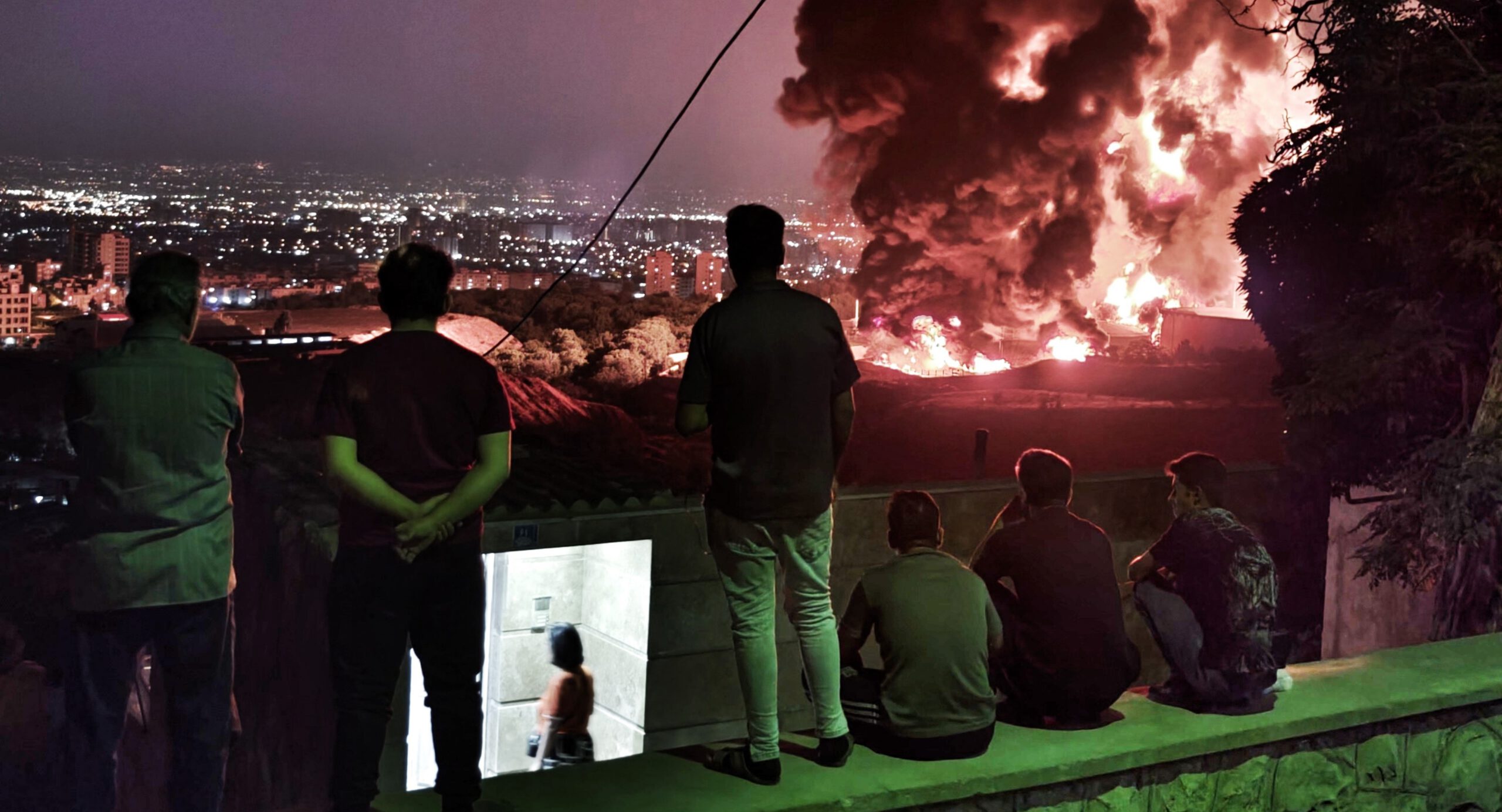
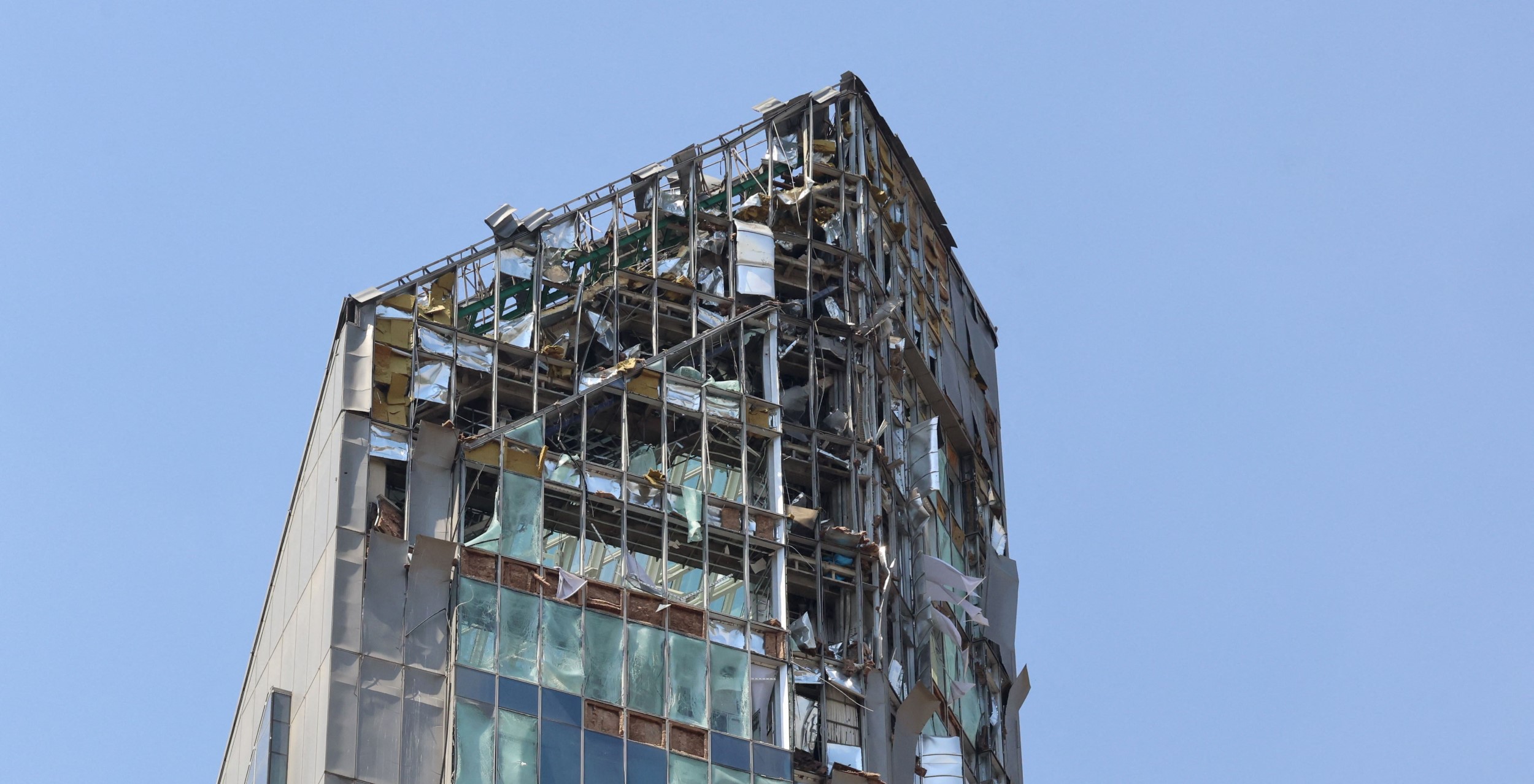
In many ways, the U.S.-Israeli war against Iran and the war in Gaza that preceded it seem transformative. After decades of shadow warfare, Iran and Israel have now attacked each other’s homelands directly. And Israel and the United States have joined forces in a genuinely novel way to wage war against Iran.
After the US-Israel-Iran war — and the strikes that followed the cease-fire — the Gulf states find themselves dangerously exposed. Host Alistair Taylor is joined by MEI Associate Fellow Gregory Gause to discuss the war’s impact on the Gulf, their partnership with the United States, and whether the turmoil of recent months will push Gulf leaders to reassess their alliances and international engagement.
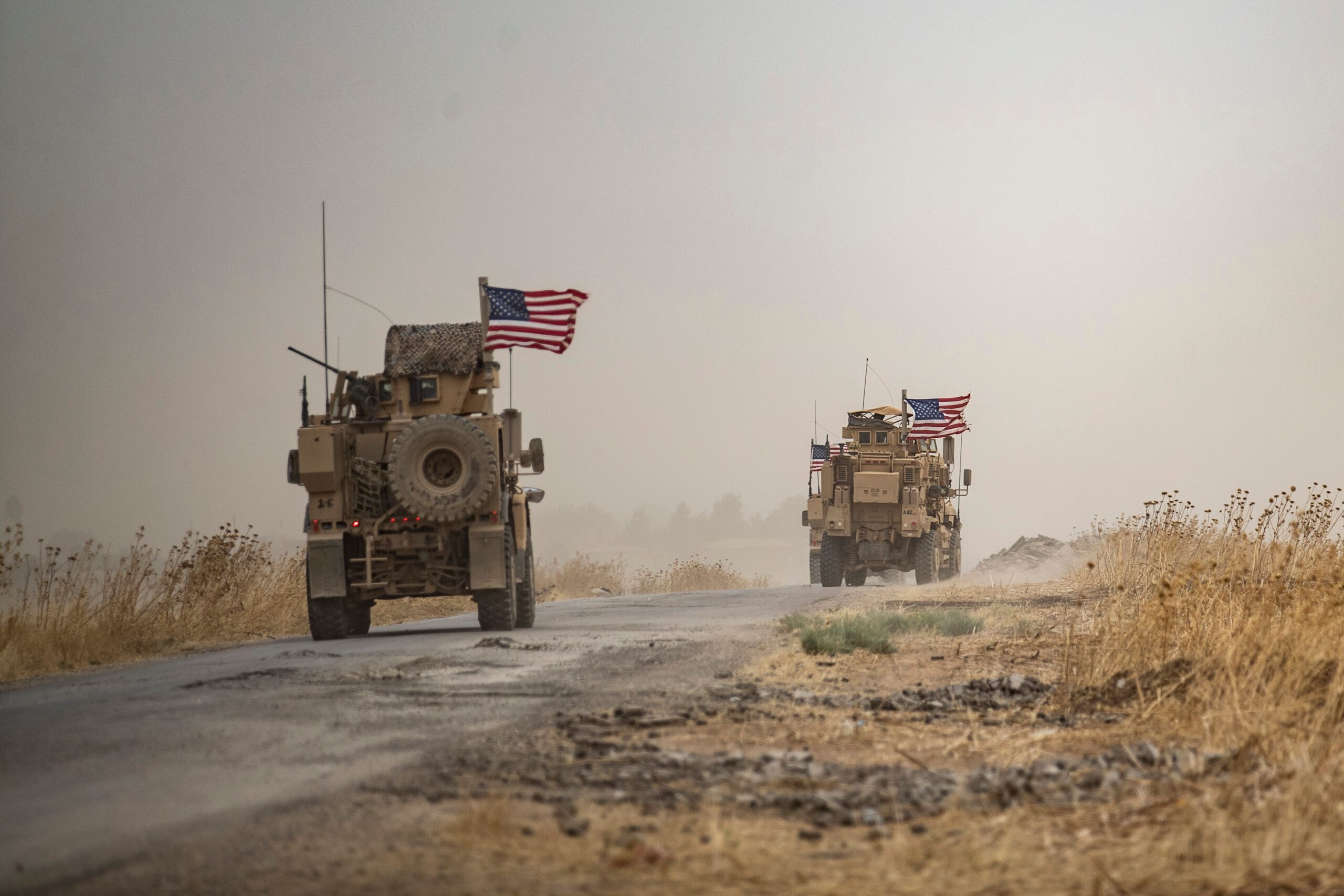
American Bases in the Gulf: Targets or Deterrents?
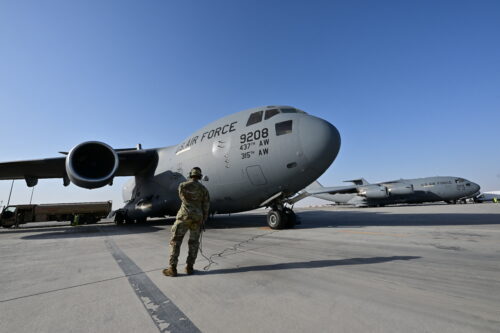
Did the presence of American military bases in the Gulf monarchies draw those states into the American-Israeli war against Iran, a war they had no say in initiating and no voice in prosecuting? That is certainly the feeling among some citizens of those states.
قمة ترامب-محمد بن سلمان: مشاعر طيبة، والتزامات حقيقية، وأسئلة عالقة
غادر محمد بن سلمان، ولي العهد ورئيس الوزراء وصانع القرار الرئيسي في المملكة العربية السعودية، واشنطن وقمة قمة الرئيس دونالد ترامب بعد أن قدم عددًا من الوعود وتلقى عددًا من الالتزامات. لكن العديد من الأسئلة، بما في ذلك تلك المتعلقة ببنود الأجندة الدبلوماسية المشتركة، ومدى التعاون النووي المدني، وطبيعة التزام الولايات المتحدة الدفاعي تجاه المملكة العربية السعودية، لا تزال دون إجابة.
هل وافقت باكستان على استخدام القوة النووية للدفاع عن المملكة العربية السعودية؟
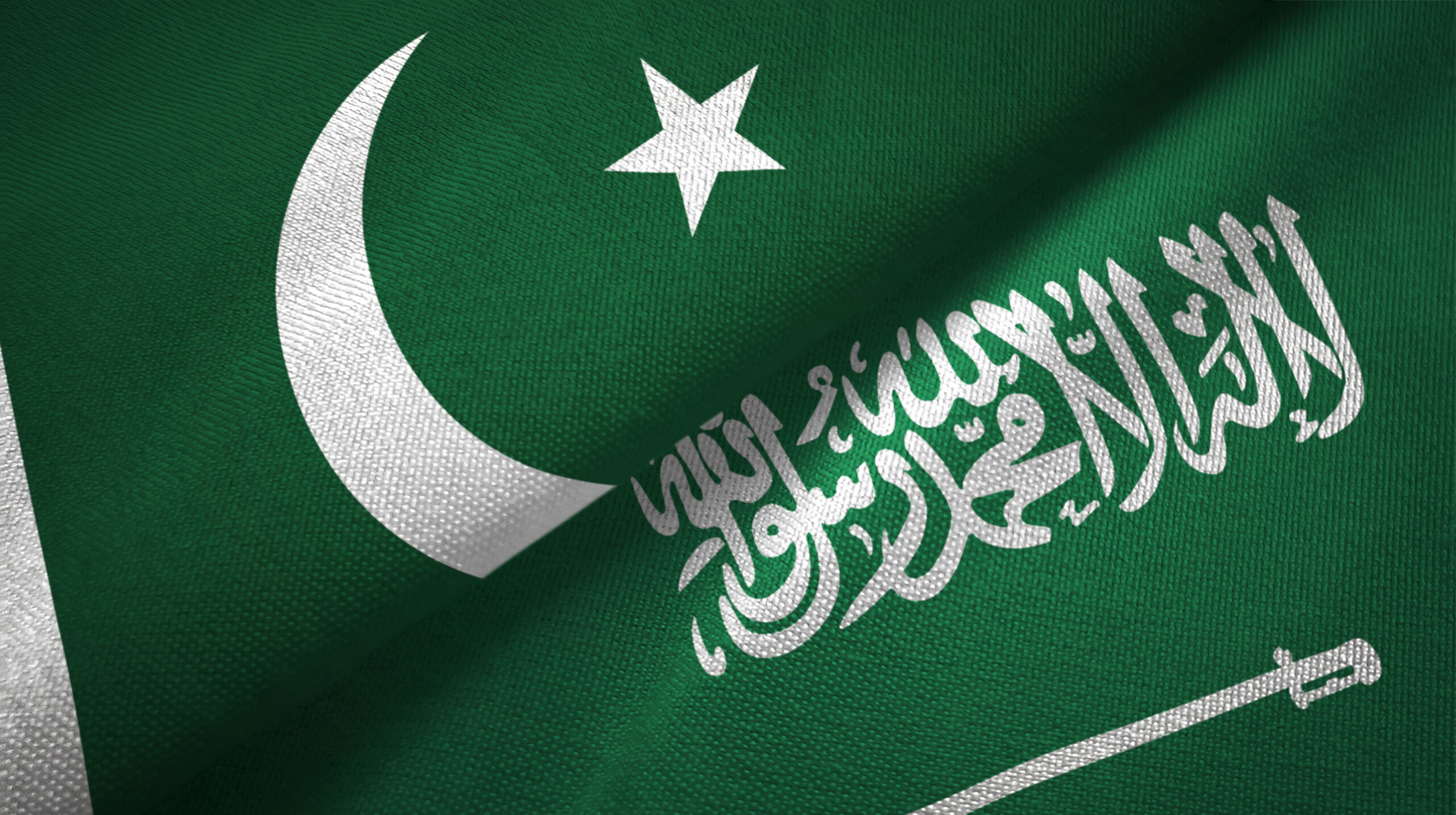
وقّعت المملكة العربية السعودية وباكستان اتفاقية دفاع مشترك في 17 سبتمبر/أيلول 2025، تنص على أن "أي عدوان على أي من البلدين يعتبر عدوانًا على كليهما". أثارت صياغة الاتفاقية تكهنات بأن باكستان قد تستخدم قدراتها النووية للدفاع عن المملكة العربية السعودية. إلا أن الباحث ف. غريغوري غوس من معهد الشرق الأوسط يؤكد خلاف ذلك، ويقدم نظرة ثاقبة على التاريخ والحسابات الاستراتيجية التي أدت إلى إبرام الاتفاق. لمعرفة المزيد عن الصفقة، يرجى زيارة موقعنا الإلكتروني.
لا تصدقوا الضجة الإعلامية: الحقيقة المتواضعة للاتفاقية الدفاعية السعودية-الباكستانية
أثار اتفاق الدفاع السعودي الباكستاني المبرم في 17 سبتمبر موجة من التعليقات المتحمسة حول وجود المملكة العربية السعودية الآن تحت المظلة النووية الباكستانية وكيف أن واقعًا استراتيجيًا جديدًا يلوح في الأفق في منطقة الخليج الفارسي وجنوب آسيا. على المحللين أن يهدئوا من روعهم. فالردع الموسع أمر بالغ الصعوبة. يكمن الشيطان في التفاصيل، التي لا نعرف عنها شيئًا.
دول الخليج في منطقة الشرق الأوسط المتقلبة بعد الحرب
خرجت دول الخليج العربية الملكية من الهجمات الإسرائيلية والأمريكية على إيران في يونيو الماضي دون أن تتعرض لأضرار تذكر، باستثناء هجوم صاروخي انتقامي محدود شنته إيران على القاعدة الجوية الأمريكية في قطر. لكن من منظور أوسع، عززت هذه الحرب القصيرة، التي كانت جزءًا من الصراع الإقليمي الأوسع الذي بدأ بهجوم حماس على إسرائيل في أكتوبر 2023، هشاشة الوضع الأمني للملكيات الخليجية.
Where do we go from here? Day 5 of the Israel-Iran war
The past four days have clarified much about what Israel wants from this conflict, what Iran can and cannot do to fight back, and what decisions confront the American president over the next few days.
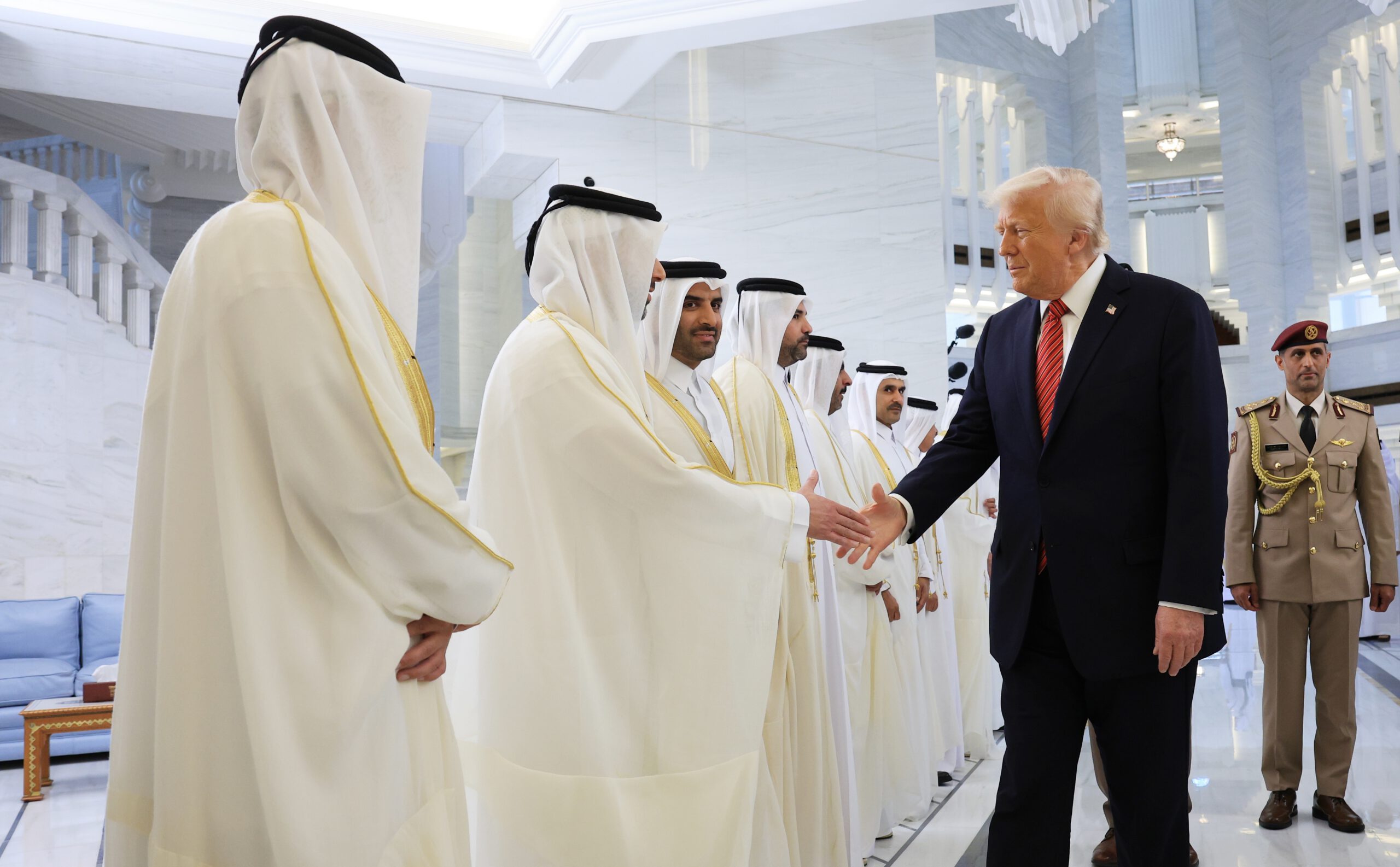
يقوم الرئيس الأمريكي دونالد ترامب هذا الأسبوع بزيارته الأولى إلى الشرق الأوسط منذ بدء ولايته الثانية، حيث سيزور المملكة العربية السعودية وقطر والإمارات العربية المتحدة في الفترة من 13 إلى 16 مايو. وسط التركيز المتزايد على سياسة الولايات المتحدة تجاه الشرق الأوسط، يقيّم خبراء معهد الشرق الأوسط (MEI) زيارة ترامب إلى الخليج، وكيف شكلت إدارته نهجها تجاه المنطقة ككل في الأشهر الأولى من ولايتها، وكيف تستجيب الأطراف الفاعلة في المنطقة للسياسات الصادرة عن واشنطن.
المحطة الأولى، الرياض: لماذا لن تكون زيارة ترامب للسعودية مثل الزيارة السابقة
بينما يستعد الرئيس ترامب لزيارته إلى المملكة العربية السعودية في مايو، يسلط ف. غريغوري غوس الثالث من معهد الشرق الأوسط الضوء على تطور العلاقات السعودية الأمريكية. مقارنة بولايته الأولى، يواجه ترامب منطقة شرق أوسط أكثر تقلباً وولي عهد محمد بن سلمان الذي تغيرت حساباته بشكل جذري. أدى المشهد الإقليمي الجديد إلى إعادة تشكيل أولويات محمد بن سلمان بشكل مباشر نحو الاستقرار الإقليمي، والعلاقات الحذرة مع إيران، والتحول الاقتصادي من خلال رؤية 2030. اكتشف التحديات التي تنتظر هذين الزعيمين في ظل تعقيدات الديناميكيات وأسواق النفط وتداعيات حرب غزة.