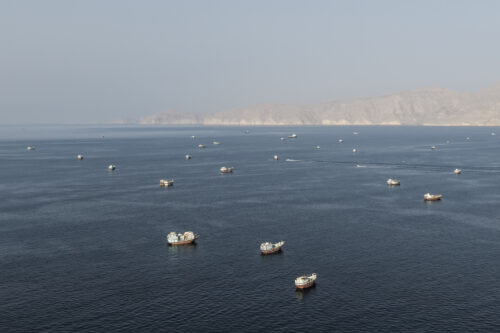
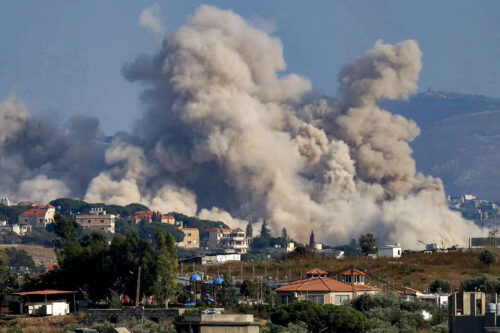
In many ways, the U.S.-Israeli war against Iran and the war in Gaza that preceded it seem transformative. After decades of shadow warfare, Iran and Israel have now attacked each other’s homelands directly. And Israel and the United States have joined forces in a genuinely novel way to wage war against Iran. The Islamic Republic has lost its supreme leader of 36 years and much of its defense infrastructure. The Gulf states, once largely able to stay out of harm’s way, have seen their energy facilities, airports, and hotels go up in flames. Hezbollah has dragged Lebanon, which was just starting to recover from its last war, back into conflict. The Assad regime, which had ruled Syria for nearly half a century, was swept away when its partners in Beirut and Tehran were battered and unable to offer any help. Israel, for its part, has flattened Gaza, tiptoed toward annexing the West Bank, reoccupied parts of southern Lebanon, and extended its control of Syrian territory beyond the Golan Heights.
Photo by Ammar Ammar / AFP via Getty Images
The Middle East Institute (MEI) is an independent, non-partisan, not-for-profit, educational organization. It does not engage in advocacy and its scholars’ opinions are their own. MEI welcomes financial donations, but retains sole editorial control over its work and its publications reflect only the authors’ views. For a listing of MEI donors, please click here.