The Gulf’s New Information Battlefield: War, Technology, and the Reconfiguration of Security
منشورات خارجية
July 23, 2026
شارك
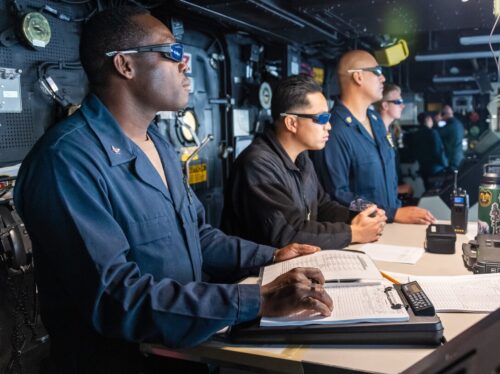
During the opening days of the 2025–2026 U.S.–Israel war with Iran, Kuwait’s military briefings highlighted intercepted Iranian missiles and drones while revealing little about strike locations or damage. The approach reflected a familiar wartime dilemma in which governments must reassure populations while limiting information that could aid adversaries or fuel uncertainty. Yet Kuwait’s response revealed a broader shift across the Gulf. Information was no longer simply a messaging tool; it had become part of the battlefield.
معهد الشرق الأوسط (MEI) هو منظمة تعليمية مستقلة وغير حزبية وغير ربحية. لا يشارك المعهد في أي أنشطة دعوية، وآراء الباحثين فيه تعبر عن آرائهم الشخصية. يرحب المعهد بالتبرعات المالية، لكنه يحتفظ بالسيطرة التحريرية الكاملة على أعماله، ولا تعكس منشوراته سوى آراء المؤلفين. للاطلاع على قائمة المتبرعين للمعهد، يرجى النقر هنا.