From Oil to AI: How Water Constraints Shape the Gulf’s Digital Future
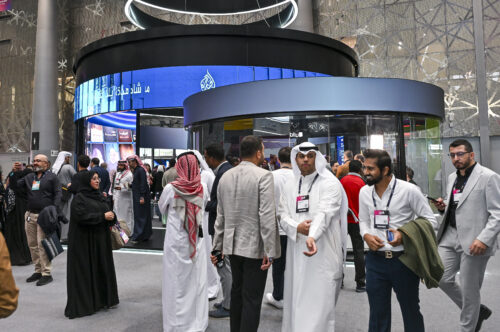
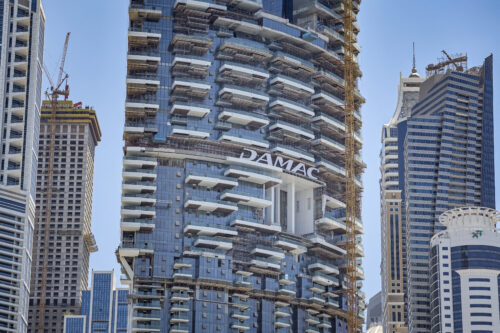
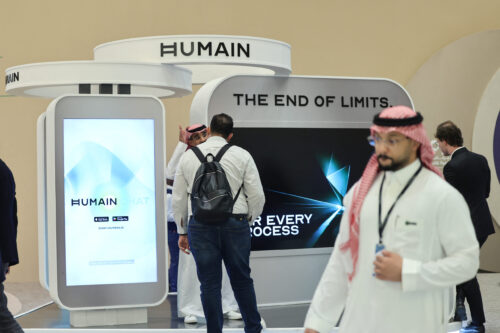
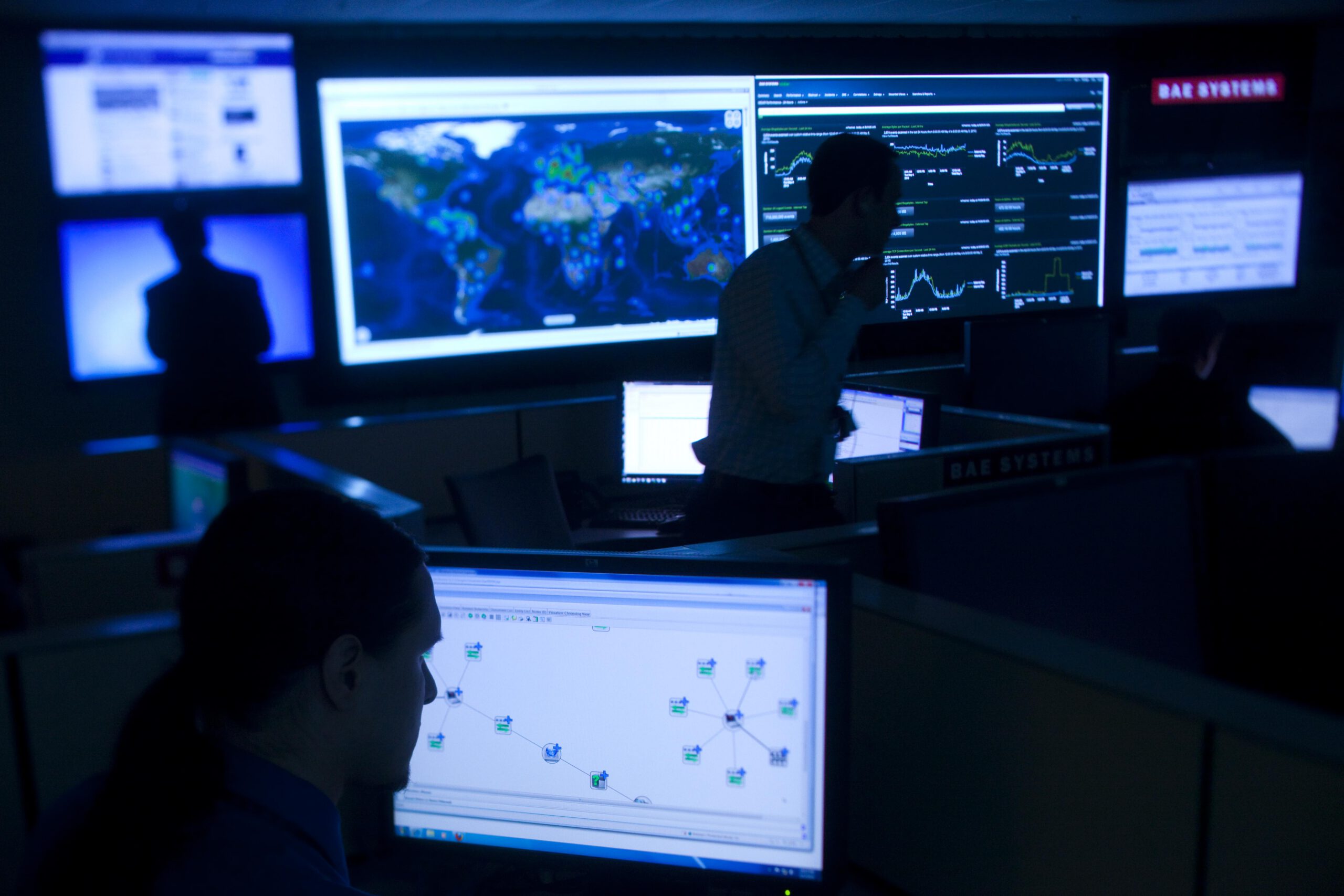
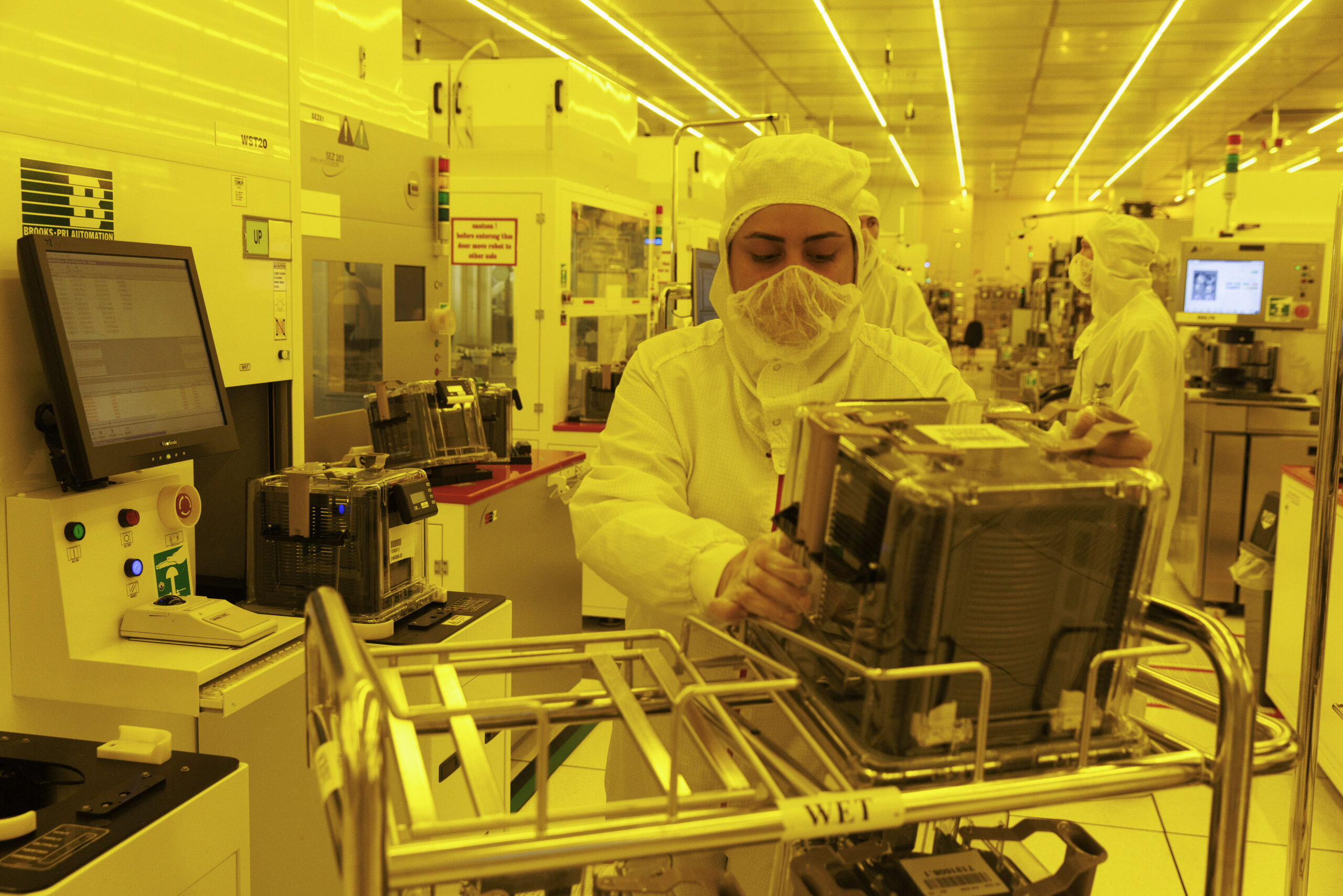
Gulf Cooperation Council states are investing hundreds of billions in AI infrastructure, data centers, and semiconductor capabilities, making technology central to post-oil economic diversification. Yet this expansion faces a critical constraint: severe water scarcity turns AI growth into a challenge, as data centers in some of the world’s most water-stressed territories strain already overextended hydrological systems. The U.S.-Iran war has also underscored the physical vulnerability of the infrastructure supporting these ambitions. Together, these pressures raise pressing questions about the sustainability and scalability of Gulf states’ AI-driven development strategies.
Africa and the architecture of the global green transition
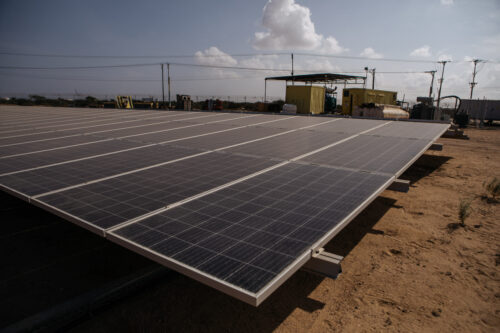
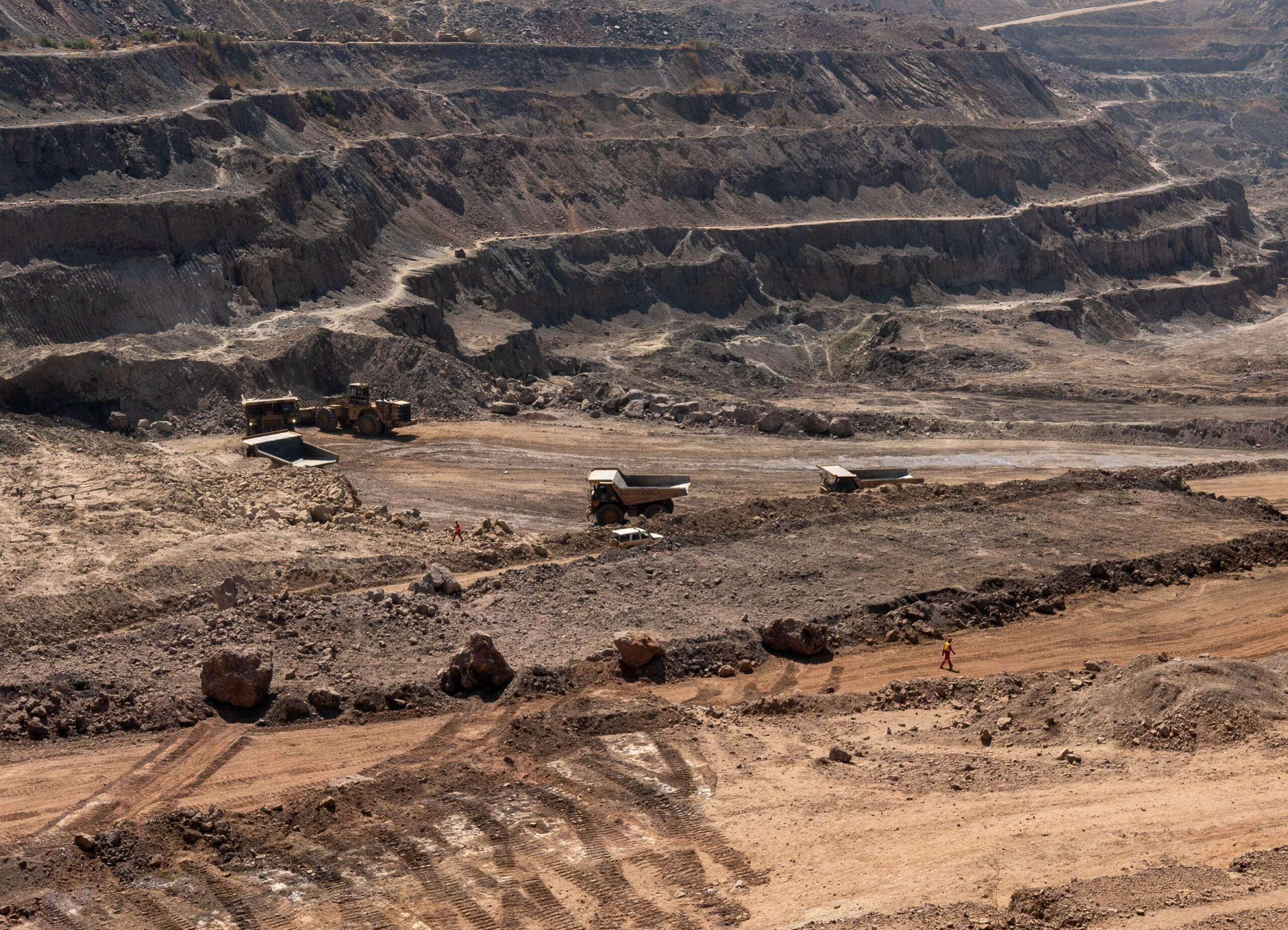
Africa sits at the center of the clean-energy transition as both a major source of critical minerals and one of the world’s largest under-electrified regions, making it a key arena for geopolitical and industrial competition among China, the United States, Europe, and emerging actors. At the same time, African governments and regional institutions are becoming more assertive, using mineral leverage, regulatory reforms, and continental frameworks to shape investment terms and capture greater domestic value. Recent developments — including the Democratic Republic of Congo’s (DRC) offer of state mining assets to U.S. investors and China’s 2026 China-Africa engagement initiative — highlight Africa’s growing role not just as a site of competition, but as an active shaper of it.
Bolstering US, Japan, and Gulf Cooperation in the High Tech Field
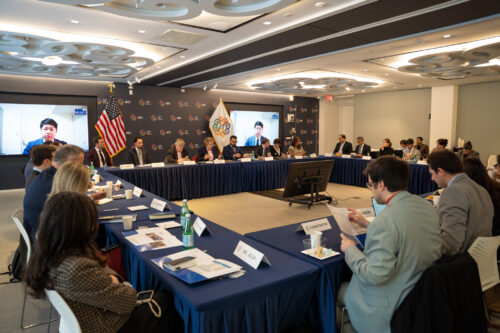
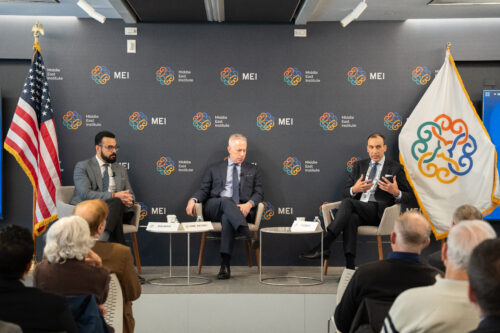
In recent years, both Washington and the Middle East have been looking eastward. The United States has been executing its own “pivot to Asia,” seeking to strengthen alliances and manage competition in the Indo-Pacific, while many Middle Eastern states are simultaneously deepening their economic and strategic ties with Asian partners. This dual pivot is creating new intersections for US–Japan cooperation. The discussion featured Ambassador Barbara Leaf, Mohammed Soliman and Amane Kobayashi, and was moderated by Ken Pollack. Drawing on their experience, the speakers examined how Japanese, American, and Gulf public and private initiatives can be integrated to create more dynamic, cutting-edge economies, symbiotic diplomatic relationships, and stronger mutual security ties.
The oldest peer-reviewed publication dedicated to the study of the modern Middle East, MEI’s flagship journal covers politics, society, and culture in the region.