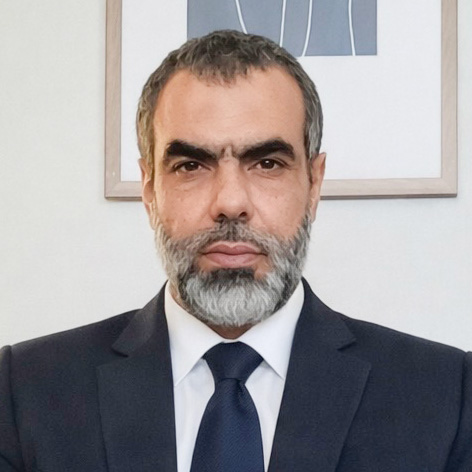
Iulia Joja is a senior fellow at the Middle East Institute (MEI), where she focuses on European and Black Sea security, with particular attention to defense, strategic cultures, and transatlantic relations. She is also an adjunct professor at Georgetown University and George Washington University, teaching European affairs and security.
Before joining MEI, Dr. Joja served as an adviser to the Romanian president and as a deputy project manager at NATO Allied Command Transformation in Virginia. She has also worked with the Romanian delegation to the United Nations, the European Parliament, and the Romanian Ministry of Foreign Affairs.
Dr. Joja has held prestigious academic positions, including as a visiting scholar at the Center of Military History and Social Sciences of the German Armed Forces in Potsdam/Berlin and as a German Academic Exchange Service (DAAD) post-doctoral fellow at the Foreign Policy Institute of the Johns Hopkins School of Advanced International Studies.
She holds a PhD in Strategic Studies from the National School of Political and Administrative Studies in Bucharest, an MA in International Conflict Studies from King’s College London, and a BA in Political Science and International Relations from Freie Universität in Berlin.
NATO: Time for a Europe-US Transatlantic Security Bargain
More than 30 years after NATO overcame the threat from the Eastern Bloc, the alliance is struggling. Russia is waging war on Ukraine, the US is trying to pivot to Asia, and fresh conflict has erupted on Europe’s doorstep, with Russia and China both seeking advantage. Unexpectedly, for an alliance feeling unmoored, herein lies opportunity.
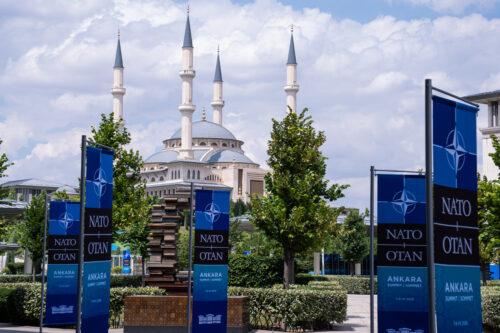
At the recent NATO summit in Ankara, renewed US-Iran strikes and Turkey’s push to rejoin the F-35 stealth fighter program overshadowed the Alliance’s message of unity and a strong European pillar. MEI Senior Fellow Iulia Joja joins host Alistair Taylor to unpack the summit — what it achieved, what got left off the agenda, and why the roads out of Ankara run through the Middle East.
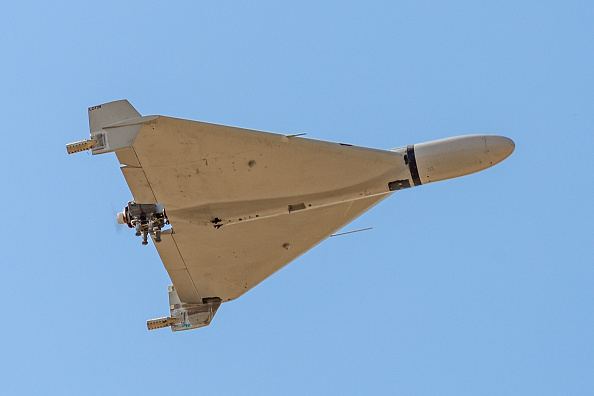
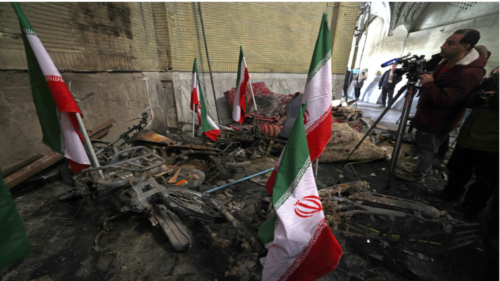
Although Russia has not directly intervened in the US-Israeli war with Iran, the conflict has underscored the nature and extent of its strategic partnership with the Islamic Republic. The Russia-Iran axis poses a real threat to the US and its allies; it demands a coherent and resolute response.
In the midst of a fragile cease-fire to the US-Israeli war on Iran, European leaders remain reluctant to get involved in another Middle Eastern war and are bristling under threats and insults from the US. As the NATO alliance frays and Russian attacks on Ukraine continue, the moment for Europe to take action has arrived, and is fleeting.
This special episode of Middle East Focus features a conversation from MEI’s Virtual Briefing Series. Host Alistair Taylor is joined by former National Security Council Senior Director Stephen Flanagan and MEI Senior Fellow Iulia-Sabina Joja to discuss the impacts of the Iran war on US-European relations. The conflict has hit Europe’s economy hard and created deep divisions across the continent, even as some European countries play a quiet supporting role to the US. President Donald Trump has called for NATO member states to help secure shipping through the Iranian-blocked Strait of Hormuz, a critical chokepoint for international maritime trade. Flanagan and Joja explore the prospects for stepped-up European military involvement, the knock-on effects on the war in Ukraine, and the potential longer-term impact on the future of the US-European alliance.
How Iran, China, and Russia Use the Shadow Fleet to Evade US Sanctions
Crude oil legally sanctioned by the United States and its allies today makes up an estimated 18% of global tanker capacity, or 6-7% of total unrefined petroleum flows — shares that have been growing. Increased pressure on Russian exports and US intervention in Venezuela have further constrained Russian flows and temporarily removed Venezuela, the smallest sanctioned producer, from the market. Iranian exports, however, remain largely untouched.
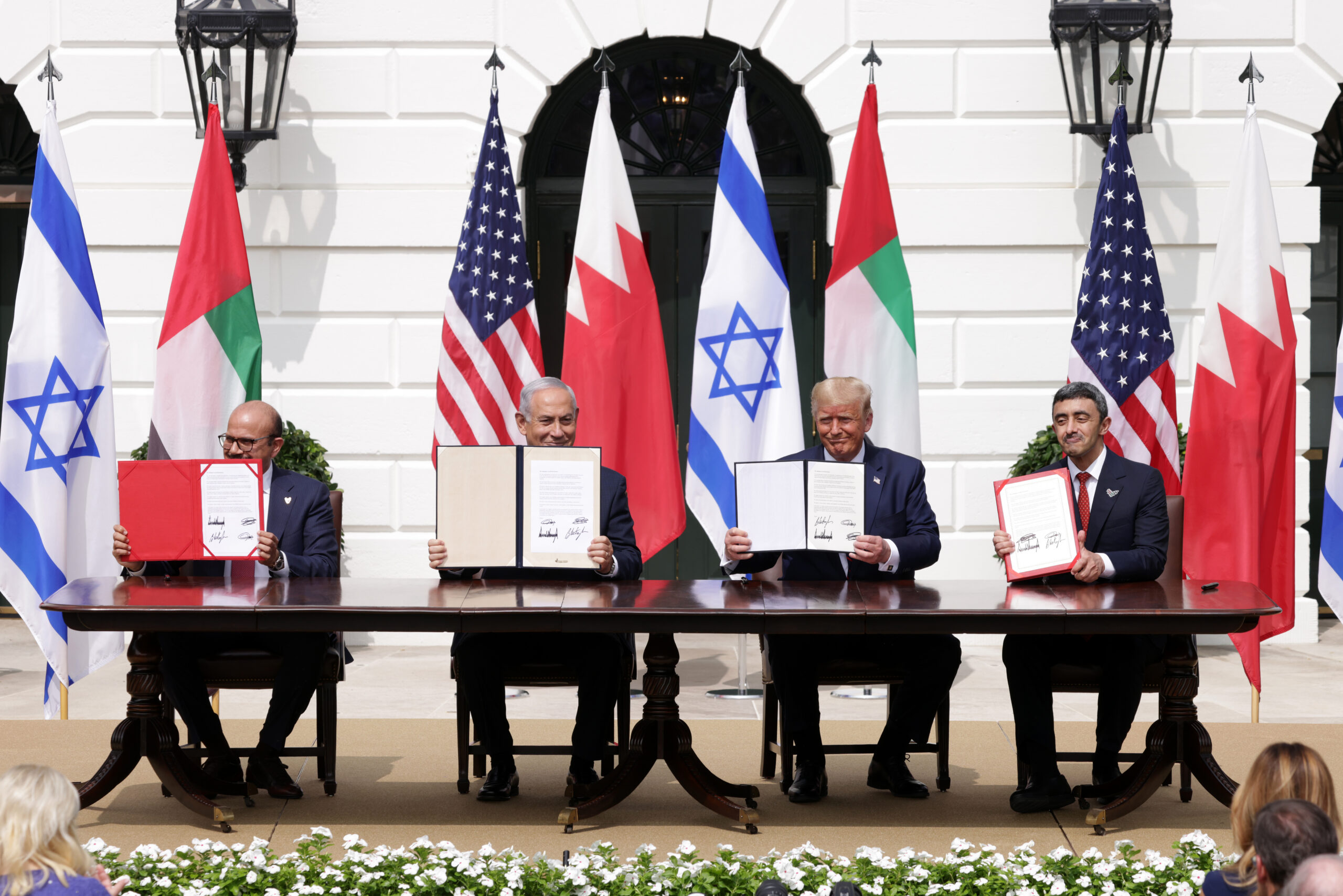
The Abraham Accords have represented a remarkable shift in U.S. Middle East policy. They reframed Arab-Israeli normalization as a result of shared interests – within the Middle East and directly with the US, rather than as a byproduct of Israeli-Palestinian peace. Signed in September 2020, on the last leg of the first Trump administration, the Accords brokered by Washington normalized relations between Israel and the United Arab Emirates (UAE) and Bahrain, followed by framework agreements with Morocco and Sudan. From the American perspective, the Accords were intended to break decades of diplomatic stagnation in the Middle East in order to establish a regional framework aligned with American strategic objectives.
الأعمال غير المنجزة ستحدد أجندة الشرق الأوسط في عام 2026
بعد عام آخر من التطورات المحورية والتغييرات الجذرية، قد يكون الشرق الأوسط على وشك طي صفحة العديد من الصراعات الطويلة الأمد ومصادر عدم الاستقرار. لكن تحقيق نتائج دائمة للعمليات التي بدأت في عام 2025 سيتطلب تركيزًا حازمًا ومدروسًا من قبل الجهات الفاعلة الإقليمية والولايات المتحدة. بالنظر إلى الاتجاهات الحالية، يقيّم خبراء معهد الشرق الأوسط (MEI) الاتجاه الذي قد تسير فيه المنطقة في عام 2026.
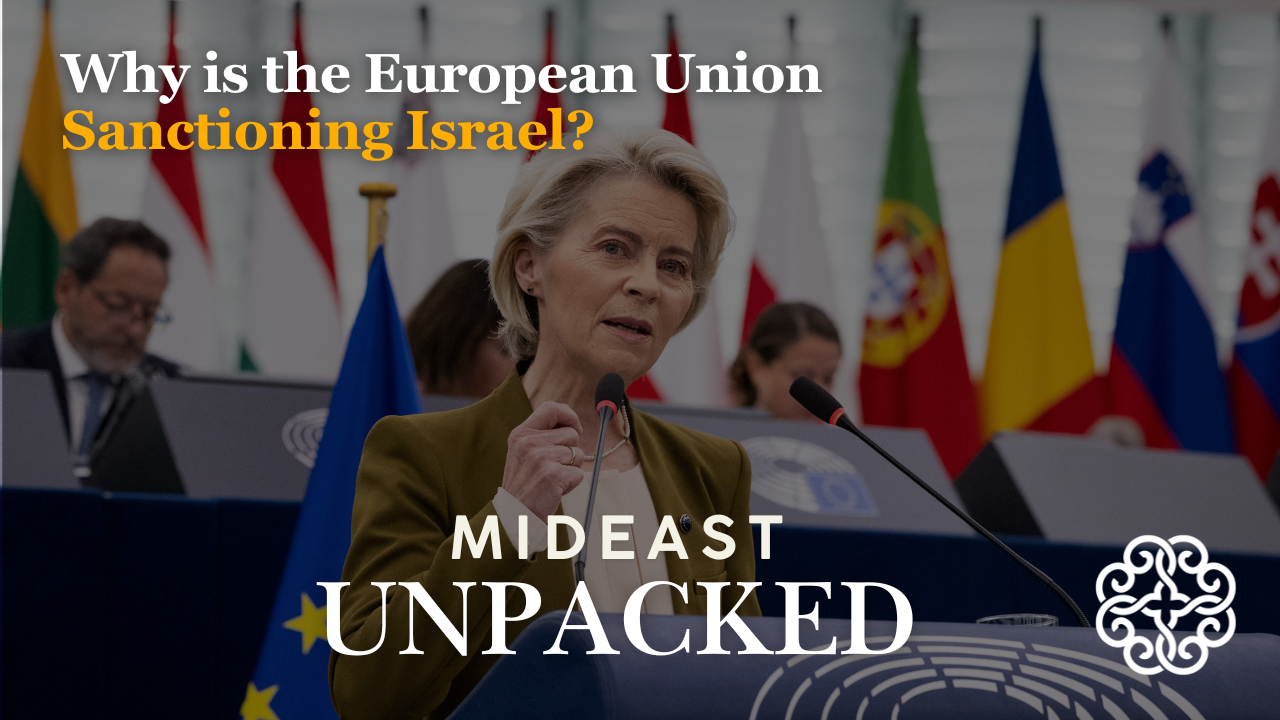
أعلن الاتحاد الأوروبي عن خطط لفرض عقوبات على إسرائيل بسبب الأزمة الإنسانية في غزة. إذا تم اعتماد هذه الخطوة، فستشكل تحولاً تاريخياً في العلاقات بين الاتحاد الأوروبي وإسرائيل. تشرح يوليا جوجا من معهد الشرق الأوسط (MEI) خلفية الاقتراح، وما ستترتب عليه العقوبات، وتأثيرها المحتمل على موقف الاتحاد الأوروبي في الشرق الأوسط.
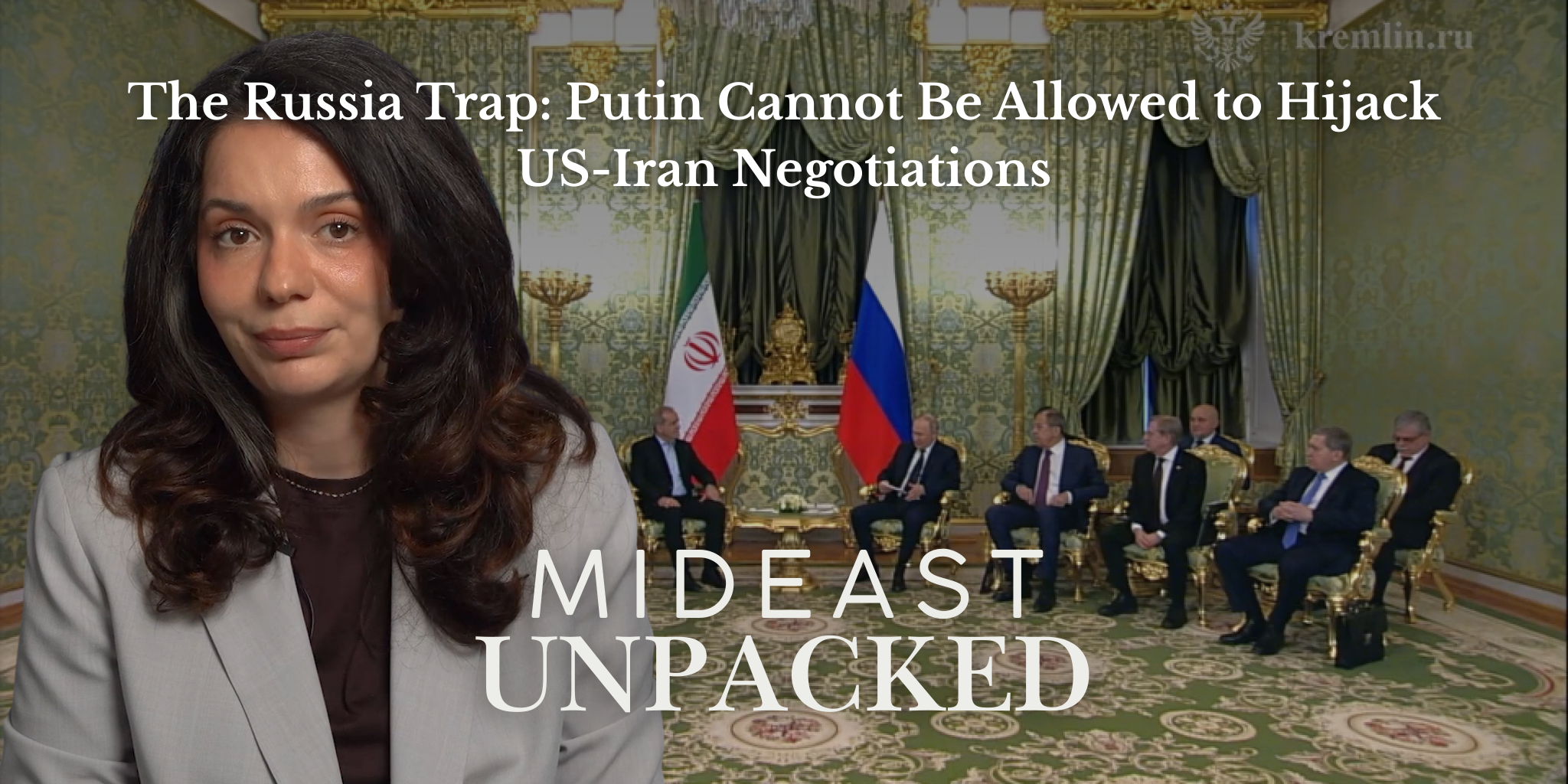
فخ روسيا: لا يمكن السماح لبوتين باختطاف المفاوضات بين الولايات المتحدة وإيران
توجه يوليا جوجا، زميلة أولى في معهد الشرق الأوسط (MEI)، تحذيراً حاداً ومناسباً من منح روسيا دوراً مباشراً في المفاوضات بين الولايات المتحدة وإيران. فبدلاً من أن تلعب موسكو دور الوسيط المحايد، فإنها تريد الاستفادة من هذه اللحظة لإعادة تشكيل ميزان القوى في الشرق الأوسط. من الاجتماعات في مسقط إلى توثيق التحالفات مع طهران وبكين، تكشف جوجا كيف أن دبلوماسية بوتين لا تهدف إلى تحقيق السلام بقدر ما تهدف إلى تعزيز نفوذ روسيا في مواجهة الولايات المتحدة. وينبغي على واشنطن أن تولي اهتمامًا وثيقًا لهذا الأمر.
يقوم الرئيس الأمريكي دونالد ترامب هذا الأسبوع بزيارته الأولى إلى الشرق الأوسط منذ بدء ولايته الثانية، حيث سيزور المملكة العربية السعودية وقطر والإمارات العربية المتحدة في الفترة من 13 إلى 16 مايو. وسط التركيز المتزايد على سياسة الولايات المتحدة تجاه الشرق الأوسط، يقيّم خبراء معهد الشرق الأوسط (MEI) زيارة ترامب إلى الخليج، وكيف شكلت إدارته نهجها تجاه المنطقة ككل في الأشهر الأولى من ولايتها، وكيف تستجيب الأطراف الفاعلة في المنطقة للسياسات الصادرة عن واشنطن.