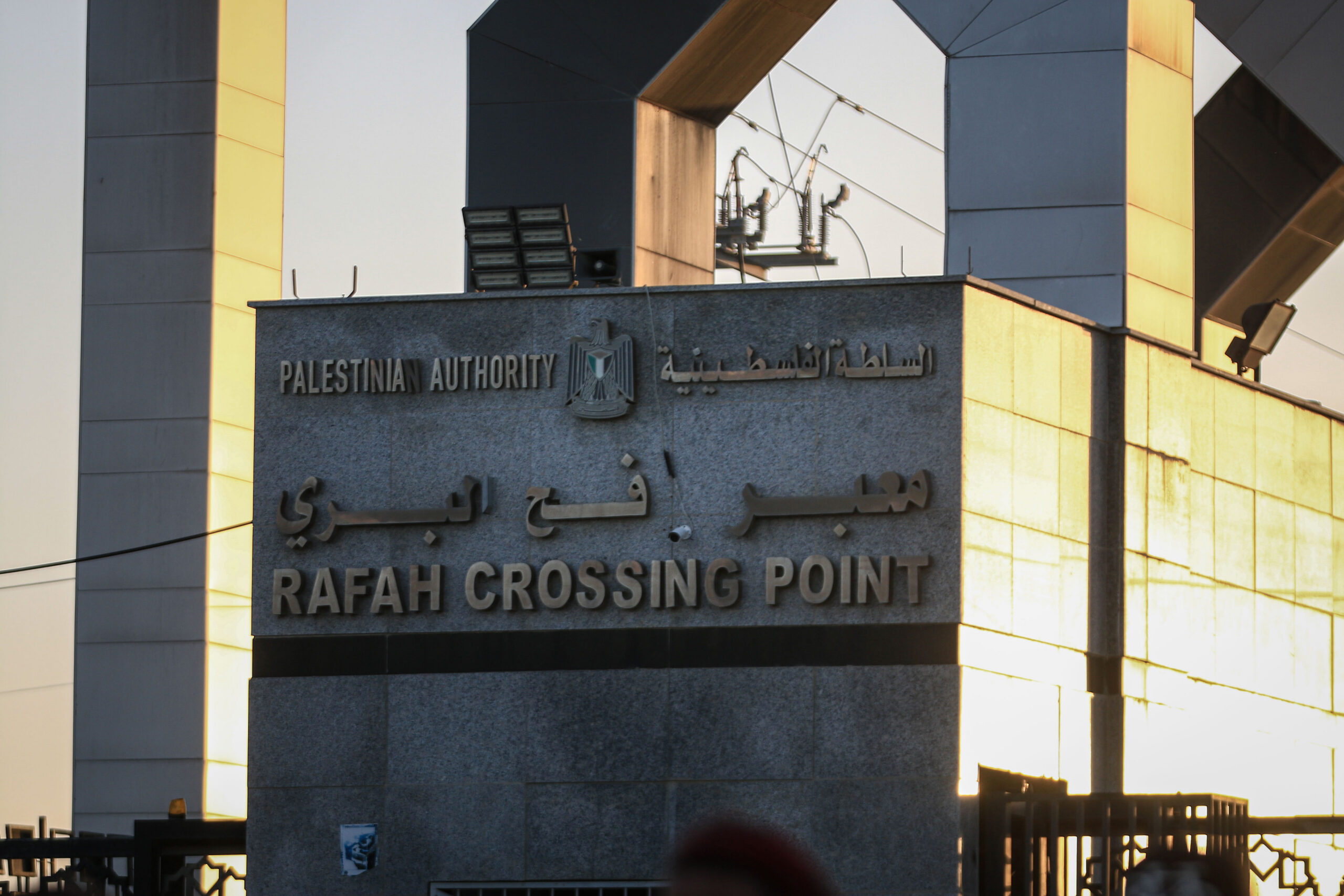
Mirette F. Mabrouk is a senior fellow at the Middle East Institute (MEI), where she focuses on economic development, regional security, and sustainable development issues in the Middle East and North Africa.
Prior to joining MEI, Ms. Mabrouk served as the deputy director and director for research and programs at the Rafik Hariri Center for the Middle East at the Atlantic Council. She was also a fellow at the Project for US Relations with the Middle East at the Brookings Institution and was based in Cairo, where she was the director of communications for the Economic Research Forum (ERF).
Ms. Mabrouk comes from a long career in journalism, including over 20 years in print and television. She is the founding publisher of The Daily Star Egypt (now The Daily News Egypt), the country’s only independent English-language daily newspaper at the time. She also served as the publishing director for IBA Media, which produces the region’s leading English-language magazines.
Her work has appeared in prominent publications such as Foreign Policy, The Hill, and HuffPost, and she has been quoted or appeared on major media outlets including the BBC, VOA, Sky News, and The Wall Street Journal. She is the author of the book chapter “And Now for Something Completely Different: Arab Media’s Own Little Revolution” from Reconstructing the Middle East (Routledge, 2017), as well as the editor of the report Rethinking Egypt’s Economy (Middle East Institute, 2020).
She holds an MA in Broadcast Journalism and a BA in Mass Communication from the American University in Cairo.
The Latest from Mirette F. Mabrouk
Middle Eastern Rivalry in the Horn of Africa
How is competition for influence in the Horn of Africa among Middle Eastern powers — especially the UAE, Saudi Arabia, Turkey, and Israel — reshaping the political landscape? Hosts Alistair Taylor and Matthew Czekaj are joined by MEI Senior Fellows Mirette Mabrouk and Gönül Tol to unpack the dynamics driving this rivalry and its implications for conflicts and alliances across the region.
Battered but Still Standing, Egypt Tries to Weather the Economic Ravages of the Iran War
While Egypt is not in the direct line of fire in the US-Israeli war with Iran, its economy is acutely vulnerable to the conflict. In addition to the rising energy prices and shortages that have affected much of the world, it also struggled with issues that reflected its economy’s own underlying structural vulnerabilities.
Sudan’s Civil War: Internal Dynamics and External Drivers
الأعمال غير المنجزة ستحدد أجندة الشرق الأوسط في عام 2026
بعد عام آخر من التطورات المحورية والتغييرات الجذرية، قد يكون الشرق الأوسط على وشك طي صفحة العديد من الصراعات الطويلة الأمد ومصادر عدم الاستقرار. لكن تحقيق نتائج دائمة للعمليات التي بدأت في عام 2025 سيتطلب تركيزًا حازمًا ومدروسًا من قبل الجهات الفاعلة الإقليمية والولايات المتحدة. بالنظر إلى الاتجاهات الحالية، يقيّم خبراء معهد الشرق الأوسط (MEI) الاتجاه الذي قد تسير فيه المنطقة في عام 2026.
Water and Power: Egypt, Sudan, and Ethiopia at Odds Over Africa’s Largest Dam
In this episode of Middle East Focus, hosts Alistair Taylor and Matthew Czekaj are joined by MEI Senior Fellow Mirette F. Mabrouk to unpack the growing tensions over the recently inaugurated Grand Ethiopian Renaissance Dam (GERD) on the Nile.
مصر تجتاز المراجعة الرابعة لصندوق النقد الدولي
يقدم تقرير موظفي صندوق النقد الدولي الذي طال انتظاره بشأن اتفاقية القرض البالغة قيمته 8 مليارات دولار لمصر نظرة شاملة وصريحة على الوضع الحالي للاقتصاد. ويسلط التقرير الضوء على الفرص المحتملة للبلاد — ولكن فقط إذا قامت أولاً بمعالجة الإصلاحات الهيكلية المتأخرة.
مصر والمملكة العربية السعودية: أي علاقة جيدة تحتاج إلى جهد
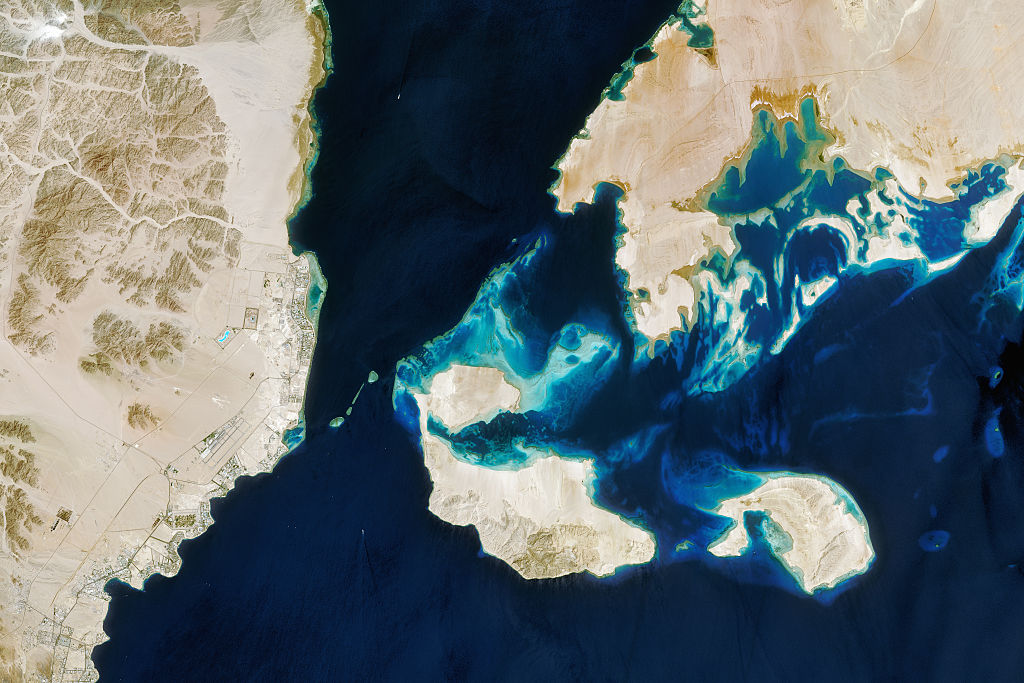
تشترك مصر والمملكة العربية السعودية في العديد من الأهداف المتعلقة بالسياسة الخارجية والأمن الإقليمي، وتربطهما علاقة طويلة ومعقدة. وقد عززت الأحداث الأخيرة في الشرق الأوسط هذه العلاقة، حتى في الوقت الذي تواصلان فيه التفاوض بشأن قضايا ثنائية صعبة، مثل النزاع الطويل الأمد حول السيطرة على جزيرتي تيران وصنافير.
الولايات المتحدة تدخل حرب إسرائيل مع إيران — ردود فعل خبراء معهد الشرق الأوسط
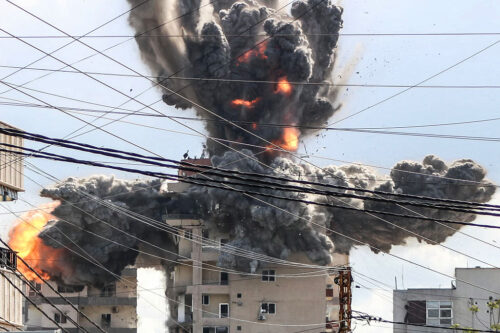
قامت الولايات المتحدة بضرب ثلاث منشآت نووية في إيران مساء يوم 21 يونيو، في خضم الصراع المستمر بين إسرائيل وإيران. يقدم باحثو معهد الشرق الأوسط (MEI) تحليلات في الوقت الفعلي للمساعدة في فهم معنى هذا التصعيد وما قد يحدث بعده.
ترامب يزور الشرق الأوسط في مرحلة انتقالية
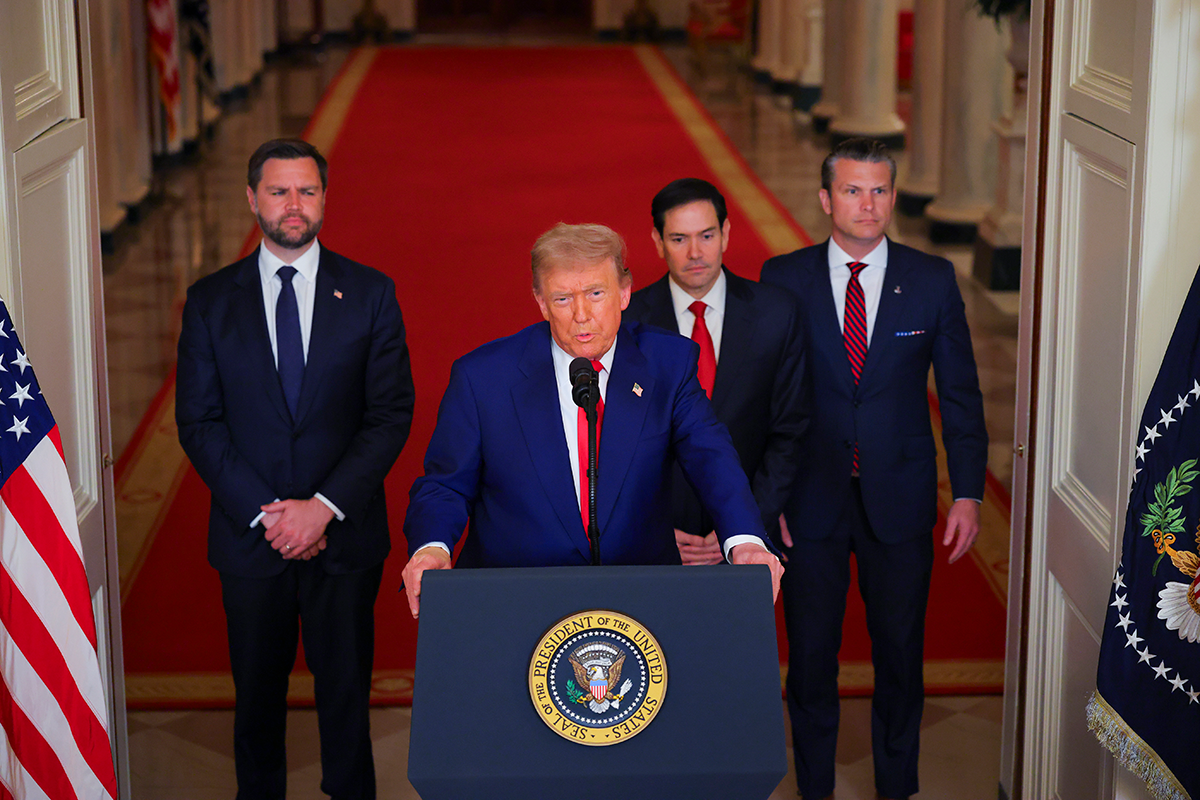
يقوم الرئيس الأمريكي دونالد ترامب هذا الأسبوع بزيارته الأولى إلى الشرق الأوسط منذ بدء ولايته الثانية، حيث سيزور المملكة العربية السعودية وقطر والإمارات العربية المتحدة في الفترة من 13 إلى 16 مايو. وسط التركيز المتزايد على سياسة الولايات المتحدة تجاه الشرق الأوسط، يقيّم خبراء معهد الشرق الأوسط (MEI) زيارة ترامب إلى الخليج، وكيف شكلت إدارته نهجها تجاه المنطقة ككل في الأشهر الأولى من ولايتها، وكيف تستجيب الأطراف الفاعلة في المنطقة للسياسات الصادرة عن واشنطن.
Pressuring Egypt over Gaza will not work and is not in the US interest
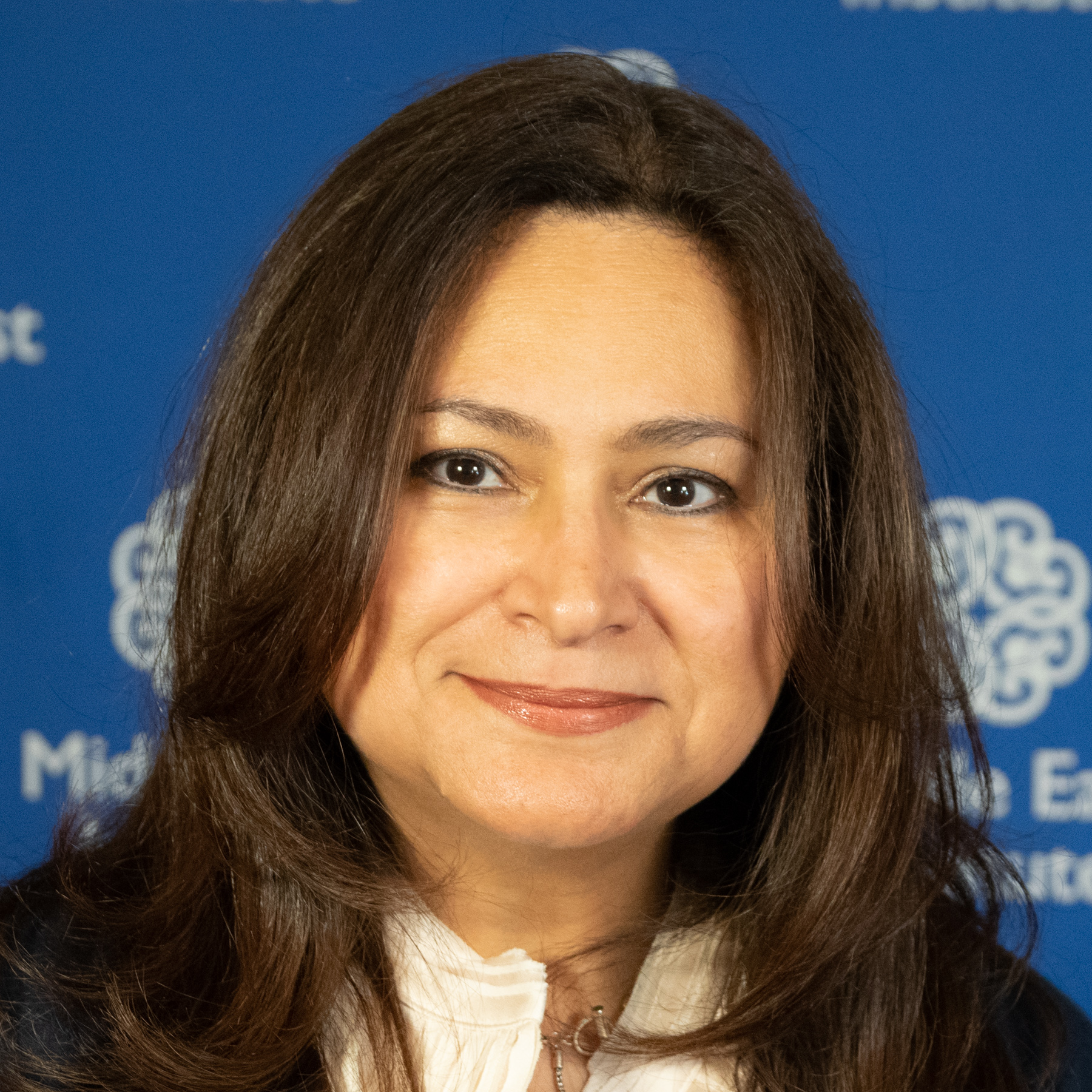
Almost immediately after the start of the conflict in Gaza, Israeli Prime Minister Benjamin Netanyahu and his governing coalition began a concerted effort to persuade first the European Union and then the United States to pressure Egypt to accept Palestinian refugees. Egypt refused and continues to do so. Capitulating is not in Cairo’s national interest and bullying it will only backfire.
Four years of tectonic shifts that redrew the Middle East
اقرأ تقرير MEI الأسبوعي الذي يتضمن تحليلات الخبراء للتطورات الإقليمية الرئيسية للأسبوع المقبل.
تقرير أسبوعي: العبء المتزايد على إيران في مواجهة إسرائيل
تحليل إقليمي متخصص من قبل باحثي ومساهمي معهد الشرق الأوسط.
Special Briefing: A year of after-shocks since Oct. 7
اقرأ تقرير MEI الأسبوعي الذي يتضمن تحليلات الخبراء للتطورات الإقليمية الرئيسية للأسبوع المقبل.