تمت ترجمة هذا النص بواسطة الذكاء الاصطناعي وقد يحتوي على أخطاء.
تخطي إلى المحتوى

كارين إي. يونغ هي زميلة أولى في معهد الشرق الأوسط (MEI)، حيث تقود مبادرة الاقتصاد والطاقة. وهي أيضًا باحثة أولى في مركز جامعة كولومبيا لسياسة الطاقة العالمية. بصفتها خبيرة في الاقتصاد السياسي، تركز أعمالها على منطقة الخليج والشرق الأوسط وشمال أفريقيا (MENA) بشكل عام، مع إيلاء اهتمام خاص للتقاطع بين الطاقة والمالية والأمن.

شغلت الدكتورة يونغ مناصب بحثية وتدريسية رفيعة في عدد من المؤسسات الأكاديمية والسياسية. كانت سابقاً باحثة مقيمة في معهد أمريكان إنتربرايز وبحثة مقيمة رفيعة في معهد دول الخليج العربية في واشنطن. قامت بتدريس مقررات دراسية حول العلاقات الدولية في الشرق الأوسط في جامعة جورج واشنطن وتقوم بالتدريس بانتظام في معهد الخدمة الخارجية التابع لوزارة الخارجية الأمريكية. وتشمل مناصبها الأكاديمية أيضًا العمل كباحثة في مركز الشرق الأوسط التابع لكلية لندن للاقتصاد والعلوم السياسية، وقيادة ندوة حول الأسواق الناشئة في منطقة الشرق الأوسط وشمال إفريقيا في كلية جونز هوبكنز للدراسات الدولية المتقدمة. من 2009 إلى 2014، شغلت منصب أستاذ مساعد في العلوم السياسية في الجامعة الأمريكية في الشارقة.

الدكتور يونغ هو مؤلف كتاب "السياسة الاقتصادية لدول الخليج العربية: توزيع المساعدات والاستثمارات والتنمية في منطقة الشرق الأوسط وشمال أفريقيا" (IB Tauris/Bloomsbury، 2023) و الاقتصاد السياسي للطاقة والمالية والأمن في الإمارات العربية المتحدة: بين المجلس والسلطة (بالغريف ماكميلان، 2014). وقد نُشرت تحليلاتها في مجلة Foreign Affairs، و Foreign Policy، و The Financial Times، و Bloomberg، و Lawfare، و The National، و Journal of Arabian Studies، و Security Dialogue، وغيرها الكثير. كما نُشرت تعليقاتها في NPR، و CBS، و AFP، و The New York Times، و The Wall Street Journal، و The Washington Post، و Reuters.

وقد حظيت أبحاثها بدعم مالي من مؤسسة سميث ريتشاردسون، ومؤسسة كارنيجي في نيويورك، وبرنامج فولبرايت (الإكوادور 1997-1999؛ بلغاريا 2005-2006)، ومجلس البحوث والتبادل الدولي (IREX)، والمجلس الأمريكي للجمعيات العلمية (ACLS)، ومركز وودرو ويلسون، ومبادرة الشراكة مع الشرق الأوسط (MEPI) التابعة لوزارة الخارجية الأمريكية، وغيرها.

وهي حاصلة على درجة الدكتوراه في العلوم السياسية من مركز الدراسات العليا بجامعة مدينة نيويورك، ودرجة الماجستير في العلوم السياسية من جامعة كولومبيا، ودرجة الماجستير في الاقتصاد الدولي من جامعة أندينا سيمون بوليفار في كيتو، ودرجة البكالوريوس في الأنثروبولوجيا من كلية ويلسلي.

آخر الأخبار من كارين إي. يونغ

تصفية حسب
54 Results
Israel and Egypt top growth expectations in MENA: A tale of two divergent strategies
Photographer: Kobi Wolf/Bloomberg via Getty Images
  • التحليل
  • Israel and Egypt top growth expectations in MENA: A tale of two divergent strategies

    The two countries in the Middle East with the highest growth expectations for 2022 are Israel and Egypt. Fitch Solutions estimates that MENA-wide GDP will grow by 3.6% in 2021, after a contraction of 4% in 2020. Egypt and Israel are the only countries within the region expected to grow their economies beyond the size of their pre-COVID-19 levels for 2021.

    The Uphill Economic Recovery from Covid-19 in the Gulf Cooperation Council
  • تعليق
  • The Uphill Economic Recovery from Covid-19 in the Gulf Cooperation Council

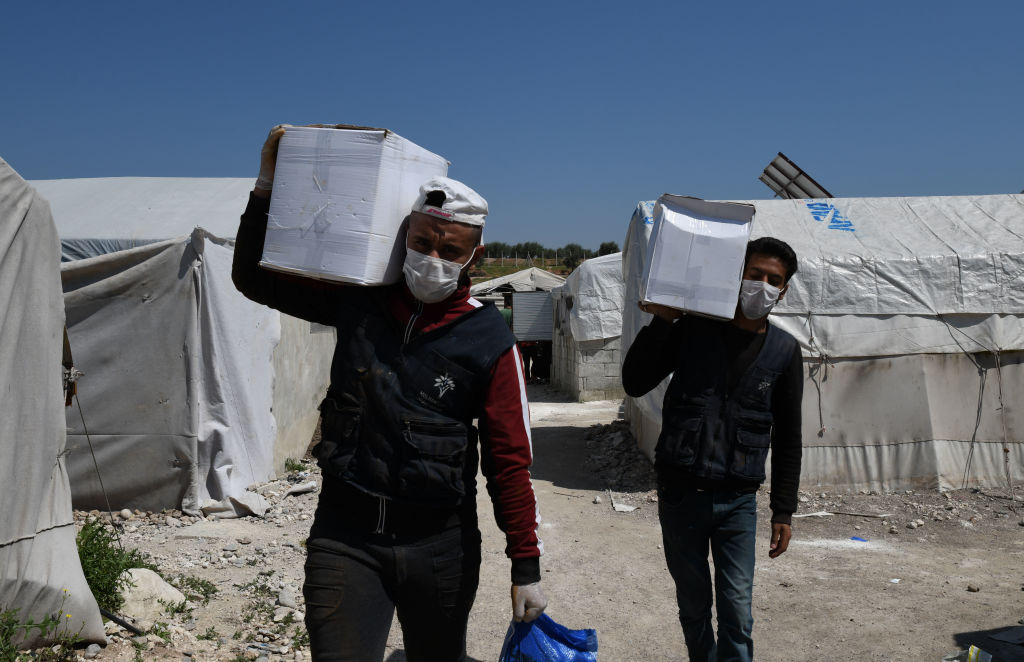
    The future of economic growth in the GCC is looking better than some analysts expected in the depths of the downturn in 2020. What may be different in this recovery compared to previous economic crises in the Gulf is a more limited fiscal policy space, and more variance among GCC countries in their ability to rebound with smart stimulus. As the global economic recovery now strengthens oil demand, taking advantage of this interim period of the global energy transition will mean accelerating government spending in areas where it can make a long-term impact on productivity growth and increased labor force participation among citizens in the private sector, especially women. Some governments will be able to accelerate productivity, including using highly skilled foreign labor and favorable long-term residency regimes, and others will be simply treading water to satisfy immediate demands of their populations.

    The Saudi-Emirati OPEC rift might be local, but the core dispute is global
    Simon Dawson/Bloomberg via Getty Images
  • التحليل
  • The Saudi-Emirati OPEC rift might be local, but the core dispute is global

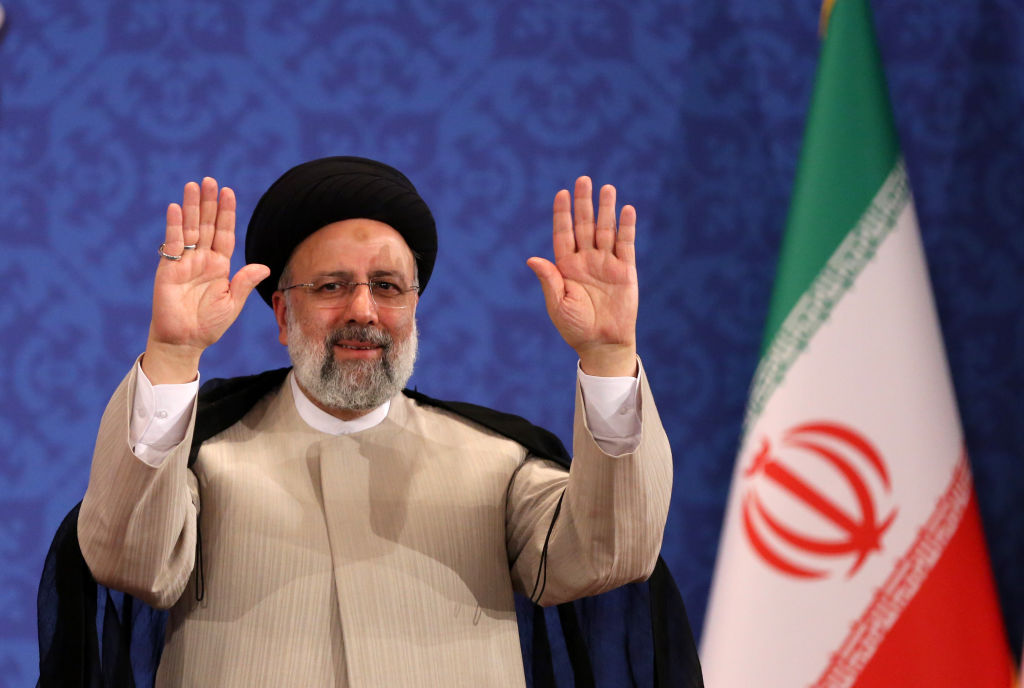
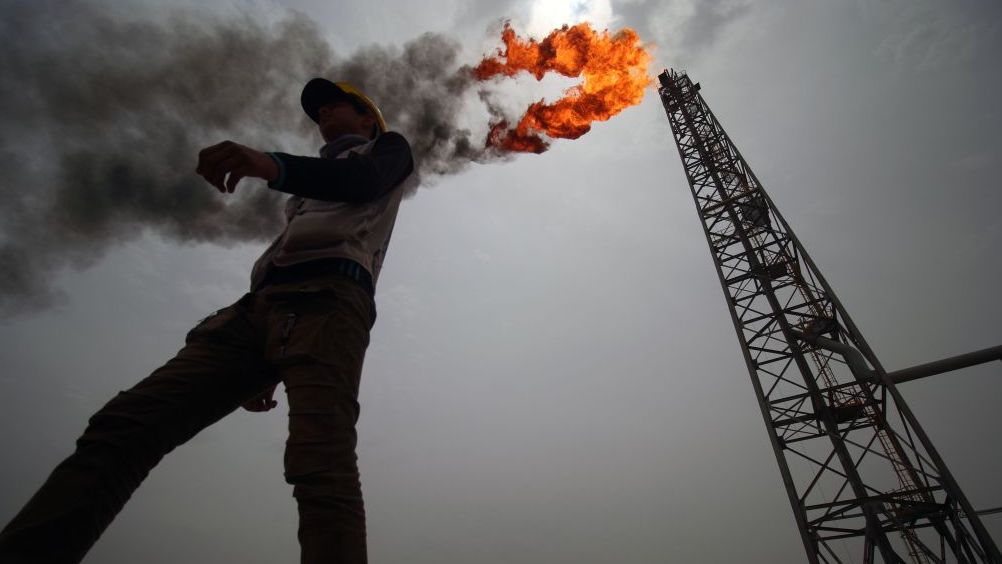
    In spite of the growing political distance between Riyadh and Abu Dhabi, it was economic factors that played the key role in the UAE decision not to support the extension of the OPEC+ agreement until the end of 2022, thus putting on hold the cartel’s decision to increase production in the coming months. The OPEC+ agreement in place since December 2016 may have finally run its course. The medium term will see a changed landscape among oil producers, not just in the GCC, but globally as they compete for customers in emerging markets, the only place where oil demand is expected to increase after 2030, and as they attempt to transform their businesses across energy products. The national oil companies that can access capital, attract new investment, offload assets, and be nimble enough to grow across energy lines, whether it be hydrogen, solar, or even natural gas, will be the ones that thrive. Producers like Libya, Iraq, Iran, and even Russia and Saudi Arabia may be at a disadvantage in accessing new investment and pursuing transformation. The future of OPEC and its ancillary partners is one of intense competition and divergent time horizons for hydrocarbon exploitation.

    The coming US and Middle East energy collision
    Photo by Drew Angerer/Getty Images
  • التحليل
  • The coming US and Middle East energy collision

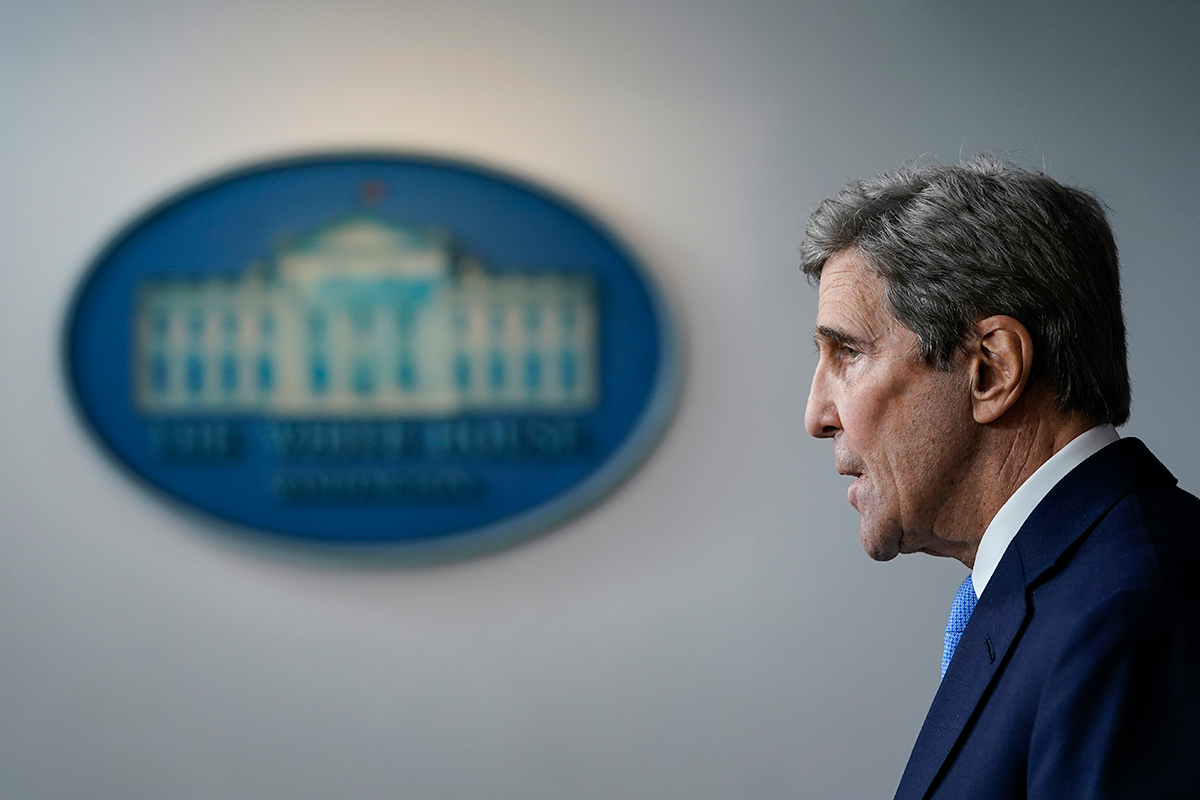
    The Biden administration’s goals in climate policy, renewable energy infrastructure investment both domestically and globally (the Build Back Better World, or B3W, initiative), and its Middle East policy may be on the verge of a collision. While the administration would like to dial back its engagement in the Middle East at least militarily, the region will be essential to meeting U.S. foreign and domestic energy goals.

    Lessons Learned for Baghdad & Erbil From the GCC
  • تعليق
  • Lessons Learned for Baghdad & Erbil From the GCC

    In this policy paper, Dr. Karen E. Youngsets out to delineate and compare economic diversification efforts underway in the GCC that might prove useful in the Iraqi context, for the state as a whole, and measures that might be adopted in the context of the Kurdistan region.

    المزيد من الخبراء مثل هذا