Skip to Content

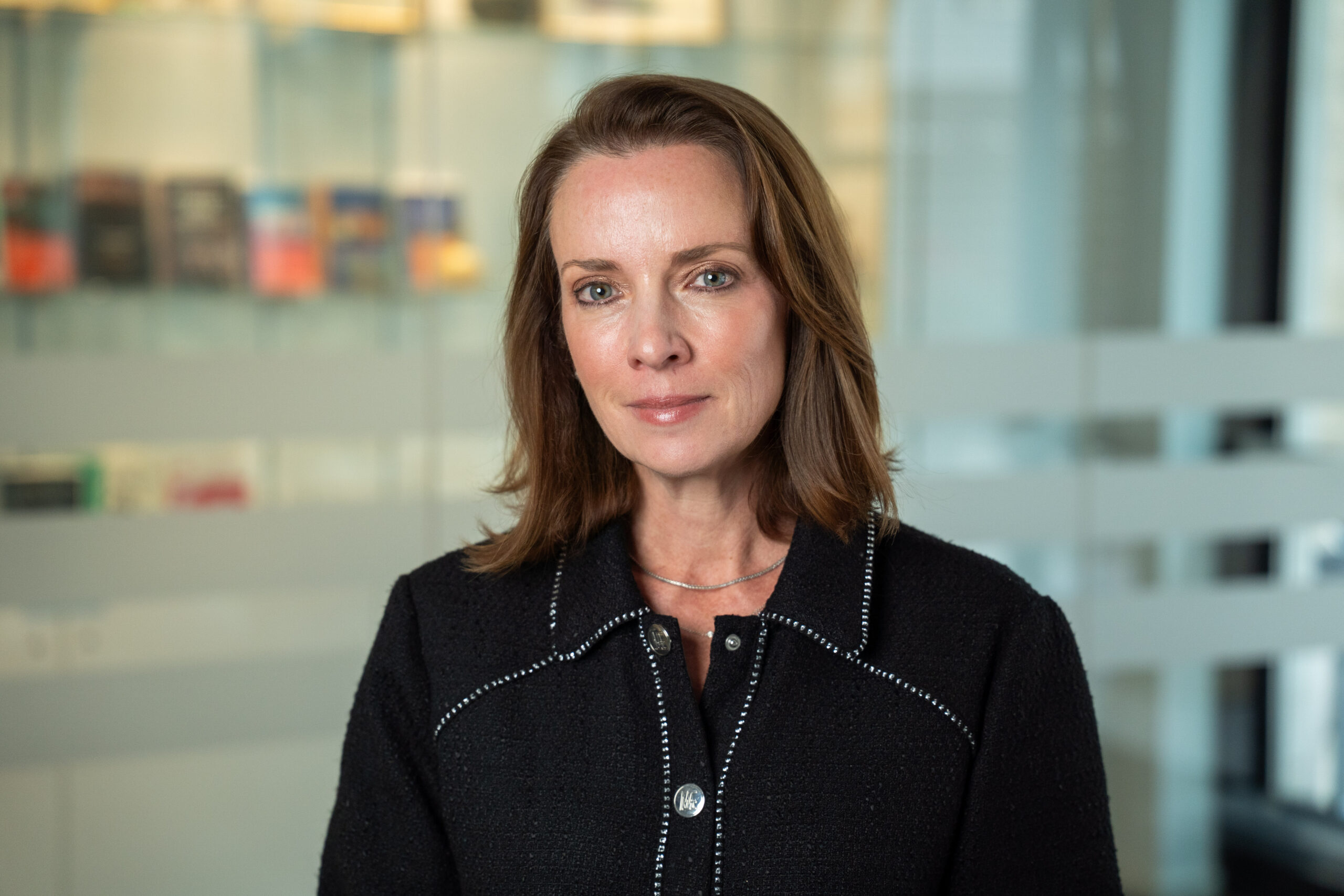
Karen E. Young

Senior Fellow, Economics and Energy Initiative

Karen E. Young is a senior fellow at the Middle East Institute (MEI), where she leads the Economics and Energy Initiative. She is also a senior research scholar at the Columbia University Center on Global Energy Policy. A political economist, her work focuses on the Gulf and broader Middle East and North Africa (MENA) region, with particular attention to the intersection of energy, finance, and security.

Dr. Young has held senior research and teaching positions at a number of academic and policy institutions. She was previously a resident scholar at the American Enterprise Institute and a senior resident scholar at the Arab Gulf States Institute in Washington. She has taught courses on Middle East international relations at George Washington University and regularly teaches at the US Department of State Foreign Service Institute. Her academic appointments also include serving as a research fellow at the London School of Economics and Political Science Middle East Centre and leading a seminar on emerging markets in MENA at Johns Hopkins SAIS. From 2009-2014, she was an assistant professor of political science at the American University of Sharjah.

Dr. Young is the author of The Economic Statecraft of the Gulf Arab States: Deploying Aid, Investment and Development Across MENAP (IB Tauris/Bloomsbury, 2023) and The Political Economy of Energy, Finance and Security in the United Arab Emirates: Between the Majilis and the Market (Palgrave Macmillan, 2014). Her analysis has appeared in Foreign Affairs, Foreign Policy, The Financial Times, Bloomberg, Lawfare, The National, Journal of Arabian Studies, and Security Dialogue, among many others. Her commentary has been featured in NPR, CBS, AFP, The New York Times, The Wall Street Journal, The Washington Post, and Reuters.

Her research has been supported by grants from the Smith Richardson Foundation, Carnegie Corporation of New York, the Fulbright Program (Ecuador 1997-99; Bulgaria 2005-06), the International Research and Exchange Board (IREX), the American Council of Learned Societies (ACLS), the Woodrow Wilson Center, and the US State Department Middle East Partnership Initiative (MEPI), among others.

She holds a PhD in Political Science from the City University of New York Graduate Center, an MA in Political Science from Columbia University, an MA in International Economics from Universidad Andina Simón Bolívar in Quito, and a BA in Anthropology from Wellesley College.
The Latest from Karen E. Young

Filter by
54 Results
Israel and Egypt top growth expectations in MENA: A tale of two divergent strategies
Photographer: Kobi Wolf/Bloomberg via Getty Images
  • Analysis
  • Israel and Egypt top growth expectations in MENA: A tale of two divergent strategies

    The two countries in the Middle East with the highest growth expectations for 2022 are Israel and Egypt. Fitch Solutions estimates that MENA-wide GDP will grow by 3.6% in 2021, after a contraction of 4% in 2020. Egypt and Israel are the only countries within the region expected to grow their economies beyond the size of their pre-COVID-19 levels for 2021.

    The Uphill Economic Recovery from Covid-19 in the Gulf Cooperation Council
  • Commentary
  • The Uphill Economic Recovery from Covid-19 in the Gulf Cooperation Council

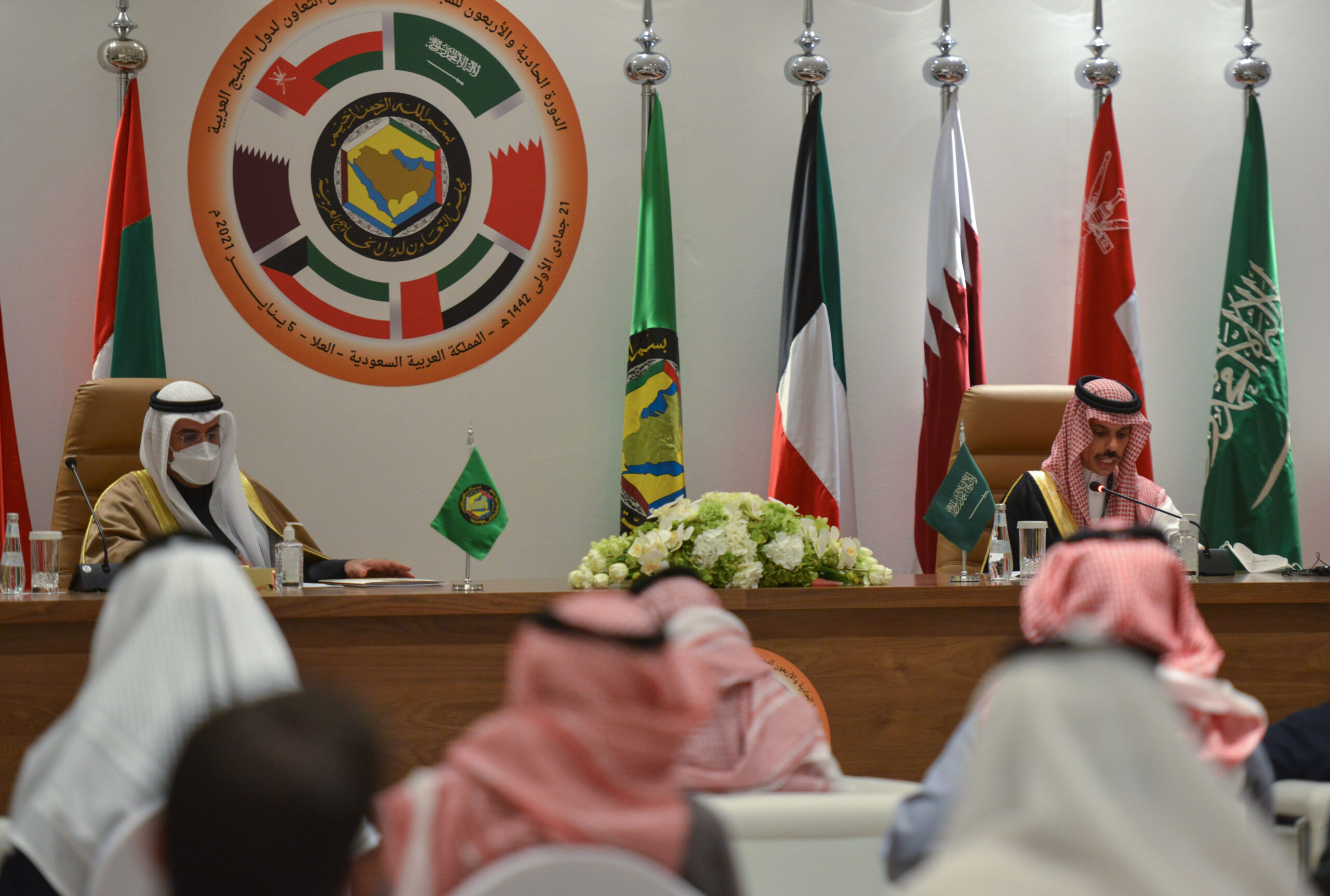
    The future of economic growth in the GCC is looking better than some analysts expected in the depths of the downturn in 2020. What may be different in this recovery compared to previous economic crises in the Gulf is a more limited fiscal policy space, and more variance among GCC countries in their ability to rebound with smart stimulus. As the global economic recovery now strengthens oil demand, taking advantage of this interim period of the global energy transition will mean accelerating government spending in areas where it can make a long-term impact on productivity growth and increased labor force participation among citizens in the private sector, especially women. Some governments will be able to accelerate productivity, including using highly skilled foreign labor and favorable long-term residency regimes, and others will be simply treading water to satisfy immediate demands of their populations.

    The Saudi-Emirati OPEC rift might be local, but the core dispute is global
    Simon Dawson/Bloomberg via Getty Images
  • Analysis
  • The Saudi-Emirati OPEC rift might be local, but the core dispute is global

    In spite of the growing political distance between Riyadh and Abu Dhabi, it was economic factors that played the key role in the UAE decision not to support the extension of the OPEC+ agreement until the end of 2022, thus putting on hold the cartel’s decision to increase production in the coming months. The OPEC+ agreement in place since December 2016 may have finally run its course. The medium term will see a changed landscape among oil producers, not just in the GCC, but globally as they compete for customers in emerging markets, the only place where oil demand is expected to increase after 2030, and as they attempt to transform their businesses across energy products. The national oil companies that can access capital, attract new investment, offload assets, and be nimble enough to grow across energy lines, whether it be hydrogen, solar, or even natural gas, will be the ones that thrive. Producers like Libya, Iraq, Iran, and even Russia and Saudi Arabia may be at a disadvantage in accessing new investment and pursuing transformation. The future of OPEC and its ancillary partners is one of intense competition and divergent time horizons for hydrocarbon exploitation.

    The coming US and Middle East energy collision
    Photo by Drew Angerer/Getty Images
  • Analysis
  • The coming US and Middle East energy collision

    The Biden administration’s goals in climate policy, renewable energy infrastructure investment both domestically and globally (the Build Back Better World, or B3W, initiative), and its Middle East policy may be on the verge of a collision. While the administration would like to dial back its engagement in the Middle East at least militarily, the region will be essential to meeting U.S. foreign and domestic energy goals.

    Lessons Learned for Baghdad & Erbil From the GCC
  • Commentary
  • Lessons Learned for Baghdad & Erbil From the GCC

    In this policy paper, Dr. Karen E. Youngsets out to delineate and compare economic diversification efforts underway in the GCC that might prove useful in the Iraqi context, for the state as a whole, and measures that might be adopted in the context of the Kurdistan region.