Meetings between heads of state are always significant. However, such summits can vary in purpose, appearance, and outcomes. Some, such as a gathering of NATO leaders, are meant to revive a sense of common purpose and iron out inevitable tensions among allies. Others, such as an America-China summit, are meant to find common ground and manage conflict in an adversarial relationship. Others can rebuild relationships tattered by past differences, such as when Pakistani leaders visit Washington. For professional diplomats, in some ways the best kind of summit — because the least risky — are those in which two like-minded leaders meet as a culmination of achievements reached together and agreement on the course ahead. The meeting between Presidents Trump and Aoun will be of that nature.
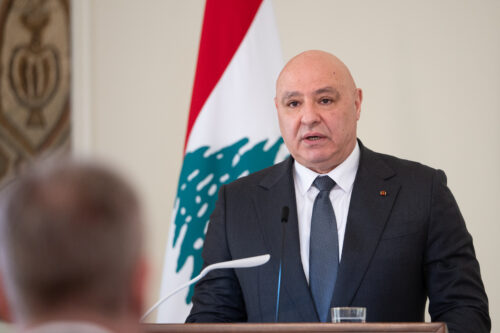
Photo by Markus Lenhardt/picture alliance via Getty Images
The Middle East Institute (MEI) is an independent, non-partisan, not-for-profit, educational organization. It does not engage in advocacy and its scholars’ opinions are their own. MEI welcomes financial donations, but retains sole editorial control over its work and its publications reflect only the authors’ views. For a listing of MEI donors, please click here.