In Washington, the latest speculation is that Iran is deeply divided, perhaps too divided to make a serious diplomatic decision in the standoff with the Trump administration. The argument is familiar: one faction wants a deal with the United States, another wants confrontation, and the regime is trapped between them. It is a tempting reading, but far too simple.
Iran’s ruling elite is divided, but not in the way many outside observers imagine. There is no fundamental split over the need to reduce pressure if a credible diplomatic opening becomes available. Across much of the regime, there is recognition that the country’s economic situation is fragile, that sanctions are biting, and that an agreement with Washington would be welcome under the right optics. Having said that, division doesexist, but it’s mostly over how much to compromise, how fast to move, and how to prevent any potential agreement with the United States from looking like a surrender.
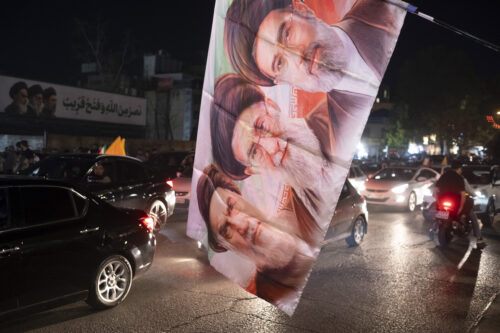
Photo by Morteza Nikoubazl/NurPhoto via Getty Images
The Middle East Institute (MEI) is an independent, non-partisan, not-for-profit, educational organization. It does not engage in advocacy and its scholars’ opinions are their own. MEI welcomes financial donations, but retains sole editorial control over its work and its publications reflect only the authors’ views. For a listing of MEI donors, please click here.