Iran-Backed Shiite Militias Ready to Take West Mosul
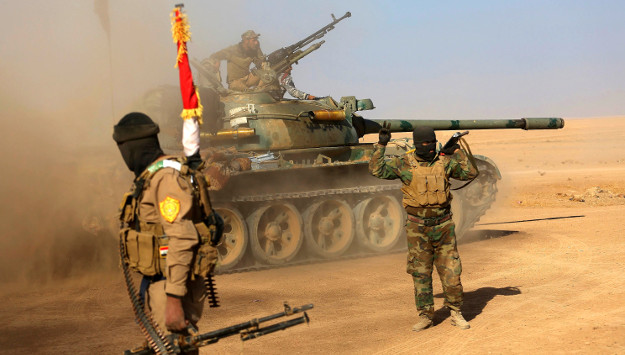
Fars News, an outlet affiliated with Iran’s Islamic Revolution Guards Corps (I.R.G.C.), has published an interview with the spokesperson of the Hashd al-Shaabi (Popular Mobilization Force), on the question of the military campaign to free the Iraqi city of Mosul from the Islamic State. Ahmad al-Assadi, the spokesperson of the Shiite-dominated Iraqi paramilitary organization, claimed in the interview that the next phase of operations to liberate west of Mosul from the Islamic State is underway.
Iranian Officials React Angrily to Trump’s Visa Ban
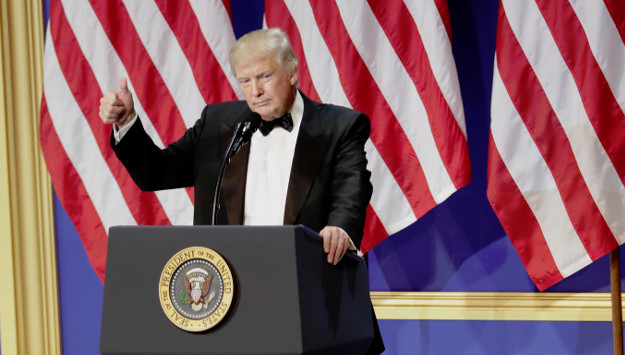
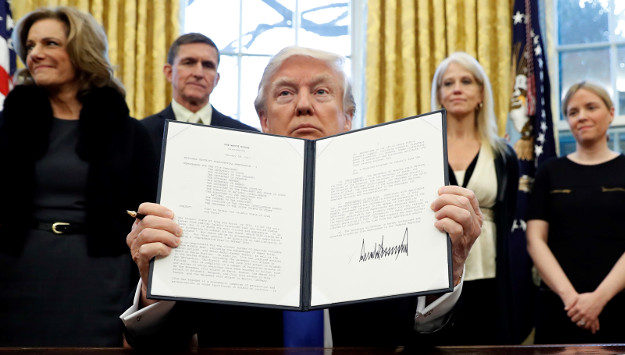
Iranian officials and state-run media have reacted angrily to President Donald Trump’s executive order that bans the entry of the citizens of Iran and six other Muslim-majority countries.
IRGC-Controlled Media Continue to Glorify Iraqi Shiite Militias
Tasnim News, an outlet that is affiliated with Iran’s Islamic Revolution Guards Corps (IRGC), has published a rare video footage of its correspondent’s account of Shiite militia operations in Iraq. In what the outlet calls “exclusive” video, the correspondent is seen accompanying fighters from Hashd al-Shaabi (Popular Mobilization Force) in the battle for Mosul against fighters from the Islamic State.
Warning about US Attempts to Attack Iran via Cyberspace
Brigadier General Gholam Reza Jalali, the head of Iran’s Civil Defense Organization, warned on January 29 that Tehran’s foreign adversaries are increasingly tapping into “social media and personal smart phones to carry out espionage operations against people.” According to Jalali, the latest smart phone technologies are so sophisticated that unsuspecting citizens in Iran can become collectors of information for foreign intelligence services.
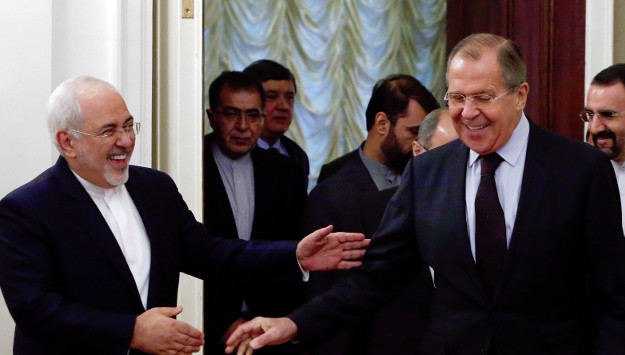
Iranian media quoted Foreign Minister Javad Zarif as stating that Iran and Russia “need to have far more extensive relations” and that “few countries in the world have as deep and historical relations as Iran and Russia.” Zarif’s unusually warm remarks about Russia were delivered on the occasion of 515 years of Iranian-Russian ties. Zarif was quick to point out that closer cooperation between Iran and Russia will be a major stabilizing factor for the future of the Middle East and Central Asia.
Iran, North Korea Call for Closer Partnership to “Resist” US
Iranian and North Korean officials have discussed ways to strengthen bilateral ties and jointly “resist” the United States and its allies, the Iranian media reports.
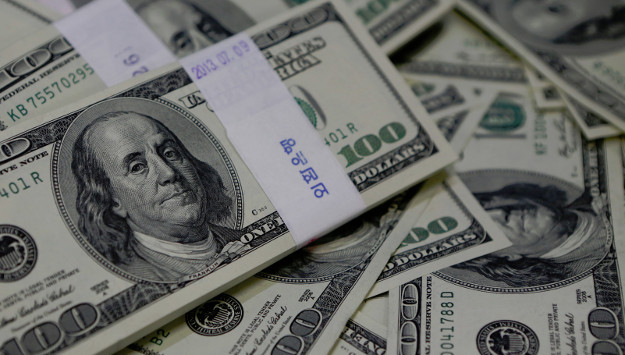
The head of the Iranian Central Bank, Valiollah Seif, has announced that Iran will stop using the American dollar as its currency of choice in its financial and foreign exchange reports from the new Iranian fiscal year that begins in March 2017. According to Iranian press reports, Tehran might opt to use the euro instead.
Top Iran Envoy Meets Khamenei’s Special Representative in Syria
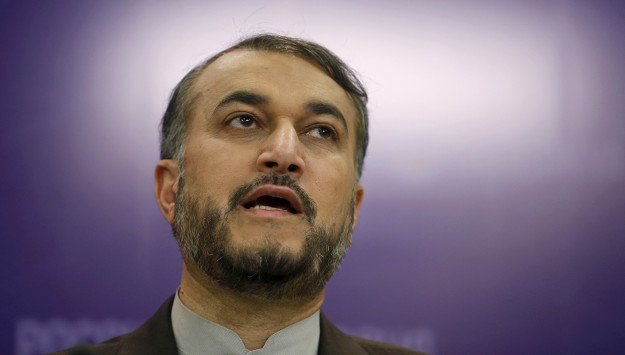
On January 27, Iranian media reported that top Iranian envoy, Hossein Amir Abdollahian, who visited Damascus this week, also met the Iranian supreme leader’s special representative to Syria, Abolfazl Tabatabai Ashkezari. Ashkezari was appointed by the personal decree of Khamenei in March 2016. He has been living in Syria since.
Sudanese President’s Remarks Draw Angry Reactions in Iran
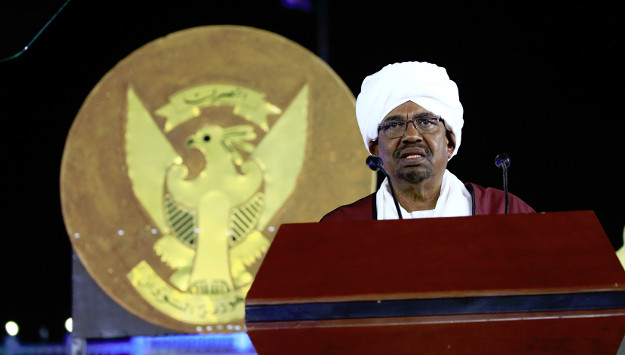
The Iranian media has reacted angrily to the Sudanese president’s yesterday remarks that Tehran is destabilizing the Middle East and North Africa and “spreading Shiism” in Sudan and throughout the region.
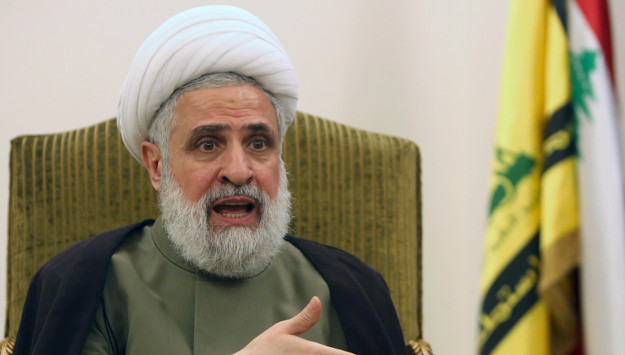
Hezbollah Deputy Leader Expresses Gratitude to Iran and Syria
The deputy head of Lebanon’s Hezbollah organization, Naim Qassem, has again come out to remind a skeptical Lebanese population about reasons why the militant group has intervened in the Syrian conflict. According to Qassem, Hezbollah’s approach is “non-interference in the affairs of other countries” but
Top photo:
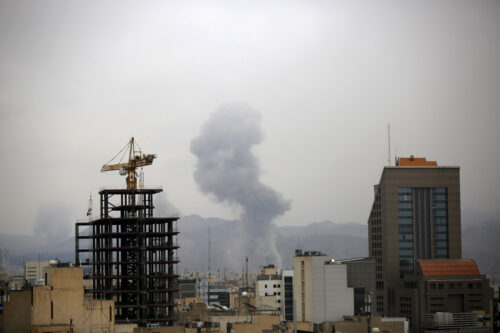
TEHRAN, IRAN – MARCH 10: Smoke rises among the residential buildings following an Israeli attack on Tehran, Iran on March 10, 2026. (Photo by Fatemeh Bahrami/Anadolu via Getty Images)