Regional Reactions to the Iran War
Latest on the Iran War
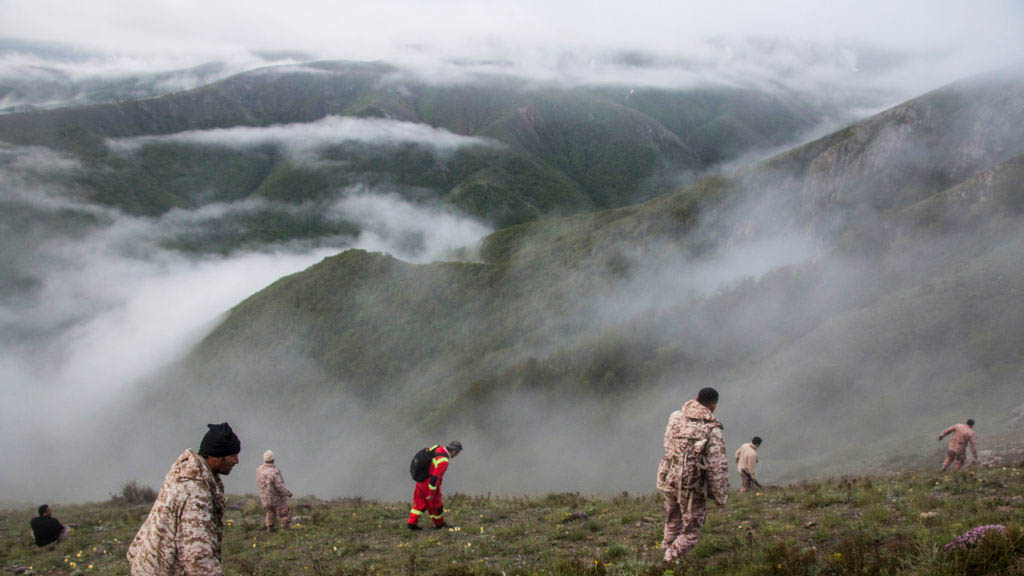
Monday Briefing – Death of a president: Short-term stability in Iran could give way to a politically unpredictable intra-hardline feud
Read MEI’s weekly briefing featuring expert analysis of key regional developments for the week ahead.
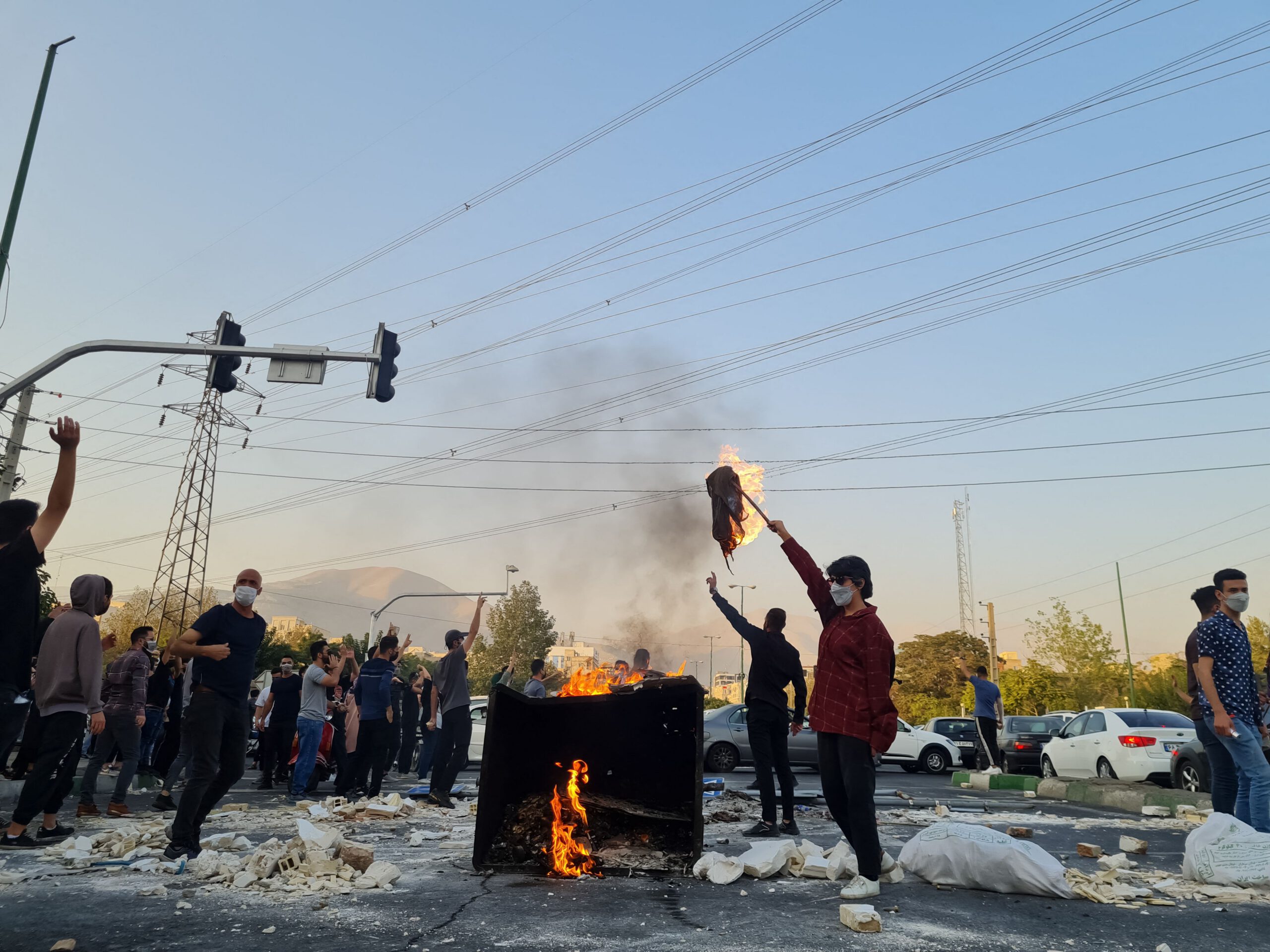
US Policy on Iran: Examining the Opportunities to Build a New Bipartisan Strategy
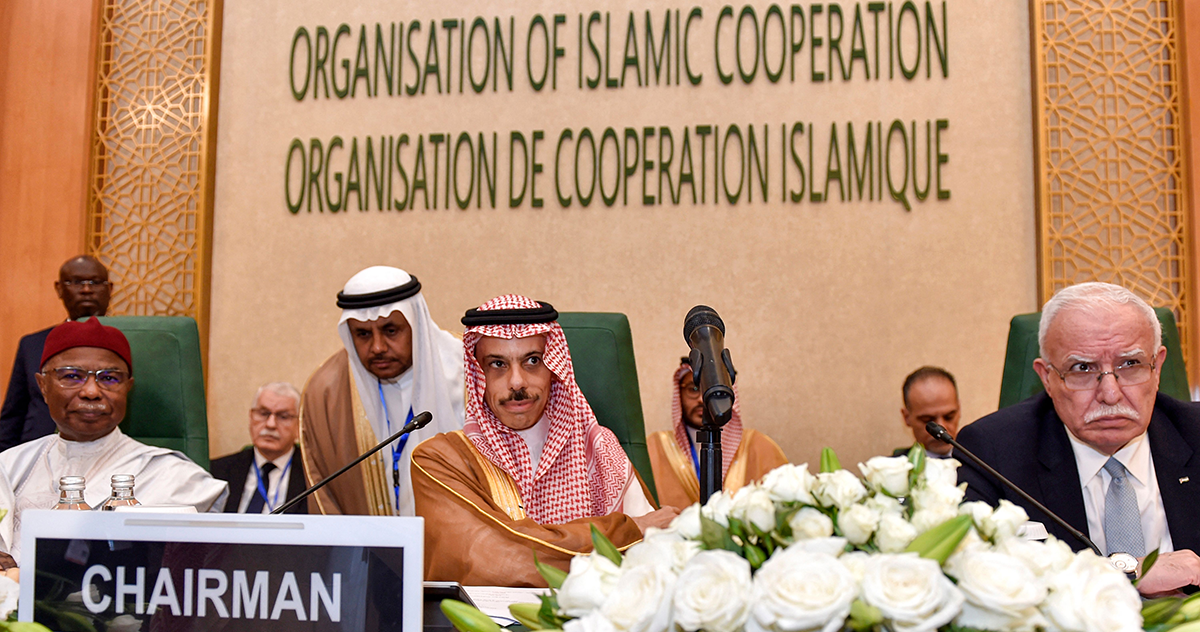
Riyadh and Tehran use OIC to mend ties, but its sway is limited
A year after the restoration of diplomatic relations between Saudi Arabia and Iran, the two countries are working to ease regional tensions in the Middle East in exchange for promises of improved bilateral cooperation. But strains persist in the relationship between Riyadh and Tehran, and the two capitals are using the Saudi-based Organization of Islamic Cooperation, which includes members from 57 Muslim countries, to try to bridge their differences.
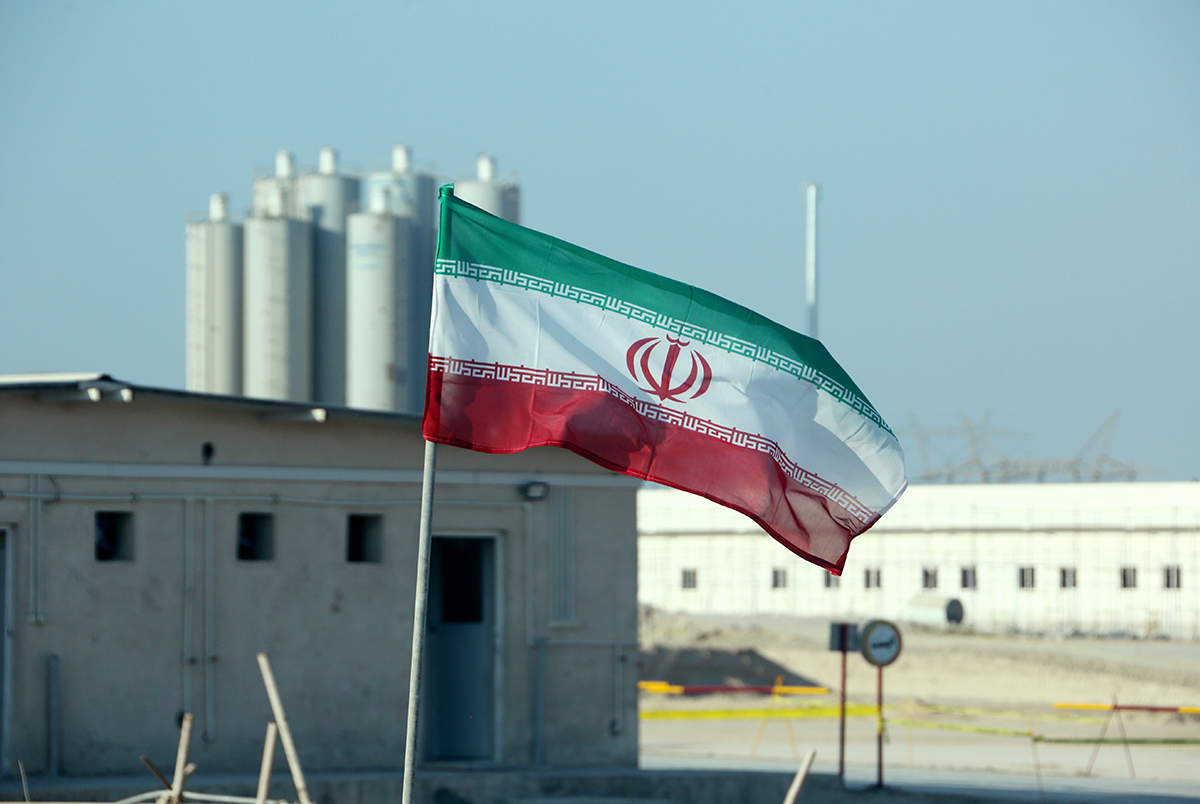
Iran’s new nuclear policy between deterrence and pragmatism
The recent escalation in tensions between Israel and Iran has sparked concerns about a potential shift in Tehran’s strategy toward full weaponization of its nuclear program. Under the current circumstances though, maintaining its status as a threshold nuclear power is likely to be Iran’s chosen strategy, in line with its broader shift from strategic patience to active deterrence.
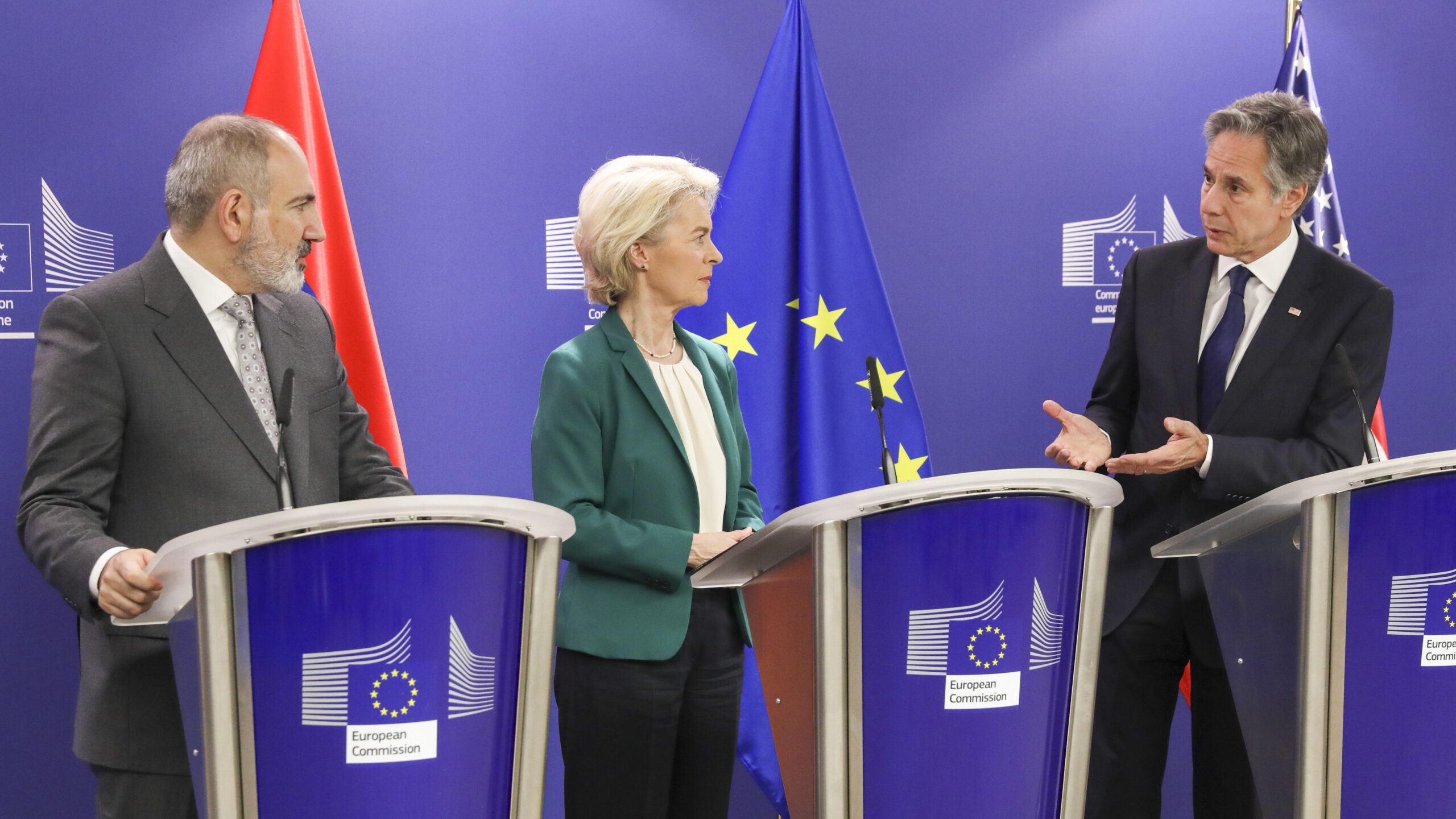
As Armenia gradually reorients toward the West, Azerbaijan faces its own geopolitical choice
In early April, a highly publicized trilateral meeting involving the United States, the European Union, and Armenia was widely believed to mark a turning point in Yerevan’s relationship with the West. If it comes to pass, it will present Baku with its own critical decision: whether to abandon multi-vectorism and more fully align with Russia or the West.
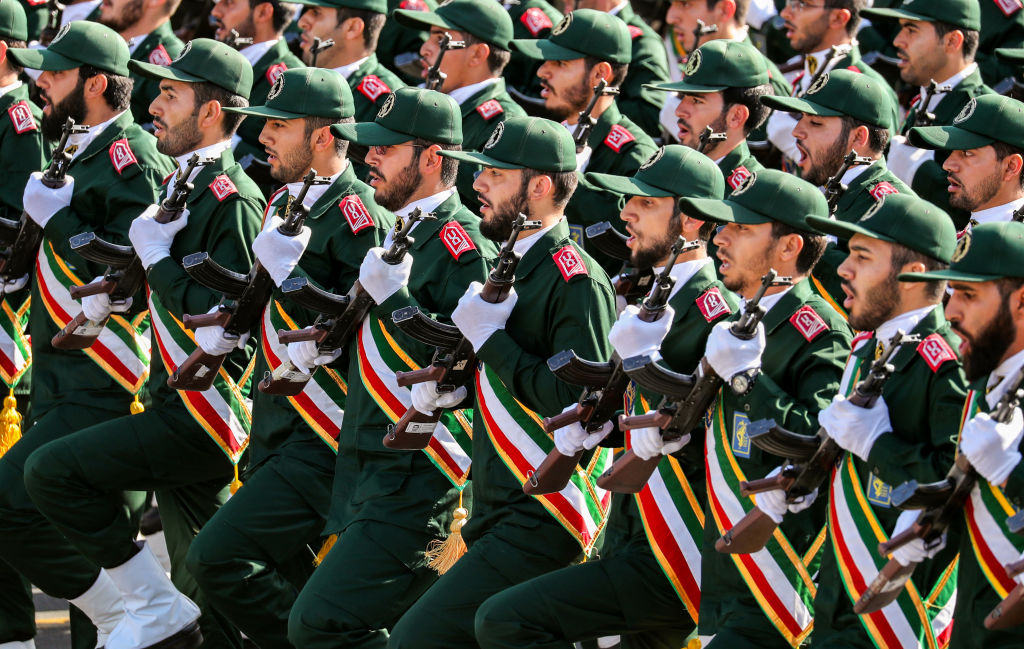
“The IRGC has become a multi-headed dragon”: A conversation with Mohsen Sazegara about the IRGC’s emergence and evolution
This month marks the 45th anniversary of the founding of Iran’s Islamic Revolutionary Guard Corps (IRGC). Mohsen Sazegara, a non-resident scholar with MEI’s Iran Program, was one of the group’s founders and a member of its first board of commanders. He later became a journalist and a reformist political activist. He was arrested and imprisoned four times before ultimately leaving Iran. He was interviewed by MEI in early May.

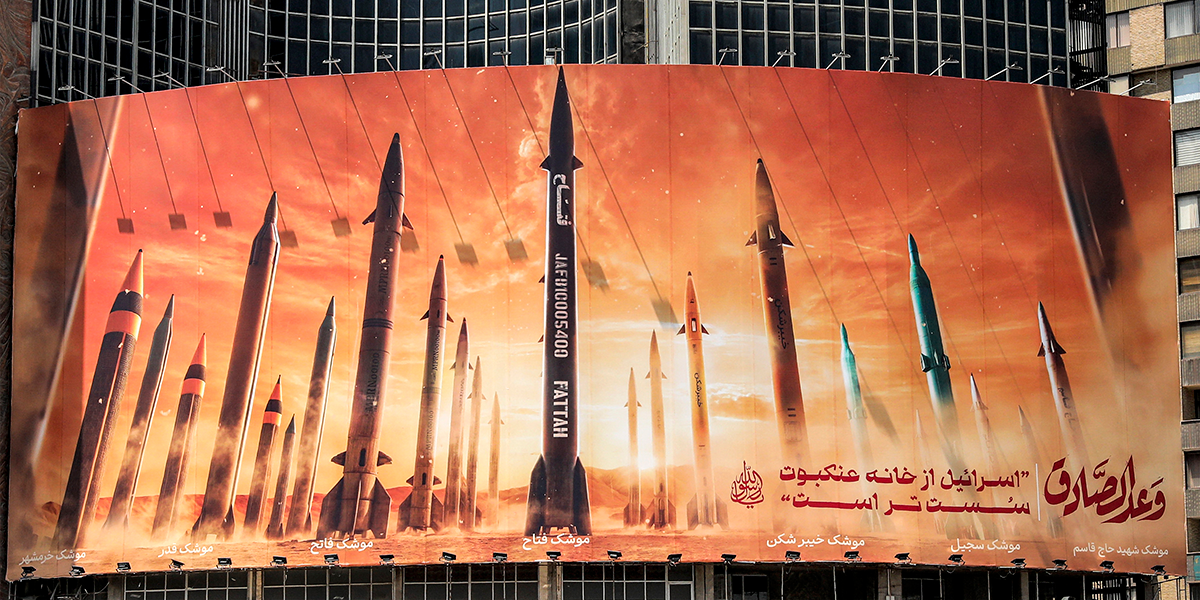
It’s time for Tehran to take a cold, hard look at its proxy strategy
The recent blow-for-blow strikes by Iran and Israel are bound to result in some introspection in Tehran. It is the first time since the launch of the “Axis of Resistance” some 20 years ago that Tehran has to choose whether it wants to center its entire national security strategy around the conflict with Israel. Going forward, Tehran could choose to handle this conflict through political and diplomatic means rather than via the Axis of Resistance.
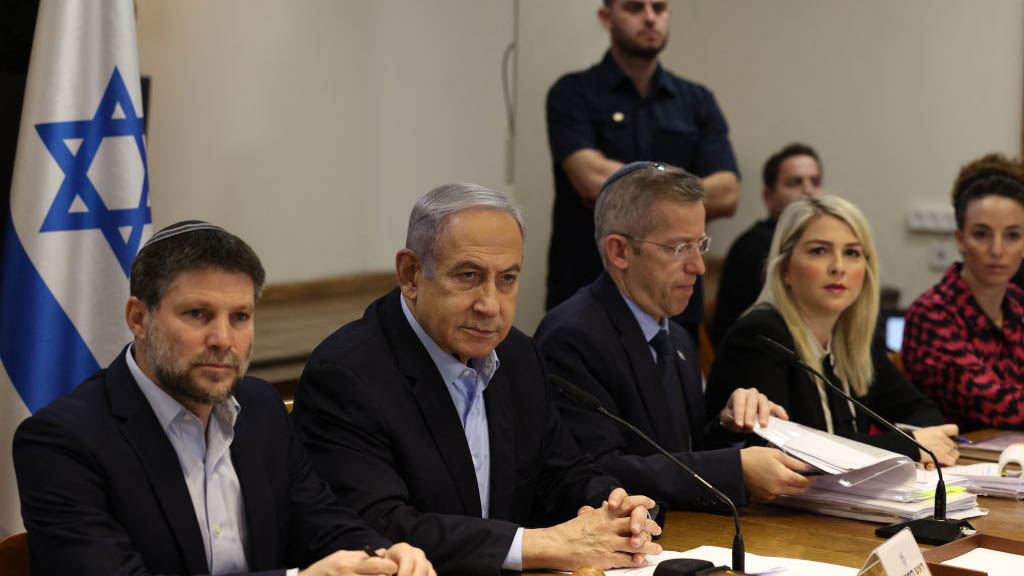
Monday Briefing: Political dynamics inside Israel make an imminent hostage deal problematic
Read MEI’s weekly briefing featuring expert analysis of key regional developments for the week ahead.
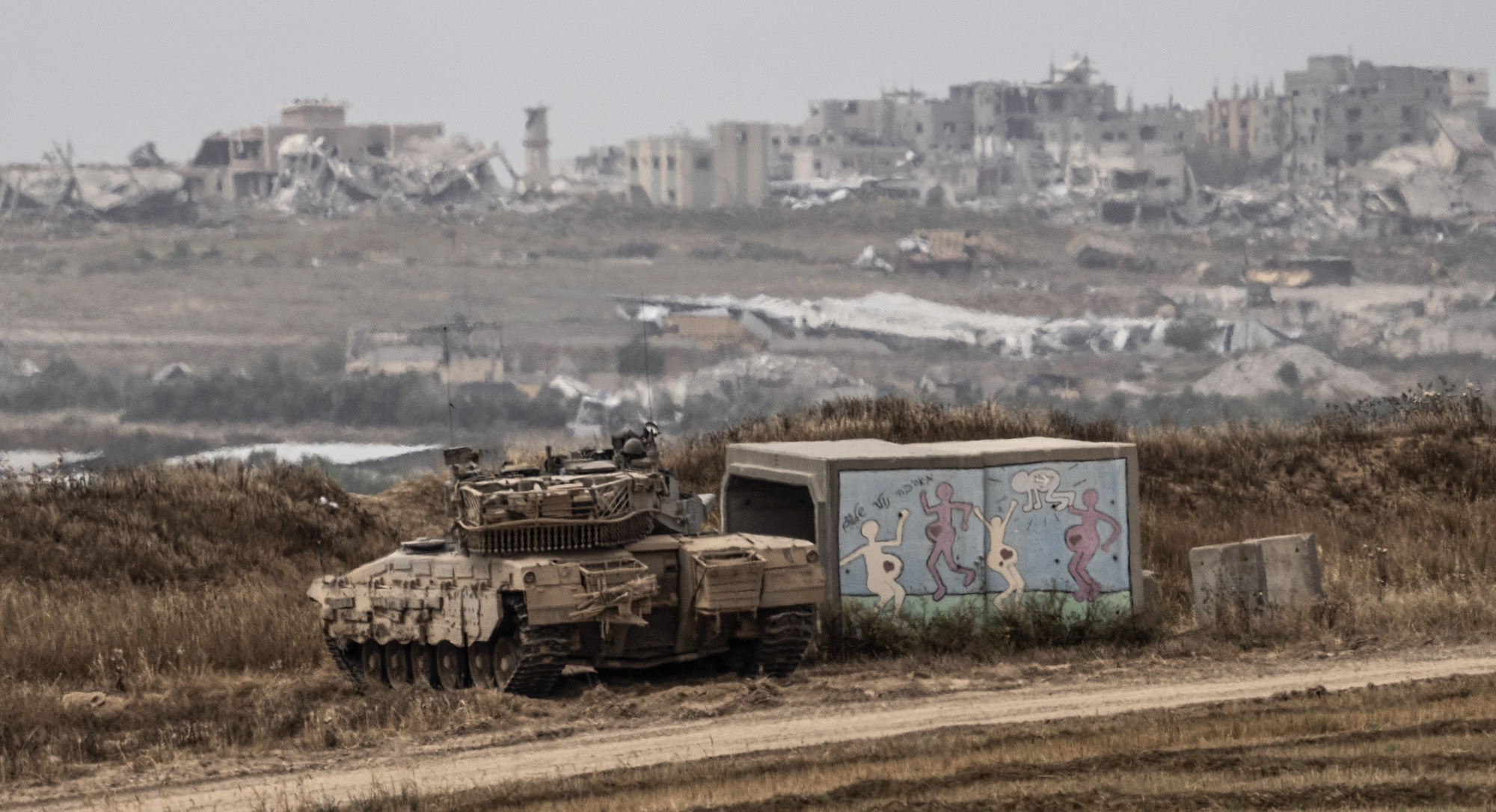
Regional escalations complicate stalled negotiations between Israel and Hamas
A version of this article first appeared as part of an Expert Views special feature on the new rules of the game in the Iranian-Israeli conflict.
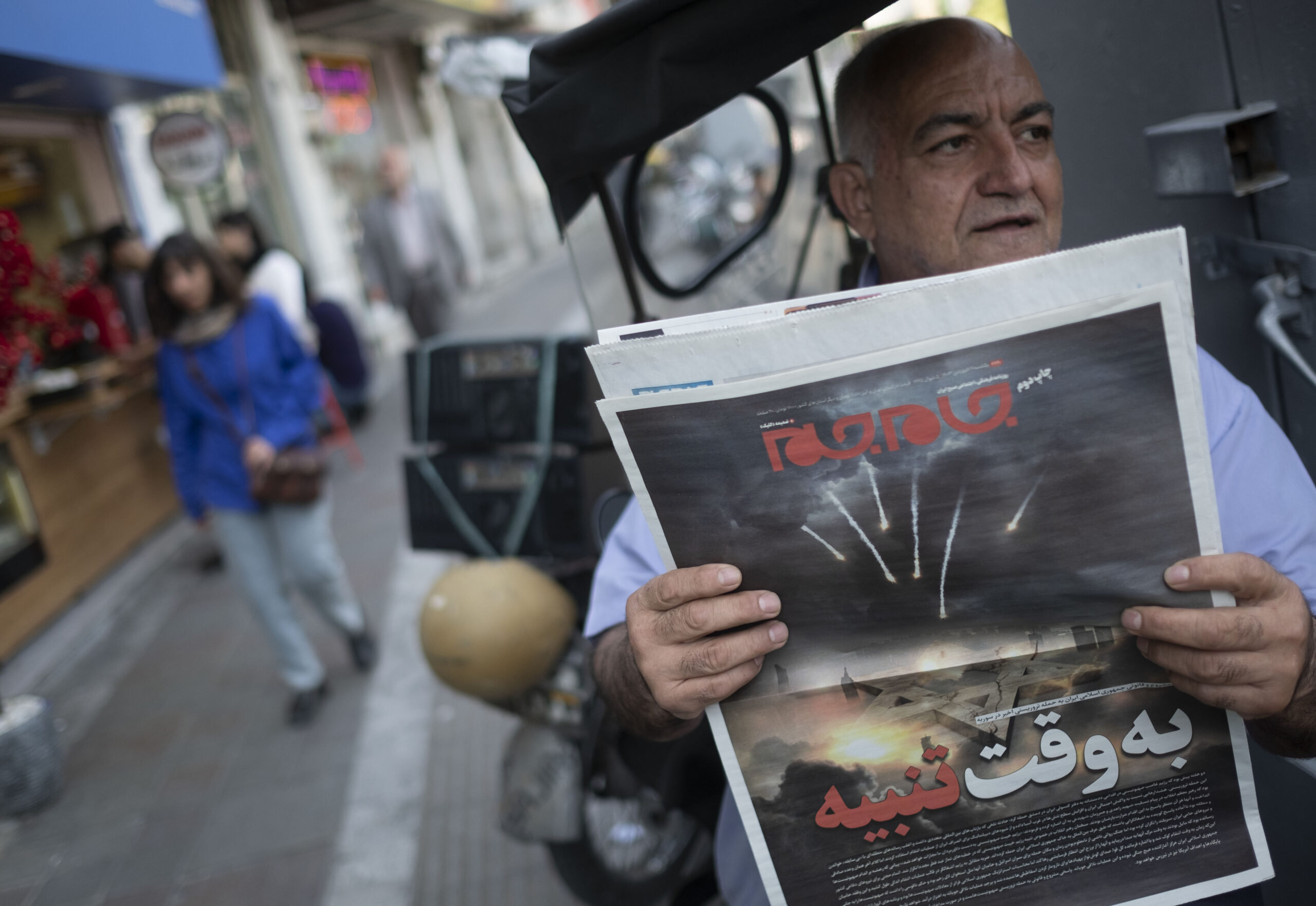
Expert Views: How should we navigate the new rules of the game in the Israel-Iran conflict?
The month of April saw a series of unprecedented escalations in the long-simmering Iranian-Israeli conflict, with both countries launching missile and drone attacks against the other’s territory for the first time in history.
In the wake of these strikes, what will be the impact on the regional security and political environment going forward, what is needed to stabilize the new rules of the game, and how can US diplomacy help to facilitate that process? MEI has asked its experts to weigh in.
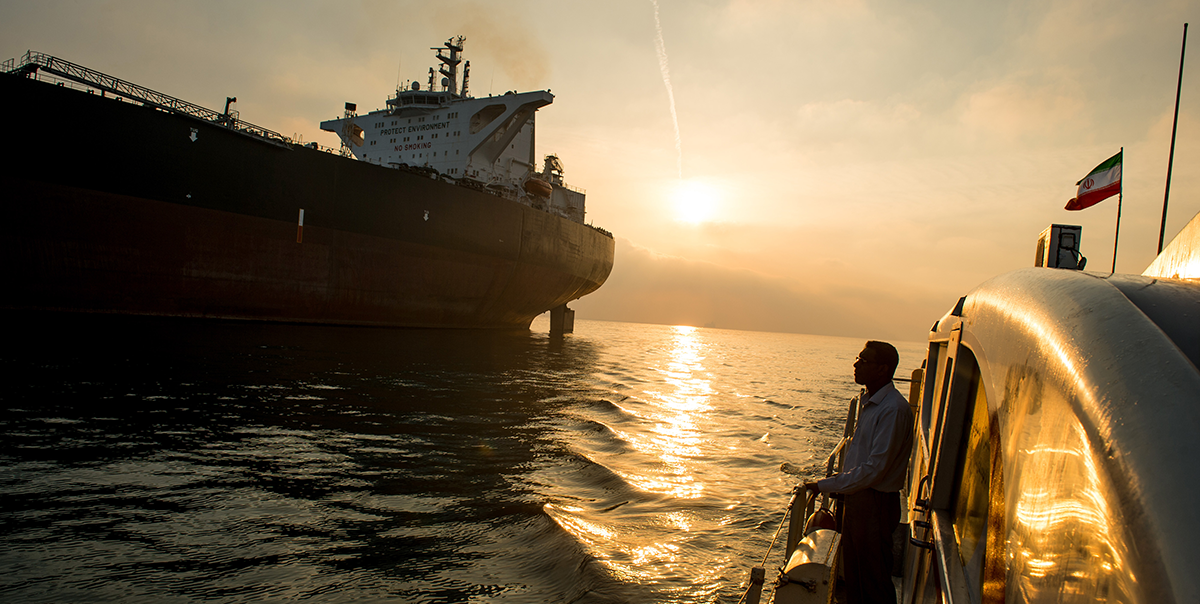
Despite new sanctions measures, targeting Iranian oil sales is a lose-lose proposition for the US
On April 21, the US House of Representatives passed the long-awaited aid package for Israel, Ukraine, and Taiwan. The legislation contained another long-sought-after measure: authority for the US government to tighten restrictions on Iran’s oil exports. But in truth, aggressive US action remains unlikely and there are powerful operational, strategic, and political barriers preventing the US from shutting down Iran’s oil trade or hindering it in a material way.
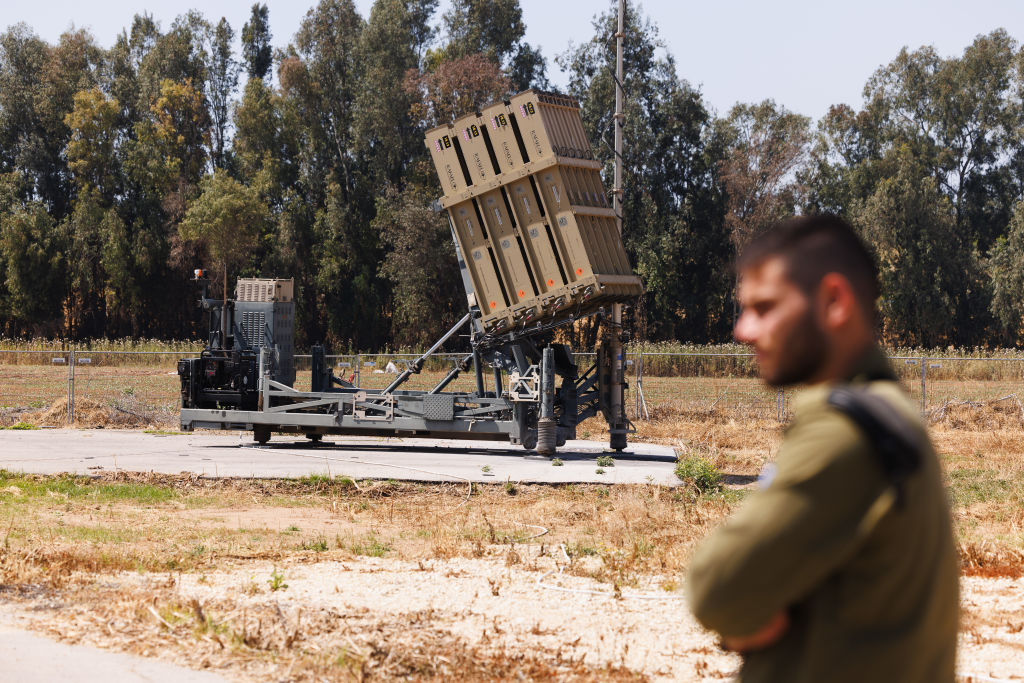
Monday Briefing: In the Israel-Iran standoff, it’s not about direct deterrence
Read MEI’s weekly briefing featuring expert analysis of key regional developments for the week ahead.

The Geopolitical Implications of Iran’s Attack on Israel
Expert Coverage
To interview our experts please reach out to [email protected]

Top photo:
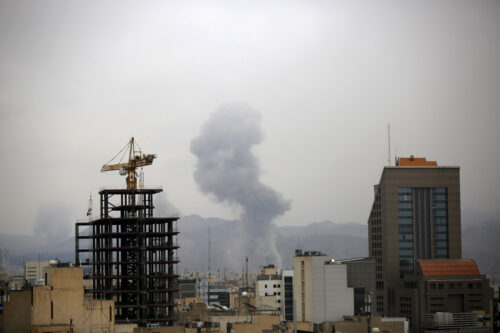
TEHRAN, IRAN – MARCH 10: Smoke rises among the residential buildings following an Israeli attack on Tehran, Iran on March 10, 2026. (Photo by Fatemeh Bahrami/Anadolu via Getty Images)