Skip to Content

Ahmad Majidyar

This individual is a guest contributor. MEI is not able to assist with contact requests.

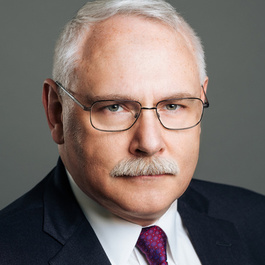
Ahmad Majidyar headshot

Ahmad Khalid Majidyar is a Middle East & South Asia analyst with a focus on Iran, Afghanistan and Pakistan. He was previously a senior fellow and the director of IranObserved Project at the Middle East Institute.

From 2008 to 2015, Majidyar worked as a senior research associate at the American Enterprise Institute (AEI), where he co-authored two monographs on Iran: Iranian Influence in the Levant, Egypt, Iraq and Afghanistan (AEI 2012), and The Shi’ites of the Middle East: An Iranian fifth column? (AEI 2014). He also published a number of research papers on Iran, Afghanistan and Pakistan.

As an instructor with the Naval Postgraduate School’s Leadership Development and Education for Sustained Peace program (2008-2016), Majidyar provided graduate-level seminars to more than 3,000 U.S. and NATO military leaders on Afghanistan and the broader region. In addition, he has provided briefings on Iran and Afghanistan at the Defense Intelligence Agency, the Joint IED Defeat Organization, the National Defense University, the State Department, and Congress; and he has spoken as a guest analyst at think tanks, universities, and world affairs councils.

Majidyar’s articles on Iran, Afghanistan and Pakistan have been published in Foreign Policy, The New York Times, Fareed Zakaria’s GPS, Fox News, U.S. News & World ReportDaily Telegraph, and Forbes, among others. He has also discussed Middle Eastern topics on the BBC, CNN, Al-Jazeera English, Sky News, CBC Canada, Bloomberg News and Voice of America’s Dari, Farsi, Urdu and English services.

Previously, Majidyar worked as a media analyst with the BBC Monitoring in Afghanistan and as a humanitarian aid worker with the UNHCR in Pakistan.
The Latest from Ahmad Majidyar

Filter by
990 Results
Iran and Afghanistan at loggerheads over water
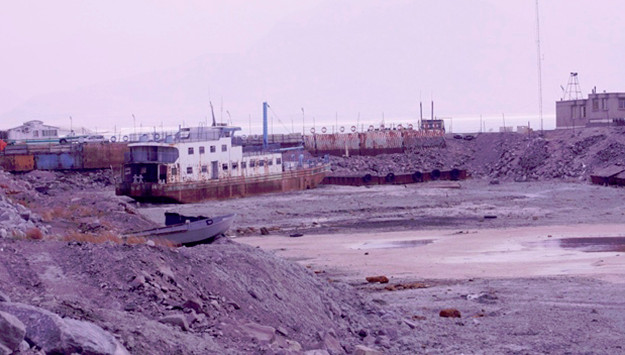
Dry harbor on Lake Urmia
  • Analysis
  • Iran and Afghanistan at loggerheads over water

    Tension between Iran and neighboring Afghanistan over water rights has reached new heights as declining rainfall, prolonged droughts, and mismanagement of water resources have severely affected agricultural production, food security and availability of drinking water in both countries. Tehran has warned of retaliatory actions if Kabul does not allow sufficient water into Iran’s water-stressed southeastern region, while Afghan officials accuse Iran’s Revolutionary Guards of aiding Taliban militants to sabotage dam projects in southern and western Afghanistan.

    July 20, 2018

    Iran and Pakistan agree to bolster defense ties and jointly produce military hardware
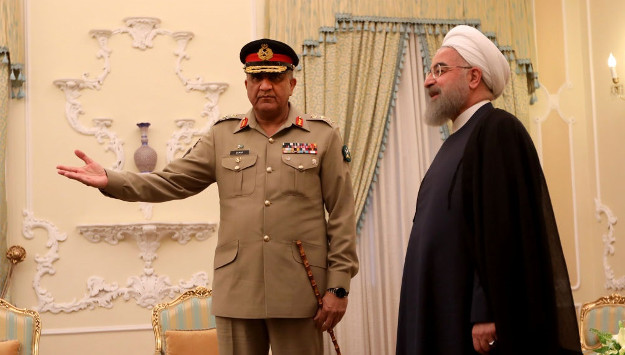
    Iranian President President Hassan Rouhani (R) met Pakistani Army Chief General Qamar Javed Bajwa in Tehran
  • Analysis
  • Iran and Pakistan agree to bolster defense ties and jointly produce military hardware

    Iran and Pakistan have agreed to boost defense ties, enhance cooperation on border security and regional issues, and jointly manufacture military hardware, Iranian and Pakistan media reported. The agreements came during a high-level visit to Pakistan this week by an Iranian military delegation led by Chief of Staff of the Armed Forces Mohammad Hossein Bagheri.

    July 20, 2018

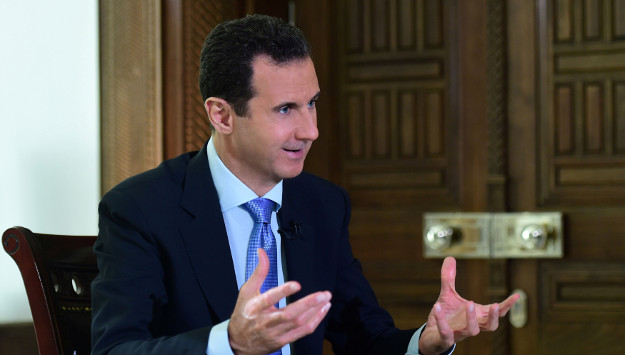
    Assad says Iran, like Russia, can set up military bases in Syria if needed
    Syria's President Assad
  • Analysis
  • Assad says Iran, like Russia, can set up military bases in Syria if needed

    In an interview with a state-run Iranian TV channel, Syrian President Bashar al-Assad said that the evolving dynamics in southern and northern Syria would not alter “strategic” relations between Damascus and Tehran and emphasized that his government would be open to permitting Iran to establish military bases on the Syrian soil if needed. “After the liberation of Ghouta, a plan to advance toward southern Syria was discussed.

    June 22, 2018

    Europe has little wiggle room to keep Iran deal alive | Monday Briefing
  • Analysis
  • Europe has little wiggle room to keep Iran deal alive | Monday Briefing

    In this week’s Monday Briefing, MEI experts Ahmad Majidyar, Alex Vatanka, Jean-François Seznec, Gerald Feierstein, Marvin G. Weinbaum, Gonul Tol, and Randa Slim provide analysis on recent and upcoming events including Europe’s scramble to salvage the Iran nuclear deal following the U.S. withdrawal, Iran’s response to Russia’s call for all foreign forces to leave Syria, a meeting by Saudi Arabia, the UAE and Russia to discuss the impact of new U.S. sanctions on Iran, the arrest of women’s rights activists in Saudi Arabia, new political tensions in Pakistan, a push in the U.S.

    Muqtada al-Sadr’s victory in Iraqi elections raises alarm in Tehran
    Middle East Institute
  • Analysis
  • Muqtada al-Sadr’s victory in Iraqi elections raises alarm in Tehran

    Firebrand Shiite cleric Muqtada al-Sadr’s surprising lead in Iraq’s May 12 parliamentary elections has raised alarm in Tehran. The Iranian press expressed the concern that Sadr would seek to undercut the Islamic Republic’s influence in Iraq by marginalizing Iran’s allies and allowing regional Sunni countries, particularly Saudi Arabia, to make inroads into Iraqi politics and economy at the expense of Tehran’s interests.

    May 21, 2018

    Tehran rejects Putin’s call for troop withdrawal from Syria
    Middle East Institute
  • Analysis
  • Tehran rejects Putin’s call for troop withdrawal from Syria

    Iran’s Foreign Ministry today rejected a call by Russian President Vladimir Putin that all foreign troops should leave Syria after intra-Syrian peace process begins, the Iranian media reported. No one can force Iran to do anything. Iran is an independent country, which determines its own policies. “Iran’s presence is based on the Syrian government’s invitation, and its objective is to fight terrorism and defend Syria’s territorial integrity,” Foreign Ministry Spokesman Bahram Qassemi said at a press briefing in Tehran.

    May 21, 2018

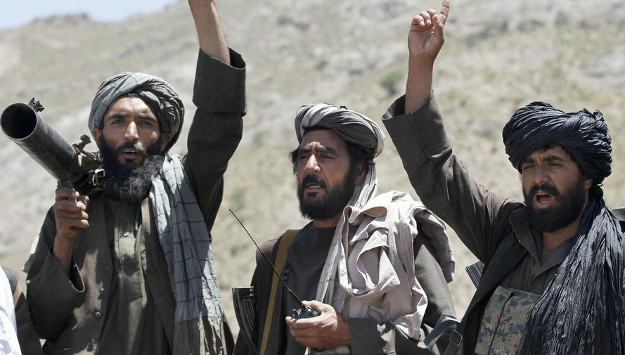
    Afghans blame Iran and Pakistan for Taliban’s rapid gains in Farah Province
  • Analysis
  • Afghans blame Iran and Pakistan for Taliban’s rapid gains in Farah Province

    With Afghanistan’s western Farah Province on the verge of falling to the Taliban, Afghan officials and tribal leaders in the province accuse neighboring Iran and Pakistan of aiding the insurgents for political and economic ends.

    May 15, 2018

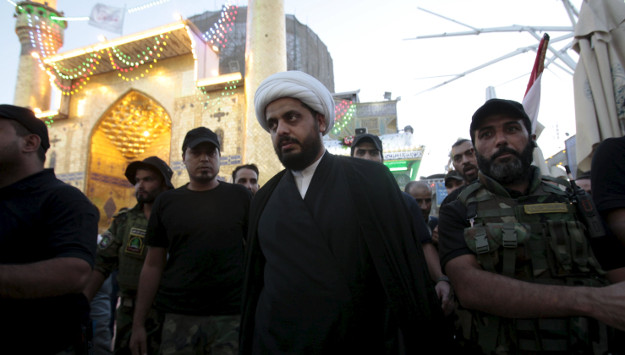
    Iran’s militia allies in Iraq eye election victory to consolidate gains, expel US
  • Analysis
  • Iran’s militia allies in Iraq eye election victory to consolidate gains, expel US

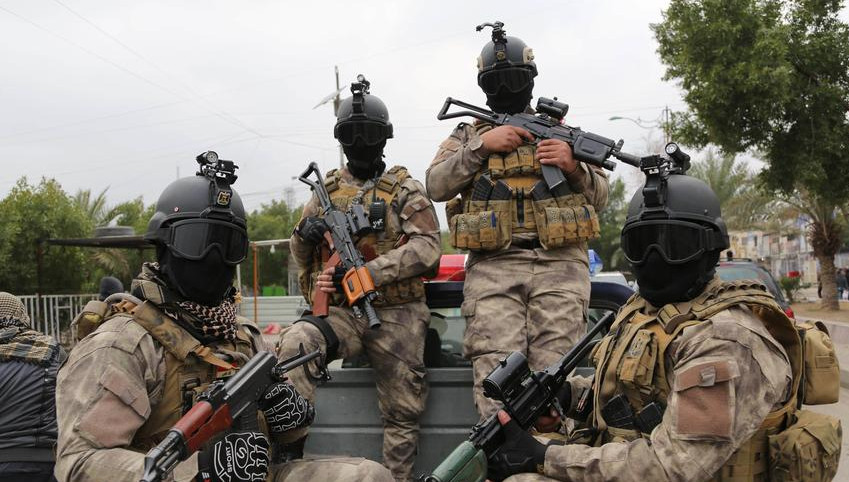
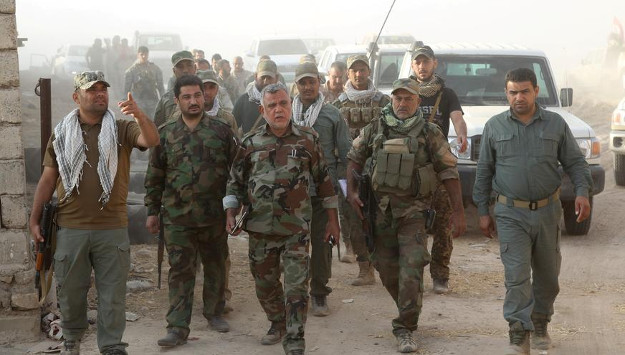
    As Iraqis are heading to the polls on Saturday to vote in the country’s parliamentary elections, the Fateh Alliance, a coalition dominated by Iranian-backed militia groups, is confident that it will win sufficient parliamentary seats to choose the country’s next prime minister. Abu Ala al-Wa’eli, the commander of Kata’ib Sayyid al-Shuhada, a militia unit within the Popular Mobilization Force (PMF) and part of the Fateh Alliance, said the alliance has not nominated anyone to become the next prime minister but will play the kingmaker in the post-election government formation process.

    May 11, 2018

    Special briefing: The far-reaching impacts of Trump's withdrawal from the Iran nuclear deal
  • Analysis
  • Special briefing: The far-reaching impacts of Trump's withdrawal from the Iran nuclear deal

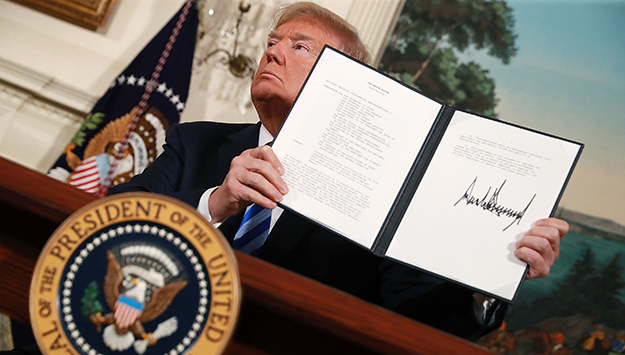
    In this special briefing, MEI experts Bilal Y. Saab, Alex Vatanka, Randa Slim, Ahmad Majidyar, Gerald Feierstein, Gonul Tol, and Marvin G. Weinbaum discuss President Trump’s announcement that the United States will withdraw from the Iran nuclear deal and its ramifications for the region.

    Rouhani rejects JCPOA renegotiation, hints Tehran may remain in deal without US
  • Analysis
  • Rouhani rejects JCPOA renegotiation, hints Tehran may remain in deal without US

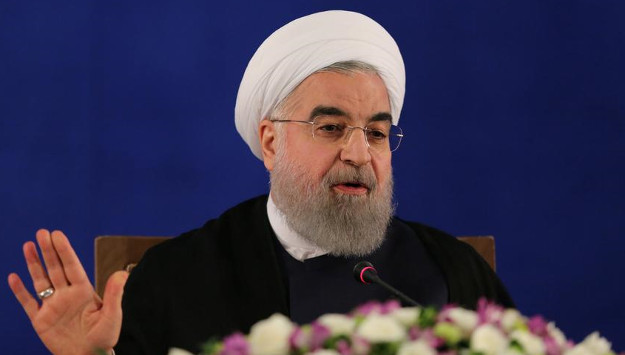
    In contrast to bellicose statements from Tehran in recent days, Iranian President Hassan Rouhani said today that Tehran would remain in the 2015 nuclear accord, even if the Trump administration abandoned it. But he said Tehran would stick to the deal only if other signatories of the deal assure Tehran that the Islamic Republic will continue to benefit from the Joint Comprehensive Plan of Action.

    May 7, 2018