Skip to Content

Ahmad Majidyar

This individual is a guest contributor. MEI is not able to assist with contact requests.

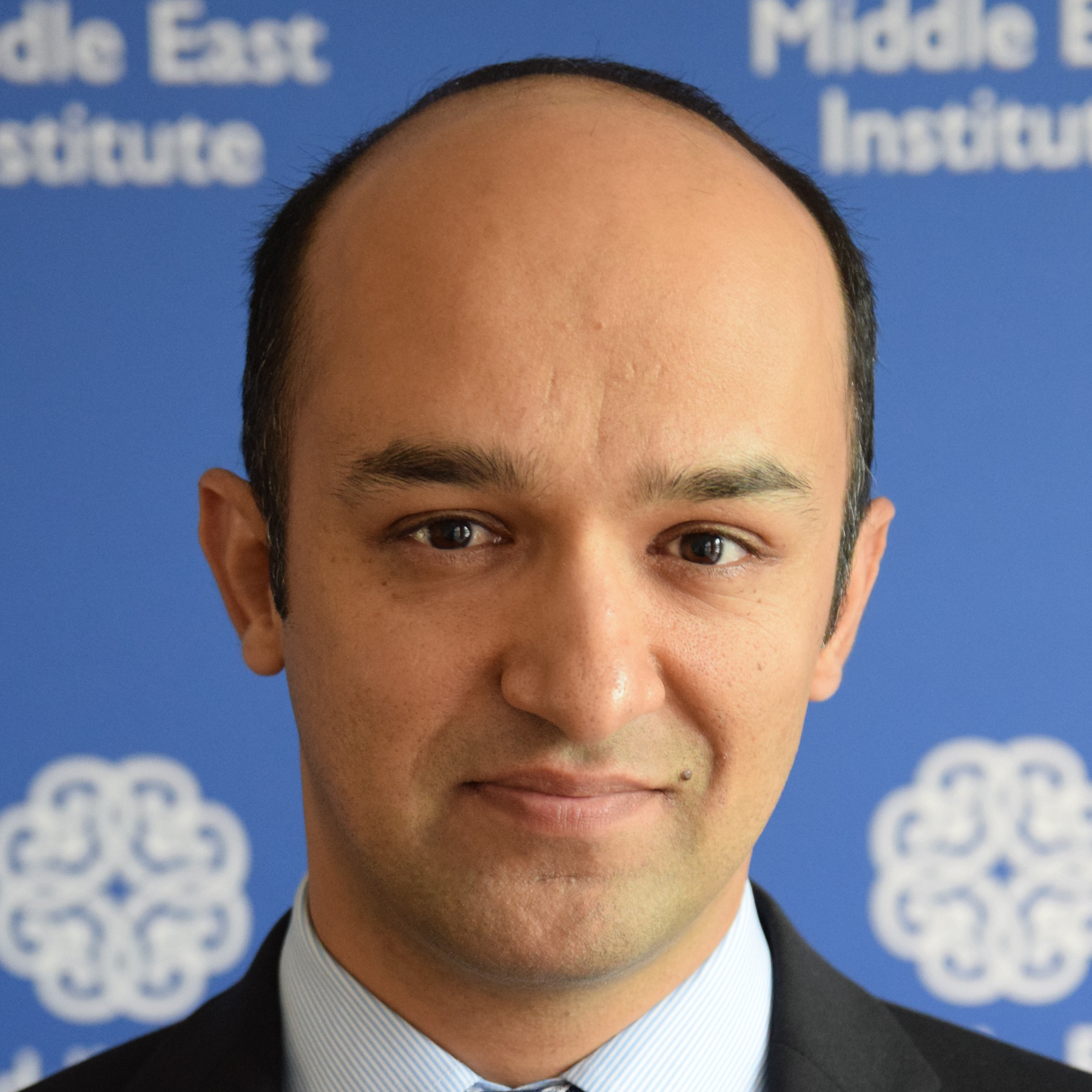
Ahmad Majidyar headshot

Ahmad Khalid Majidyar is a Middle East & South Asia analyst with a focus on Iran, Afghanistan and Pakistan. He was previously a senior fellow and the director of IranObserved Project at the Middle East Institute.

From 2008 to 2015, Majidyar worked as a senior research associate at the American Enterprise Institute (AEI), where he co-authored two monographs on Iran: Iranian Influence in the Levant, Egypt, Iraq and Afghanistan (AEI 2012), and The Shi’ites of the Middle East: An Iranian fifth column? (AEI 2014). He also published a number of research papers on Iran, Afghanistan and Pakistan.

As an instructor with the Naval Postgraduate School’s Leadership Development and Education for Sustained Peace program (2008-2016), Majidyar provided graduate-level seminars to more than 3,000 U.S. and NATO military leaders on Afghanistan and the broader region. In addition, he has provided briefings on Iran and Afghanistan at the Defense Intelligence Agency, the Joint IED Defeat Organization, the National Defense University, the State Department, and Congress; and he has spoken as a guest analyst at think tanks, universities, and world affairs councils.

Majidyar’s articles on Iran, Afghanistan and Pakistan have been published in Foreign Policy, The New York Times, Fareed Zakaria’s GPS, Fox News, U.S. News & World ReportDaily Telegraph, and Forbes, among others. He has also discussed Middle Eastern topics on the BBC, CNN, Al-Jazeera English, Sky News, CBC Canada, Bloomberg News and Voice of America’s Dari, Farsi, Urdu and English services.

Previously, Majidyar worked as a media analyst with the BBC Monitoring in Afghanistan and as a humanitarian aid worker with the UNHCR in Pakistan.
The Latest from Ahmad Majidyar

Filter by
990 Results
Iran’s Foreign Ministry Rejects Allegations of Deal with U.S. over General Soleimani
  • Analysis
  • Iran’s Foreign Ministry Rejects Allegations of Deal with U.S. over General Soleimani

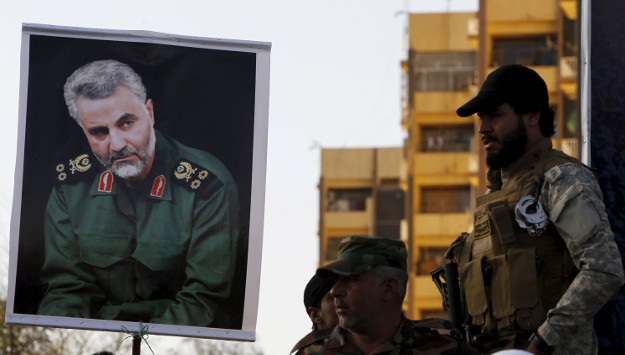
    Iranian Foreign Ministry Spokesman Bahram Ghassemi today reacted angrily to allegations by a former Iranian parliamentarian that Foreign Minister Javad Zarif had struck a deal to hand over Iran’s Quds Force Commander Qassem Soleimani to the United States in return for removing banking sanctions against Iran.

    June 1, 2017

    I.R.G.C. Outlet Questions Iraqi President’s Participation in Riyadh Summit
  • Analysis
  • I.R.G.C. Outlet Questions Iraqi President’s Participation in Riyadh Summit

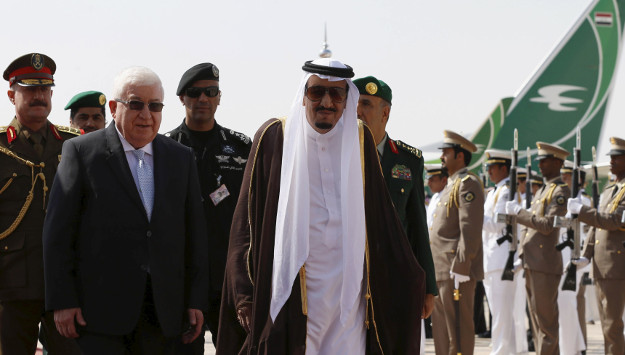
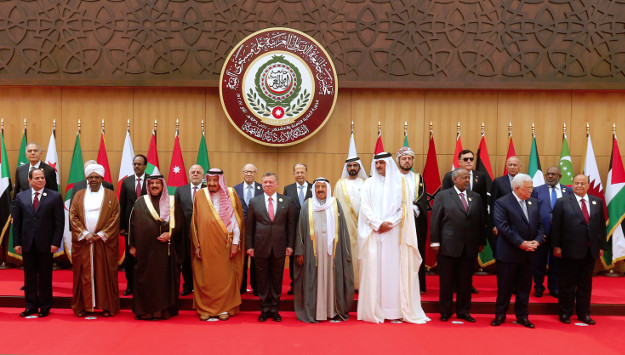
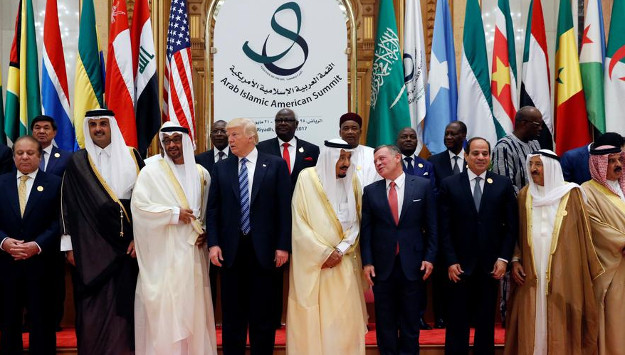
    The participation of the Iraqi delegation led by President Fuad Masum at the Riyadh summit has raised a lot of questions in Tehran. “Has Iraq joined the Saudi against Iran?” was the title of a lengthy analysis piece published today in Tasnim News Agency, an outlet affiliated with the Islamic Revolution Guards Corps. According to the article, many in Iran have criticized the Palestinian and Iraqi leaders for attending and the Riyadh summit and “voting in favor of an anti-Iran resolution” despite the fact that the Islamic Republic has supported Palestine and Iraq for many years.

    June 1, 2017

    Iran Hopes Riyadh-Doha Tension Will Weaken anti-Iran Alliance
  • Analysis
  • Iran Hopes Riyadh-Doha Tension Will Weaken anti-Iran Alliance

    The Iranian media sees the heightening tension between Qatar and Saudi Arabia – two member states of the Gulf Cooperation Council (G.C.C.) – as an opportunity to weaken the U.S.-Arab alliance against Iran and its proxies in the region.

    May 31, 2017

    Iran Blames U.S. Policies for Kabul Attack and Extremism in Afghanistan
  • Analysis
  • Iran Blames U.S. Policies for Kabul Attack and Extremism in Afghanistan

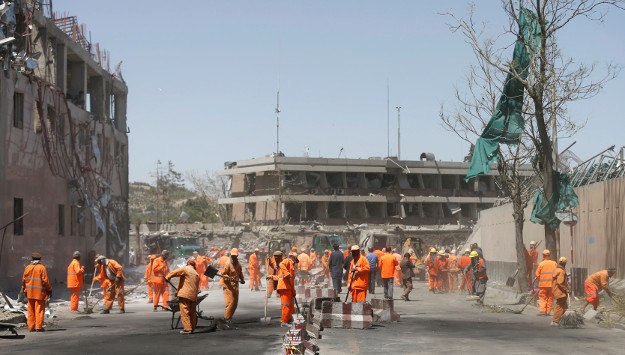
    Reacting to today’s deadly bombing in Kabul, Iranian leaders and media outlets blamed U.S. policies and military presence in Afghanistan for growing extremism and instability in the war-ravaged country. Iran’s Foreign Minister Javad Zarif said the Kabul attack shows “Takfiri terrorism recognizes no boundaries” and called on regional countries to act in unison to fight terrorism instead of seeking help from outsiders – an apparent reference to the United States, which has more than 8,000 troops in Afghanistan training and assisting the country’s security forces.

    May 31, 2017

    Iran-Backed Iraqi Paramilitaries Reach Border Area, Express Readiness to Fight in Syria
  • Analysis
  • Iran-Backed Iraqi Paramilitaries Reach Border Area, Express Readiness to Fight in Syria

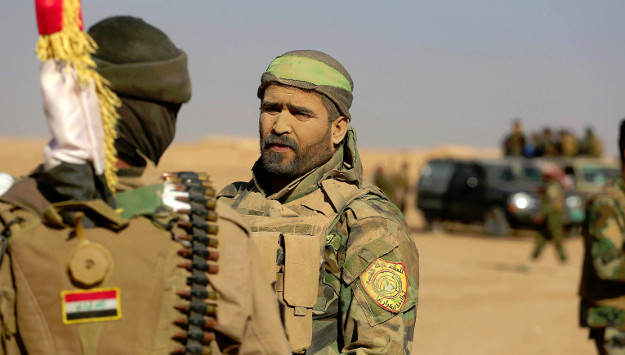
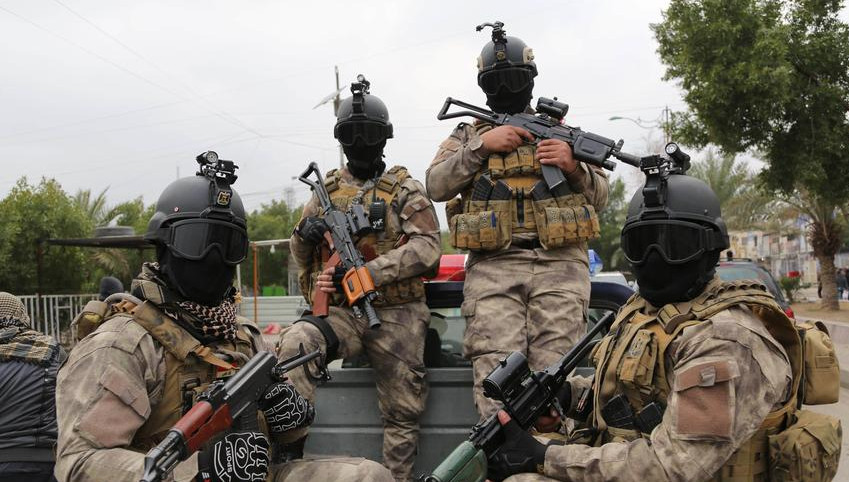
    The head of an Iranian-supported Badr Organization said today that the Iraqi Popular Mobilization Forces have launched a new operation to secure areas along the Syrian-Iraqi border, Fars News Agency, which is affiliated with the Islamic Revolution Guards Corps (I.R.G.C.), reported.

    May 30, 2017

    Iran Says It's Ready to Send Troops to Syria to Monitor Ceasefire
  • Analysis
  • Iran Says It's Ready to Send Troops to Syria to Monitor Ceasefire

    Iran’s Foreign Ministry said on Monday that the Islamic Republic is prepared to deploy troops to Syria to monitor the ceasefire, Iranian media reported. Foreign Ministry Spokesman Bahram Ghassemi added that Iran, Russia and Turkey are holding talks to discuss the implementation of the ceasefire and de-escalation zones in Syria. “If the required grounds are provided, there would be a need to deploy forces who can monitor the ceasefire,” the Iranian spokesman said.

    May 30, 2017

    Iran-Supported Iraqi Paramilitaries Make Further Gains in Western Mosul
  • Analysis
  • Iran-Supported Iraqi Paramilitaries Make Further Gains in Western Mosul

    The Iraqi Popular Mobilization Forces today seized nine villages around al-Qairawan region in western Mosul from the Islamic State, the Iranian media reports. According to a P.M.F. statement, the paramilitary forces “managed to reach the Sinjar mountains and block the road that connects Sinjar to al-Ba’aj.

    May 26, 2017

    Iran Defies U.S. Demand to Halt Missile Activity
  • Analysis
  • Iran Defies U.S. Demand to Halt Missile Activity

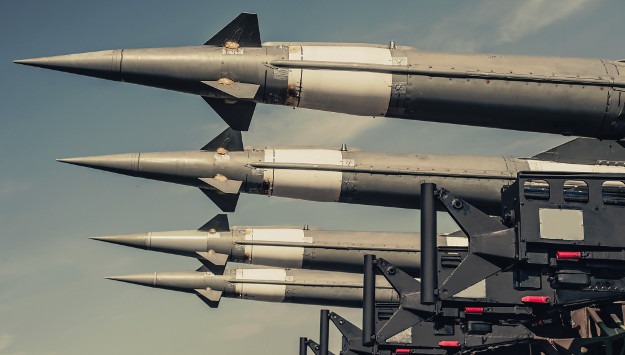
    The Iranian defense minister today claimed that the country has achieved self-sufficiency in the field of producing military hardware, particularly ballistic missiles, the Iranian media reported.

    May 26, 2017

    IranObserved: Presidential Election and Foreign Policy
    Middle East Institute
  • Analysis
  • IranObserved: Presidential Election and Foreign Policy


    May 23, 2017 – Ahmad Majidyar, director of the IranObserved project at the Middle East Institute, joins host Paul Salem to discuss Hassan Rouhani’s reelection as president, the election’s implications for U.S.-Iran relations during the Trump presidency, and Iran’s broader strategy in regional conflicts.


    May 25, 2017