Skip to Content

Alex Vatanka is a Senior Fellow at the Middle East Institute. He specializes in Middle Eastern regional security affairs with a particular focus on Iran. He was formerly a Senior Analyst at Jane’s Information Group in London. Alex is also a Senior Fellow in Middle East Studies at the US Air Force Special Operations School (USAFSOS) at Hurlburt Field and teaches as an Adjunct Professor at DISAS at Wright-Patterson Air Force Base. He has testified before the US Congress and lectured widely for both governmental and commercial audiences, including the US Departments of State and Defense, US intelligence agencies, and a list of international corporations.

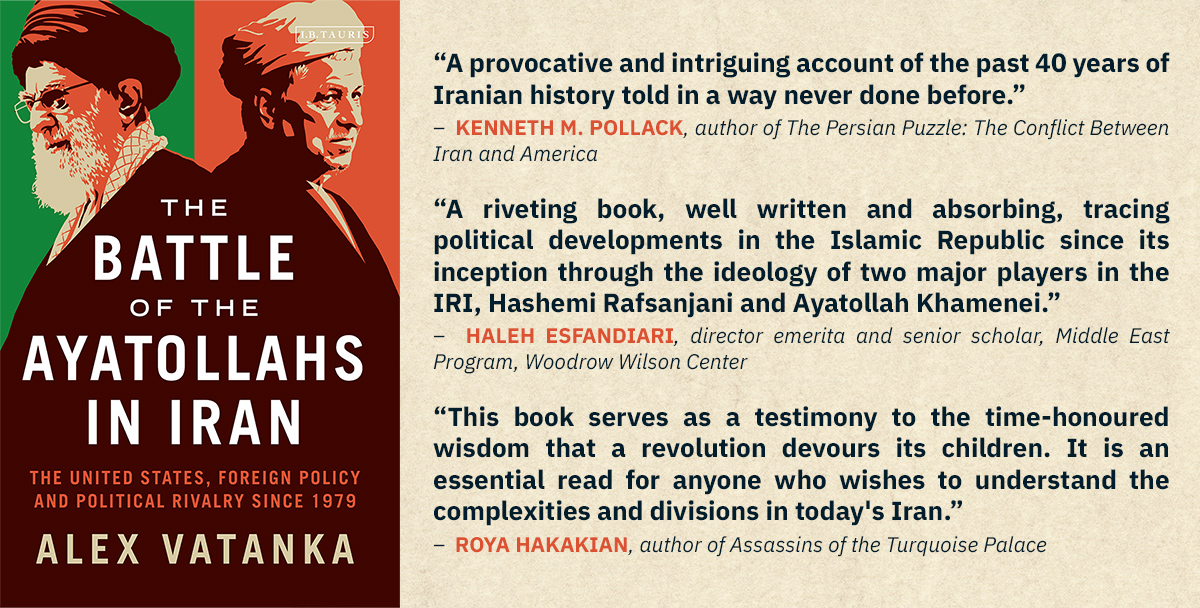
Born in Tehran, he holds a BA in Political Science (Sheffield University, UK), and an MA in International Relations (Essex University, UK), and is fluent in Farsi and Danish. He is the author of two books: The Battle of the Ayatollahs in Iran: The United States, Foreign Policy and Political Rivalry Since 1979 (2021) and Iran and Pakistan: Security, Diplomacy, and American Influence (2015).

He has also written chapters for a number of books, including Authoritarianism Goes Global (2016); Handbook on Contemporary Pakistan (2017); Russia in the Middle East (2018), Winning the Battle, Losing the War: Addressing the Drivers Fueling Armed Non-state Actors and Extremist Groups (2020); Global, Regional and Local Dynamics in the Yemen Crisis (2020); Routledge Handbook of Counterterrorism and Irregular Warfare Operations (2021); and Understanding New Proxy Wars (2022). He is presently working on his third book, Iran’s Arab Strategy: Defending the Homeland or Exporting Khomeinism?

Education
B.A. in Political Science at Sheffield University; M.A. in International Relations at Essex University

Languages
Farsi, Danish

Countries of Expertise
Iran

Issues of Expertise
Iran domestic and foreign affairs, Iranian military and security forces, Iran-US relations, Political Islam in Middle East

Website
Vatanka.com

Books

Praise for "The Battle of the Ayatollahs in Iran"

Book chapters

Select articles

The Latest from Alex Vatanka

Filter by
522 Results
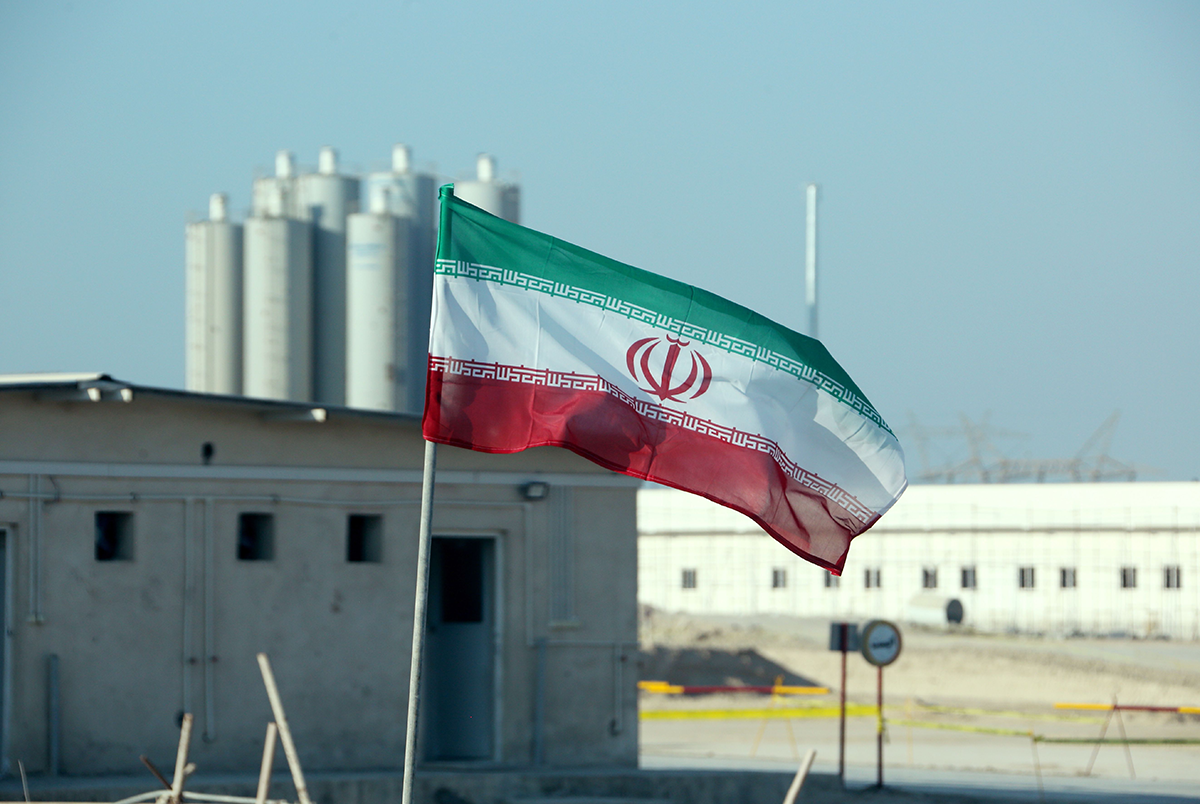
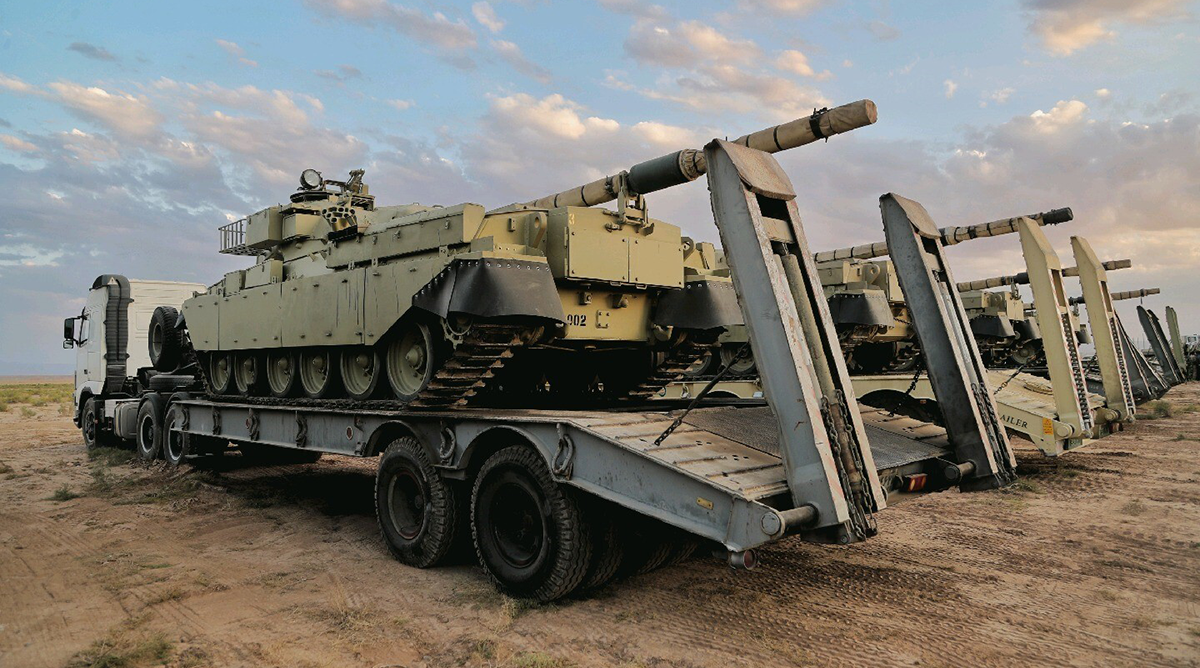
Azerbaijan and Israel’s encirclement of Iran
Photo by Iranian Army/Anadolu Agency via Getty Images
  • Analysis
  • Azerbaijan and Israel’s encirclement of Iran

    Tensions between Iran and Azerbaijan are high right now but both sides will very likely soon step down. Neither Tehran nor Baku can afford to let recent events lead to a full-fledged crisis or a military showdown between the two Shi’a Muslim-majority countries. On the surface, this latest spat is about Azerbaijan’s resentment toward Iran for providing an economic lifeline through trade and transit options to its landlocked arch nemesis, Armenia. In reality, the split that underpins the ongoing Iranian-Azerbaijani tensions is more about fundamental foreign policy choices that Tehran and Baku have each made and are unlikely to reverse.

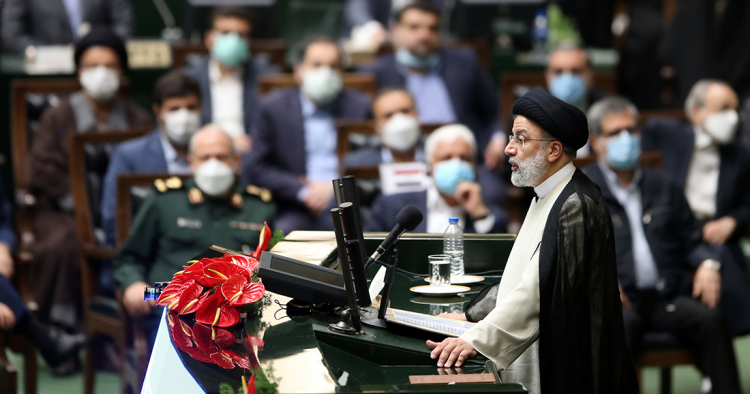
    Beholden to Khamenei and the IRGC, Raisi will stick to the hardline script
    Photo by Meghdad Madadi/ATPImages/Getty Images
  • Analysis
  • Beholden to Khamenei and the IRGC, Raisi will stick to the hardline script

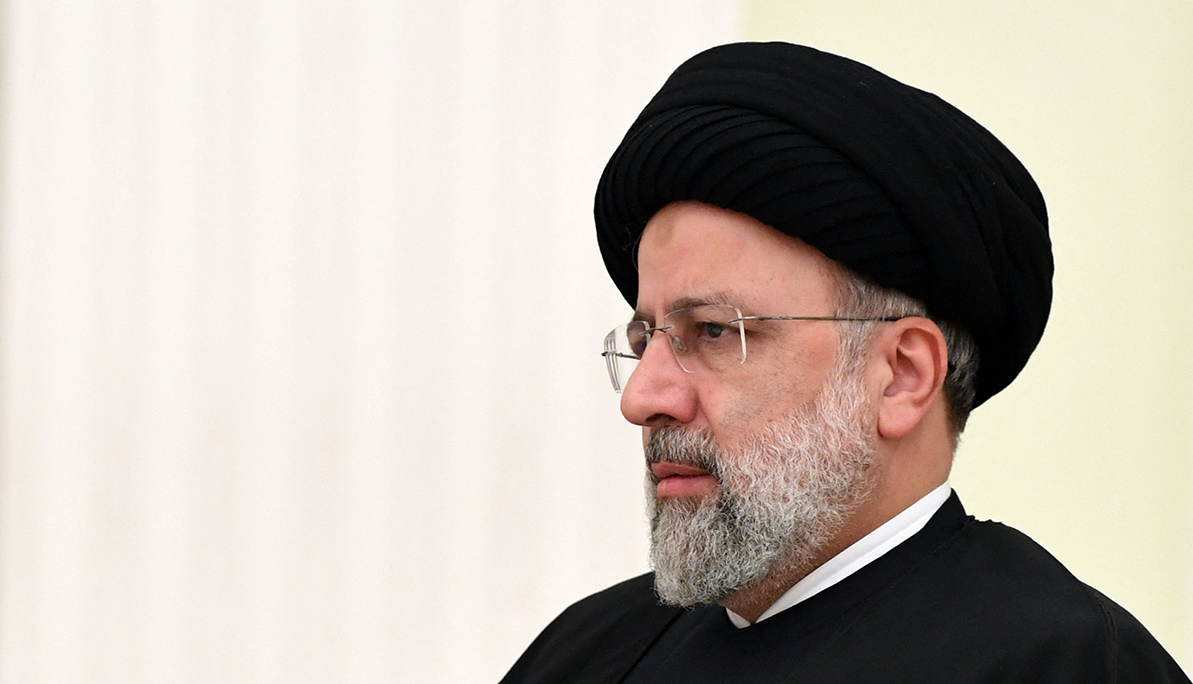
    In the June 2021 elections, the Iranian presidency was handed to Ebrahim Raisi on a silver platter. Supreme Leader Ayatollah Ali Khamenei made sure the election process was engineered, down to the smallest detail, for a shoo-in Raisi victory. For Raisi, this is something of a double-edged sword. At a minimum, it means policy continuity in Tehran, including in the realm of hybrid military-economic affairs. The Islamic Revolutionary Guards Corps (IRGC) will not only continue to have a free hand to shape Iran’s military and regional agenda, but it will also return to center-stage as far as economic planning is concerned. The same thing happened during the government of Mahmoud Ahmadinejad; he too gave the IRGC an free hand — a decision that he later came to regret. Raisi has no choice though. His political fortunes rest on continued support from Khamenei and the IRGC. Don’t expect him to unveil any trailblazing policies anytime soon.

    Raisi and the Revolutionary Guards
  • Commentary
  • Raisi and the Revolutionary Guards

    Under President Ebrahim Raisi, the Islamic Revolutionary Guard Corps (IRGC) is poised to exert greater control over Iran’s national security agenda and economy. Several of his ministers and advisors were members of the IRGC or have connections to it.

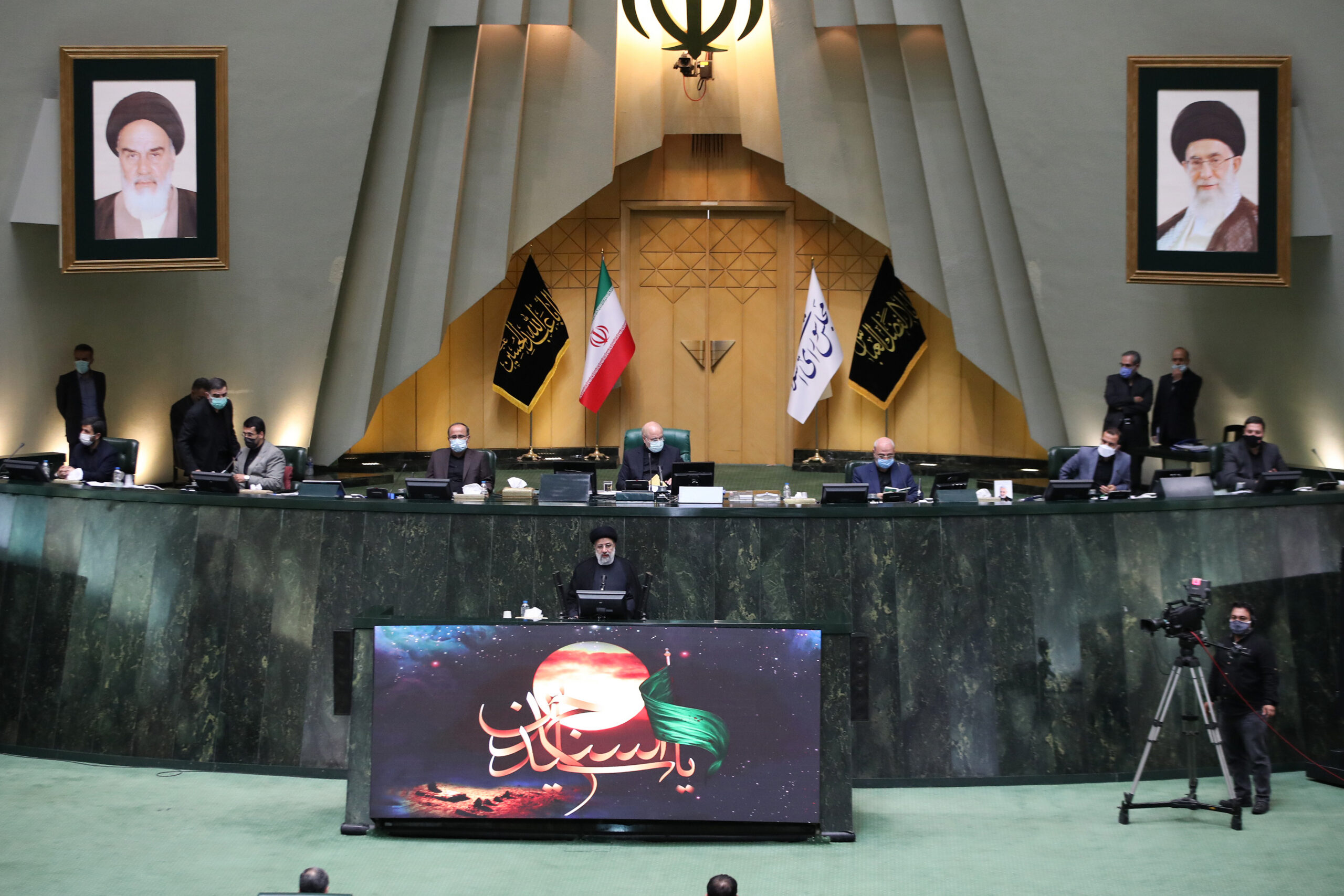
    Iran’s presidential elections are all about the post-Khamenei era
    Photo by Majid Saeedi/Getty Images
  • Analysis
  • Iran’s presidential elections are all about the post-Khamenei era

    Iran will hold presidential elections on June 18 and despite considerable efforts by the authorities, the battle at the ballot box is set to be a lifeless affair. A solid majority of Iranian voters have by now entirely lost hope that voting makes any difference. Actual turnout could be as low as 20% as compared to the 73% recorded in 2017. Ayatollah Ali Khamenei, the unelected supreme leader who has ruled over Iran since 1989, is not on the ballot. Nor are the Revolutionary Guards, the armed defenders of the Islamic Republic’s theocratic system. These two institutions wield the real power in Tehran, not the Presidential Palace.

    Expert Views: The Biden administration and the Middle East: Reflecting on the first 100 days
    Photo by Chip Somodevilla/Getty Images
  • Analysis
  • Expert Views: The Biden administration and the Middle East: Reflecting on the first 100 days

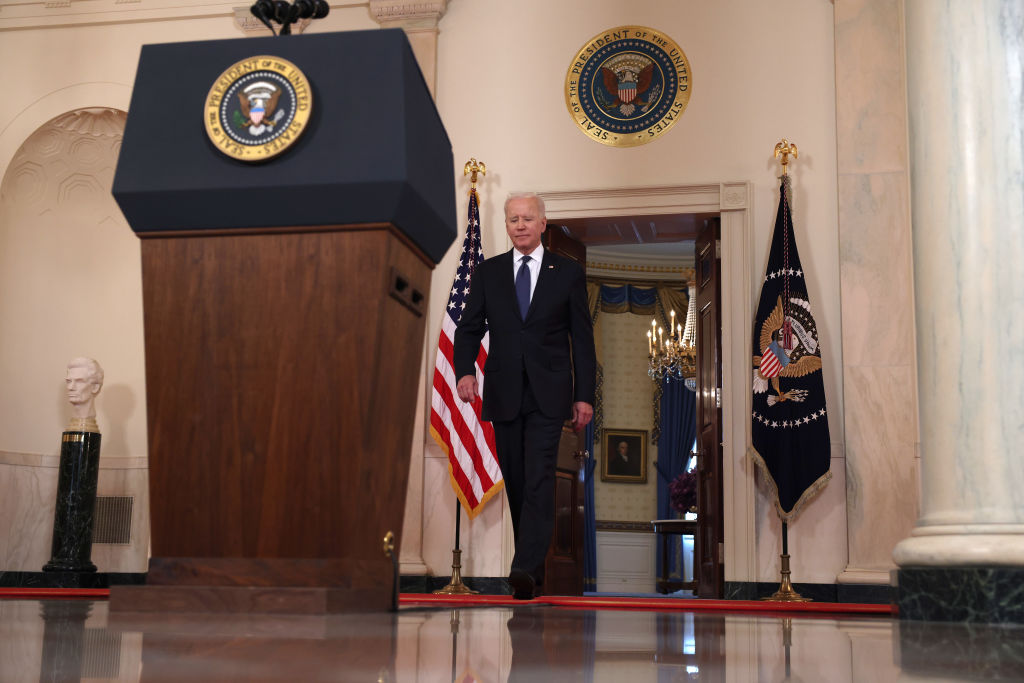
    At the end of Joe Biden’s first 100 days as president of the United States, where do things stand when it comes to U.S. policy toward the Middle East and North Africa? We asked experts and scholars from across MEI to weigh in with their thoughts on the changes we’ve seen so far, the new challenges that have emerged, and what we know about the administration’s key priorities for the region.