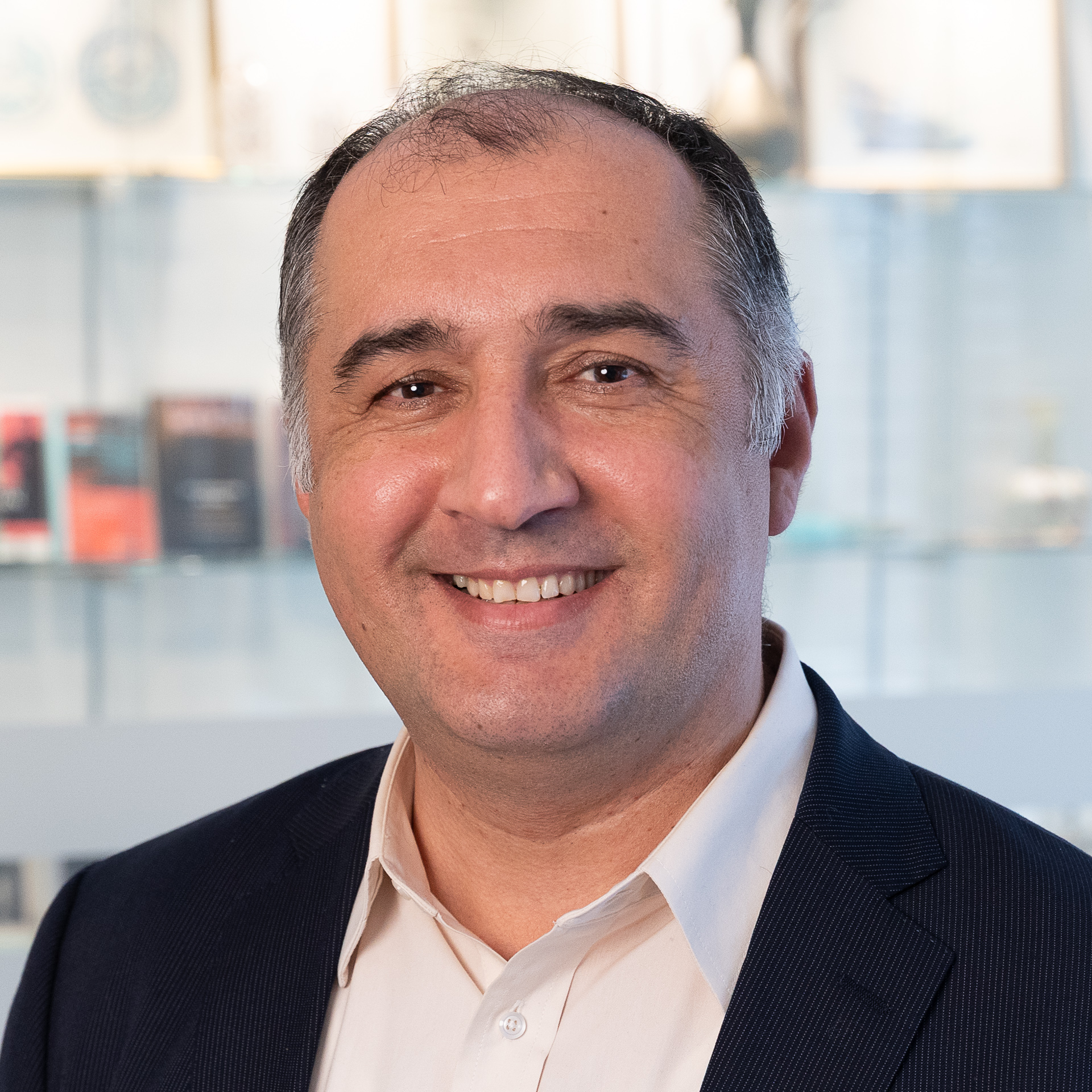
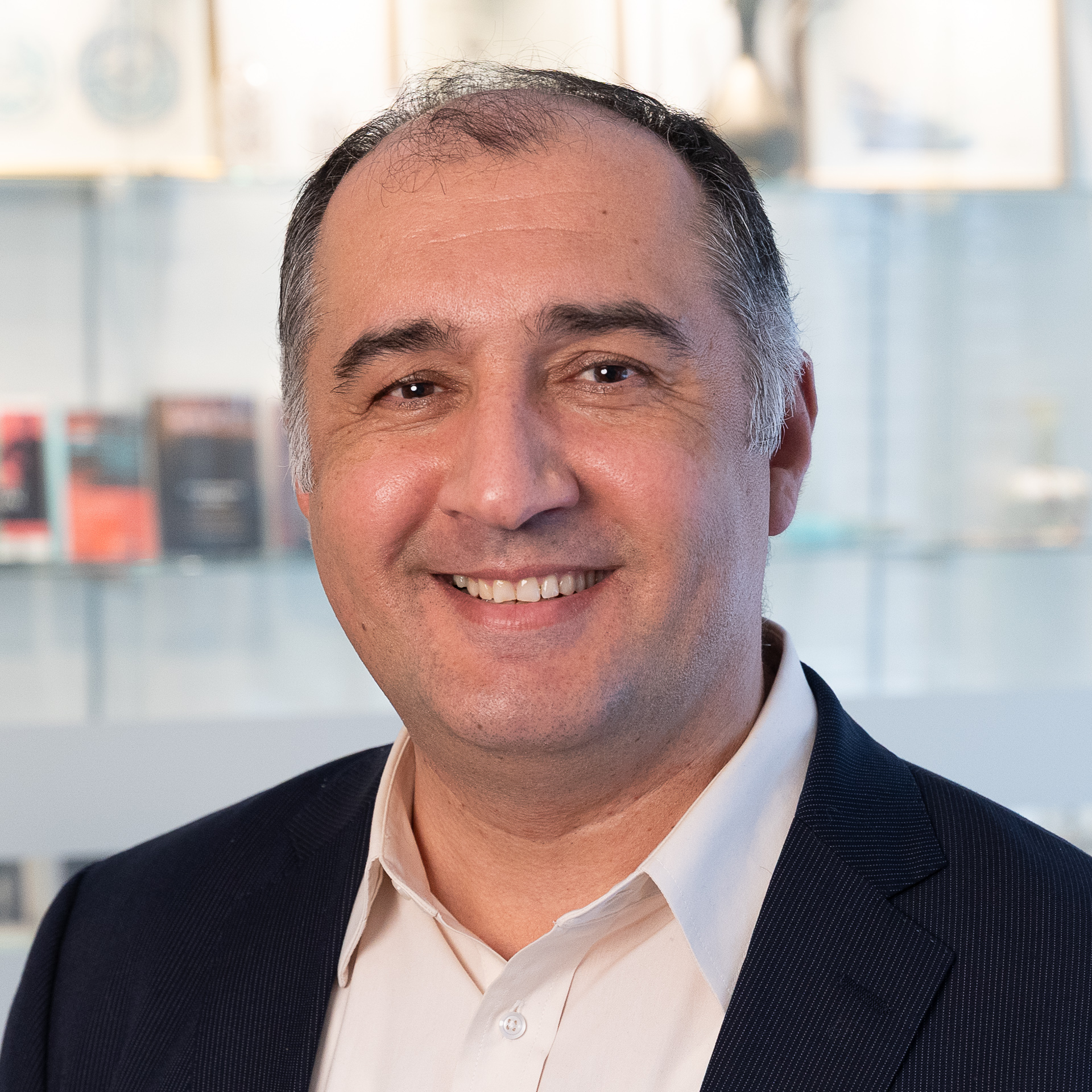
Alex Vatanka is a Senior Fellow at the Middle East Institute. He specializes in Middle Eastern regional security affairs with a particular focus on Iran. He was formerly a Senior Analyst at Jane’s Information Group in London. Alex is also a Senior Fellow in Middle East Studies at the US Air Force Special Operations School (USAFSOS) at Hurlburt Field and teaches as an Adjunct Professor at DISAS at Wright-Patterson Air Force Base. He has testified before the US Congress and lectured widely for both governmental and commercial audiences, including the US Departments of State and Defense, US intelligence agencies, and a list of international corporations.
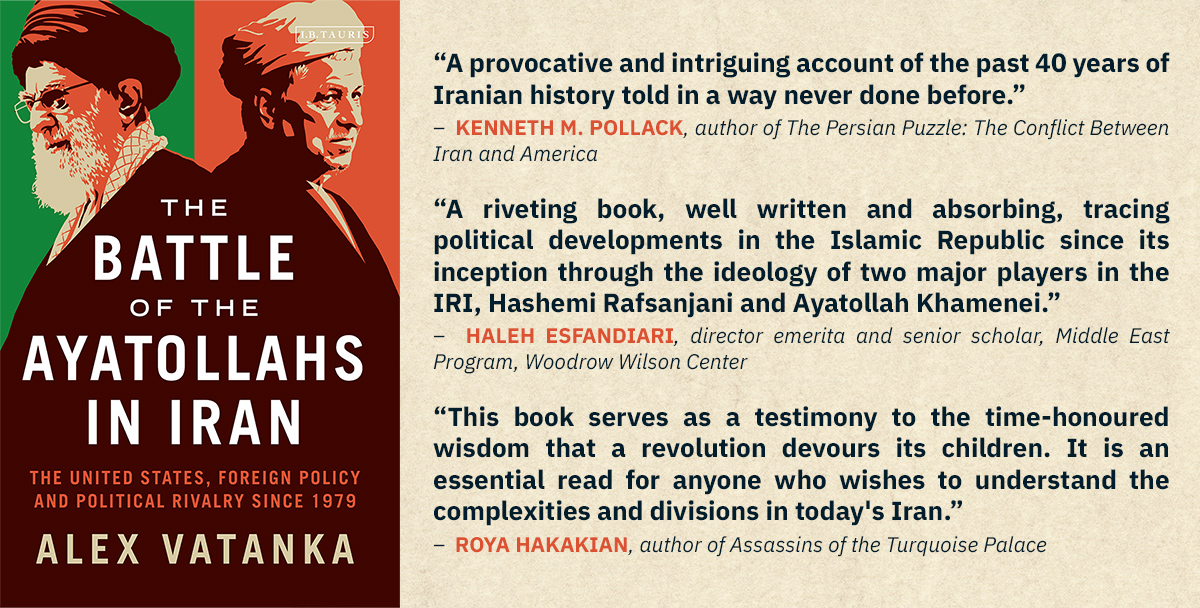
Born in Tehran, he holds a BA in Political Science (Sheffield University, UK), and an MA in International Relations (Essex University, UK), and is fluent in Farsi and Danish. He is the author of two books: The Battle of the Ayatollahs in Iran: The United States, Foreign Policy and Political Rivalry Since 1979 (2021) and Iran and Pakistan: Security, Diplomacy, and American Influence (2015).
He has also written chapters for a number of books, including Authoritarianism Goes Global (2016); Handbook on Contemporary Pakistan (2017); Russia in the Middle East (2018), Winning the Battle, Losing the War: Addressing the Drivers Fueling Armed Non-state Actors and Extremist Groups (2020); Global, Regional and Local Dynamics in the Yemen Crisis (2020); Routledge Handbook of Counterterrorism and Irregular Warfare Operations (2021); and Understanding New Proxy Wars (2022). He is presently working on his third book, Iran’s Arab Strategy: Defending the Homeland or Exporting Khomeinism?
Education
B.A. in Political Science at Sheffield University; M.A. in International Relations at Essex University
Languages
Farsi, Danish
Countries of Expertise
Iran
Issues of Expertise
Iran domestic and foreign affairs, Iranian military and security forces, Iran-US relations, Political Islam in Middle East
The once powerful Iranian reformist parties are today on the political margins. While they continue to enjoy significant support from voters at election times – which was last evident in the 2016 parliamentary elections when reformists secured about 41% of the vote – the public no longer seems to believe reformists can instill serious reform in Iran. In particular, the Iranian youth of today, which used to be the bedrock of support for reformists, is noticeably disillusioned with the political process in the country.
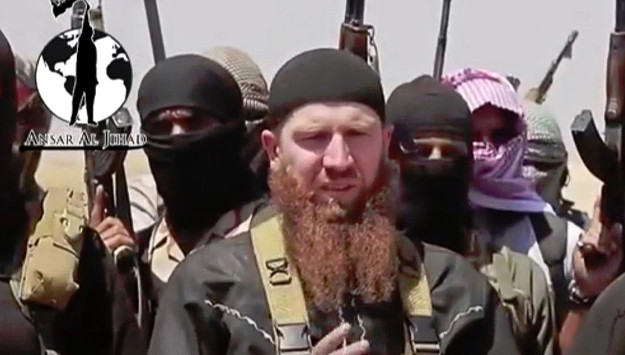
Fars News, an outlet that is linked to Iran’s Islamic Revolution Guards Corps (IRGC), reported that ethnic Chechen forces from Russia are now acting as police units in the Syrian city of Aleppo. The outlet reported that Chechens had also from December 2016 been deployed “to serve in the military police to protect Russia’s Khmeimim air base in Syria.”
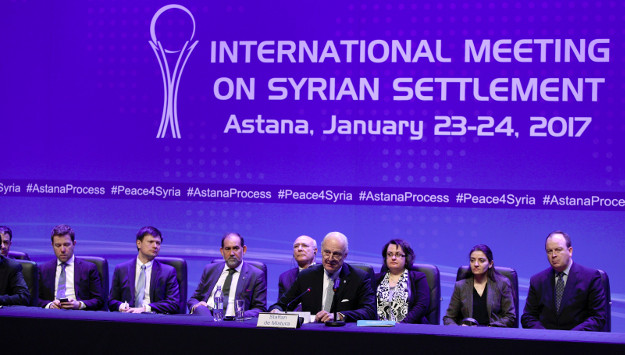
Tehran’s fears of losing out influence during the ongoing peace talks on Syria in Astana were evident even in the makeup of the Iranian delegation. According to Iranian sources, Tehran had been compelled to dispatch a top military figure with extensive experience in Syria in order not to be eclipsed by Russian and Turkish militaries.
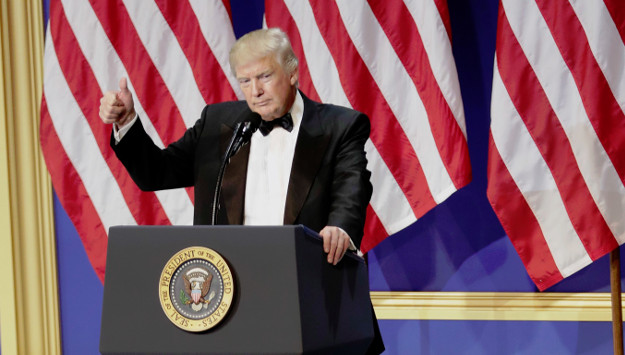
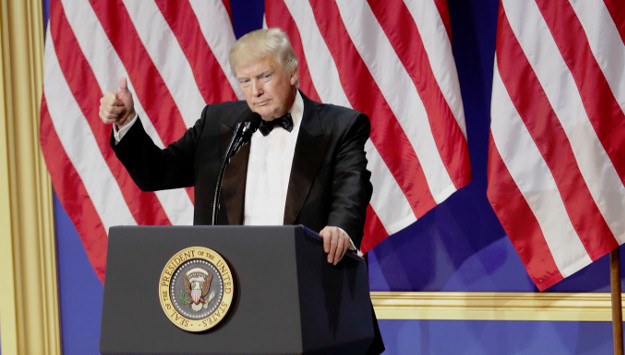
Monday Briefing: Middle East Reactions to Trump's Inauguration
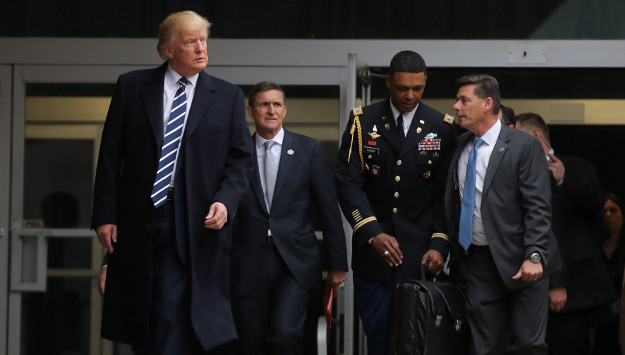
In this week’s Monday Briefing, MEI experts Paul Salem, Alex Vatanka, Gerald Feierstein, and Charles Lister provide analysis on recent and upcoming events including U.S.-Middle East relations in the new Trump administration, the view of Trump’s inauguration from Tehran, the Gulf’s ‘wait and see’ approach to the new administration, and Russia’s public position on Syria talks at the outset of talks in Astana.
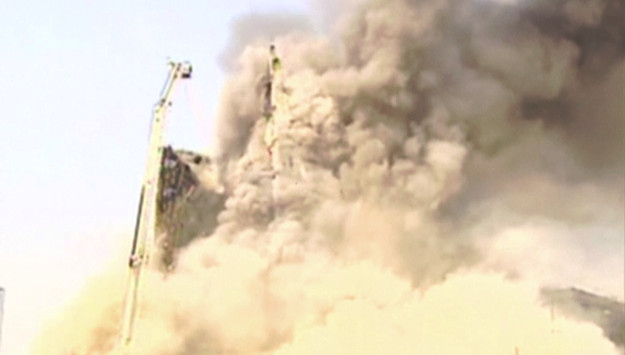
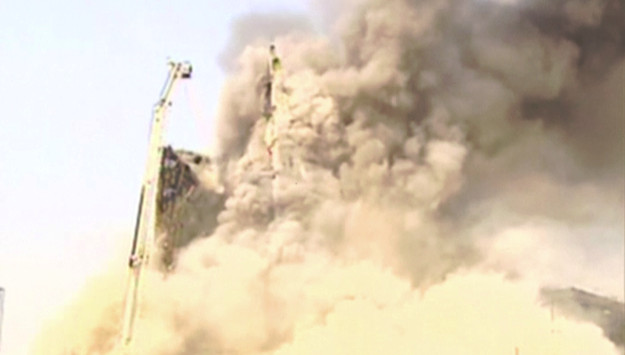
There is still plenty of anger among the Iranian population about the January 19 fire and collapse of a historic high-rise building in downtown Tehran. The number of casualties is still unknown as the emergency services are still finding bodies under the rubble.
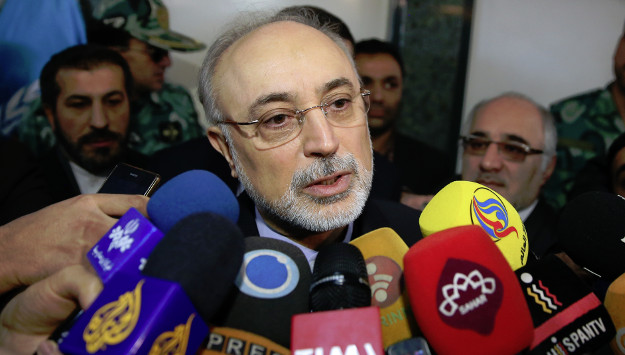
Ali Akbar Salehi, the head of Iran’s atomic agency, warned President Donald Trump that if he tears the 2015 nuclear agreement apart Iran will “increase its nuclear activities at a more advanced level.” Salehi’s remarks were in reaction to Trump’s phone conversation with the Israeli prime minister, Binyamin Netanyahu.
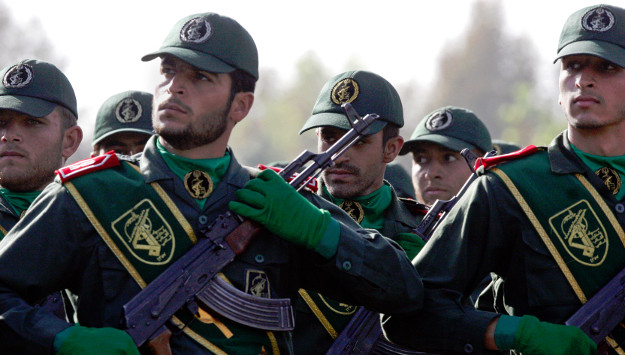
The reaction in Tehran to Trump arriving in the White House has been cautious, but composed. The two dominant factions inside the Iranian regime, the moderates and the hardliners, appear to agree on the question of Iran’s posture toward the Trump presidency. Early signs of this emerging consensus points to an Iran that will have to be less provocative in its actions in the Middle East in order to avoid American reprisals. Even the most hawkish voices in the Islamic Revolution Guards Corps have warned about “sensitive days ahead between Iran and American generals.”
Collapse of Building in Tehran Ignites National Debate
The collapse of a 53-year landmark building in downtown Tehran on January 19 is likely to lead very quickly to a war of words among Iranian officials about culpability. The incident, which has left dozens of firefighters dead, follows a string of infrastructure-related disasters in the Iranian capital in recent months.
Zarif: Iran Has Options If Trump Cancels Nuclear Deal
Iranian Foreign Minister Javad Zarif has declared that “Iran has no fears about the future decisions of President-elect Trump in regards to the likelihood of him nullifying the [2015] nuclear deal.” “If he does,” Zarif said, “Iran too will have options at its disposal in its reaction.” “President-elect Trump likes to be surprised, and we will surprise him.” Later, however, Zarif maintained that “it would be in everyone’s interest if the nuclear deal is upheld.” Earlier Tehran had rejected speculation that t
Ramazan Sharif, a top commander of the Islamic Revolution Guards Corps (IRGC) who is responsible for public relations, called the threat posed to Iran by the Islamic State to be trivial.
Iran Says It Is “Proud of Its Presence in African Waters”
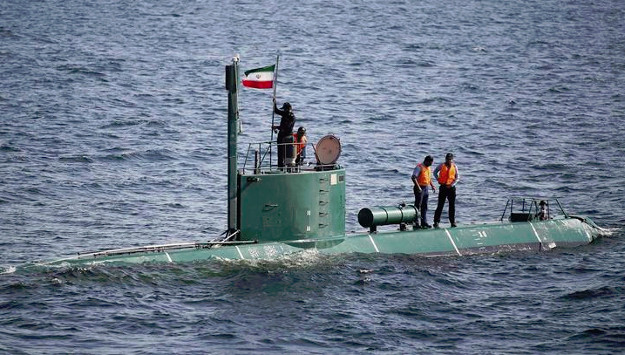
The head of the Iranian Navy, Rear Admiral Habibollah Sayyari, said that forces under his control, which are “equipped with advanced military systems” are proving to be a “powerful presence in the international waters” of the African continent. Calling the capabilities of the Iranian navy “state-of-the-art”, Sayyari again announced that “Iran plans to expand [its] naval presence in international waters.”
In what amounts to an embarrassing dressing down, Iran’s Supreme Leader Ayatollah Ali Khamenei has been handed a scornful public warning from his own uncle. In a public letter that has been published by many Iranian opposition sites, Hossein Mirdamadi, the brother of Khamenei’s mother, cautions that social-political stability in Iran is at risk unless the authorities in Tehran review and modify present policies and practices.
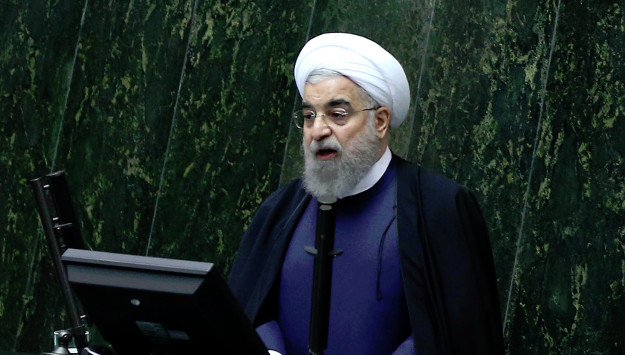
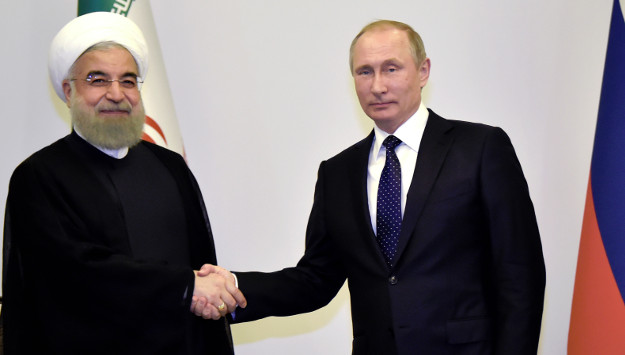
At a press conference on January 17, Iranian President Hassan Rouhani stated that “Iran would welcome working with Saudi Arabia to bring about a more stable Middle East.” He urged for “moderation” and “respect.” This message from the Iranian president is positive and should be applauded. However, the question in so many capitals around the Middle East is whether Rouhani’s posture and message of “moderation” has any bearing on the actual policies that Tehran is presently pursuing in the region.