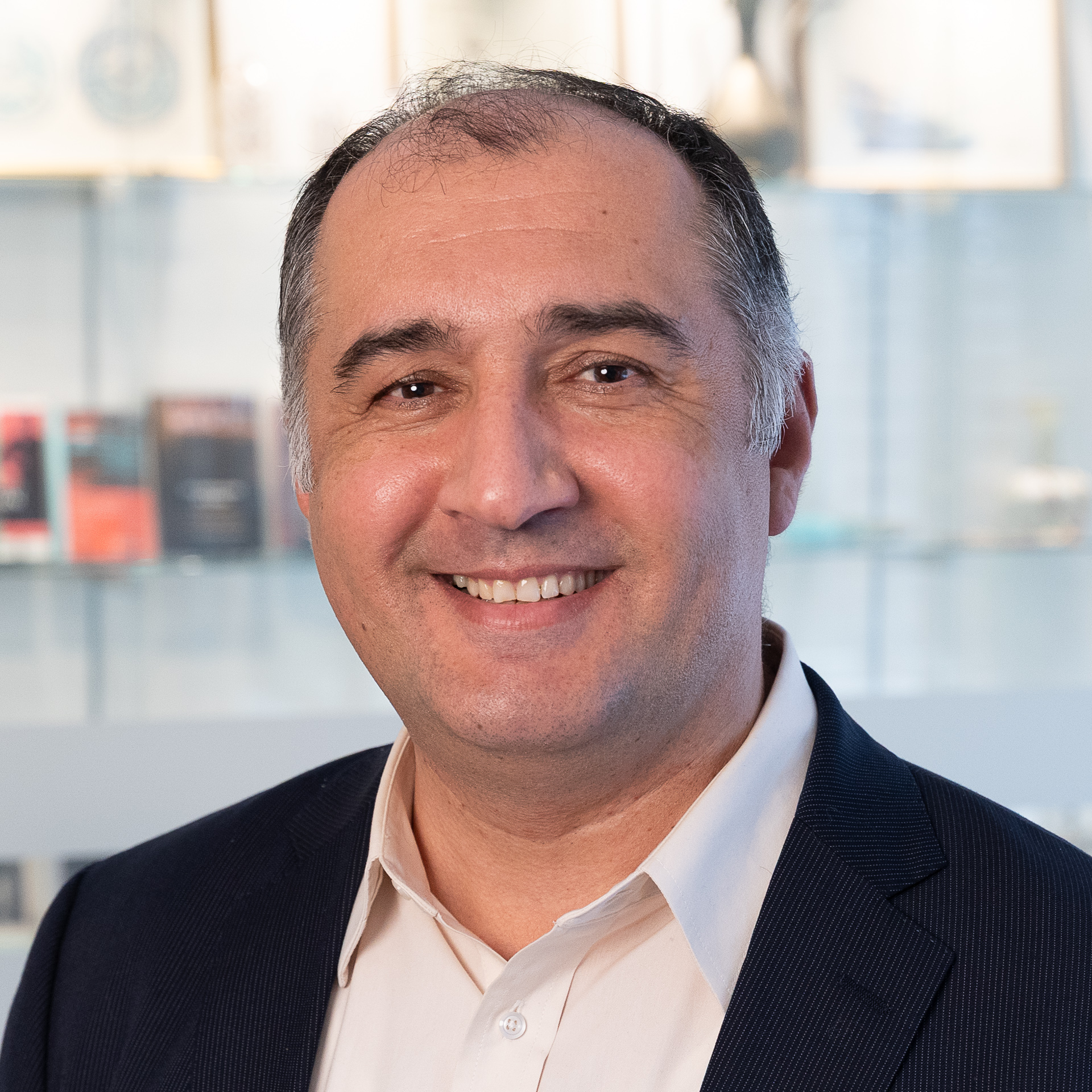
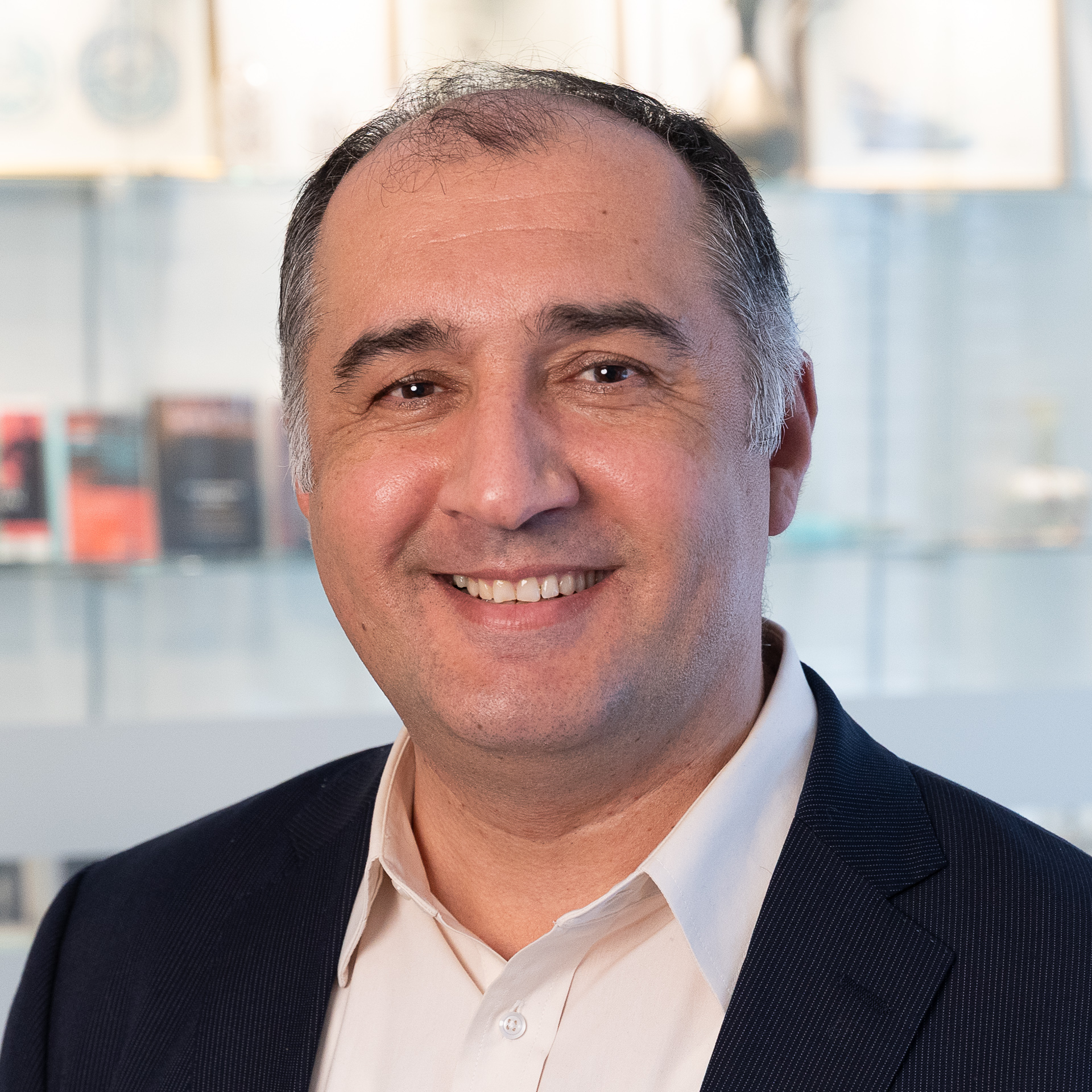
Alex Vatanka is a Senior Fellow at the Middle East Institute. He specializes in Middle Eastern regional security affairs with a particular focus on Iran. He was formerly a Senior Analyst at Jane’s Information Group in London. Alex is also a Senior Fellow in Middle East Studies at the US Air Force Special Operations School (USAFSOS) at Hurlburt Field and teaches as an Adjunct Professor at DISAS at Wright-Patterson Air Force Base. He has testified before the US Congress and lectured widely for both governmental and commercial audiences, including the US Departments of State and Defense, US intelligence agencies, and a list of international corporations.
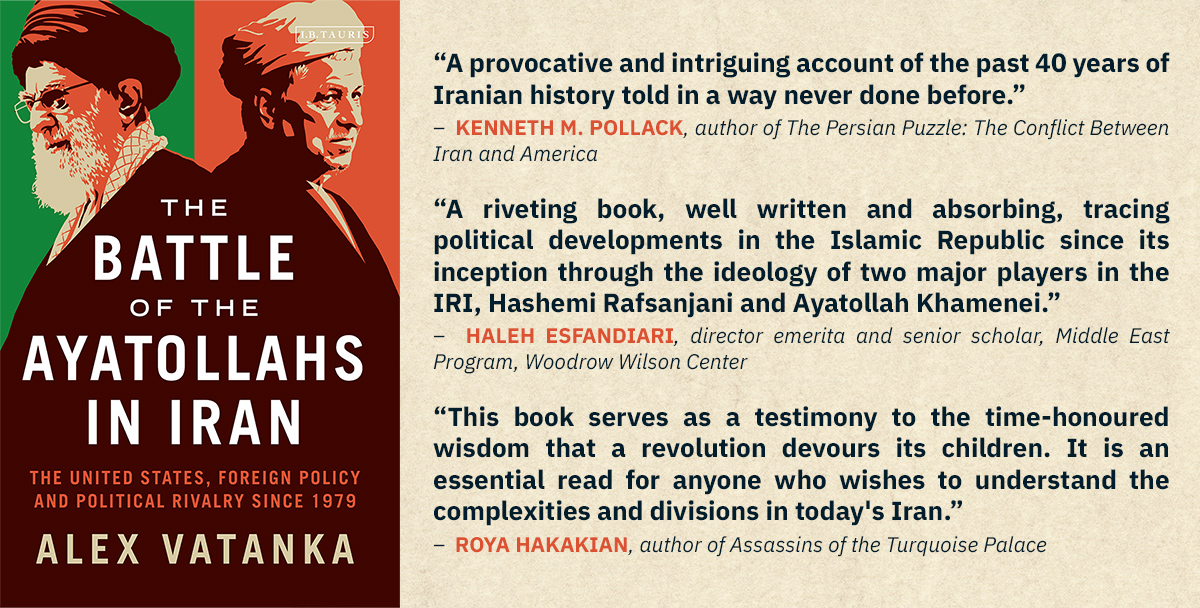
Born in Tehran, he holds a BA in Political Science (Sheffield University, UK), and an MA in International Relations (Essex University, UK), and is fluent in Farsi and Danish. He is the author of two books: The Battle of the Ayatollahs in Iran: The United States, Foreign Policy and Political Rivalry Since 1979 (2021) and Iran and Pakistan: Security, Diplomacy, and American Influence (2015).
He has also written chapters for a number of books, including Authoritarianism Goes Global (2016); Handbook on Contemporary Pakistan (2017); Russia in the Middle East (2018), Winning the Battle, Losing the War: Addressing the Drivers Fueling Armed Non-state Actors and Extremist Groups (2020); Global, Regional and Local Dynamics in the Yemen Crisis (2020); Routledge Handbook of Counterterrorism and Irregular Warfare Operations (2021); and Understanding New Proxy Wars (2022). He is presently working on his third book, Iran’s Arab Strategy: Defending the Homeland or Exporting Khomeinism?
Education
B.A. in Political Science at Sheffield University; M.A. in International Relations at Essex University
Languages
Farsi, Danish
Countries of Expertise
Iran
Issues of Expertise
Iran domestic and foreign affairs, Iranian military and security forces, Iran-US relations, Political Islam in Middle East
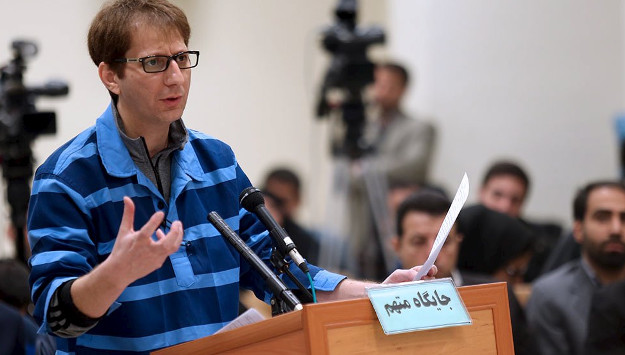
Corruption Charges Roil Tehran and Threaten Rouhani's Reelection
According to Transparency International, the Islamic Republic of Iran has a serious corruption problem. It ranks 130 out of 168 countries surveyed. Previously such international assessments rarely made headlines among the Iranian population who are busy trying to make a living. But the issue of large-scale institutional corruption involving top regime figures has recently exploded as a daily topic of conversation.
Rouhani's Special Advisor Warns Against “American Islam”
News Brief: In a blistering attack, Ali Younesi, President Hassan Rouhani’s special envoy for minority rights, portrayed all the conflicts of the Middle East as a result of Western plots. “There is no other way but regional cooperation to bring about border security and combat extremism,” Younesi said. He was particularly scornful toward the United States, the United Kingdom and Israel.
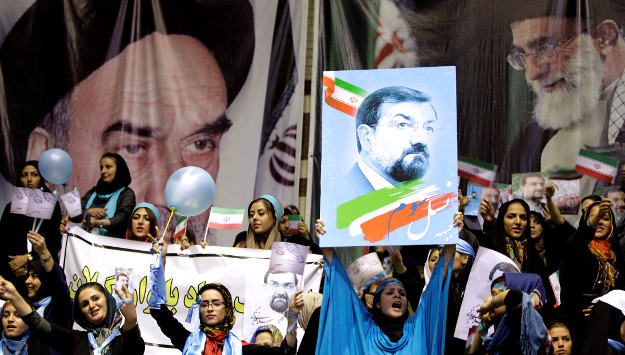
News Brief:Mohsen Rezaei, the long-time former head of the Islamic Revolution Guards Corps (IRGC), has launched a scathing attack on the government of President Hassan Rouhani and its pol
Special Briefing: The Middle East in the Year Ahead
Another turbulent year lies ahead for the Middle East. Civil wars rage in Syria, Libya, and Yemen; the battle against ISIS proceeds in Iraq; Iran pushes its advantage against regional rivals; governments continue to struggle with economic, political, and security challenges; and the region awaits a new administration in Washington.
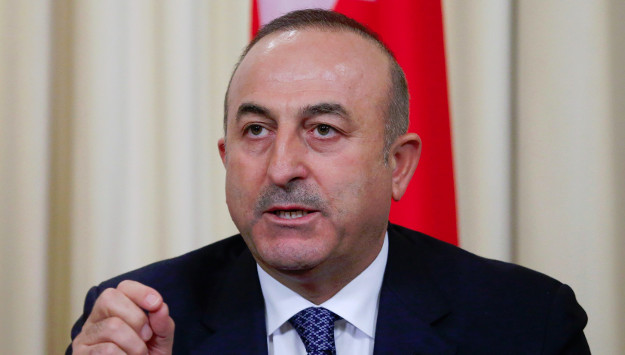
Turkey Warns Iran against Breach of Syria Cease-Fire
The Turkish foreign minister has openly urged Iran to “play its role as an underwriter of the ceasefire in Syria.” Mevlut Cavusoglu specifically demanded that Tehran rein in Shiite militiamen and the Lebanese Hezbollah and make them “stop violating” the ceasefire in Syria that was agreed on December28.
Tehran has rejected reports about explosions in the oil-rich Khuzestan Province on the border with Iraq. Earlier reports suggested that the group “Arab Struggle Movement for the Liberation of Ahwaz” had blown up two pipelines and warned of more attacks to come. The group justified its attacks to “protest at the continuing occupations” of “Ahwazi [Khuzestan] land” by Iranians.
Iran Sees Iraqi Shiite Militiamen as “Strategic Capacity”
Ali Shamkhani, the head of Iran’s Supreme National Security Council (SNSC), has called Iraqi Shiite militia, the Hashd Al-Shaabi (Popular Mobilization Forces), a “strategic capacity for the future of Iraq.” Shamkhani said this to the visiting former Iraqi prime minister, Nouri al-Maliki. Mailiki in turn thanked Iran for its “support for the Iraqi government and people” and lashed out at Tehran’s regional rivals Turkey and Saudi Arabia.
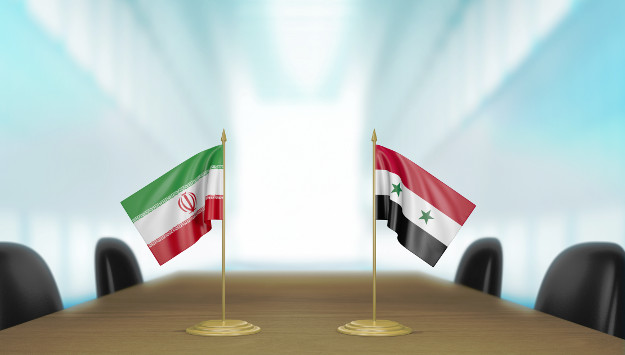
Iranian media has reported that Javad Turk-Abadi will be Iran’s next ambassador to Damascus. “Turk-Abadi was chosen by Foreign Minister Javad Zarif and this selection was approved by President Hassan Rouhani,” it was reported.
IRGC Commander Hints at Executing Opposition Leaders
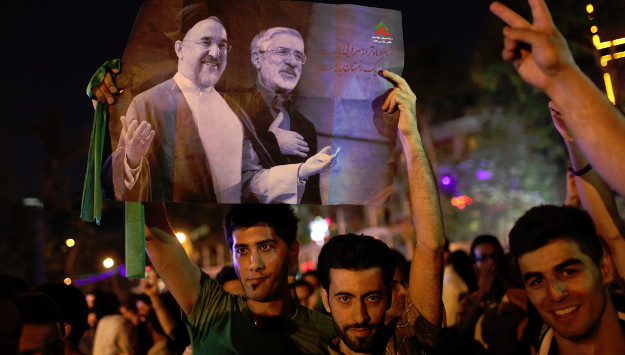
News Brief: In a controversial set of remarks, a top commander from the Islamic Revolution Guards Corps (IRGC) suggested that “the people” would want the death penalty to be imposed on the two leaders of Iran’s opposition movement. Hossein Nejat was referring to Mir Hossein Mousavi and Mehdi Karroubi, who spearheaded the mass protests against the regime during 2009-2011. “These people under house arrest enjoy wonderful amenities. They have swimming pools and access to the internet.
Hardline Iranian Cleric Calls Mass Execution “Revolutionary”
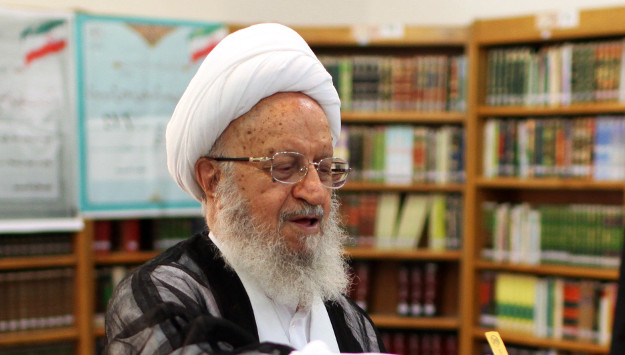
Grand Ayatollah Nasser Makarem Shirazi has called the execution of thousands of political prisoners in Iran in 1988 “a revolutionary act.” He continued, “There is a group [within the country] that want to seek revenge from the regime and destroy it.” He also alleged that Iranian political dissidents are in
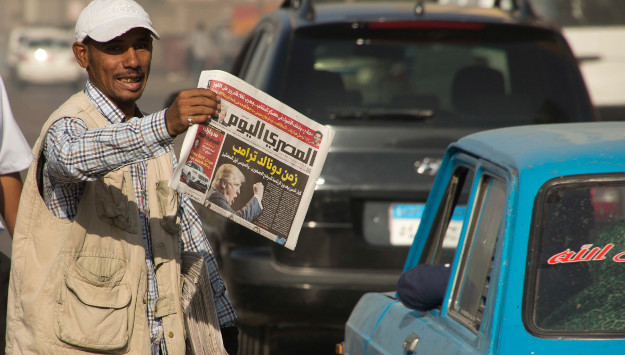
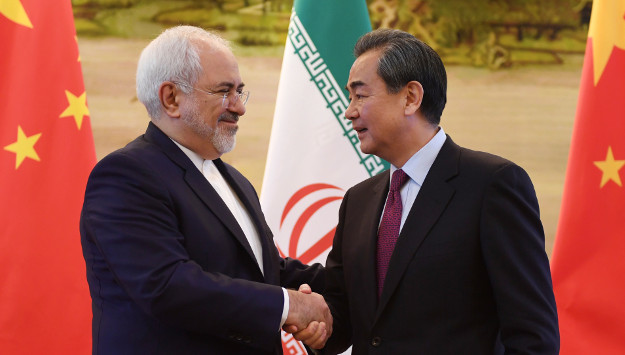
Most observers are still trying to figure out president-elect Donald Trump’s likely Iran policy. Whatever it might be as an approach, it will probably be nothing as accommodating as has been the case in the Obama era. And if Washington starts to earnestly squeeze Tehran from January 21, 2017, the Iranians no doubt will turn to Russia and China for protection.
In Tehran, the November 30 decision by OPEC to cut oil production by member states was predictably a big deal. This, however, was not just about the economics of the event. Sure, the price of crude oil shot up by 10% on the announcement. It was the first time in eight years that OPEC states had agreed to a collective production cut.
But in Tehran, the other big news was that Iran – OPEC’s third-biggest producer – had escaped the call for it to cut back its production. On the other hand, Iran’s biggest regional rival, Saudi Arabia, agreed to a steep cut.