This individual is a guest contributor. MEI is not able to assist with contact requests.
Amin Mohseni-Cheraghlou is an assistant professor in the Department of Economics at American University in Washington, D.C. He has also taught at the University of Tehran in the faculties of Economics and World Studies. His areas of expertise are Development Macroeconomics, Energy Economics, Economies of the Middle East and North Africa (MENA), and Islamic Economics and Finance. A research consultant for the World Bank Group since 2007, Amin writes frequently on topics related to development economics, Islamic economics and finance, and economies of the MENA region. He holds a Ph.D. in Economics, an M.A. in International Development, and a B.S. in Electrical Engineering.
Necessity or luxury?: Environmental sustainability and economic growth in MENA
The Middle East and North Africa (MENA) region is grappling with many challenges on several fronts. Air pollution, water scarcity, and climate change in general are some of the serious challenges facing the MENA economies and residents that have been overshadowed by energy, security, and political debates surrounding the region. Nonetheless, considering their significant negative impact on the economic development of the MENA countries, inclusive, sustainable, and stable economic growth will require timely and effective solutions for the region’s environmental challenges.
MENA at the center of the West: China’s “opening up to the West” strategy
Writing in 1993, Lillian Craig Harris observed that “for China, economic power, not armed conflict, had become the most important factor in the struggle to gain independence, power, and status.” Fast-forwarding more than a quarter-century, this statement is now more true than ever, especially in the MENA region, where economic ties between MENA and China have grown stronger by the year.
Fossil fuel subsidies and renewable energies in MENA: An oxymoron?
The Middle East and North Africa (MENA) region plays a central role in the global oil and natural gas markets. The region is home to more than 52 and 42 percent of global crude oil and natural gas proven reserves, respectively. In the past decade, the region generated 36 and 22 percent of global crude oil and natural gas, respectively. The abundance of hydrocarbons has sometimes been a mixed blessing for the economies of MENA countries, which have been reluctant to promote energy efficiency or sector diversification. Around the globe, energy intensity —energy use (kg of oil equivalent) per $1,000 GDP— became 15% more efficient between 2001 and 2018. In contrast, MENA became 8% less energy efficient according to the same measure during that period.
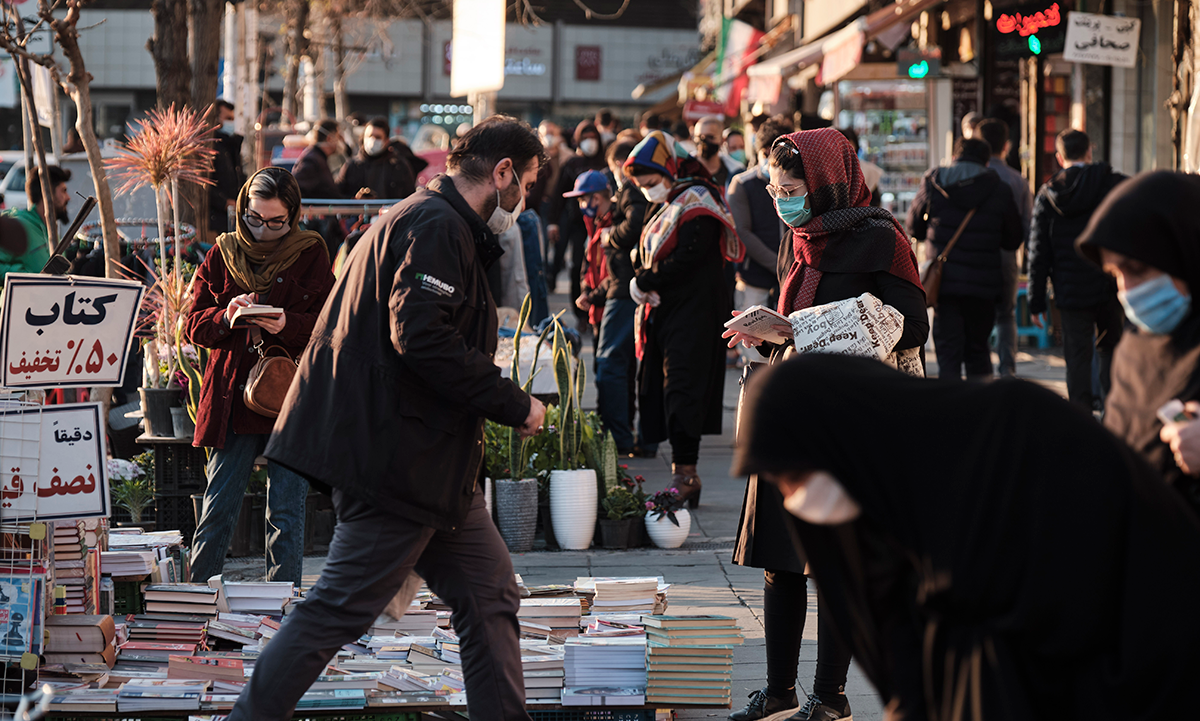
The news coming out of Iran does not paint a pretty picture of its economy. Economic mismanagement, widespread corruption, weak legal and institutional capacity, and unfavorable business regulations, alongside the unprecedented U.S. financial and economic sanctions and the coronavirus pandemic, have been choking the Iranian economy. However, with a population of 85 million, half under the age of 30 and highly educated, as well as a strategic location on the Persian Gulf and vast reserves of energy and other natural resources, including wind and solar energy, Iran’s economy has incredible potential waiting to be unlocked.
A “blue mirage”: Biden’s presidency and the Iranian economy
What does a Biden presidency mean for the economy of Iran? The short answer is: not much. While the Iranian public considers his election good news for the country, these sentiments are fleeting and will soon fade. The reason is simple: Even if Joe Biden decides to reengage with Iran or reenter the 2015 nuclear deal on his first day in office, a Biden presidency will not change many crippling realities for the Iranian economy.
Linking the past to the future: Economic diversification and tourism in Oman
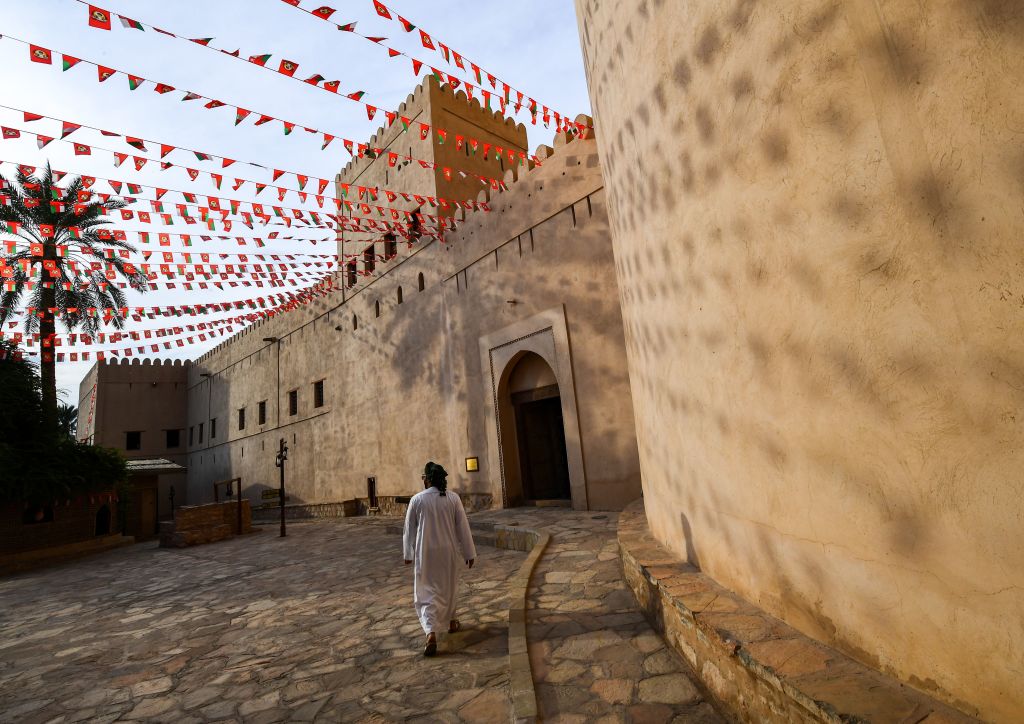
Oman’s new ruler, Sultan Haitham, only has a short timeframe in which to aggressively diversify the country’s economy and reduce its dependency on hydrocarbon exports. This already difficult task is further complicated by the twin challenges of the global coronavirus pandemic and low oil prices, both of which limit the government’s fiscal room for maneuver. One obvious sector that Oman should consider expanding rapidly is its tourism industry.
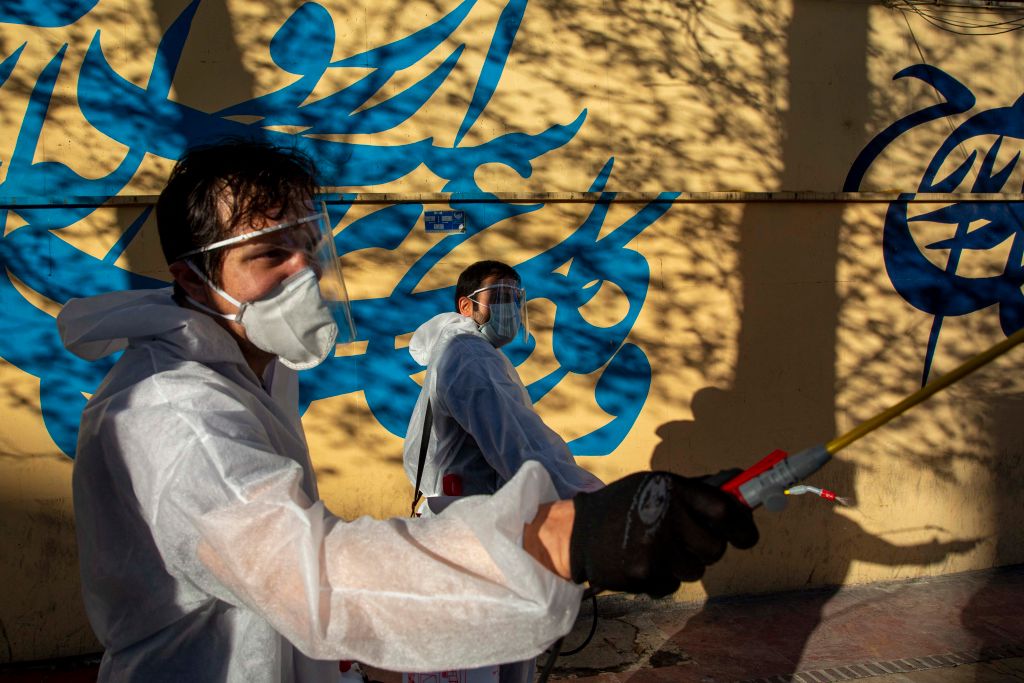
COVID-19 presents a major threat to the global economy and the health of millions of people around the world, but its impact on Iran, one of the early epicenters of the outbreak, has been particularly severe.
Iran’s “harsh revenge”: Is blocking the Strait of Hormuz really a plausible option?
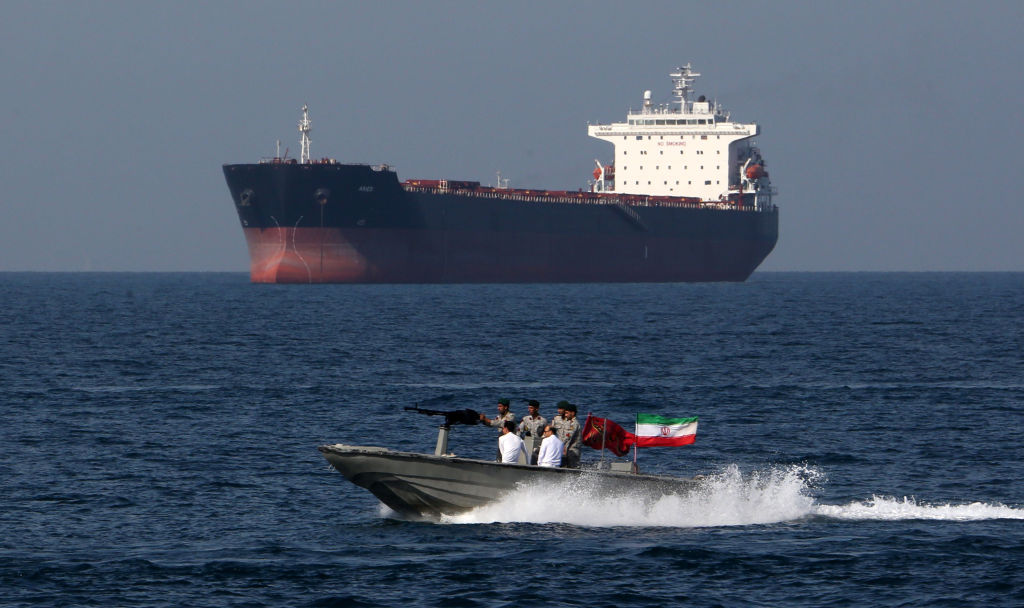
In the immediate aftermath of the assassination of Gen. Qassem Soleimani, head of the Islamic Revolutionary Guard Corps – Quds Force, on Jan. 3, Ayatollah Ali Khamenei warned the U.S. of Iran’s “harsh revenge.” There has been much speculation around the timing, location, and the type (or form) of Iran’s promised revenge. Amin Mohseni-Cheraghlou takes a closer look at the impact of the widely discussed strategy of blocking the Strait of Hormuz.
Rouhani vs. the pump: Ignoring better policy alternatives, again?
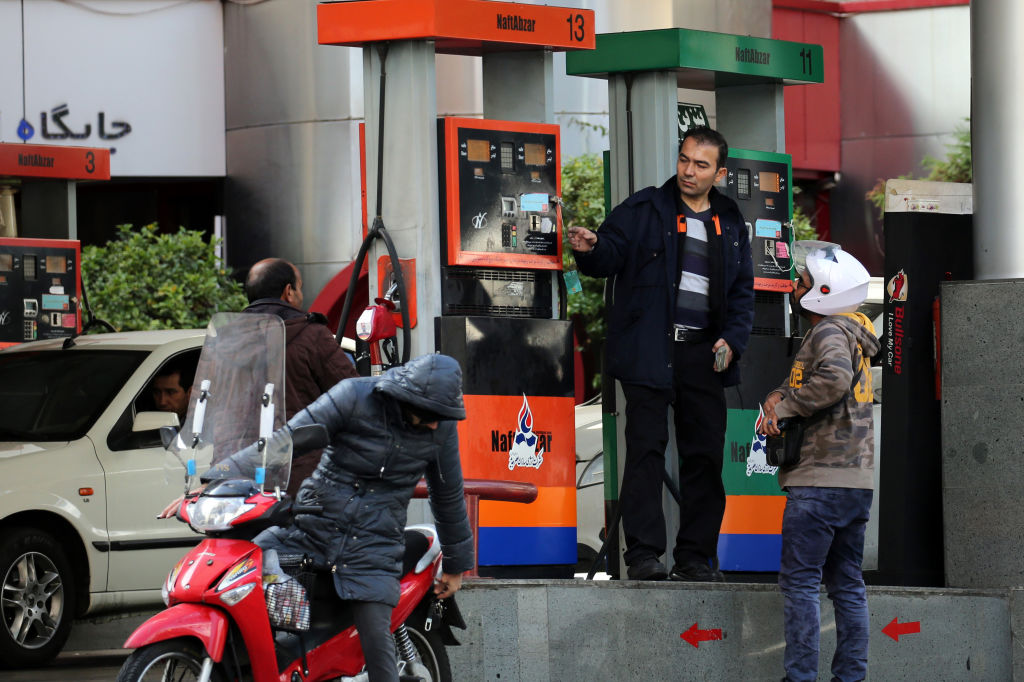
Faced with rapidly deteriorating public finances, Iranian policymakers had no choice but to reduce gasoline subsidies through a combination of rationing and price hikes. However, the way in which they did so was problematic, especially when they had other, better policy options that would have ensured a more equitable, effective, and efficient outcome.
Déjà vu all over again: The three “I”s of gasoline subsidies and social unrest in Iran
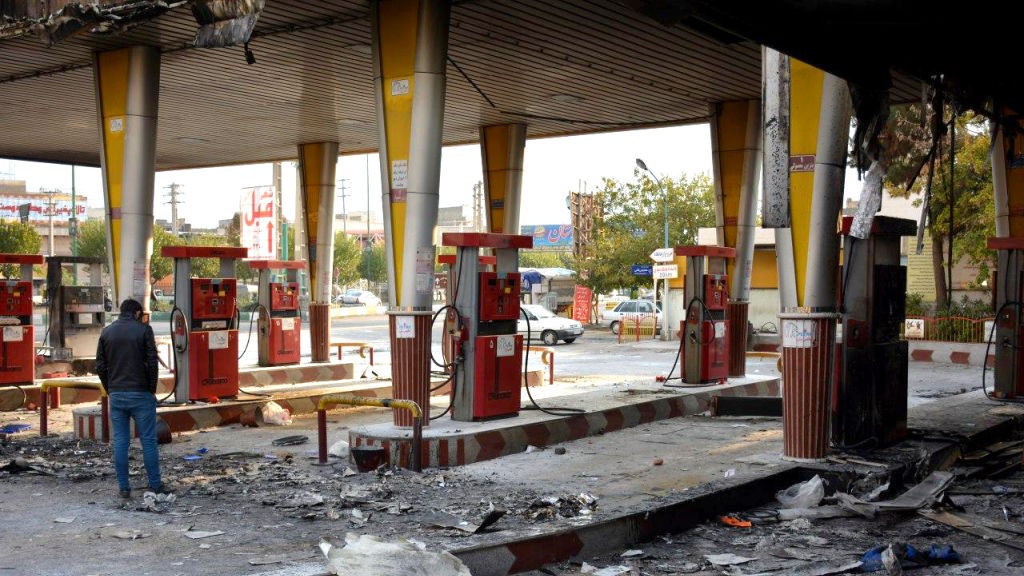
Adding to the backdrop of economic mismanagement, corruption, and increasing rates of poverty and inequality, the recent gasoline rationing and price hikes have ignited widespread and violent protests inside Iran. Despite recent changes, the country’s energy subsidy regime remains highly inequitable, ineffective, and inefficient.