This individual is a guest contributor. MEI is not able to assist with contact requests.
Attiya Ahmad is Georgetown University’s 2009-10 Center for International and Regional Studies Post-Doctoral Fellow. She recently completed her PhD in Cultural Anthropology at Duke University. Dr. Ahmad’s work brings together scholarship on Islamic studies, globalization, diaspora and migration studies, economic anthropology, and political economy.
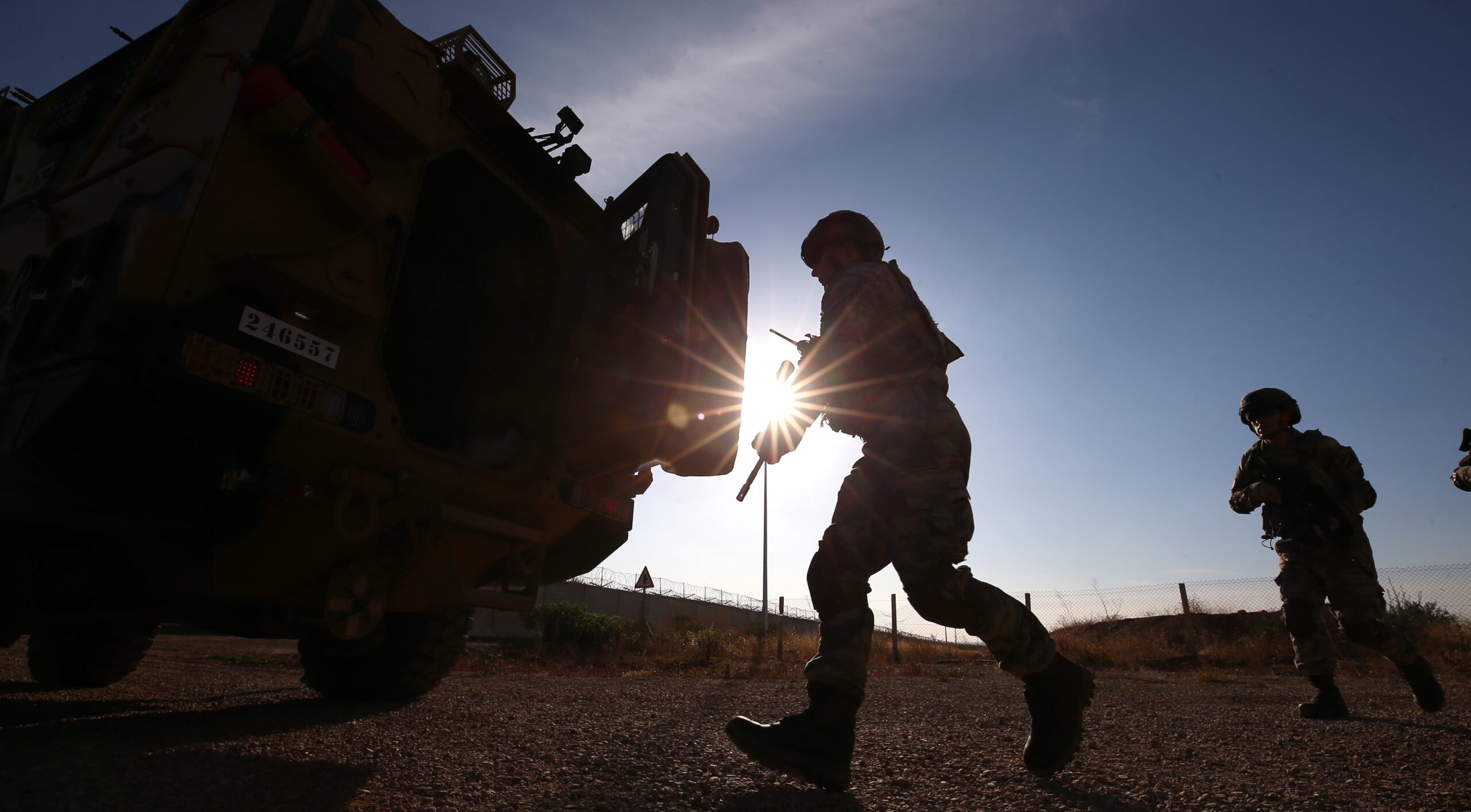
Should the Turkish government make good on its threats to launch yet another military incursion into northern Syria, it would lead to a sharp escalation in violence in a country afflicted by a more-than-decade-long brutal conflict. Not only would Turkey’s military incursion have significant immediate effects on civilians and combatants in Syria, but it could also reverberate further throughout the region and world.
Aoun promised Lebanon a “modern state” — he left it in ruins
Aoun’s talk of a modern state appeared to be a smokescreen to mislead those who followed him into thinking the path to reform lay with the general. As the past six years have made all too clear, his objective seemed squarely fixed on gaining a permanent seat for himself at the table of Lebanon’s sectarian elite and securing his legacy.
America’s Defence of Its Partners in the Middle East
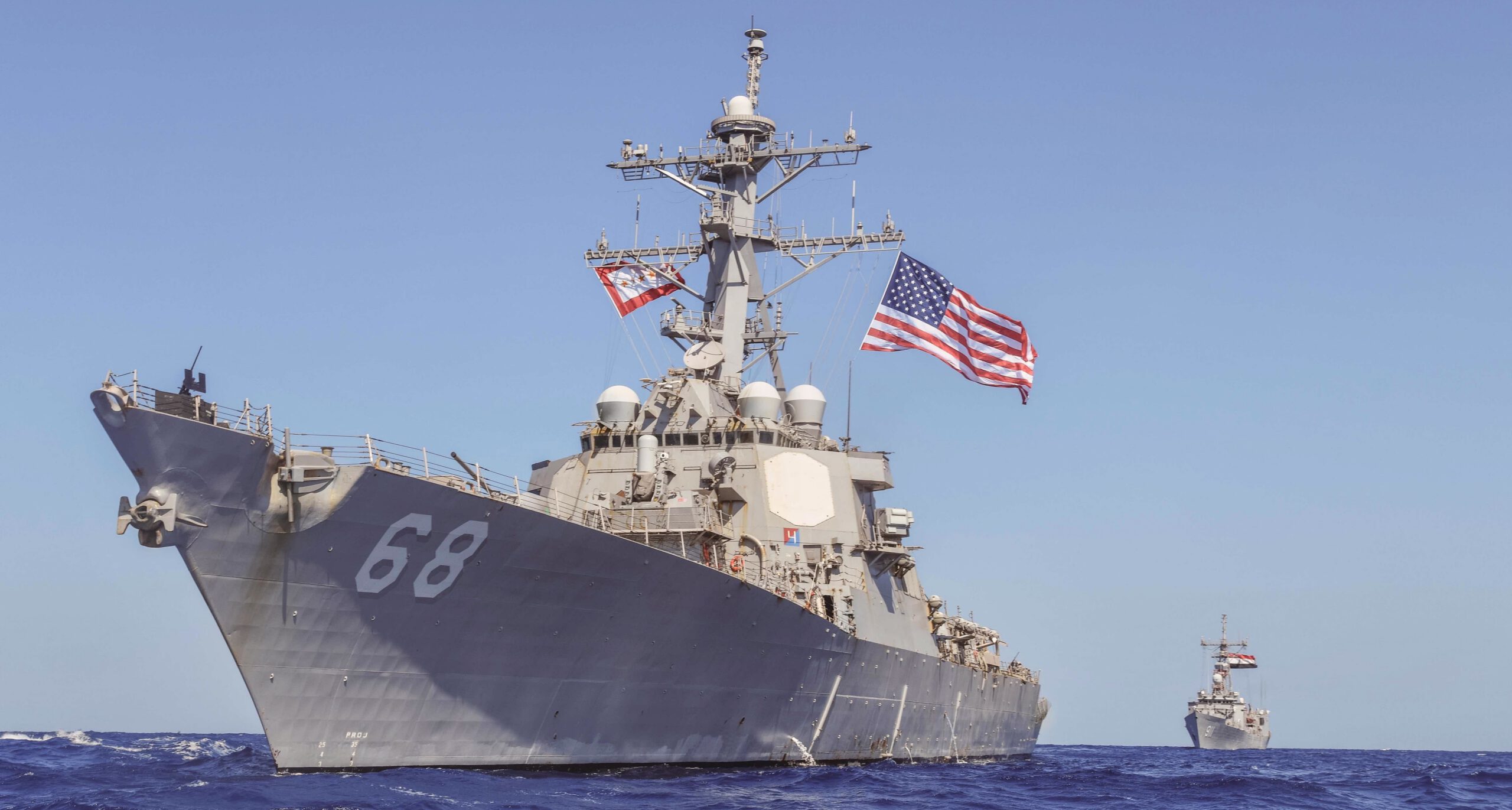
Under what conditions is the United States likely or unlikely to intervene militarily on behalf of a close partner with which it may have defense arrangements short of a formal alliance? This is an increasingly relevant question for the United States as it engages in strategic competition with China and Russia for regional partners, as well as for resources and broader influence.
The Future-Seeking, Team-Building 5th Fleet Is Busier Than Ever
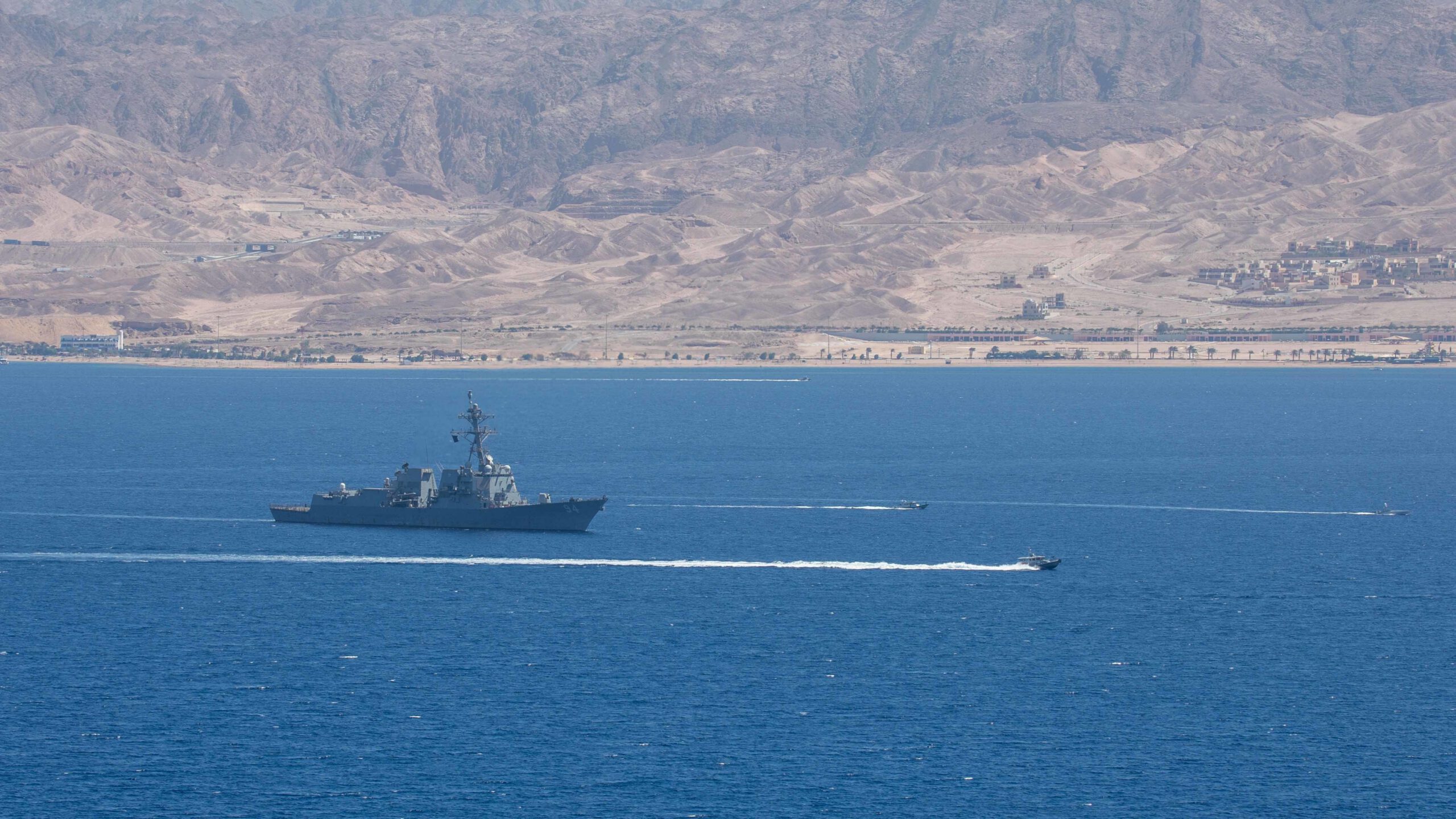
In recent years, the United States has stepped up its efforts to promote a Middle East security order in which cooperation is more widely preached and effectively practiced among like-minded nations. Nowhere has this multilateral approach to regional security been more credible and fruitful than in the maritime domain.
As terrorist groups expand in the Sahel, is Algeria the missing link?
Over the past two years, the steady expansion of terrorist and fundamentalist threats in the Sahel has not gotten the attention it deserves. Algeria’s regional diplomatic clout, military might, and experience in fighting terrorism could help Sahelian states ward off an imminent political and security collapse.
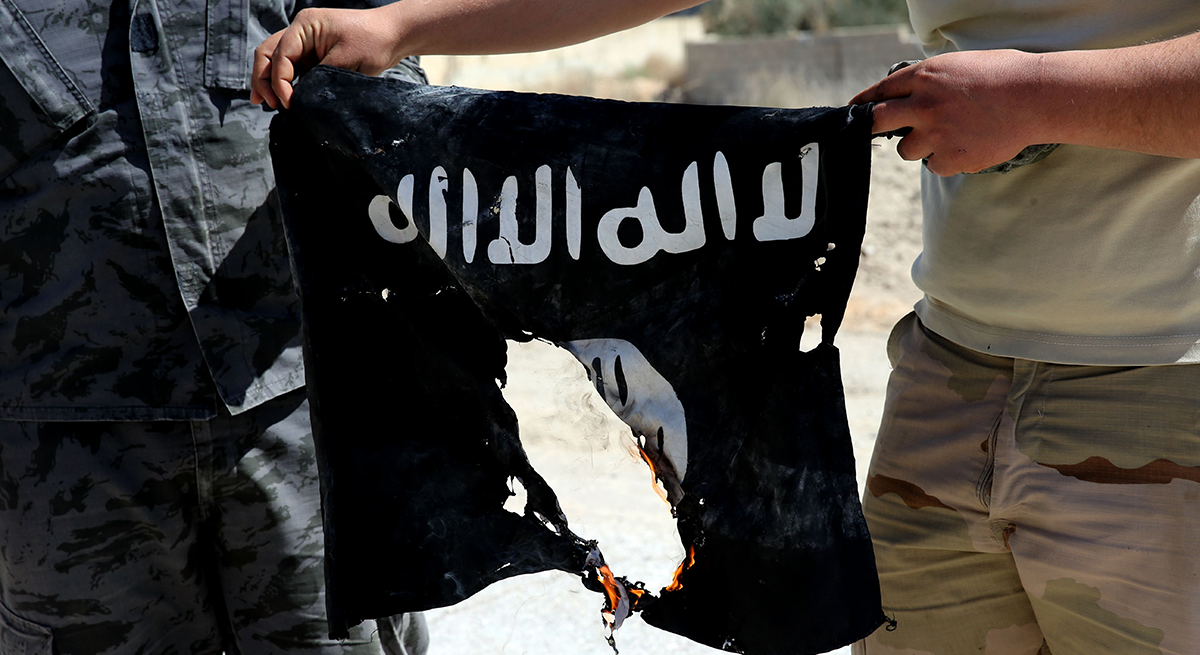
On Nov. 30, the Islamic State announced that its leader, Abu al-Hassan al-Hashimi al-Qurayshi, had been killed in battle and that his successor, Abu al-Hussein al-Husseini al-Qurayshi, was now in place. Hours later, the United States military’s Central Command confirmed the death of Abu al-Hassan, adding that it had occurred in Daraa, in southern Syria, in mid-October at the hands of “the Free Syrian Army.”
Pakistan-Afghan Taliban relations face mounting challenges
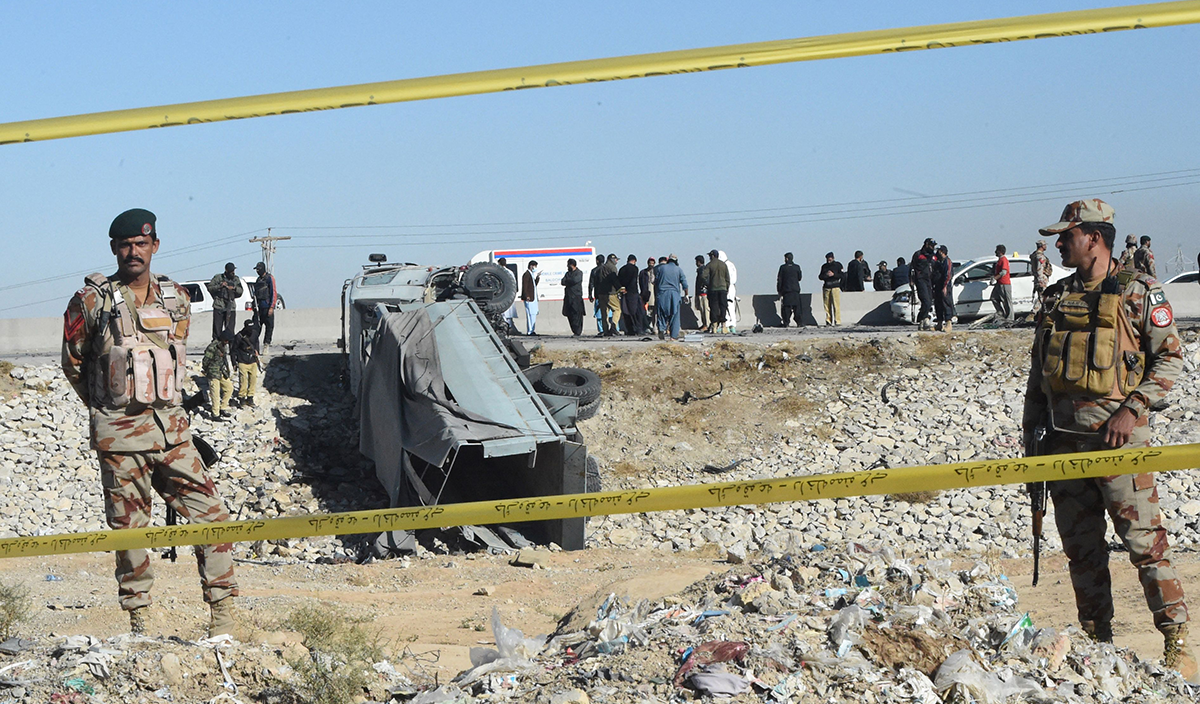
Tensions between Islamabad and Kabul continue to rise. While Pakistan has made efforts to smooth over the growing rift, reopening a key border crossing closed following cross-border gunfire that killed a Pakistani security guard and sending its minister of state for foreign affairs on an official visit to the Afghan capital, there are clear signs that Pakistan’s leverage with the Afghan Taliban seems to be slipping fast.
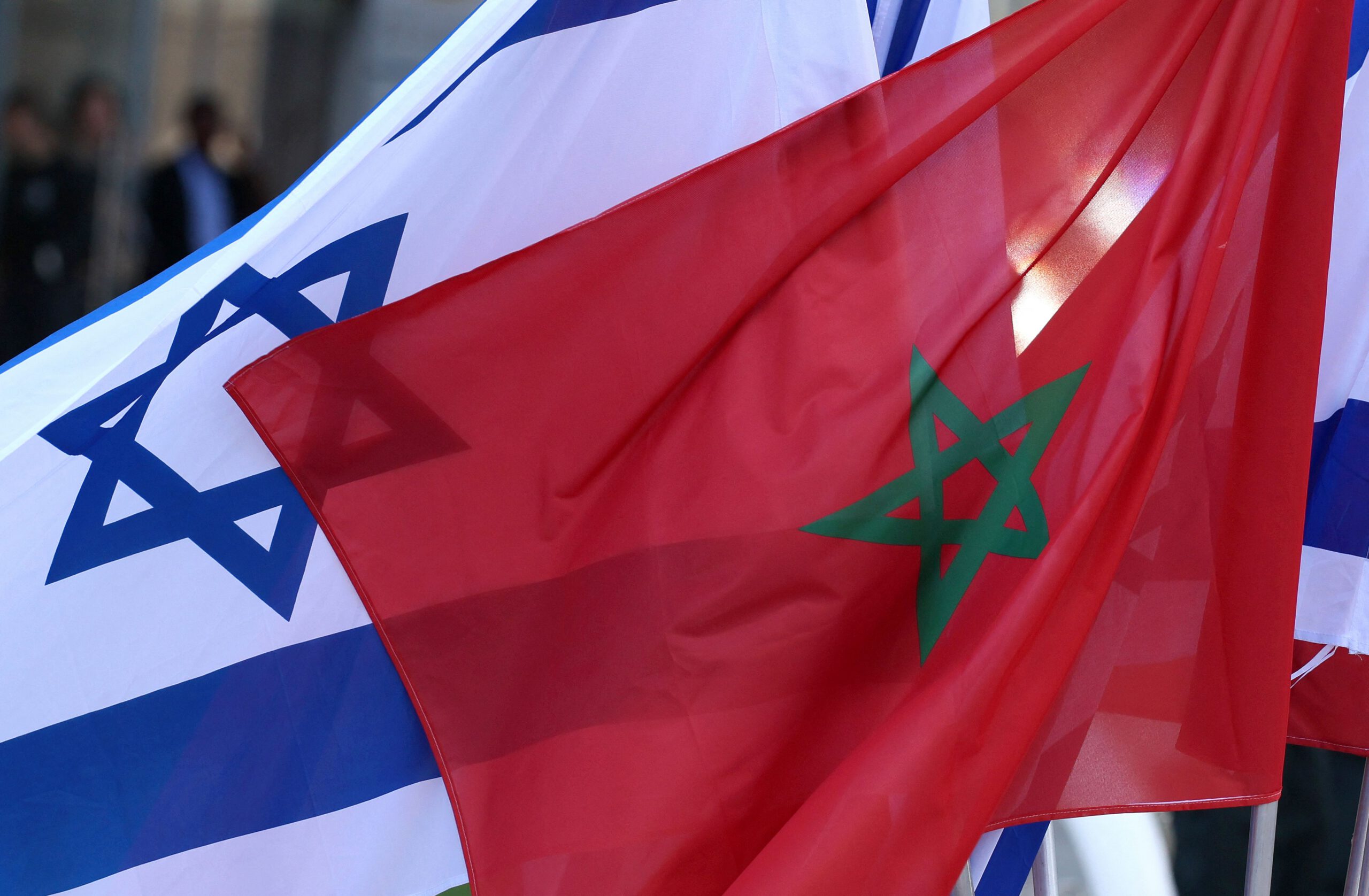
Morocco and Israel: Economic Opportunities, Military Incentives, and Moral Hazards
The December 2020 Moroccan-Israeli normalization deal has evolved from a vehicle enabling Morocco to gain long-sought U.S. recognition of its claims on Western Sahara to a broader strategic partnership with Israel. But the relationship further strains relations with neighboring rival Algeria.
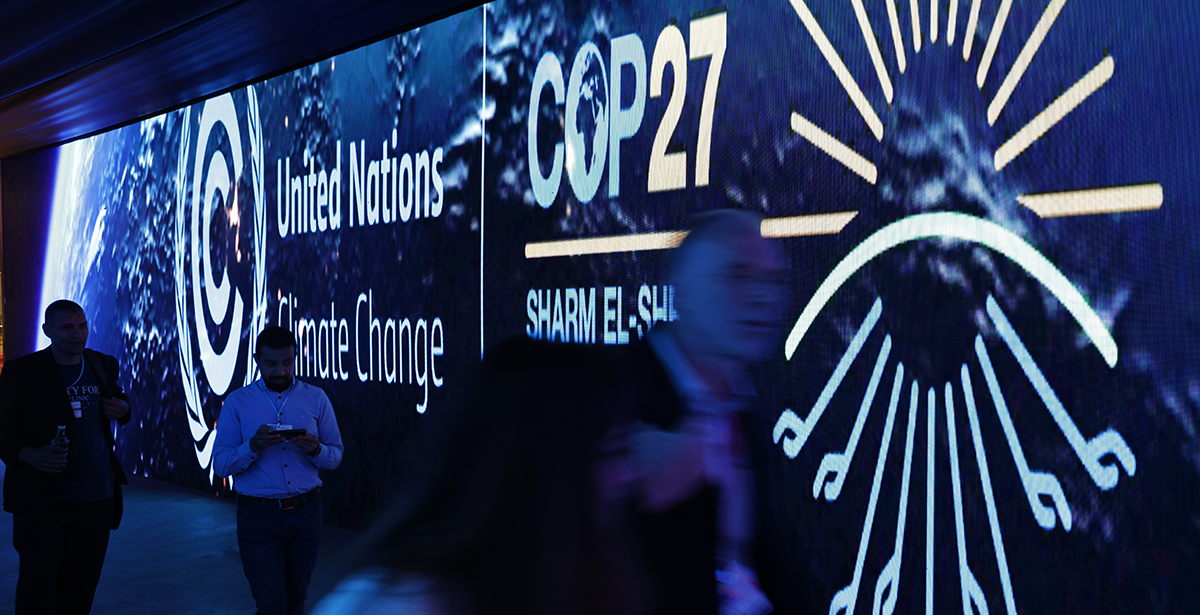
The future of climate technology: Data-informed policies are indispensable in mitigating climate risks
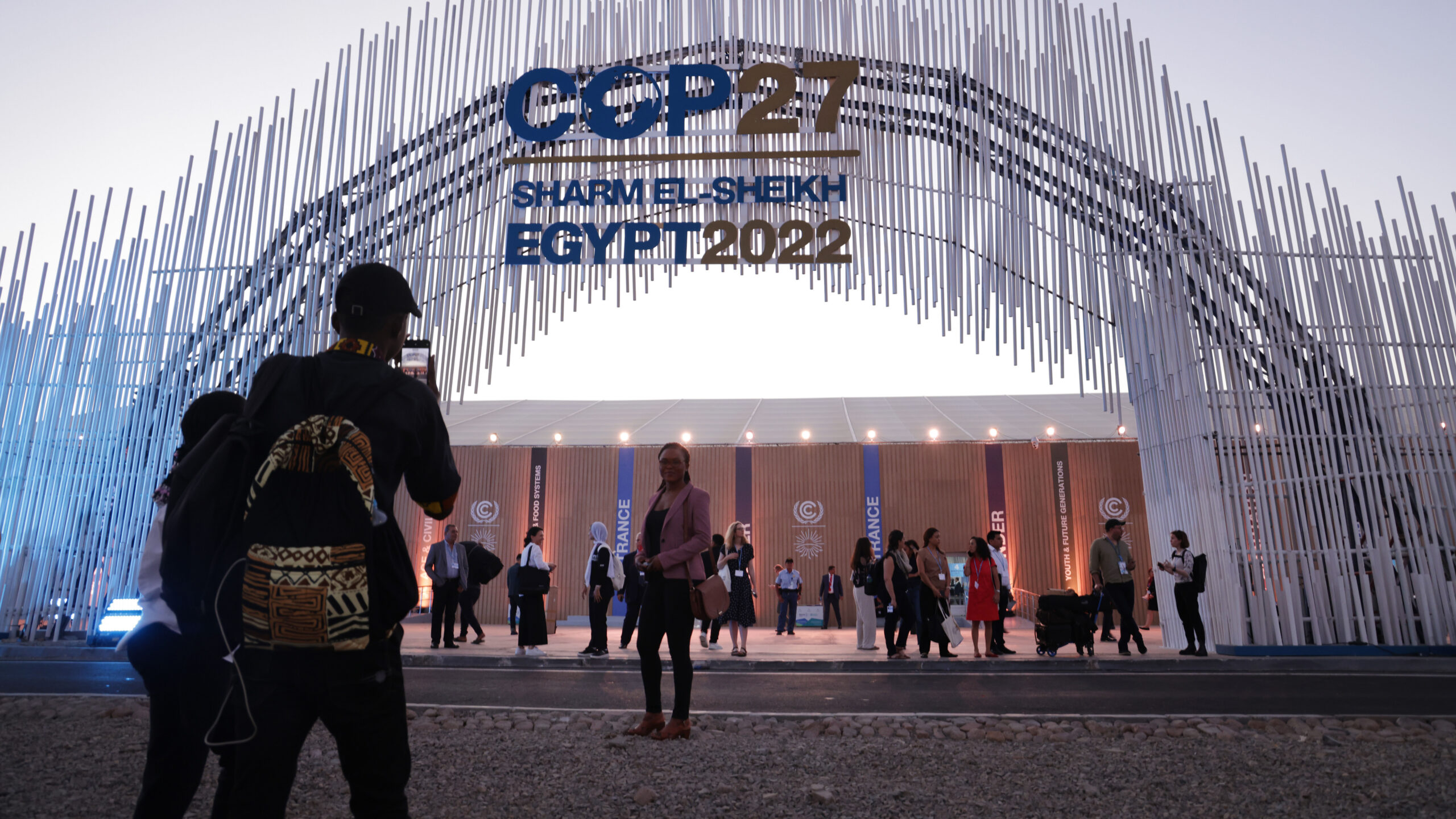
During COP27 in Egypt, world leaders discussed climate adaptation, mitigation, financing, and collaboration. Data is at the heart of these conversations. Although most countries are already integrating data into their policymaking process, it remains an under-utilized resource despite the fact that half the world is vulnerable to climate disasters.
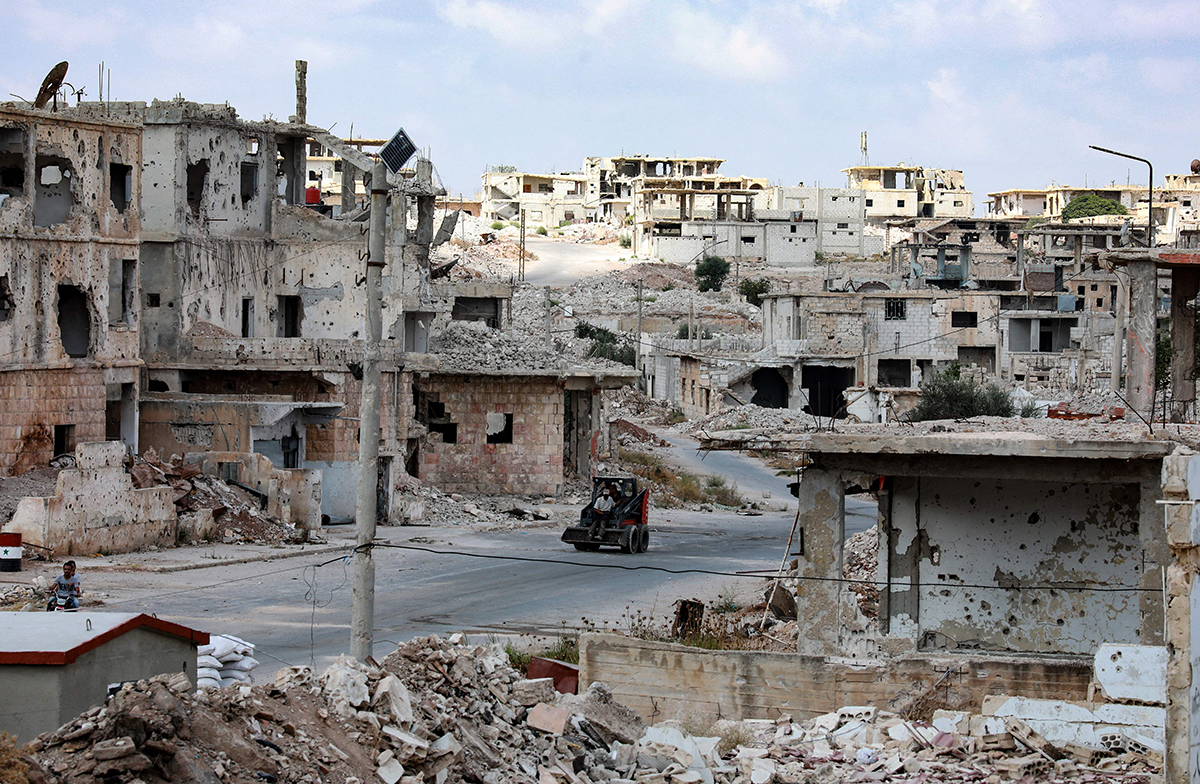
أطلقت المجموعات المحلية في مدينة درعا البلد ، وهي مجموعات عسكرية كانت تتبع للجيش السوري الحر، و بقيت في المحافظة بعد توقيع أتفاقية المصالحة مع النظام السوري برعاية روسية في يوليو / تموز عام 2018، عملية عسكرية واسعة على مجموعات هفو _ الحرفوش في أحياء طريق السد والمخيم داخل درعا البلد.
On Oct. 31, local units previously affiliated with the FSA launched a large-scale military operation against the al-Hafo-Harfoush group in the southern Syrian city of Daraa al-Balad. The operation followed a suicide bombing targeting the house of Ghassan al-Akram Abazid, a former FSA leader, that left four dead and several others wounded, on Oct. 28, in Daraa al-Balad. The attack was only the latest in a string of similar operations in southern Syria conducted by the group over the past year targeting military factions affiliated with the opposition.
The view from Vienna: OPSEC, Iran’s cyberpower, and tech decoupling
MEI’s Strategic Technologies and Cyber Security Program participated in both the DeepIntel and DeepSec conferences in Austria this past week. Here are our reflections on the conferences, the conversations we had there, and the overall agenda.
Dispatches from Sharm el-Sheikh: Reviewing COP27 from the MENA perspective
Participating in COP27 provided a unique opportunity to view the proceedings firsthand and evaluate the effectiveness of the meeting in advancing critical climate priorities that can alter the alarming trajectory of future climate change.