This individual is a guest contributor. MEI is not able to assist with contact requests.
Attiya Ahmad is Georgetown University’s 2009-10 Center for International and Regional Studies Post-Doctoral Fellow. She recently completed her PhD in Cultural Anthropology at Duke University. Dr. Ahmad’s work brings together scholarship on Islamic studies, globalization, diaspora and migration studies, economic anthropology, and political economy.
Dispatches from Riyadh: Reflections on the Global Cybersecurity Forum
MEI’s Center for Strategy and Emerging Technology participated in the second annual Global Cybersecurity Forum in Riyadh this past week. Here are our reflections on the conference, the conversations we had there, and the GCF’s overall agenda.
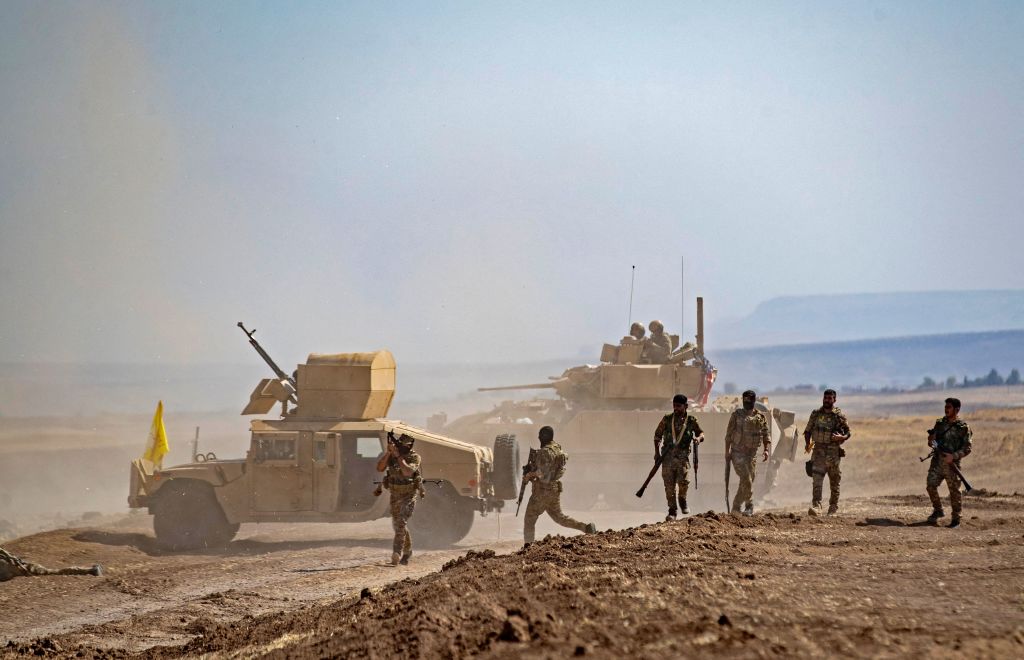
Syria and Lebanon at risk from rapidly spreading cholera epidemic
Cholera continues to sweep through Syria and Lebanon at an alarming pace, leaving thousands sick and hundreds dead in its wake, with only a small fraction of cases officially registered in databases.
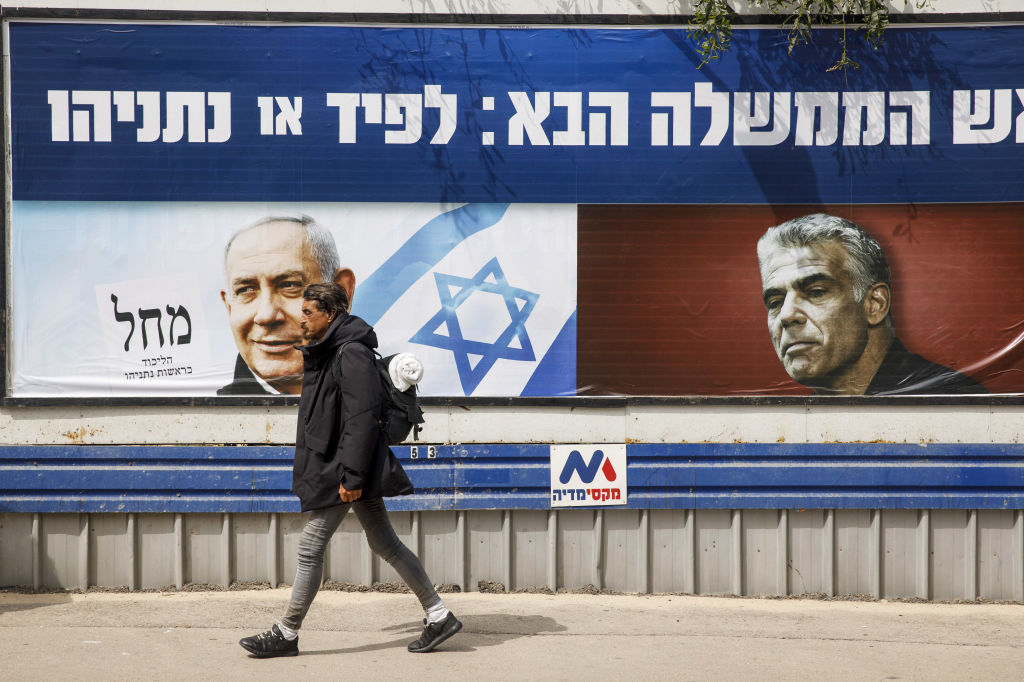
The victory of Israel’s extreme right: Implications for citizens’ rights and Israeli-US relations
Since winning the Israeli elections on Nov. 1, Benjamin Netanyahu leads a bloc that is ideologically homogeneous in ways never before seen, with a majority of religious nationalists and ultra-Orthodox parties set to enter government and likely to work cohesively for the next four years, unlike in the past.
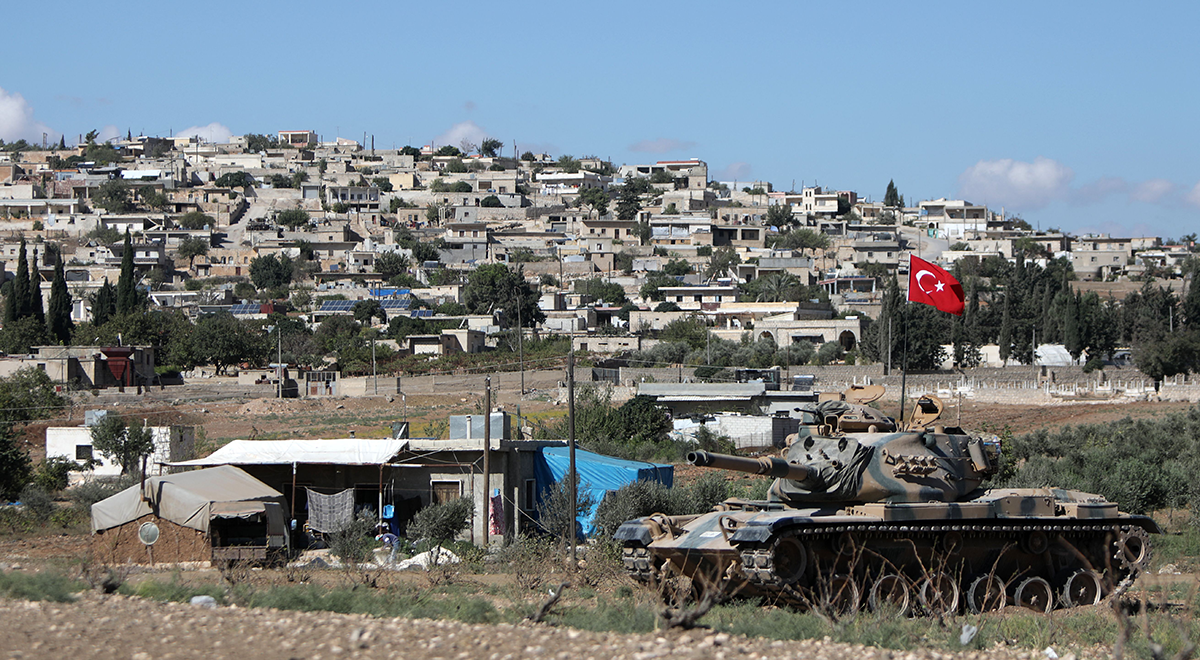
Frozen Syria? Assessing the state of play and opportunities for engagement
Russia’s Feb. 24 invasion of Ukraine has given rise to speculation that it might fully withdraw from Syria, creating a power vacuum that could ignite new fighting. Yet these fears are likely misplaced and a deeper examination of the current state of Syria reveals unique opportunities for engagement from the international community.
In Turkish-Russian relations, the Ukraine grain deal is not the point
The Ukraine grain export deal, which Turkey helped mediate over the summer, was saved last week to much fanfare; but the central unaddressed issue remains lifting Russia’s illegal blockade of Ukrainian ports, so Ukraine can freely trade with the world.
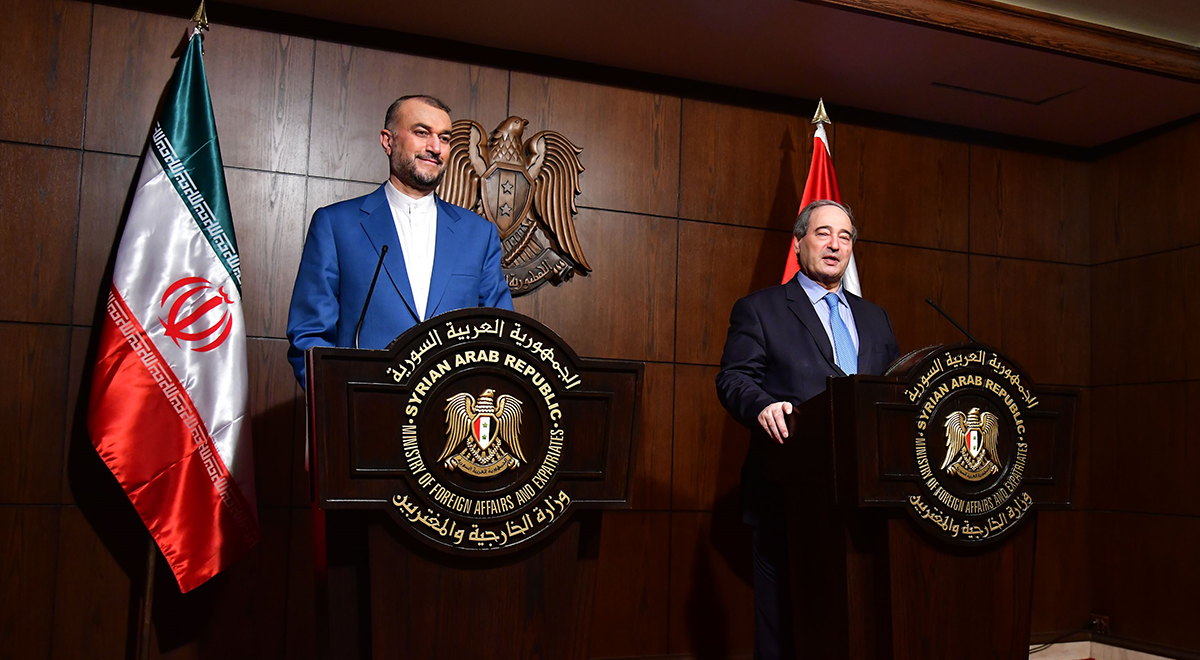
Syria’s Failings Should Guide Misdirected Iran Policy
If the West is committed to not repeat the mistakes of the past, it can forge a third way that honors the protestors and rejects the tyrants in Tehran.
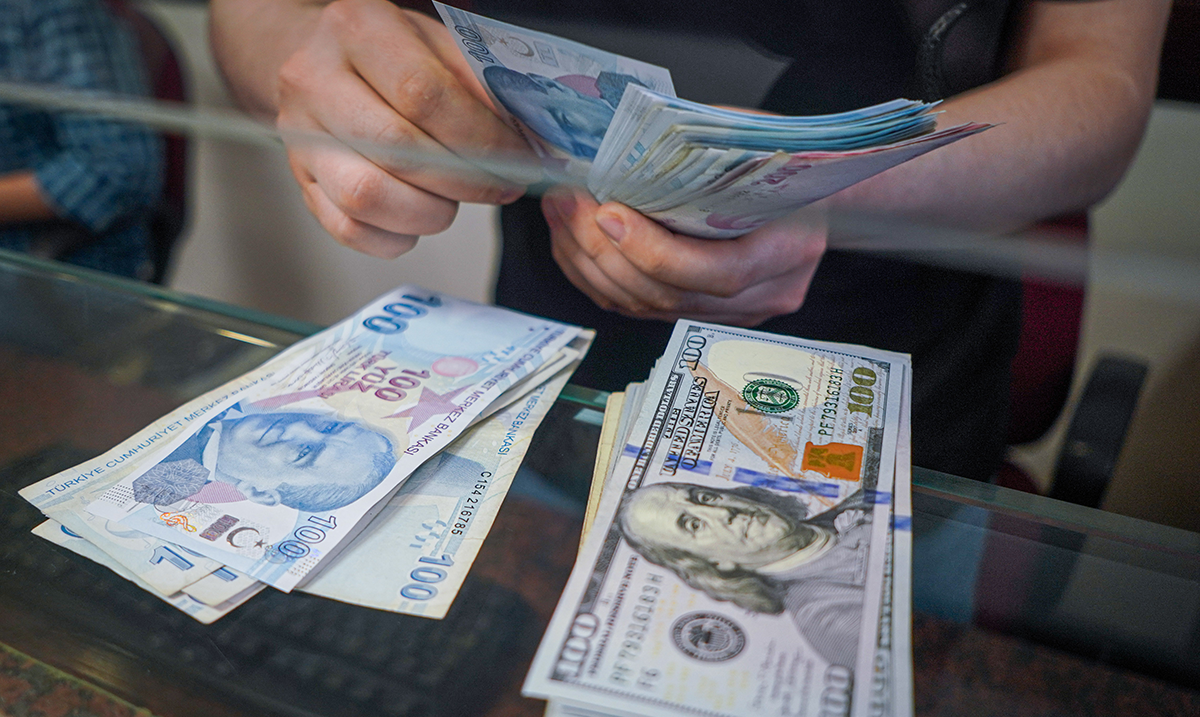
As liquidity problems worsen, Turkey turns to capital controls and informal FX flows
The Turkish economy’s foreign exchange liquidity problem is getting worse. The current account balance has been in the red this year with a monthly deficit of around $5 billion. The government has so far managed to avoid a repeat of the December 2021 currency shock by restricting capital mobility, further tightening regulations in October 2022.