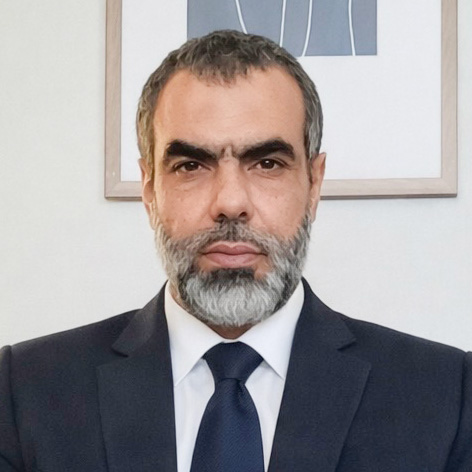
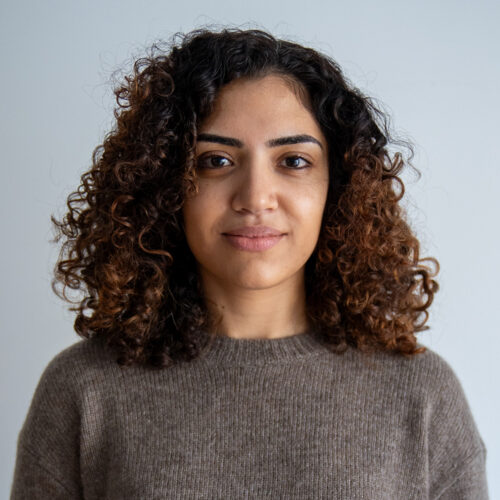
Attiya Ahmad is Georgetown University’s 2009-10 Center for International and Regional Studies Post-Doctoral Fellow. She recently completed her PhD in Cultural Anthropology at Duke University. Dr. Ahmad’s work brings together scholarship on Islamic studies, globalization, diaspora and migration studies, economic anthropology, and political economy.
The Latest from Attiya Ahmad
The New Civil-Military Relations in Turkey
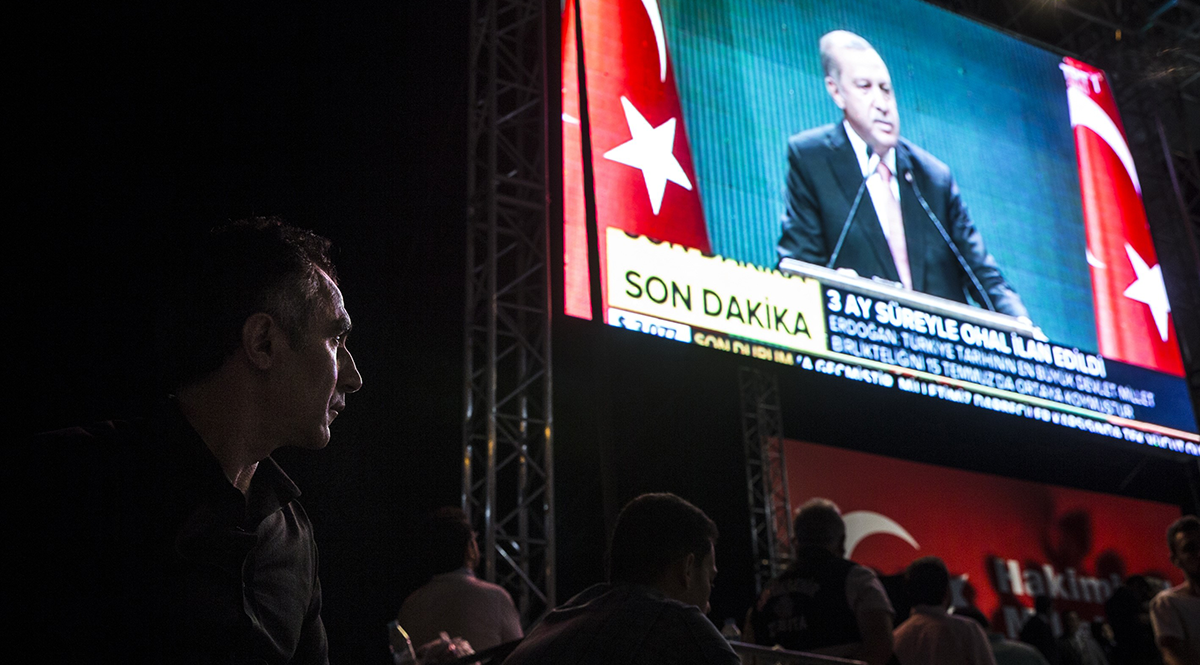
Following the AKP’s rise in 2002, civil-military relations in Turkey began to change significantly. The military’s tutelage over Turkish politics was gradually replaced with the AKP’s control over the Turkish Armed Forces. The July 2016 coup attempt put an end to the military’s prestige and popularity and ushered in a new era, with Erdoğan and his AKP asserting full civilian control over the military. This paper explores the factors that paved the way for the new civil-military relations between 2002 and 2016, reviews how the 2016 coup attempt became an opportunity for the AKP to further eliminate all opposition, and analyzes the impact of the upcoming 2023 elections and the opposition’s stance on civil-military relations.
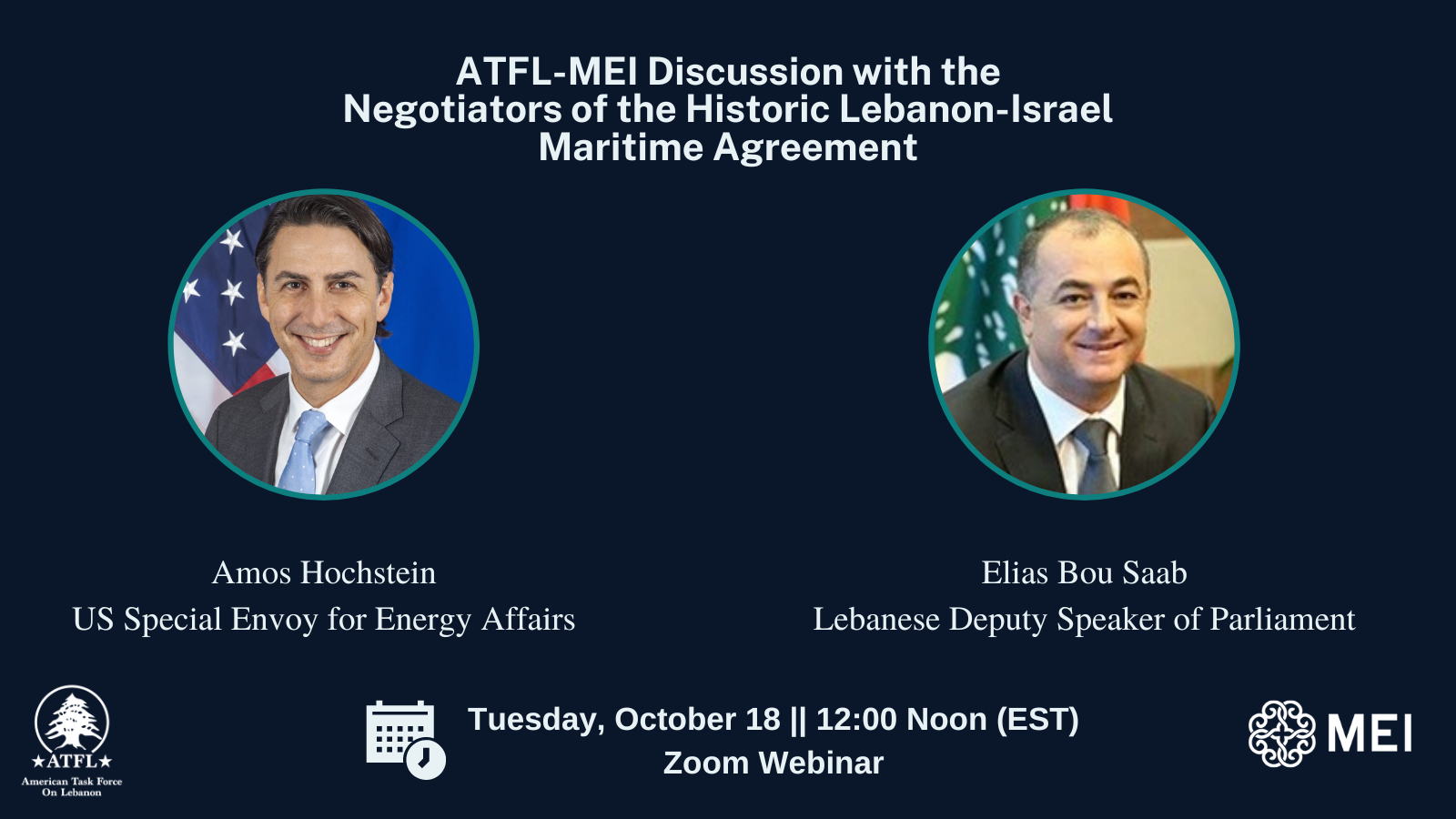
ATFL-MEI Discussion with the Negotiators of the Historic Lebanon-Israel Maritime Agreement
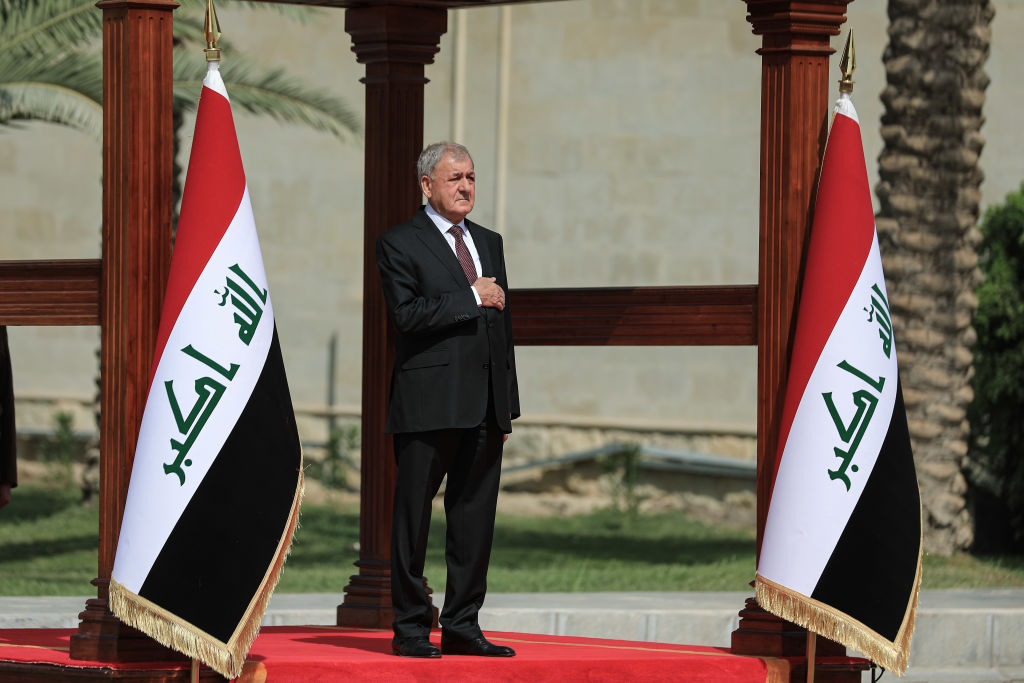
Monday Briefing: Government formation in Iraq: One year, one step
Read MEI’s weekly briefing featuring expert analysis of key regional developments for the week ahead.

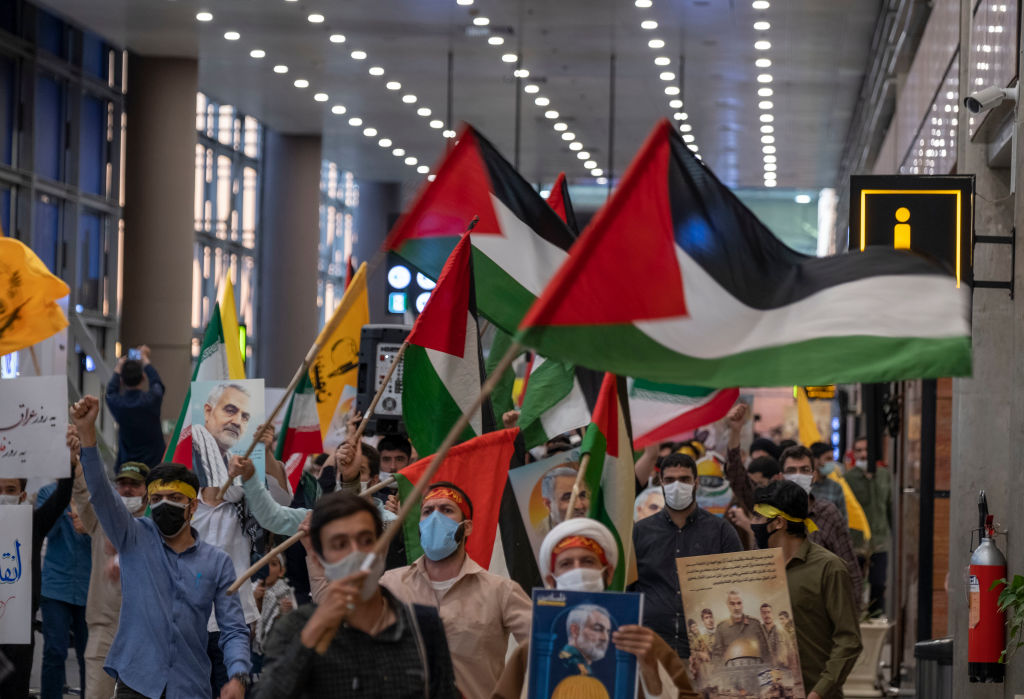
The economic backdrop of Iran’s protests
As protesters’ slogans and chants have made clear, the current protests are definitely not about the economy, but about opposition to the regime more broadly and its political and social oppression. Yet Iran’s economic problems have created an atmosphere that encouraged and fueled protesters’ anger and have done nothing to help the regime.
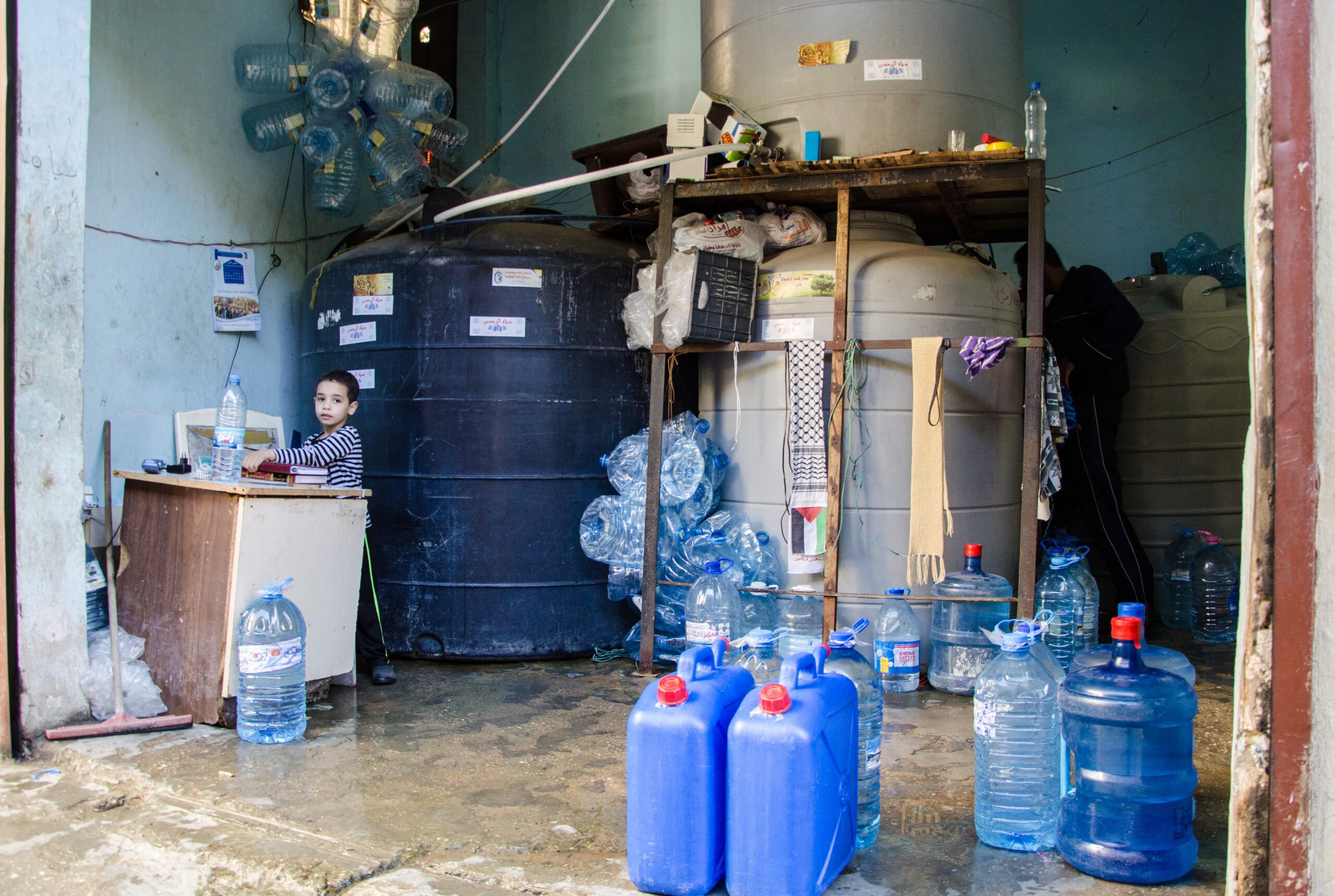
Amid Lebanon’s perfect storm of crises, water demands attention
Lebanese crises have repeatedly made international news since October 2019, when the country witnessed the start of a popular revolution against a stagnant and corrupt political elite. Much less discussed but no less critical is the issue of water. The problem has been slumbering for years but has recently come to light along with other failings of the Lebanese government.
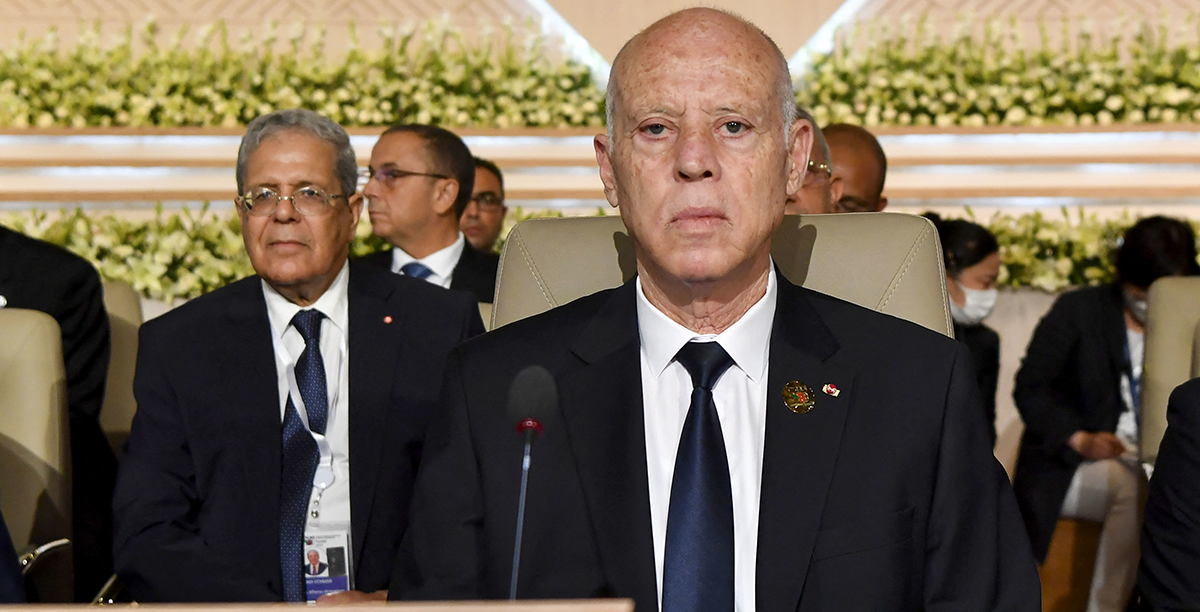
Saied’s new rules for Tunisia’s elections
With the decree of a new election law on Sept. 15, President Kais Saied continues rebuilding the formal political mechanisms of the Tunisian state — what some see as a “third republic.” The new law sets the terms for the legislative elections scheduled to be held on Dec. 17, 2022, and it comes only shortly before nominations for candidacies for those elections begin on Oct. 17.
Embarking on a Path of Renewal: A Report by the Commission on Stabilization and Growth in the Middle East and North Africa

'Yalla Laugh & Dance Extravaganza' Stand-Up Comedy Show & Dance Party!
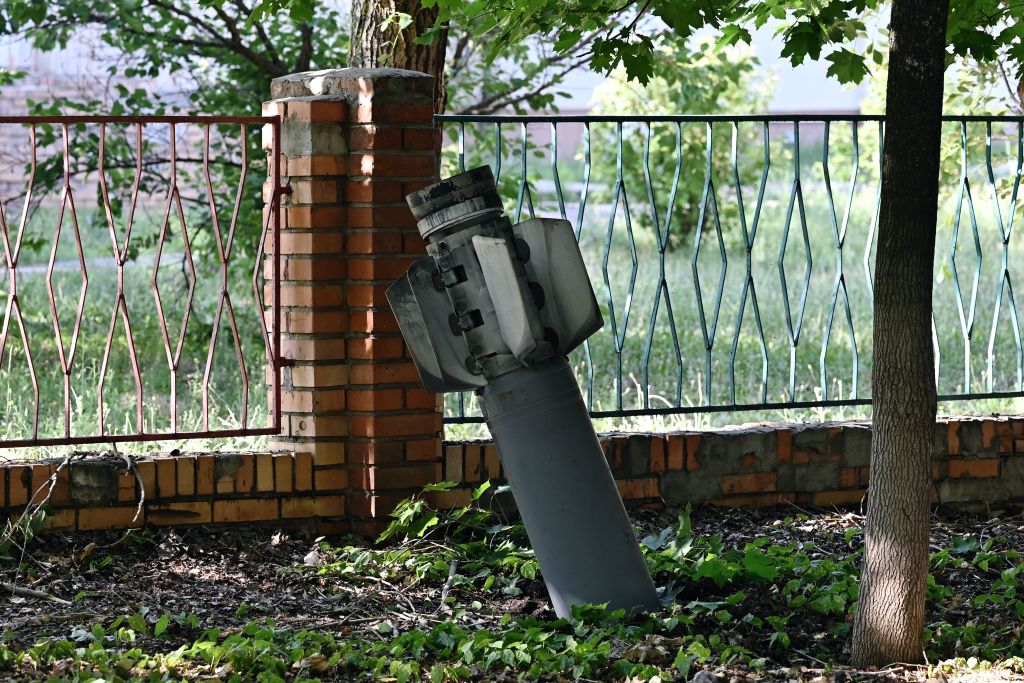
Tactical Nukes: A Primer
Iulia Joja interviews Henry Sokolski, the executive director of the Nonproliferation Policy Education Center, about how tactical nuclear weapons might play into Vladimir Putin’s Ukraine strategy.

Opinion: Meet the tough women leaders taking on Vladimir Putin
It’s striking, the large number of brave women who are leading the protests against Iran’s violent and vicious theocratic regime. It’s likewise notable that young women lead the Ukrainian organization just awarded the Nobel Peace Prize. Arguably less noticed yet equally important: Across Europe, it’s women who are transcending political and geographic boundaries to call for an end to Russia’s brutal aggression.
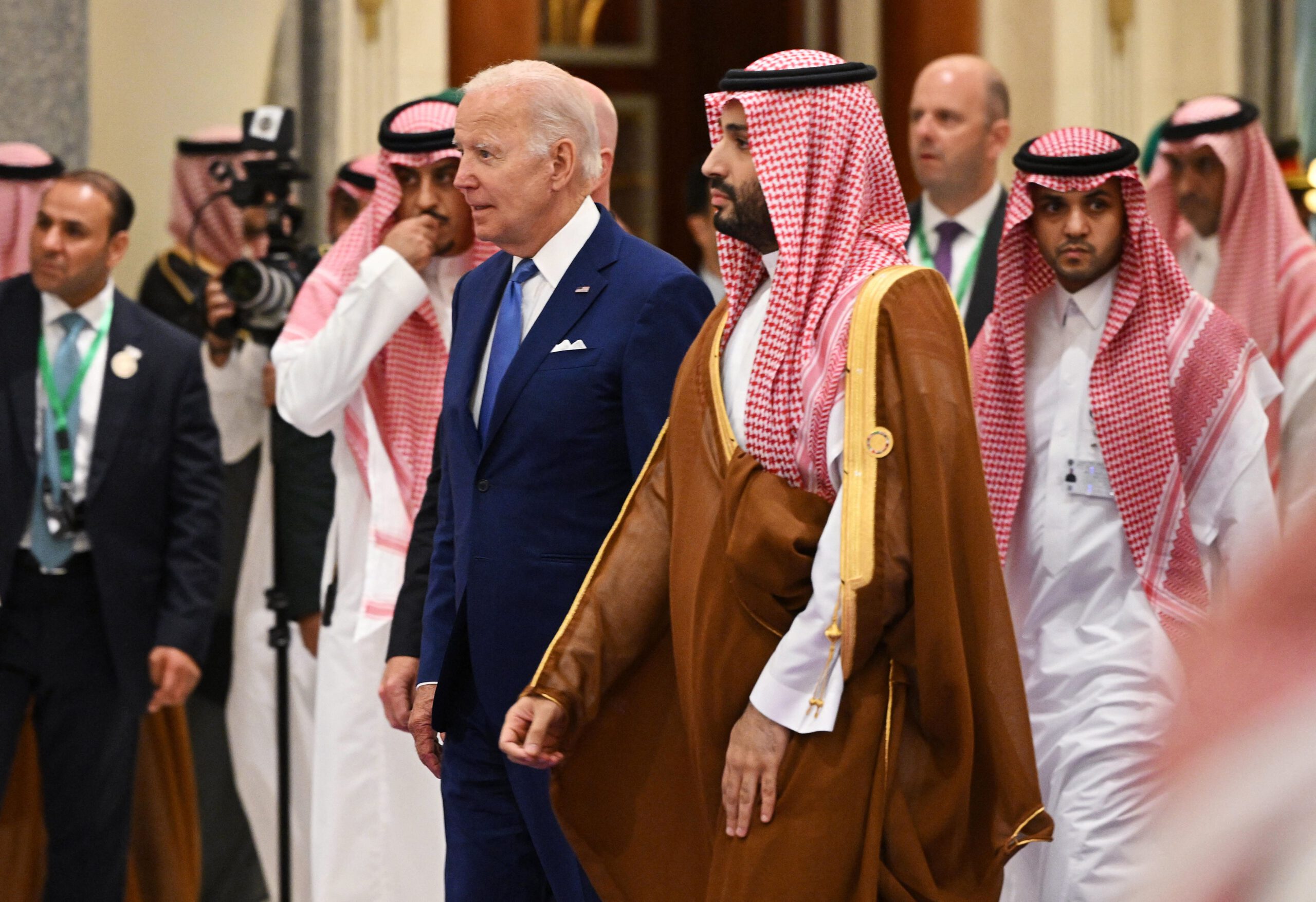
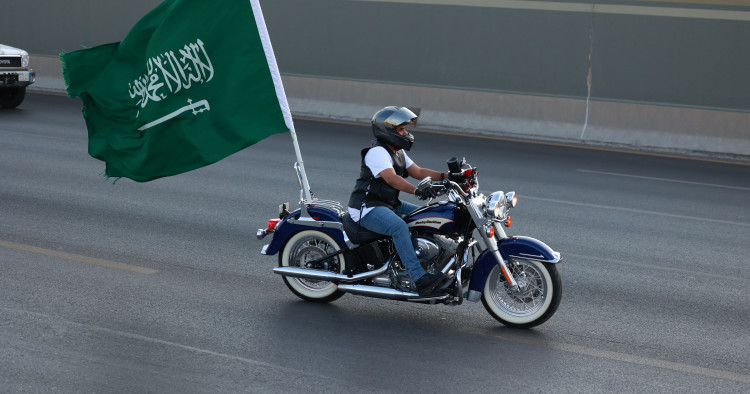
المملكة العربية السعودية في عامها الـ 90: هل تبشر بدولة سعودية جديدة؟
في 23 سبتمبر الماضي، احتفلت المملكة العربية السعودية بالذكرى التسعين لتأسيسها.
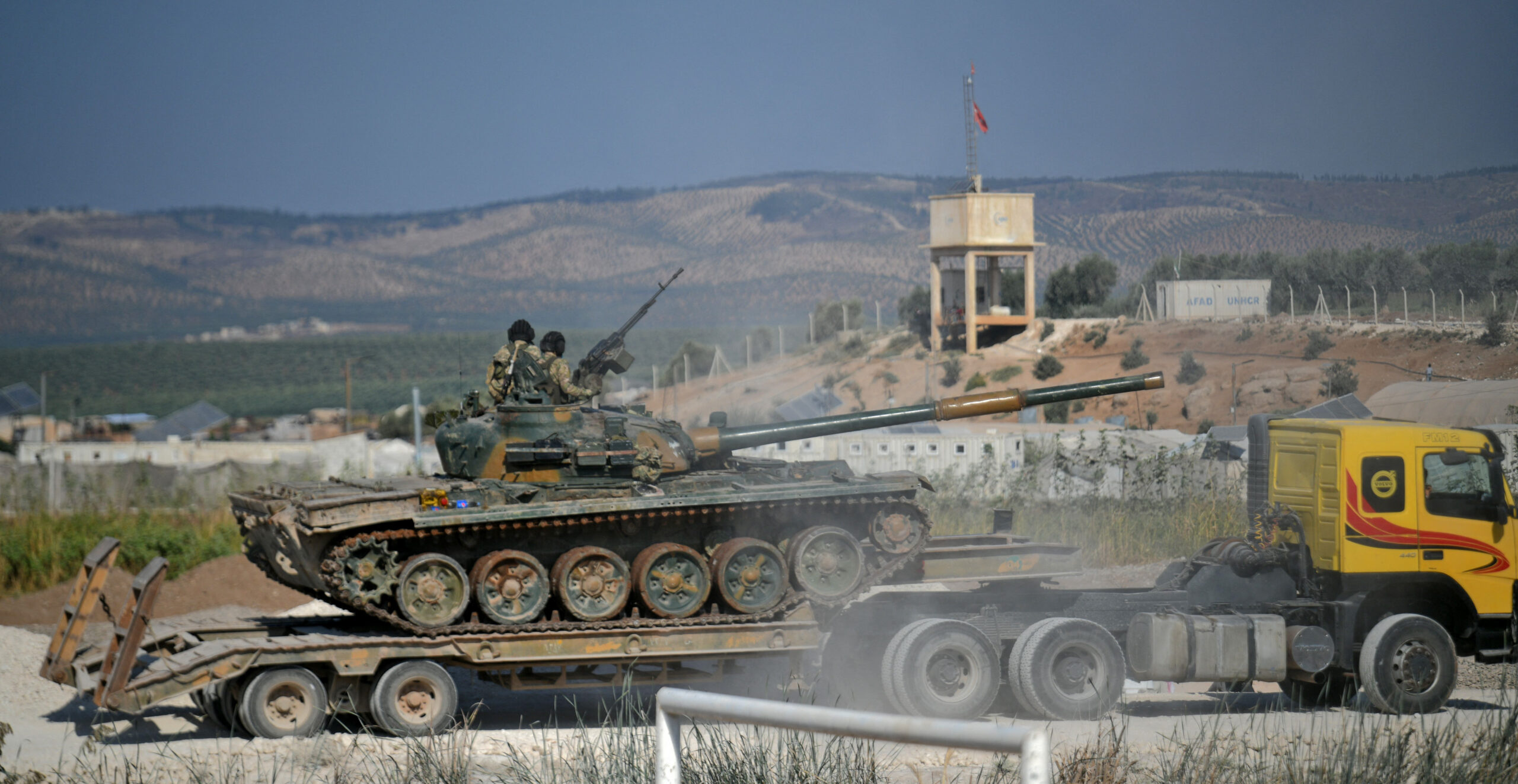
Pragmatic jihadist or opportunistic warlord? HTS’s Jolani expands his rule in northern Syria
The jihadist group Hayat Tahrir al-Sham (HTS) in Syria has dispatched its fighters from greater Idlib eastward, taking full control of Afrin city and at least 26 towns and villages to its southwest, most without a fight. This has placed many of its jihadist opponents back under HTS’s control. The dynamics of northwestern Syria are shifting, and the consequences look likely to be extremely significant.
Special Briefing: The policy and geopolitical implications of the OPEC+ oil production cuts
Expert regional analysis by MEI scholars and contributors.